
Moderate
Tosh Kutla Trek
A Hidden Gem in Parvati Valley The Tosh Kutla Trek is a scenic offbeat trail located in the…
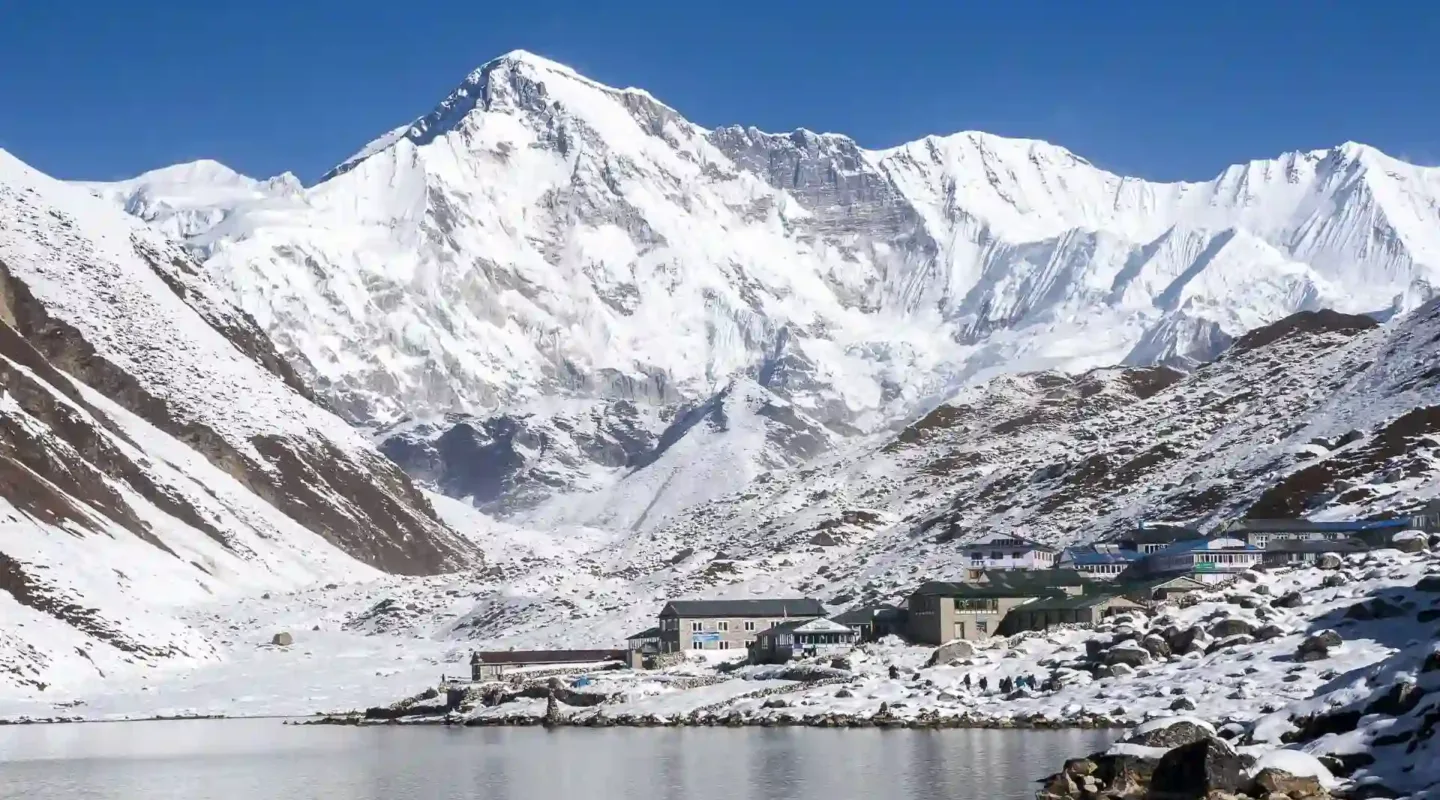
Sandakphu, at 3,636 metres, is the highest point in West Bengal, but its real distinction has little to do with its own modest elevation and everything to do with what it lets you see. On a genuinely clear morning, the view from its summit ridge includes Everest, Kangchenjunga, Lhotse, and Makalu simultaneously — four of the world’s five highest peaks visible in a single sweep, a line-up available from almost nowhere else on the planet at this level of trekking accessibility. Locally this panorama has earned the ridge the nickname “Sleeping Buddha,” since the combined silhouette of Kangchenjunga’s ridgeline is said to resemble a reclining figure.
The trek follows an old trade route along the ridge separating India from Nepal, and for long stretches trekkers genuinely walk along the international border itself, with villages and tea houses straddling both sides. This border-ridge geography gives the trek an unusual character: the trail passes through Nepali-influenced villages like Tumling and Gairibas that feel distinct from anything else in the Darjeeling hills, with their own dialect, cuisine, and architecture shaped by centuries of cross-border trade and migration.
Unlike most Himalayan treks that build toward a single high point, Sandakphu-Phalut is structured as a ridge walk, meaning the elevation gain each day is comparatively gentle and spread out, which is why it’s graded easy to moderate despite reaching a genuine 3,600m-plus altitude. This makes it one of the most accessible multi-day Himalayan treks available for people newer to high-altitude walking, families with older children, or those short on time who still want a serious mountain payoff.
Rhododendron forest dominates the lower and middle sections of the trail, and in April the hillsides around Tumling and Kalapokhri turn a deep, near-continuous red and pink as the region’s twenty-plus rhododendron species bloom in overlapping waves. Kalapokhri itself, a small black-watered lake considered sacred by local Buddhist communities, sits directly on the trail and is treated with the same reverence as many higher-altitude Himalayan lakes further west, despite its comparatively low elevation.
Phalut, an extension beyond Sandakphu itself at 3,600 metres, offers an even wider and less crowded view of the same panorama, since fewer trekking groups extend the itinerary this far. The additional two days it takes are well spent for anyone wanting to see the Kangchenjunga range from a genuinely quiet vantage point, away from the small guesthouse town that has grown up around Sandakphu itself.
Because of its gentle gradient, well-established guesthouse infrastructure at most overnight stops, and short access time from Darjeeling or New Jalpaiguri, Sandakphu-Phalut has become something of a gateway trek for trekkers testing whether high-altitude walking suits them — delivering a five-peak, cross-border Himalayan panorama at a fraction of the physical demand of routes further west.
Arrive at Manebhanjan near Darjeeling (2,100m). Briefing and gear check.
Trek along the India-Nepal border ridge to Tumling village (2,970m).
Continue along the ridge, passing the sacred black lake of Kalapokhri (3,150m).
Climb to Sandakphu (3,636m), the highest point in West Bengal, with sunset views of the five-peak panorama.
Ridge walk to Phalut (3,600m) for wider, quieter mountain views.
Descend towards Sirikhola and drive back to Manebhanjan/Darjeeling.
A Hidden Gem in Parvati Valley The Tosh Kutla Trek is a scenic offbeat trail located in the…
Siddara Betta Trek: Where Spirituality Meets Adventure Nestled in the heart of Karnataka, Siddara Betta stands as a…
Majestic Journey: Kashmir Great Lakes Trek Introduction: Nestled in the pristine valleys of Kashmir, the Great Lakes Trek…