
Moderate
Laka Glacier Trek From Delhi
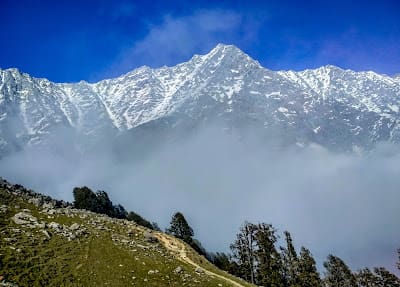
An Unforgettable Adventure in the Dhauladhar Range If you're searching for a short yet thrilling Himalayan trek, the…
Tarsar Marsar Trek are frequently described by Kashmiri trek guides as the quieter, more intimate counterpart to the region’s better-known multi-lake circuits — two teardrop-shaped alpine lakes, separated by a single narrow ridge, each with a distinct character despite sitting barely a kilometre apart. Marsar is considered by many trekkers the more dramatic of the pair, encircled by sheer rock walls that plunge almost directly into the water, while Tarsar’s setting is gentler, framed by rolling meadow rather than cliff.
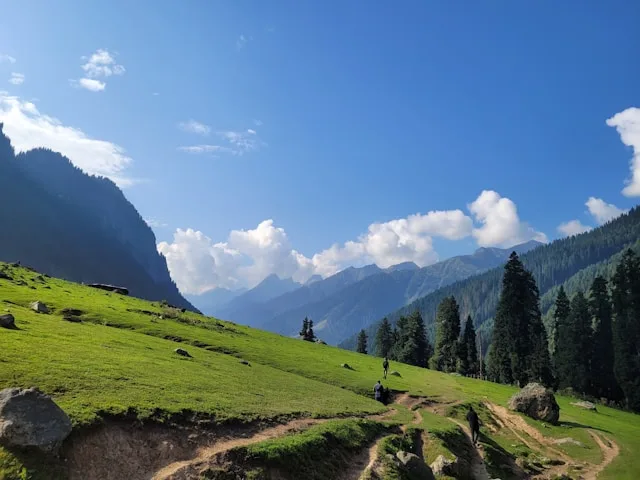
The trek begins at Aru, a small village near Pahalgam that also serves as a gateway to several other Kashmir Himalaya routes, and climbs through dense forests of pine and fir before opening into the first of the trek’s many wildflower meadows. Kashmir’s western Himalaya climate, wetter than the ranges further east, produces some of the most consistently lush meadow country found anywhere in the Indian mountains, and this trek in particular passes through an unusually dense concentration of it, with entire hillsides carpeted in blue poppies, geraniums, and edelweiss through the peak July-August season.
Lidderwat, the trek’s second camp, sits beside the Lidder river in a wide, grassy valley used extensively by Gujjar shepherd families for summer grazing — their temporary huts, or dhoks, dot the meadow, and it’s common for trekking groups to share tea with these families along the way, a small but genuine window into a pastoral way of life that continues largely unchanged from generation to generation.
Tarsar Lake itself, reached around the trek’s third or fourth day, sits in a wide bowl surrounded by grassy slopes that in summer are speckled with grazing sheep and wildflowers in equal measure — a softer, more pastoral setting than many other Kashmir Himalaya lakes. The short ridge crossing from Tarsar to Marsar, while not technically difficult, offers a striking contrast in scenery: Marsar’s basin is considerably starker, its steep rock walls and darker water giving it a moodier, more brooding atmosphere that many trekkers find just as compelling as Tarsar’s gentler charm.
Because the trek covers considerably less ground than Kashmir’s longer multi-lake circuits while still delivering two genuinely spectacular alpine lakes, it has become a preferred option for trekkers with a week rather than ten days to spare, or those specifically looking for a quieter trail — group numbers on this route remain noticeably lower than on the region’s most famous circuit, even during peak season.
The descent typically follows the Sekiwas valley back towards Aru, passing through yet more meadow and forest, with occasional views back towards the twin lakes before the trail drops out of sight of them entirely. As with all treks in the region, working with a locally registered Kashmiri operator who maintains up-to-date contact with regional authorities regarding trail and weather conditions is standard practice and strongly advised.
For trekkers drawn to Kashmir’s alpine lake country but wanting a shorter, less crowded alternative to the region’s flagship circuit, Tarsar Marsar delivers comparable natural drama — two genuinely striking lakes, rich meadow scenery, and a real sense of Kashmiri pastoral life — in a noticeably more compact and peaceful week.
Arrive at Aru village near Pahalgam. Briefing and gear check.
Trek through pine forest along the Lidder river to the meadow camp of Lidderwat.
Continue up the valley through wildflower meadows to Shekwas.
Climb to Tarsar Lake, set in a wide pastoral bowl ringed by grassy slopes.
Cross the ridge to Marsar Lake, then descend to camp near Sundarsar.
Descend through forest and meadow towards Homwas.
Final descent to Aru and drive back to Pahalgam/Srinagar.
An Unforgettable Adventure in the Dhauladhar Range If you're searching for a short yet thrilling Himalayan trek, the…
Kasol Tosh Kheerganga Trek Once you arrive in Kasol Tosh Kheerganga, you'll be greeted by the serene surroundings…
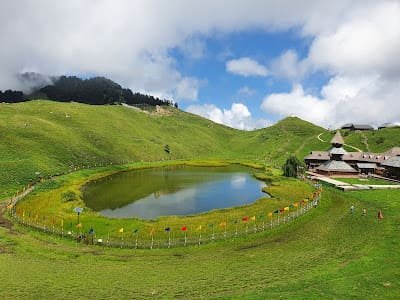
Prashar Lake Trek– A Scenic Himalayan Escape The Prashar Lake Trek is a beautiful and accessible adventure in…