
Difficult
Gaumukh Tapovan Trek
A pilgrimage-turned-trek to the source of the Ganga at the snout of the Gangotri Glacier, ending on a…
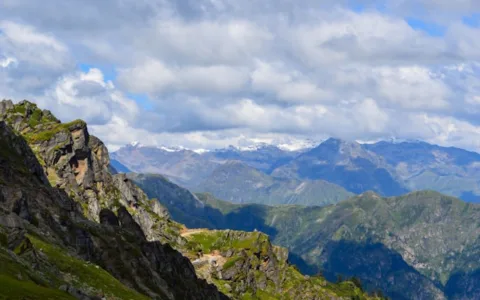
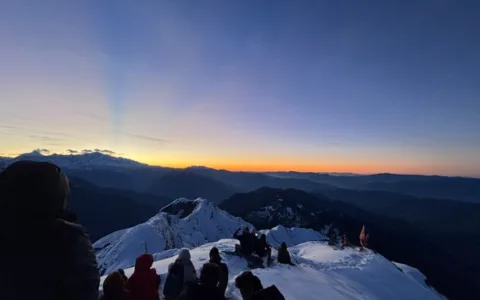
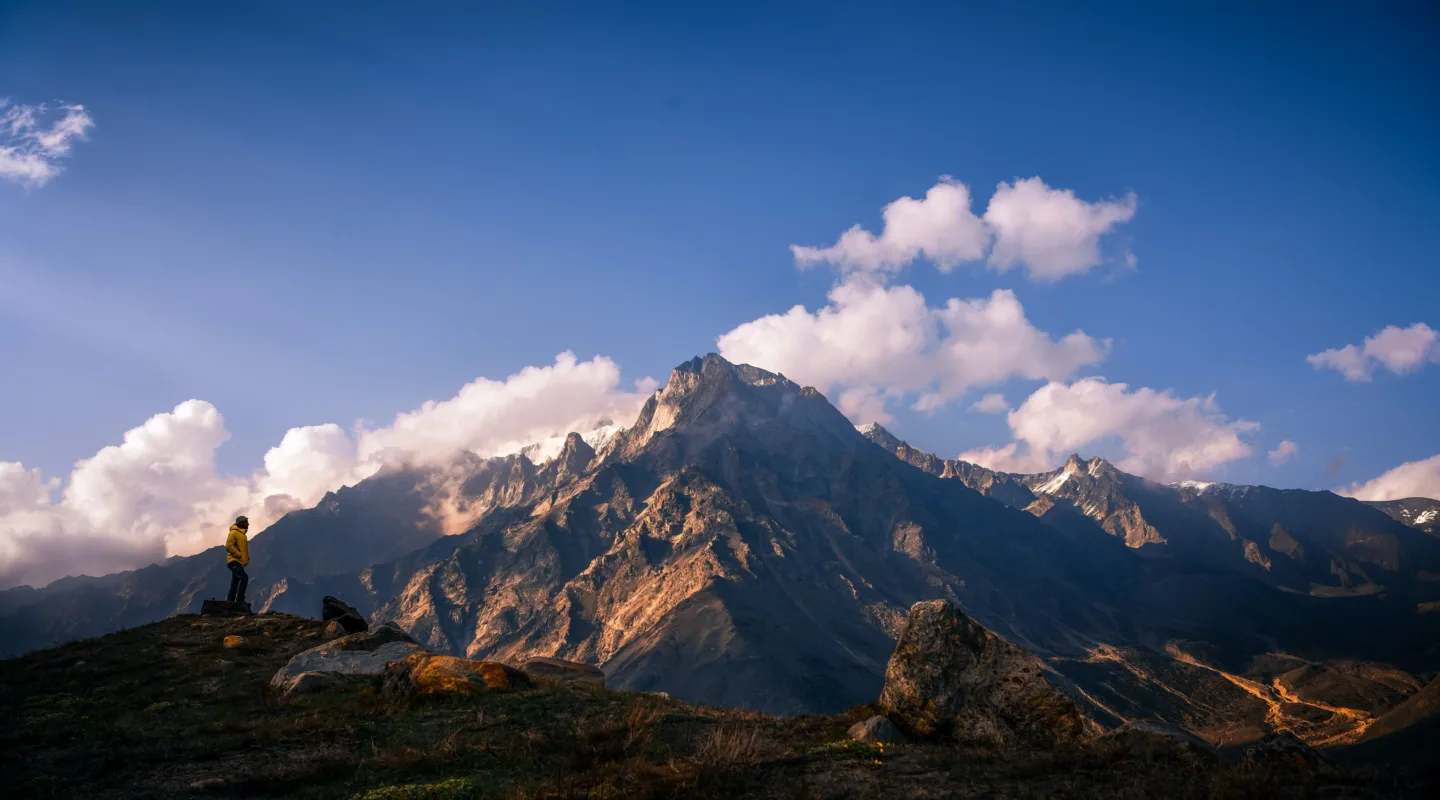
Kalindi Khal sits near the very top of the difficulty scale for treks attempted without formal mountaineering qualification in the Indian Himalaya — a genuine expedition-grade crossing linking two of Hinduism’s most sacred river sources, Gangotri and Badrinath, over a glaciated pass at roughly 5,940 metres. It is not a trek undertaken casually, and every reputable operator restricts it to trekkers with prior expedition experience, solid technical grounding, and a realistic understanding of what thirteen days above 4,000 metres actually demands.
The route begins by retracing the early stages of the Gaumukh Tapovan trail from Gangotri, following the Bhagirathi river to Bhojwasa and on to Gaumukh, the glacier snout marking the Ganga’s source. Where the standard pilgrim and trekking routes turn back or continue only to Tapovan, Kalindi Khal pushes on along the true Gangotri Glacier itself, entering territory that very few trekking groups attempt in any given season.
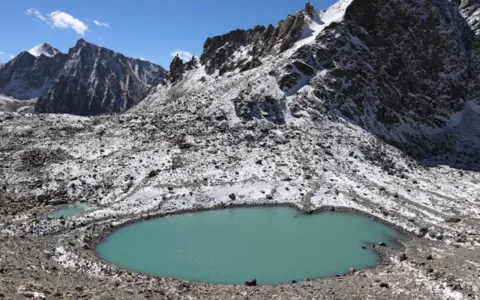
Vasuki Tal, a high alpine lake reached partway along this stretch, offers one of the trek’s more striking early rewards — a still, glacier-fed lake framed by Vasuki Parbat’s sheer rock face, camped beside in near-total isolation compared to the relatively higher traffic of the Gaumukh pilgrim trail below. From here, the terrain shifts decisively into genuine glacier travel, with crevasse-strewn ice, moraine fields, and increasingly thin air defining each subsequent day.
The approach to Kalindi Base Camp crosses a landscape with essentially no vegetation and no permanent human presence of any kind — this is high-altitude glacial wilderness in the most literal sense, and weather windows are watched extremely closely by expedition leaders, since a stable, multi-day forecast is essential before attempting the pass itself. The crossing of Kalindi Khal is typically the trek’s single longest and most demanding day: a pre-dawn start, roped glacier travel with full crevasse rescue protocols in place, and a sustained climb to the pass at nearly 5,940 metres before an equally long and technical descent on the far side.
What makes the crossing so significant, beyond its sheer physical demand, is the transition it represents — from the Ganga’s glacial source on one side to the beginnings of the Saraswati river and, eventually, the approach to Badrinath and the Alaknanda valley on the other. Few treks anywhere in the world link two river systems of such deep religious significance via a single glacier crossing, and this dual pilgrimage-mountaineering character gives Kalindi Khal a genuinely unique status among Himalayan expedition treks.
The descent toward Badrinath passes through increasingly greener, more populated terrain as the trek nears its conclusion, arriving eventually at one of the four sacred Char Dham temple towns, a poignant and deliberately symbolic endpoint after so many days spent in near-total glacial wilderness. This closing contrast — from ice and crevasse to temple bells and pilgrim crowds within the space of a single day’s descent — is something past trekkers consistently describe as one of the most powerful transitions of the entire experience.
Because of the sustained technical glacier travel, extreme altitude, total remoteness for multiple consecutive days, and complete absence of any rapid evacuation option around the pass itself, Kalindi Khal is recommended only for trekkers with genuine prior mountaineering or expedition-grade trekking experience, undertaken exclusively with expedition leaders carrying full technical glacier equipment and rescue capability.
Arrive at Gangotri (3,100m). Permit processing, equipment check, and briefing.
Trek along the Bhagirathi river through birch forest to Bhojwasa.
Visit Gaumukh and continue onto the Gangotri Glacier to the meadow of Nandanvan.
Trek to the alpine lake of Vasuki Tal, beneath Vasuki Parbat.
Rest and acclimatisation day, technical briefing for glacier travel.
Continue along glacial moraine towards Khara Pathar camp.
Trek across the glacier to the base camp directly below Kalindi Khal.
Weather contingency day before the pass crossing.
Pre-dawn technical crossing of Kalindi Khal (5,940m), descend to Arwa Tal on the Badrinath side.
Continue the descent through the Arwa valley to Ghastoli.
Trek down towards Mana, India's last village before the Tibet border.
Final descent to the temple town of Badrinath.
Drive from Badrinath towards Rishikesh/Haridwar for onward journey.
A pilgrimage-turned-trek to the source of the Ganga at the snout of the Gangotri Glacier, ending on a…
A dramatic high-altitude crossing linking Uttarakhand and Himachal, famous for its hanging villages, a near-vertical snow wall, and…
Often called the 'Mini Switzerland of India', this short trek combines the high-altitude Tungnath temple with a sunrise…