
Difficult
Bali Pass Trek
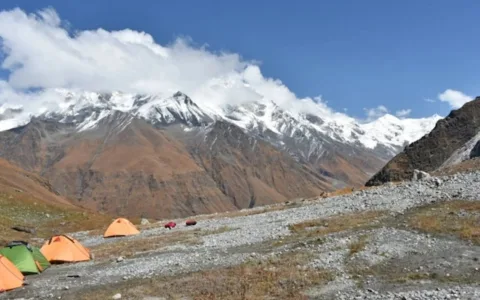
A challenging high-altitude crossing linking the Har Ki Dun and Yamunotri valleys, culminating in a steep, technical pass…
Nag Tibba, meaning “Serpent’s Peak” in the local Garhwali dialect, is named for a small temple near the summit dedicated to a local snake deity worshipped by villages in the surrounding valleys as a protector of livestock. At 3,022 metres, it’s a modest peak by Himalayan standards, but its combination of proximity to Dehradun and Mussoorie, a manageable two-day itinerary, and a genuinely wide summit panorama has made it, by a considerable margin, the most popular weekend trek in Uttarakhand.
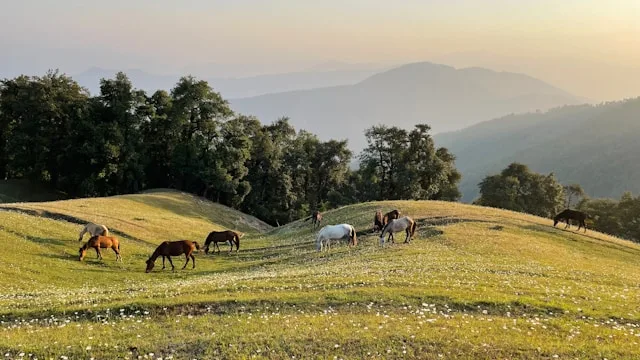
The trek begins at Pantwari village, roughly a three-hour drive from Dehradun, and climbs almost immediately into dense oak and rhododendron forest. This forest cover is a defining feature of the entire route — for most of the ascent, tall oak trees filter the light into a soft green, and the trail underfoot is often carpeted with fallen leaves and moss, a markedly different atmosphere from the more open, exposed trails typical of higher-altitude treks further into the interior Himalaya.
Base camp sits in a forest clearing roughly two-thirds of the way up, usually reached comfortably within four to five hours of trekking from Pantwari, leaving the remainder of the day free for rest or a short exploratory walk. Most itineraries schedule the final summit push for the following pre-dawn, timed to reach the ridge for sunrise — a popular choice given how dramatically the view changes with the first light catching the snow-capped ranges to the north.
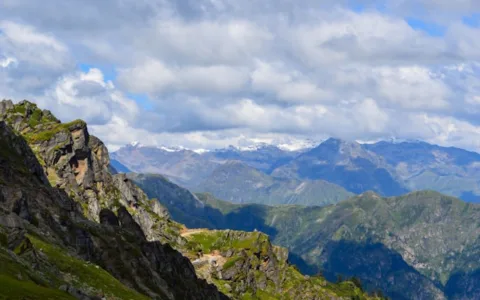
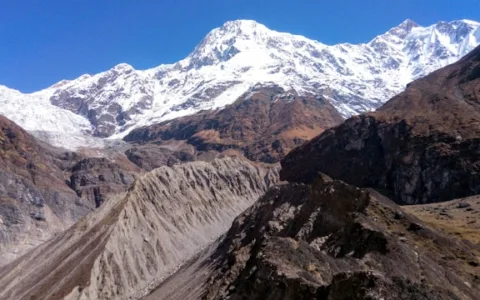
The summit ridge itself, though not technically demanding, delivers a genuinely disproportionate reward for the modest effort involved: uninterrupted views of the Bandarpoonch massif, the Gangotri range, and on especially clear days, glimpses towards Kedarnath and Chaukhamba far to the east. The small Nag Tibba temple sits just below the true summit, and it’s common practice among trekking groups, regardless of personal faith, to pause here briefly out of respect for local tradition before continuing to the highest point.
Because the entire round trip can be completed within a single long weekend from Delhi or Dehradun, Nag Tibba has become something of a proving ground for people testing whether Himalayan trekking suits them before committing to longer, more demanding routes — a trend actively encouraged by most trekking operators, who often recommend it as a first trek specifically because it delivers real high-altitude scenery and forest immersion without the sustained physical or logistical demands of a week-long expedition.
Winter turns the same trail into a snow trek from late December through February, with the summit ridge and surrounding forest under a light, manageable snow cover that adds a distinctly different character without requiring specialised mountaineering equipment — just sturdy boots and, on icier stretches, basic micro-spikes. Combined with its accessibility, this year-round versatility is a large part of why Nag Tibba remains the default recommendation for anyone in northern India looking for a genuine, if compact, taste of the high Himalaya.
Drive from Dehradun to Pantwari, trek through oak and rhododendron forest to base camp (2,600m).
Pre-dawn summit push to Nag Tibba (3,022m) for sunrise views, descend back to Pantwari and drive to Dehradun.
A challenging high-altitude crossing linking the Har Ki Dun and Yamunotri valleys, culminating in a steep, technical pass…
A dramatic high-altitude crossing linking Uttarakhand and Himachal, famous for its hanging villages, a near-vertical snow wall, and…
One of the oldest recorded trekking routes in the Kumaon Himalaya, following the Pindar river through traditional villages…