
Moderate
Kasol Grahan Trek
Kasol Grahan Trek – Explore the Hidden Trails of Parvati Valley If you’re looking for a trek that…
Mysterious Bir Rajgundha runs 5 days in Himachal Pradesh, graded Moderate, from Rs 11,500 per person.
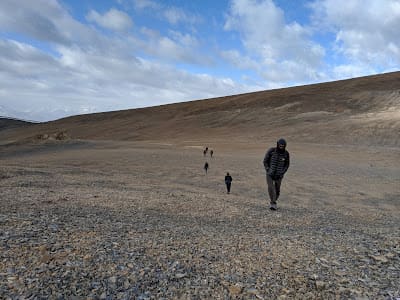
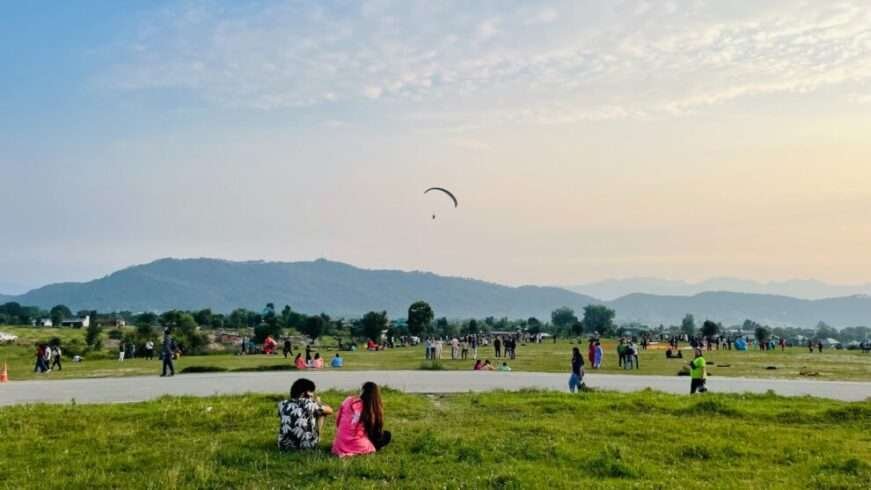
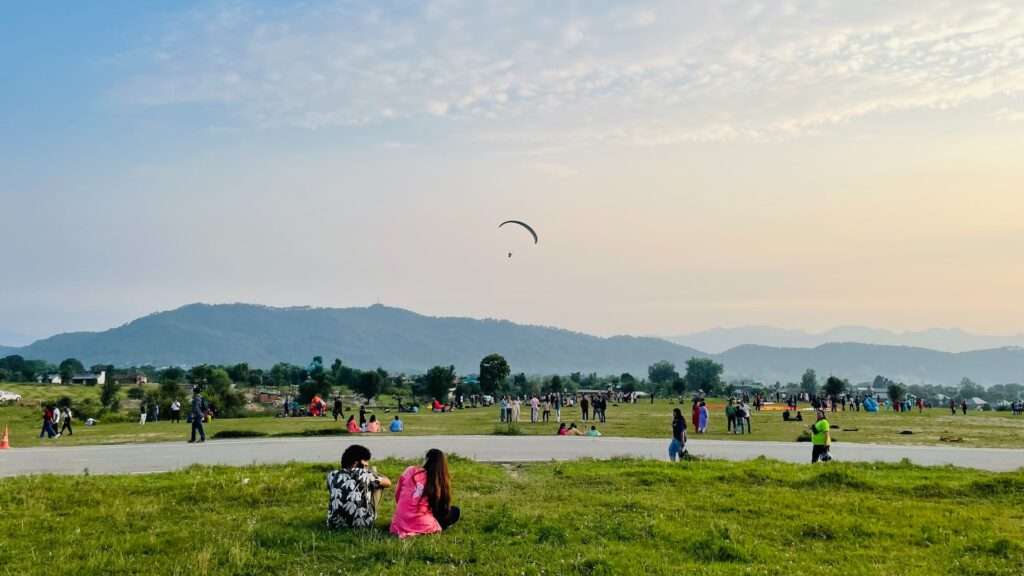
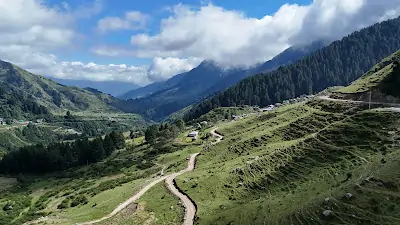
Enjoy panoramic views of lush green valleys, terraced fields, and the distant snow-capped peaks. Autumn (September to November): Autumn brings clear skies, pleasant temperatures, and the added beauty of the changing colors of the surrounding forests. Nestled in the lap of the Dhauladhar range, the Bir Rajgundha trek is a tapestry that weaves together the thrill of paragliding, the tranquility of Himalayan landscapes, and the cultural richness of Himachal Pradesh. Avoid Monsoon (July to August): Heavy rainfall during the monsoon can make the trekking trails slippery and paragliding challenging. Summer (April to June): Summer is a good time to visit Rajgundha when the weather is mild, and the trails are accessible. The tandem paragliding experience here offers a bird’s-eye view of lush landscapes and the majestic Dhauladhar range. The trek to Rajgundha begins from Bir, offering a gradual ascent through dense forests. Traverse through meadows and dense forests, witnessing the ever-changing landscapes. Immerse yourself in the unique blend of Tibetan and Himachali cultures that define the region. Paragliding Season in Bir: If paragliding is a significant part of your itinerary in Bir, check the paragliding season, which typically runs from March to June and September to November. Bir is renowned as the paragliding capital of India, and Billing serves as the take-off site. Explore the monasteries in Bir, including the Sherabling Monastery and Chokling Monastery. Camp at serene locations along the way, surrounded by the peaceful ambiance of the Himalayas. Conclude your adventure with a peaceful retreat in Rajgundha and a return to the vibrant energy of Bir. Monsoon (July to September): Similar to Bir, Rajgundha experiences moderate to heavy rainfall during the monsoon.
At this height the limit on the Mysterious Bir Rajgundha is fitness and heat rather than oxygen, which makes the descent the part people underestimate.
The published window for the Mysterious Bir Rajgundha is spring (March to June): Spring is a delightful time to visit Bir. Outside that window the Mysterious Bir Rajgundha becomes a different landscape rather than simply worse weather.
The Mysterious Bir Rajgundha assembles at McLeodganj, and the day numbering runs from that point. Reporting times and the exact pickup point for the Mysterious Bir Rajgundha are confirmed on booking.
The Mysterious Bir Rajgundha suits people who already walk but have not necessarily trekked, since its 5 days ask for stamina rather than skill. A fit beginner who prepares gets through the Mysterious Bir Rajgundha; someone treating it as a stroll does not. Solo travellers move inside a led group on the Mysterious Bir Rajgundha, so the pace is collective rather than personal.
Heat and sun are bigger risks than cold on the Mysterious Bir Rajgundha, so a cap, sunscreen and more water than feels necessary matter most. Footwear decides the day on the Mysterious Bir Rajgundha: loose stone and wet ground cause most slips, and a worn sole is the usual reason people struggle on the descent. Carry two litres of water each on the Mysterious Bir Rajgundha, a small first-aid kit, a head torch for pre-dawn walking, and food already tested on a training walk.
The main risks on the Mysterious Bir Rajgundha at this height are slips on wet sections and dehydration on exposed stretches, both prevented by steady pacing. A certified leader carries first aid and safety kit on the Mysterious Bir Rajgundha and reviews the forecast each morning, so the plan stays provisional until conditions are known. Travel insurance that covers trekking at this altitude is worth the small extra cost and is not part of the Mysterious Bir Rajgundha price.
The Rs 11,500 price of the Mysterious Bir Rajgundha covers accommodation on the itinerary, the listed meals, a certified leader with support crew, applicable permits and entry fees, and the safety equipment carried. Excluded from the Mysterious Bir Rajgundha are travel to the assembly point unless the itinerary says otherwise, personal kit and clothing, insurance, and anything the inclusions list does not name.
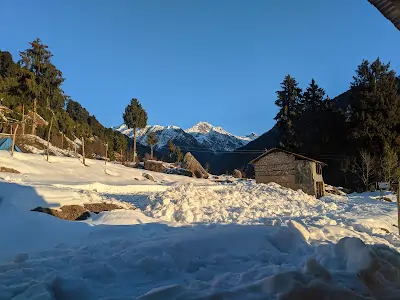
Whether you’re seeking the adrenaline rush of soaring above the skies or the peaceful retreat of a Himalayan village, this trek offers a harmonious balance. Experience the simplicity of mountain life and engage with the warm local community. Spring (March to June): Spring is a delightful time to visit Bir. Early Autumn (September): September offers a transition from monsoon to autumn, providing lush greenery and pleasant weather. Reach the quaint village of Rajgundha, where time seems to slow down. Dive into the thrill of paragliding, soaring above the landscapes with an experienced pilot. Begin your journey in Bir, experiencing the thrill of paragliding and exploring the vibrant culture. Ideal for paragliding enthusiasts as the thermal currents are favorable during this season. The trail is adorned with rhododendron blooms, creating a vibrant backdrop. Late Spring (May to June) for Wildflowers: Late spring is the time when the alpine meadows come alive with vibrant wildflowers, adding to the visual appeal. Local Festivals: Check for local festivals or events in both Bir and Rajgundha, as they can offer a unique cultural experience. So, lace up your boots, spread your wings, and let the Himalayas unfold their magic as you embark on this unforgettable journey through Bir Billing and Rajgundha. Pleasant weather for trekking and exploring the natural beauty of Rajgundha. Summer (March to June): Daytime temperatures range from 15°C to 25°C. Summer (April to June): Moderate temperatures ranging from 10°C to 20°C. Rajgundha may be covered in snow during the winter months, offering a different and serene experience.
Browsing by region or activity is often faster than reading individual pages, so start with Himachal Pradesh. The closest alternatives to the Mysterious Bir Rajgundha are Mcleodganj Triund Trek, Bhrigu Lake Trek and Beas Kund Trek, which suit anyone comparing dates or a slightly different grade.
Nestled in the lap of the Dhauladhar range, the Bir Rajgundha trek is a tapestry that weaves together the thrill of paragliding, the tranquility of Himalayan landscapes, and the cultural richness of Himachal Pradesh. This blog unfolds the layers of this trek, offering a journey that transcends both adrenaline and serenity.
Overview of Bir Billing:
Adventurous Soar Above the Skies:
Cultural Exploration:
Trek Commences from Bir:
Scenic Landscapes and Serene Campsites:
Rajgundha Village:
Ideal Itinerary
Conclusion:
The Bir & Rajgundha trek is a symphony of adventure and serenity, blending the thrill of paragliding with the tranquility of Himalayan landscapes. Whether you’re seeking the adrenaline rush of soaring above the skies or the peaceful retreat of a Himalayan village, this trek offers a harmonious balance.
So, lace up your boots, spread your wings, and let the Himalayas unfold their magic as you embark on this unforgettable journey through Bir Billing and Rajgundha.
The Mysterious Bir Rajgundha runs for 5 days. The day-by-day itinerary above lists each stage, walking distance and overnight stay.
The Mysterious Bir Rajgundha is rated Moderate by WDRLUST. It suits trekkers with some prior walking experience and steady fitness. Training with 45 to 60 minutes of cardio three times a week for six weeks before departure is enough for most people.
The Mysterious Bir Rajgundha starts at Rs 11,500 per person. The price covers the inclusions listed on this page. Transport to the starting point, personal gear and anything not listed under inclusions are extra.
The Mysterious Bir Rajgundha starts from the base location described in the itinerary above. WDRLUST shares exact meeting points, reporting times and transport options on booking confirmation. The nearest major access region is Himachal Pradesh.
Yes. Solo travellers join a led group, so you are never walking alone. Trek leaders carry a first-aid kit and oxygen where the altitude requires it, and the team tracks weather daily.
Bir sits in the Kangra valley with the Dhauladhar rising behind it, and Rajgundha is the village across a ridge beyond Billing. The five-day format strings together the walk, the paragliding capital of India, and a stay in a village that is still mostly farming.
The trek fee is Rs 11,500 per person:
Expect Rs 26,000 to Rs 34,000 all-in. The Gaggal flight is convenient when it works and a nuisance when it is cancelled, which is often enough to plan for.
Rated Moderate. The walking is 8 to 10 km a day with moderate gain, on forest trails and village paths, and there is one ridge crossing between Billing and Rajgundha that is the steepest part.
The terrain is foothills rather than high mountains, so the altitude is not a factor. What makes it feel like work is the daily distance combined with the heat in the valley in May and June.
The Dhauladhar foothills get heavy monsoon rain, and the forest trails between Bir, Billing and Rajgundha turn to mud. Leeches are present on the wooded sections. The ridge crossing becomes slippery on the descent.
The Kangra valley road and the Gaggal airport approach are generally reliable, but the Mandi and Kullu stretches on the way from Delhi are slide-prone in July and August. If you fly into Gaggal, cancellation risk is the main issue in monsoon.
Fly to Delhi then Gaggal, or take the overnight bus to Bir, walk the five days, and return. That is seven or eight nights away. If you want to paraglide, add a day at the front of the trip — it is weather-dependent, so a spare day is realistic planning rather than pessimism.
Explore related pages: All treks in Himachal Pradesh · Browse all destinations · All activities.
n
n
n
n
n
n
n
n
n
n
n
n
n
n
n
n
Kasol Grahan Trek – Explore the Hidden Trails of Parvati Valley If you’re looking for a trek that…
Conquer the Heights of Spiti Valley If you’re craving a high-altitude adventure, the Kanamo Peak Trek is an…
Nestled amidst the undulating landscapes of Karnataka, Shivaganga Hill stands as a timeless symbol of natural beauty and…