

Moderate

Kasol Tosh Grahan
Kasol Tosh Grahan Just a short trek away from Kasol lies the picturesque village of Tosh, perched on…
Susunia Hill Trek runs 2D/1N from Kolkata, graded Easy, from Rs 3,200 per person. Route: Kolkata – Bankura – Chhatna – Susunia Hill – Gandheswari river – Susunia village – Kolkata.
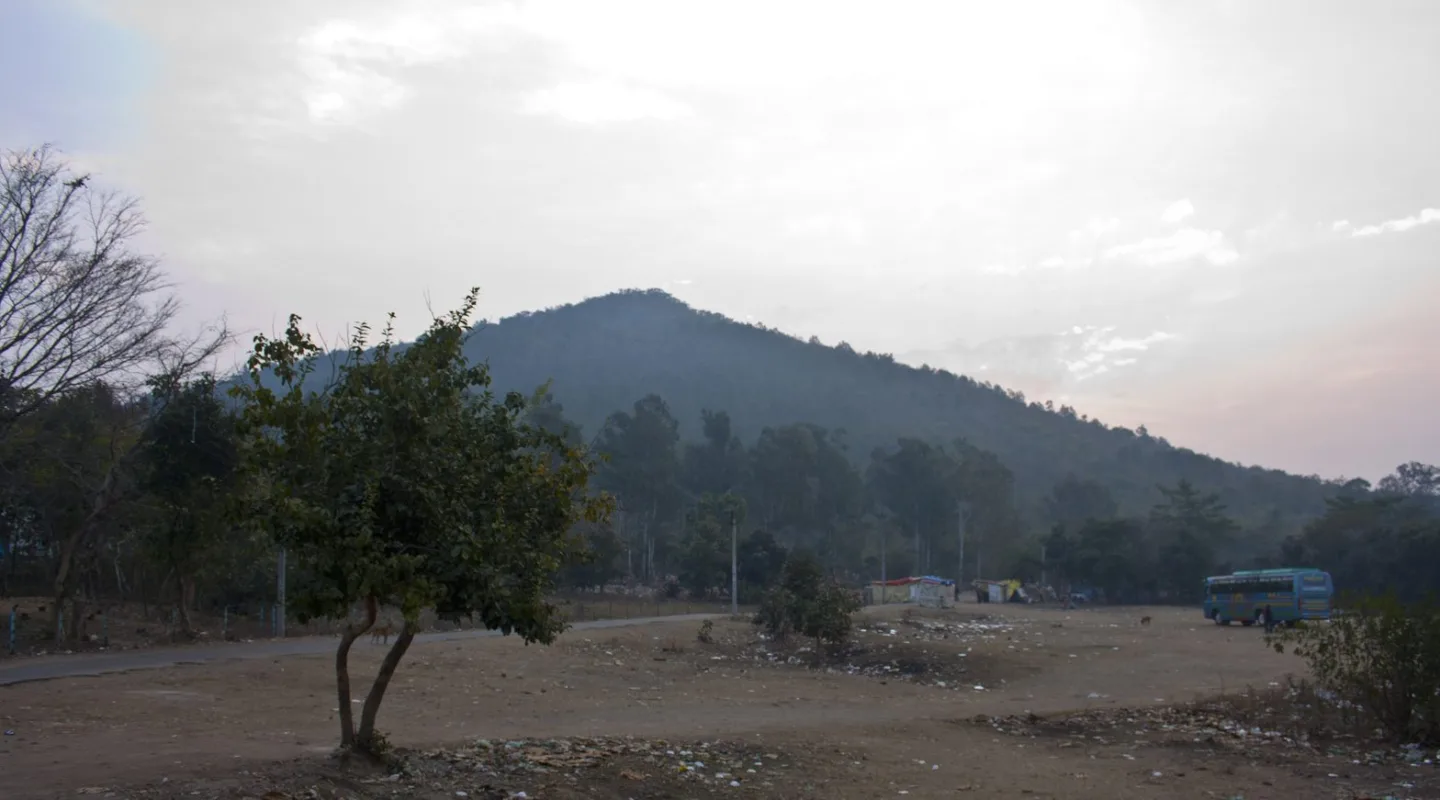
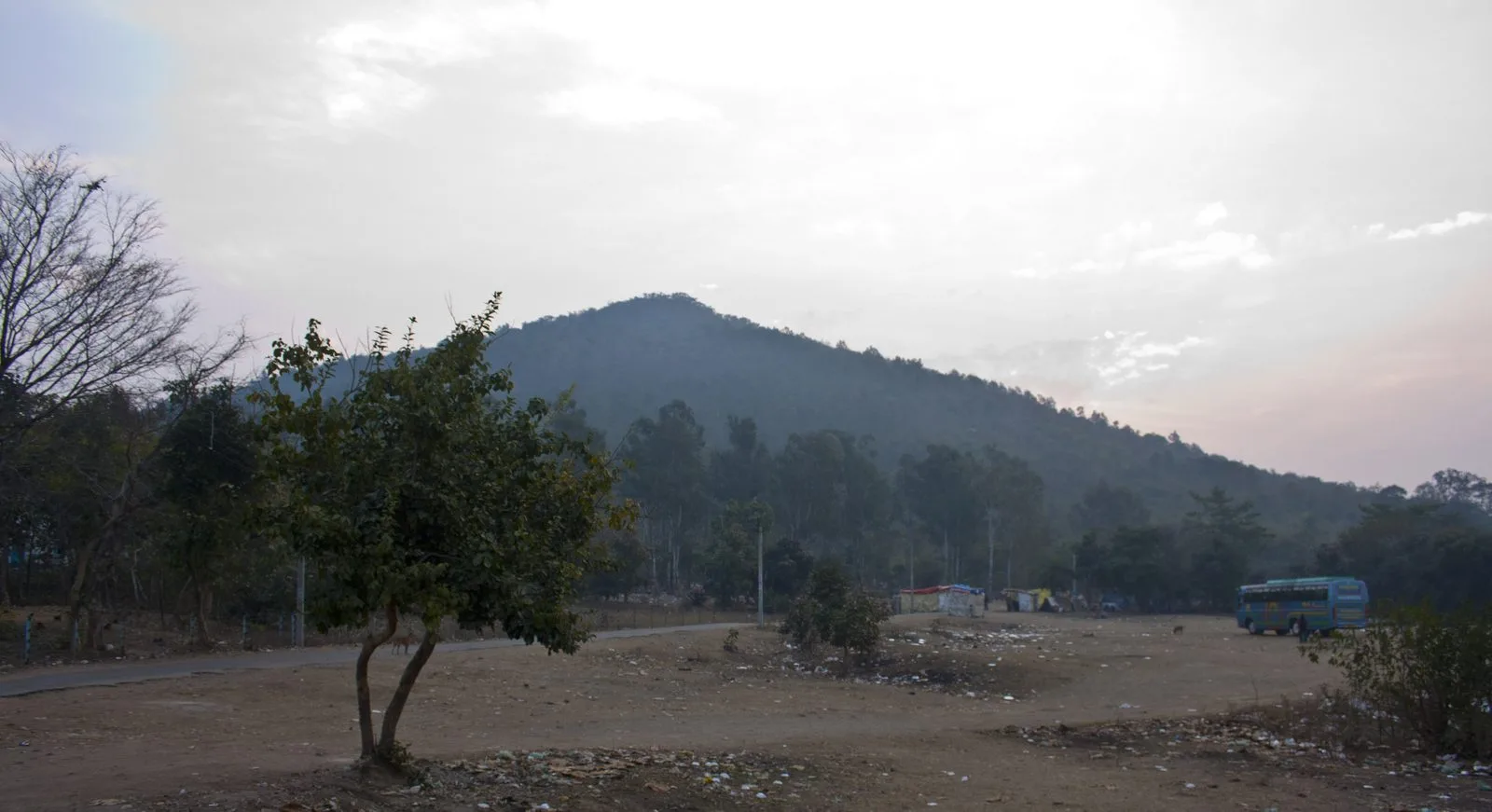
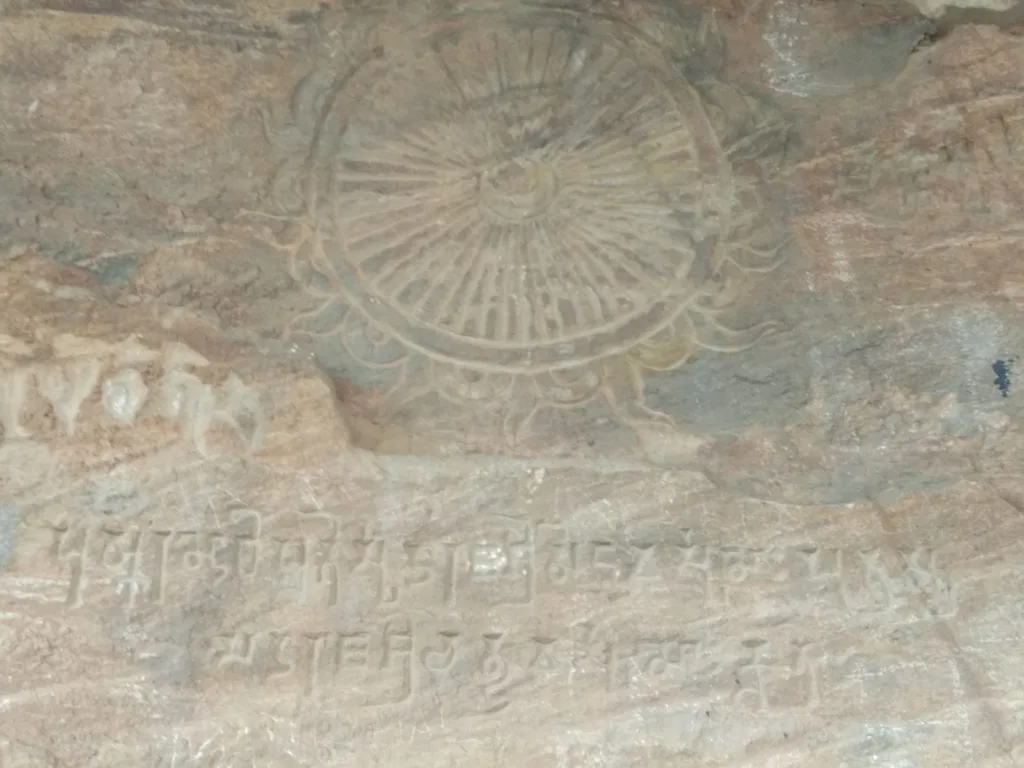
Susunia is a low granite hill on the edge of the Chhota Nagpur plateau, rising out of the red-earth farmland of Bankura district to about 440 metres, and the walk up it is short. What makes it worth a weekend is not the climb but what is on it: the oldest rock inscription in Bengal, carved into a boulder near the base, and a hill that has been quarried, painted, photographed and written about for more than a century. This is a trek for people who like walking through history rather than above it.
West Bengal outside the Sundarbans and the Himalaya is the part of the state most travellers never see, and Bankura sits in the middle of it. The district is named for the Bankura horse, the terracotta votive that became a symbol of Bengali folk art, and the countryside around Susunia is where much of that craft tradition comes from. The West Bengal destination guide covers the wider region, but Susunia is its own thing: a single granite outcrop in flat farmland, with springs at its foot and a river curling round it.
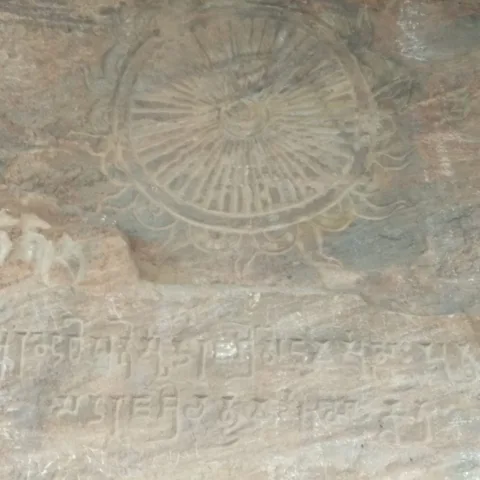
Geologically the hill is part of the same Archaean granite belt that runs through Bankura and Purulia, and the rock has been worked for centuries, with quarry scars visible across the northern face. The archaeological record here is genuinely old: the Chandravarman inscription, carved in the fourth century in Brahmi and Sanskrit, records a Pushkarana king and is among the earliest evidence of a named ruler anywhere in Bengal. It sits behind a fence, a short walk from the trailhead, and is usually the first stop of the day.
Day one starts from the village at the foot of the hill. The trail to the Chandravarman inscription is flat and takes about fifteen minutes, and from there the climb begins on a path of broken granite and steps cut where the slope is steepest. The gradient is steady rather than brutal, and the whole ascent to the main viewpoint takes under an hour at an easy pace.
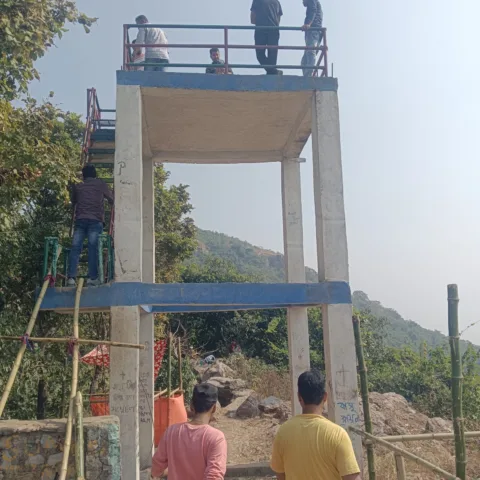
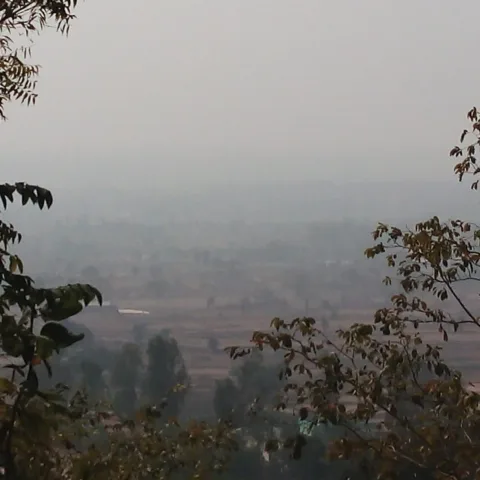
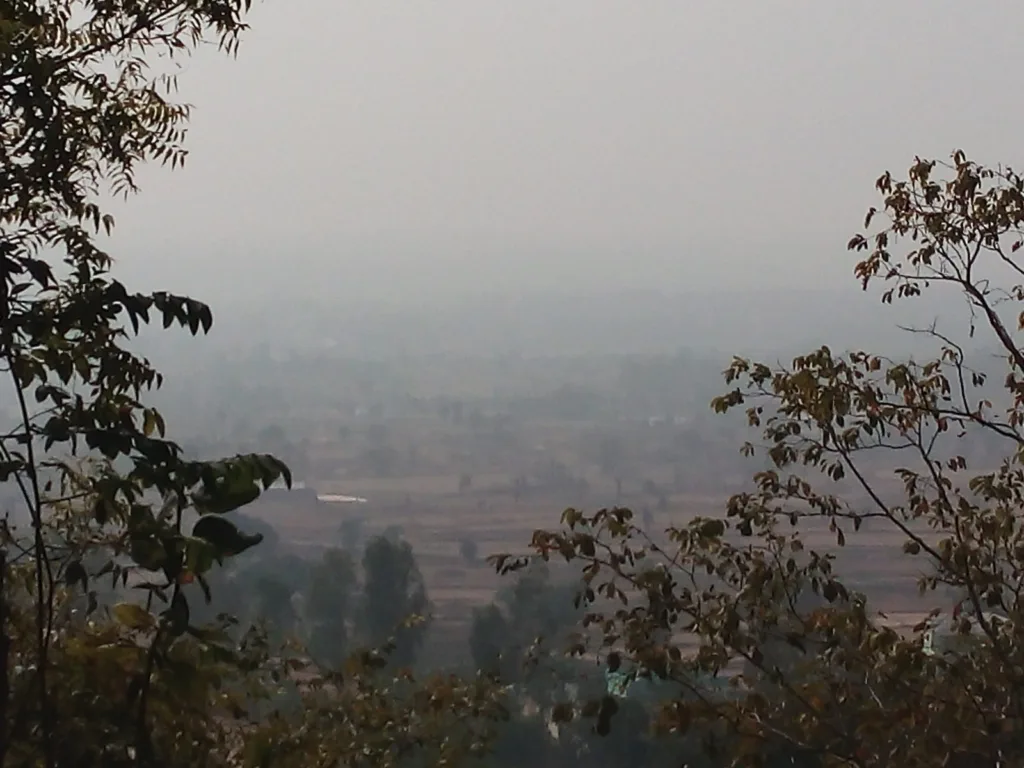
The top is a bare granite plateau with a small temple and a flagged area where the wind is constant. The view is the point: flat farmland in every direction, the Gandheswari river to the south, and on a clear day the outline of distant hills towards Purulia. The descent goes down the same way, or by a slightly longer loop on the western side if the group is comfortable on loose rock.
Day two is the gentler half. You walk down to the Gandheswari, a seasonal river that flows properly after the monsoon and reduces to pools in the dry months, and follow it for a stretch before cutting back through the villages. The route passes a spring at the base of the hill that is used locally, and the morning is spent on flat ground through paddy and sal scrub rather than on the hill itself. Lunch in Bankura town on the way home, and back to Kolkata by evening.
This suits anyone who can manage an hour of uphill walking on rock. It is the easiest overnight trek on our West Bengal list, and it works well for people who want to be outdoors without a demanding day, for families with children over about ten, and for anyone travelling in Kolkata who wants a weekend out of the city.
It does not suit people looking for altitude, wilderness or a long route. The hill is small, the villages are close, and the trailhead is a road. What it offers instead is a genuinely old archaeological site, a quiet rural landscape, and a hill you can walk up in the morning and be back from by lunchtime.
The Rs 3,200 covers return transport from Kolkata, one night at a guesthouse in Bankura or near Susunia on twin and triple sharing, breakfast on both days and dinner on day one, a local guide, and entry where a ticket applies. GST at 5%, lunches, insurance and anything not listed under inclusions are extra. The drive from Kolkata is the largest cost component on this trip, which is why the price sits where it does for a relatively short walk.
October to March is the window. The weather is dry, the views from the summit are clear, and the walk along the Gandheswari is comfortable. July to September is the monsoon, when Bankura gets heavy rain, the granite is slick and the river is high, which closes parts of the day two route. April to June is hot and humid, and the bare rock makes the climb unpleasant after mid-morning.
Graded Easy. The climb is about 440 metres of elevation over less than an hour, on a path of broken granite and cut steps. There is no scrambling, no exposure and no technical ground. Day two is flat walking along the river and through villages. It is one of the least demanding overnight treks we run.
The hill rises to roughly 440 metres above sea level, standing perhaps 150 metres above the surrounding farmland. The ascent takes under an hour at an easy pace, the summit circuit is short, and day two adds about six kilometres on flat ground. Total walking across the weekend is around ten kilometres.
Yes to both. It is short, technically simple and guided throughout, which makes it a good first overnight trek, and the group format means a solo traveller is never walking an unfamiliar hill alone. Families with children over about ten also manage it comfortably. The guesthouse is shared, which suits the group format.
A guesthouse in Bankura town or near Susunia, on twin and triple sharing, with hot water and simple meals. There are no hotels on the hill itself and no accommodation at the summit; the properties used are basic and locally run, which is part of the character of the district rather than a compromise.
Mobile coverage is good in Bankura town and around Susunia village, and weakens on parts of the hill and along the river. No permit is required: Susunia is not a protected forest area in the way that a national park is, and the inscription site is open to visitors during daylight hours. The trip includes a local guide rather than a forest permit.
Susunia Hill stands in Bankura district, roughly 230 km northwest of Kolkata, at about 440 m. WDRLUST runs it as a two-day trip with Friday departures, built around the Chandravarman inscription, the granite summit and the Gandheswari river.
The trip price is Rs 3,200 per person:
Plan on Rs 3,700 to Rs 4,400 all-in. The drive is what you are paying for; the walking itself is short and free.
About ten kilometres across the two days. Day one is four to five kilometres with roughly 150 m of gain on the hill itself; day two is six kilometres of flat river and village walking. The summit plateau circuit is under a kilometre.
The distance is modest; the surface is the consideration. Susunia’s granite path is loose in places and worn smooth where generations of feet have passed, so footwear with an actual tread matters more than fitness does.
Bankura sits in the dry western part of West Bengal, and it gets less rain than the delta but more heat. The monsoon arrives in June and runs to September, and the district can flood along the Gandheswari in a heavy year. Outside that window the hill is dry, the rock is dusty, and the summit is exposed to sun and wind with no tree cover.
The standard shape is a morning departure from Kolkata, arrival in Bankura district around midday, the inscription and the climb in the afternoon, a guesthouse night, the river walk on the second morning, lunch in Bankura town and a Kolkata return by evening. That is a genuine two-day trip rather than a day trip stretched, and it is the shortest overnight trek we run from the city.
Explore related pages: All trips in West Bengal · Browse all destinations · All activities · West Bengal destination guide · Hiking in India.
Photo credits. Photographs on this page are from Wikimedia Commons and are used under the licences listed below. Each image is credited to its photographer; the licence terms apply to reuse of the image.

Kasol Tosh Grahan Just a short trek away from Kasol lies the picturesque village of Tosh, perched on…
Anamudi peak trek in Munnar, Kerala, 3D/2N. Eravikulam National Park, Rajamala and the 2,695 m summit of South…
A 9-day winter road trip from Delhi through Chitkul, Tabo, Kaza and Kalpa, with frozen rivers, snow-covered villages…