
Moderate

Mcleodganj Triund Trek
Mcleodganj Triund Trek If you're seeking an enchanting trek in the heart of Himachal Pradesh, the McLeodganj Triund…
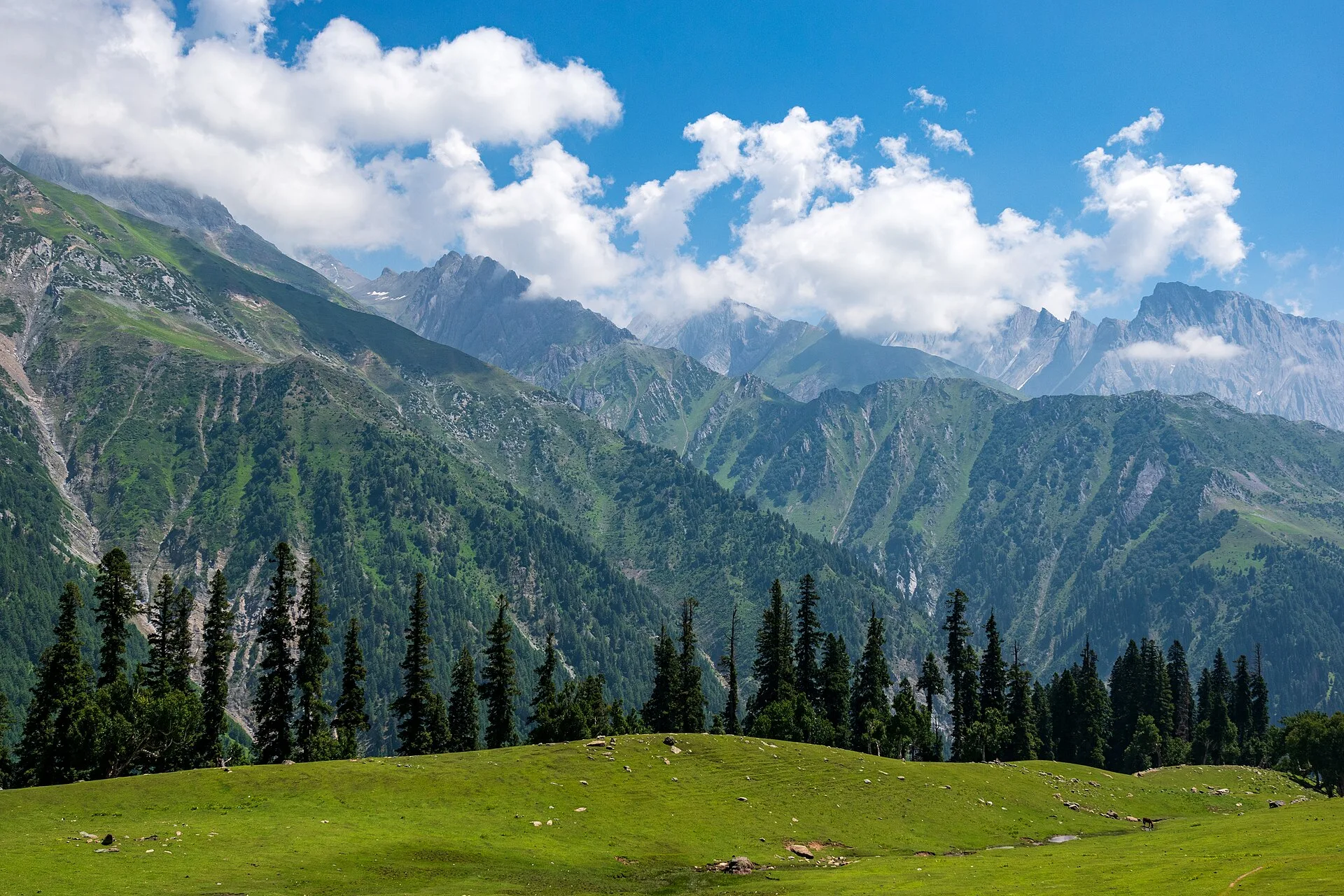
The Kashmir Road Trip runs 6N/7D from Srinagar, graded Easy, from Rs 19,500 per person. Route: Srinagar – Gulmarg – Pahalgam – Sonamarg – Srinagar.
This is a driving trip through the Kashmir valley, built around four places that sit within a few hours of each other and are best seen by road. The valley is a broad, flat-floored basin between the Pir Panjal range to the south and the Great Himalayas to the north, drained by the Jhelum, and the road network follows the river and its side valleys. Srinagar sits at its centre on Dal Lake, and Gulmarg, Pahalgam and Sonamarg sit in the side valleys that run off it.
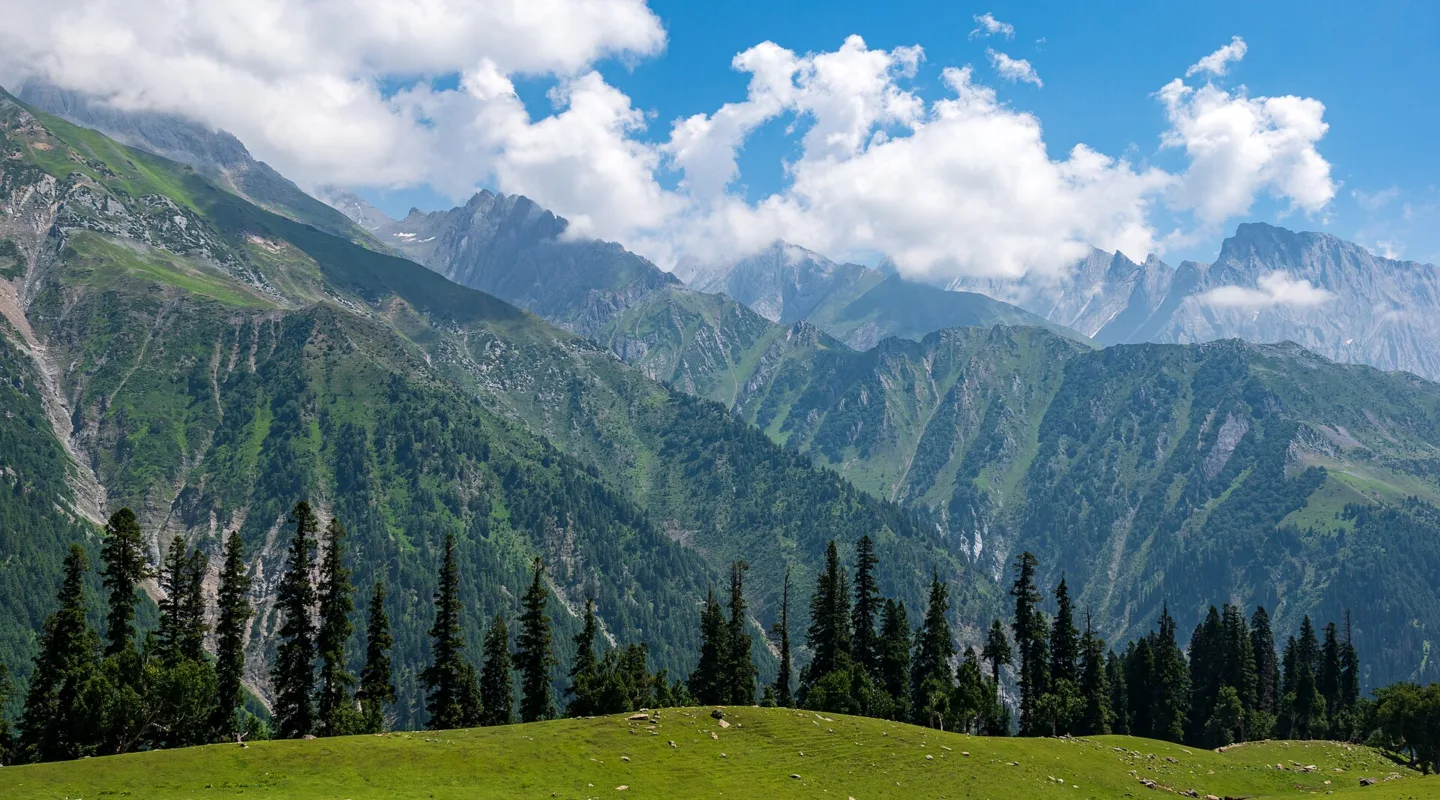
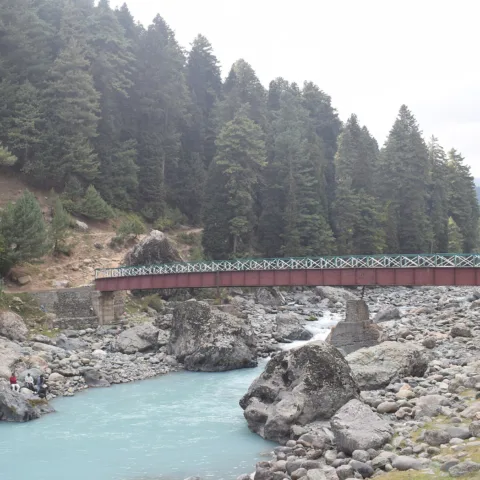
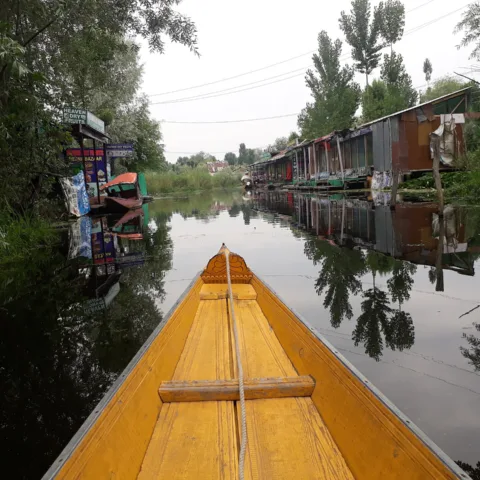
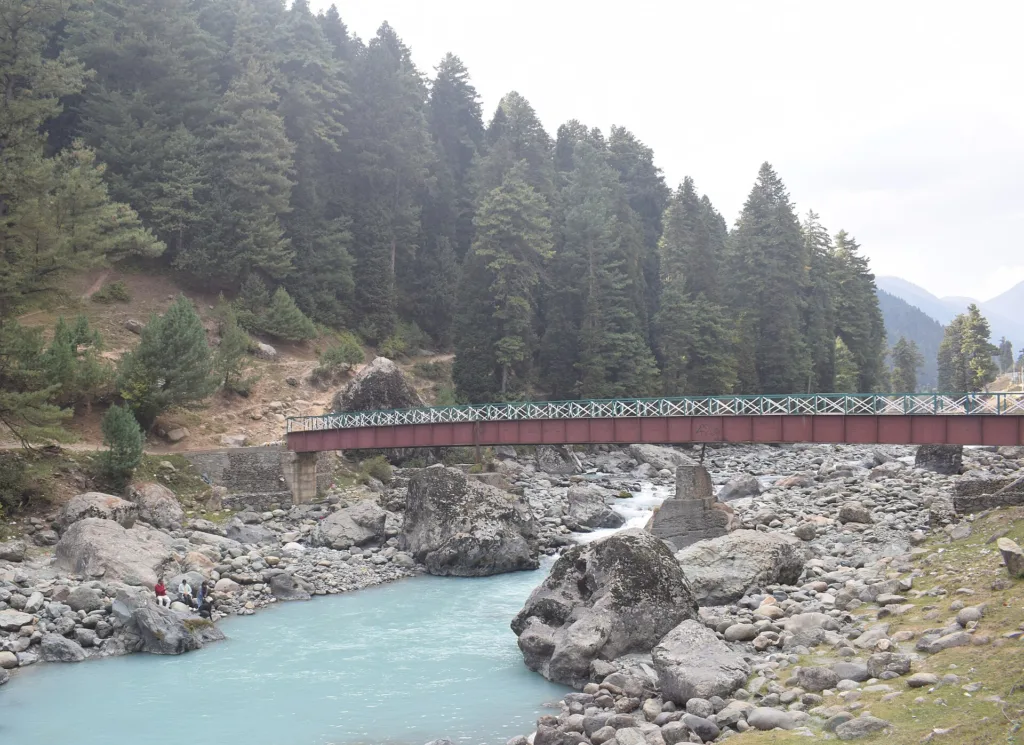
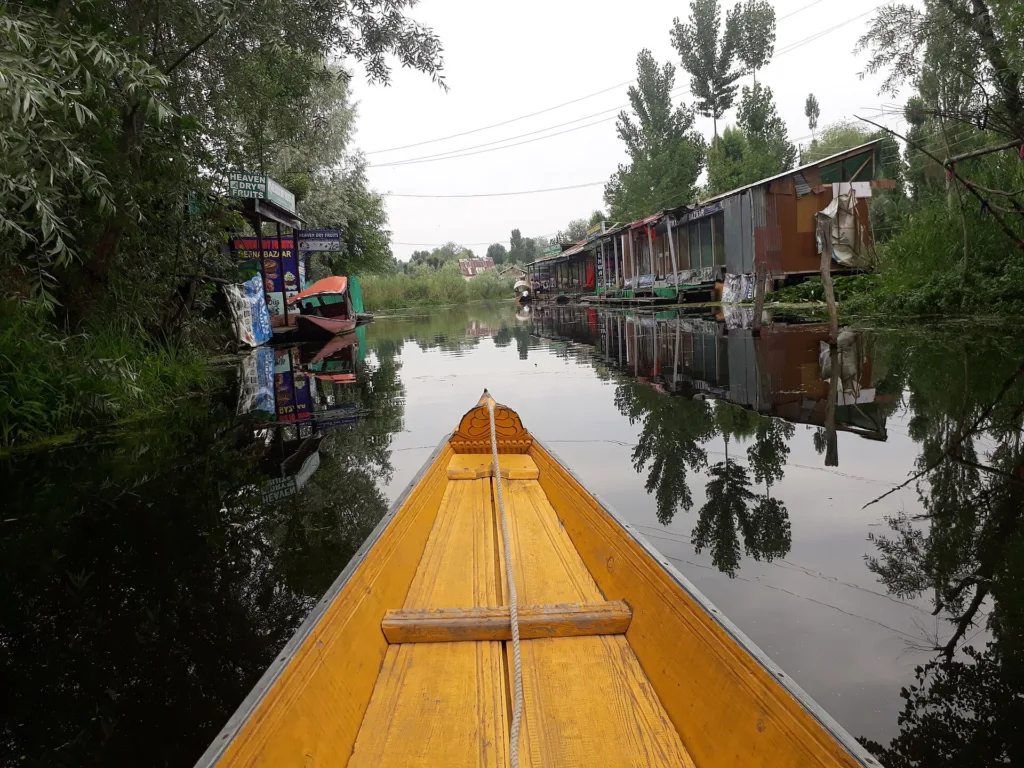
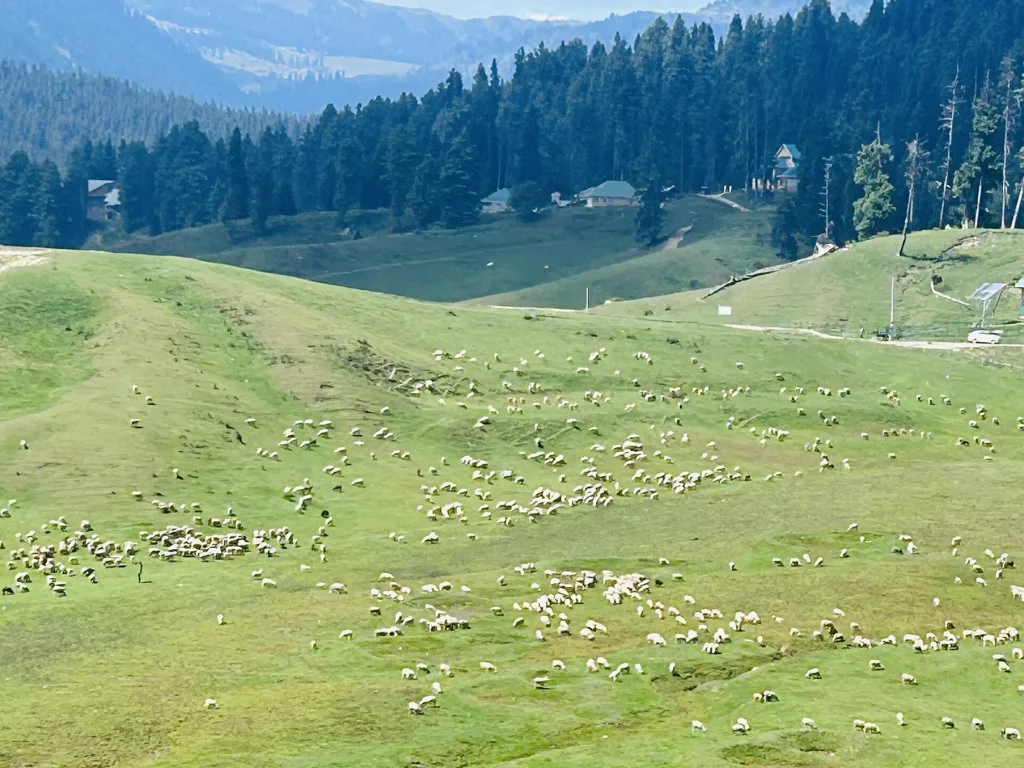
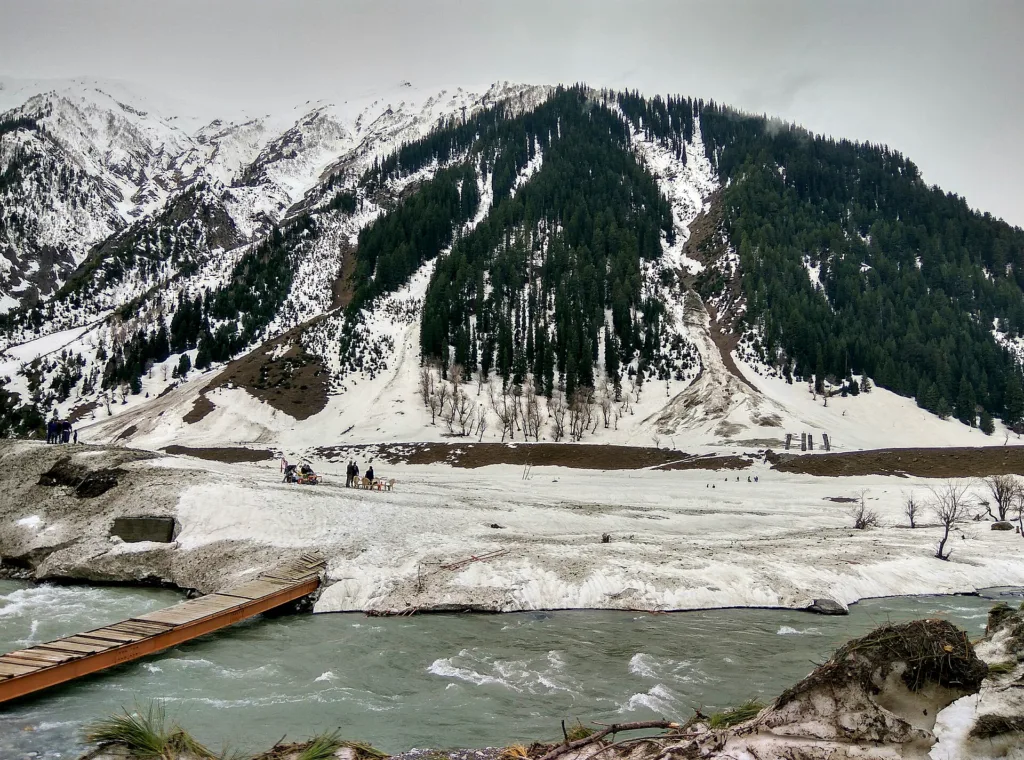
Each of the four has a different character. Srinagar is a city of water: Dal Lake is worked by shikara boats, and the old town around the Jhelum has wooden architecture and the Jamia Masjid. Gulmarg, at around 2,730 metres, is a meadow resort in the Pir Panjal with a gondola that runs up to Kongdoori, and in winter it is one of the few places in India with lift-served skiing. Pahalgam sits at the head of the Lidder valley, where the river runs clear over boulders and the Betaab valley and Aru are short drives beyond. Sonamarg, at around 2,740 metres, is the meadow of gold at the mouth of the Sindh valley, and the Thajiwas glacier is a walk or a pony ride from the road head.
The history of the valley is layered and worth knowing before you drive it. Kashmir was a centre of Sanskrit learning and Shaivism before the medieval period, then the seat of the Mughal governors, who built the gardens around Dal Lake that still define the city’s waterfront. The Mughal road over the Pir Panjal, now largely replaced by the Banihal tunnel on the national highway, was the old route between the valley and the plains. The economy of the valley is still agricultural: rice, apples and, around Pampore, saffron, which is grown on the karewa terraces above the Jhelum. You can see the wider region on our destinations page.
Day one is arrival in Srinagar and an evening on Dal Lake by shikara. Day two is the Mughal gardens and the old city. Day three is the drive to Gulmarg and the gondola. Day four is the drive to Pahalgam by way of Awantipora and Pampore. Day five is the Lidder valley, Betaab and Aru. Day six is the drive to Sonamarg and the Thajiwas glacier. Day seven is the return to Srinagar and departure.
The driving is the trip, and the distances are modest but the roads are slow. Srinagar to Gulmarg is about 50 kilometres, Srinagar to Pahalgam about 90, and Srinagar to Sonamarg about 80. Each is a half day on hill road with sharp bends and army checkpoints, so all transfers are done in daylight and no day has more than one long drive.
This trip suits travellers who want the valley at a measured pace rather than a checklist, and who are happy to spend a good part of each day in a vehicle. There is no trekking, and the altitude at the highest overnight stop is around 2,700 metres, which most people manage without difficulty. It works well for couples, families with older children, and small groups of friends. It is less suited to anyone who wants long walks or high passes.
The price covers six nights of accommodation on twin sharing across Srinagar, Gulmarg, Pahalgam and Sonamarg, breakfast and dinner on all days, a private vehicle with a driver for the whole circuit, the airport transfers both ways, the shikara ride on Dal Lake, and a trip captain throughout.
The valley is at its most accessible from May to October, when the passes are clear and the meadows are green, and again in winter for Gulmarg, when the resort runs on snow. This itinerary is built for the green season, since it depends on the Pahalgam and Sonamarg roads being open. Departures outside that window are arranged as private trips and may be rerouted.
It is graded easy. The highest overnight stop is Gulmarg or Sonamarg at around 2,700 metres, which is low enough that most travellers feel nothing beyond a little breathlessness on the first night. There is no trekking, and the walking is limited to the meadows, the gardens and the old city lanes.
A basic level. The trip is a driving circuit, and the physical demands are short walks at the gardens, the meadows and the Thajiwas glacier path. If you can walk for two or three hours with breaks, you are fit enough. The Thajiwas walk can be done on a pony if you prefer.
Yes. Shared accommodation on twin sharing, a trip captain throughout and communal meals make it easy for solo travellers, and the group format means you are never on your own unless you want to be. Couples and families also fit well, and the small group size keeps the vehicle comfortable.
Six nights on twin sharing: hotels and guesthouses in Srinagar, Gulmarg, Pahalgam and Sonamarg, chosen for location and heating rather than for luxury. Rooms have attached bathrooms and hot water. Singles who want a room to themselves can pay a single supplement, subject to availability in the peak season.
Indian citizens need no permit for Srinagar, Gulmarg, Pahalgam or Sonamarg. Foreign nationals need a standard tourist visa, applied for before travel. Mobile coverage in Srinagar is good, but it weakens on the Gulmarg and Sonamarg roads and is unreliable in the meadows. Treat the driving days as partly offline and download what you need in advance.
Explore related pages: All trips in Kashmir · Browse all destinations · All activities · Srinagar and the Kashmir valley destination guide · Trekking in India.
Photo credits. Photographs on this page are from Wikimedia Commons and are used under the licences listed below. Each image is credited to its photographer; the licence terms apply to reuse of the image.
Mcleodganj Triund Trek If you're seeking an enchanting trek in the heart of Himachal Pradesh, the McLeodganj Triund…
Hampta Valley Snow Trek Winter transforms Hampta Valley into a breathtaking wonderland, where nature's beauty is on full…
Chhath Puja Bihar tour, 3N/4D from Patna, graded Easy, from Rs 6,800. The four-day Sun worship on the…