
Easy

Kheerganga Trek From Delhi
Exploring Kheerganga Trek From Delhi Introduction: Nestled in the heart of the Parvati Valley, the Kheerganga trek beckons…
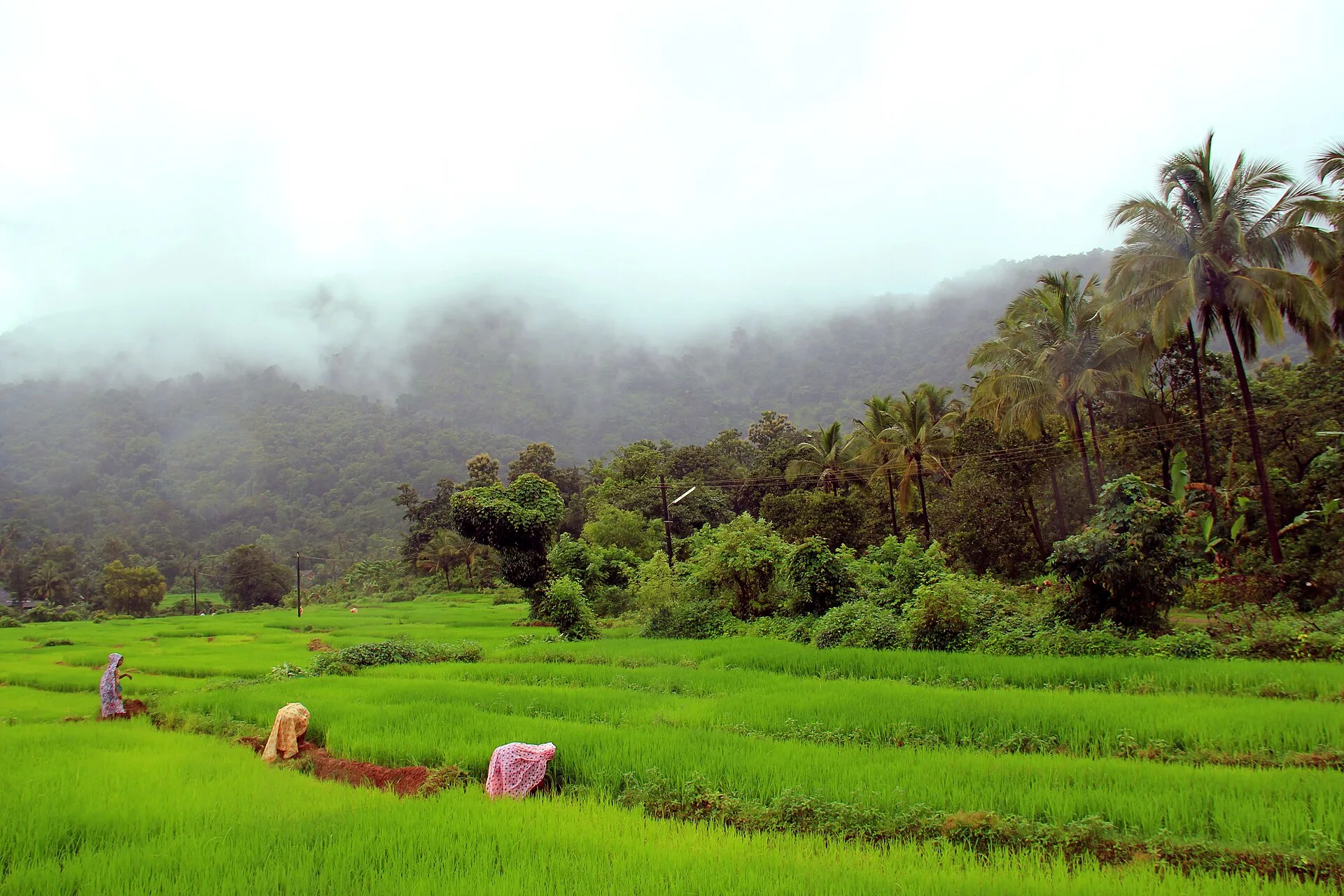
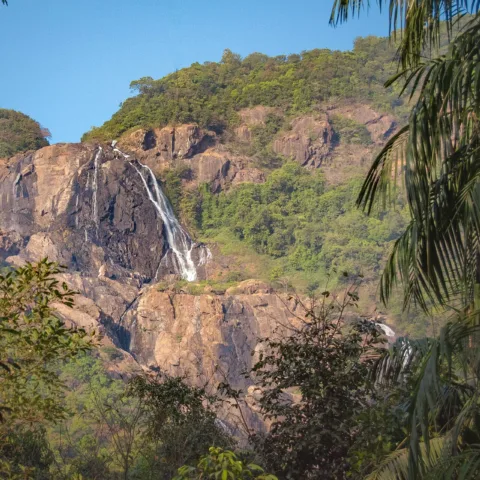
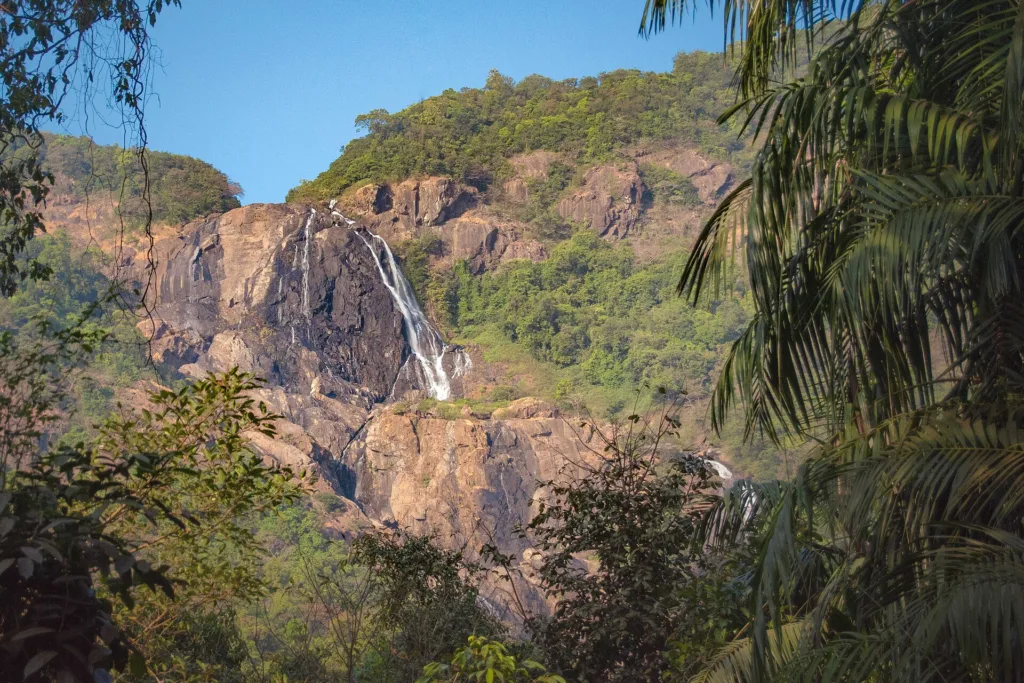
The Netravali Waterfall Trek is a 2-day, 1-night easy trek in Goa priced from Rs 3,600 per person, running Panaji to Netravali village, the Budbudyanchi Tali bubbling lake, then the Mainapi and Savri waterfall trails.
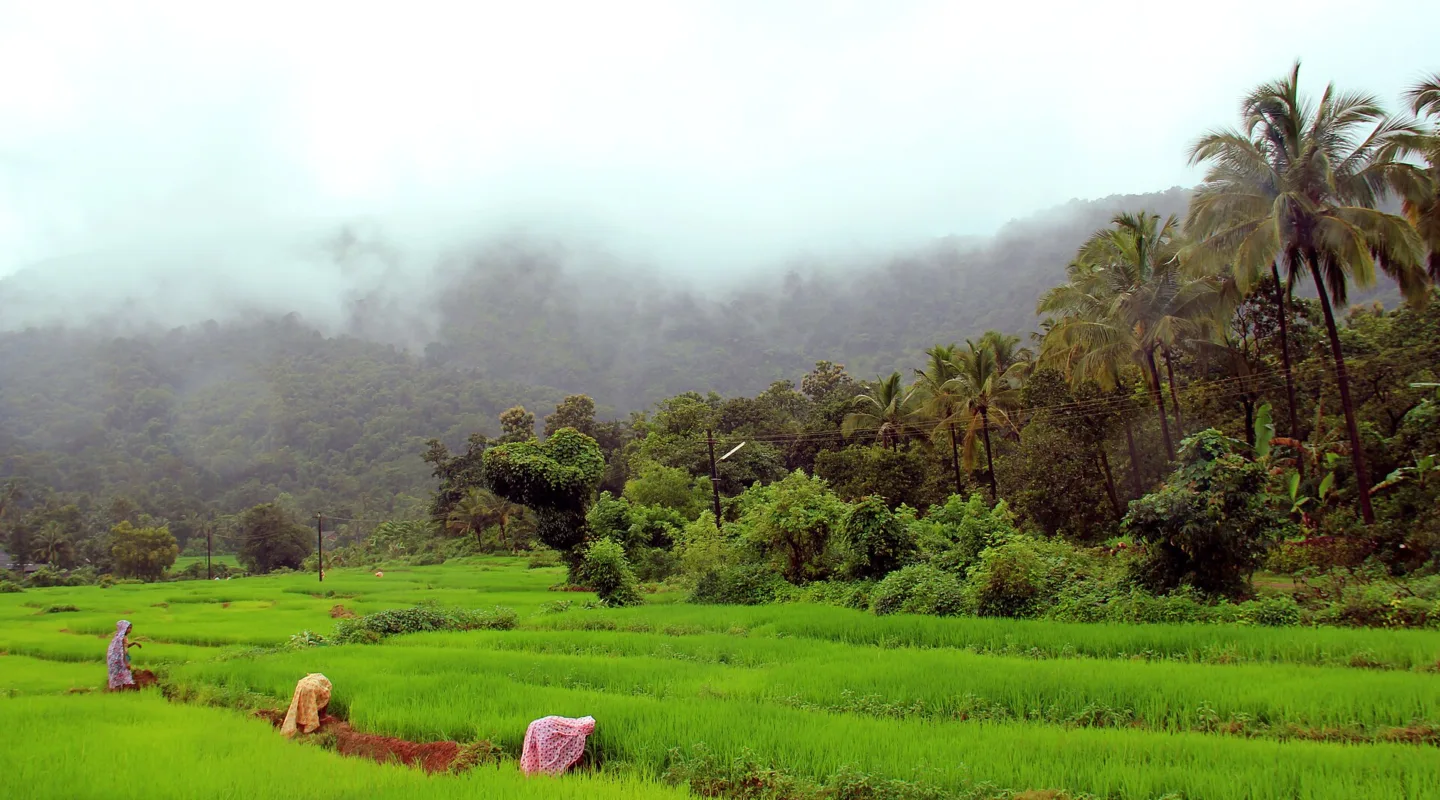
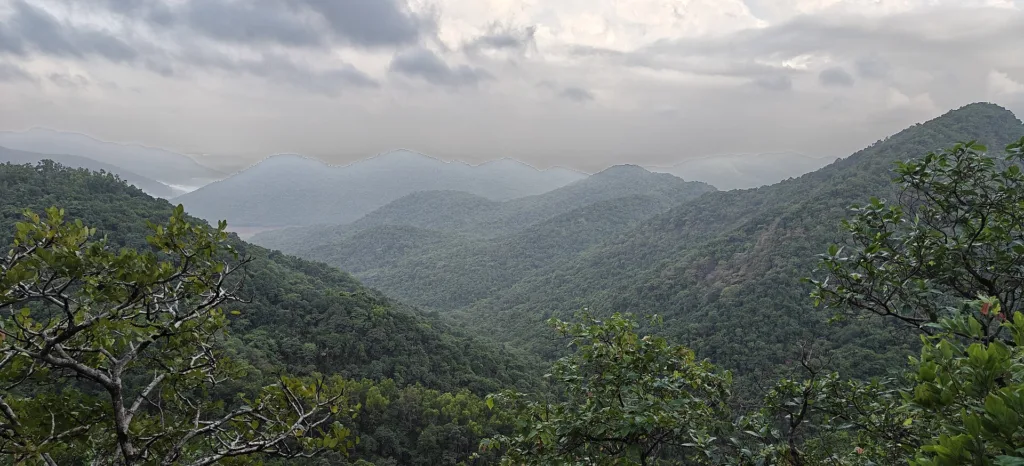
Netravali is the Goa that most visitors never see. It sits in Sanguem taluka in the south of the state, about 80 km from Panaji, inside a wildlife sanctuary of the same name that protects a pocket of Western Ghats evergreen forest. There are no beaches here and no shacks — just laterite tracks, paddy fields, a temple, and two waterfalls reached on foot.
The oddity that draws people is the Budbudyanchi Tali, the bubbling lake, a small spring-fed pond beside the Gopinath temple where gas escapes continuously from the bottom and the surface never stops moving. The local explanation is religious; the geological one is methane. Either way it is a strange and memorable thing to stand beside.
The walking is gentle. This is a two-day trip built around two short forest trails — Mainapi, about 4 km each way, and Savri, a shorter walk — with a night in a village homestay between them. It is a weekend trip rather than an expedition.
For the wider region, see our Goa destination hub and the full destination index.
Day one drives from Panaji south through Margao and into the Sanguem hills, roughly 2.5 hours. The afternoon is spent at Netravali village: the Gopinath temple, the bubbling lake, and a short walk to Savri waterfall, which is reachable in about 15 minutes from the road.
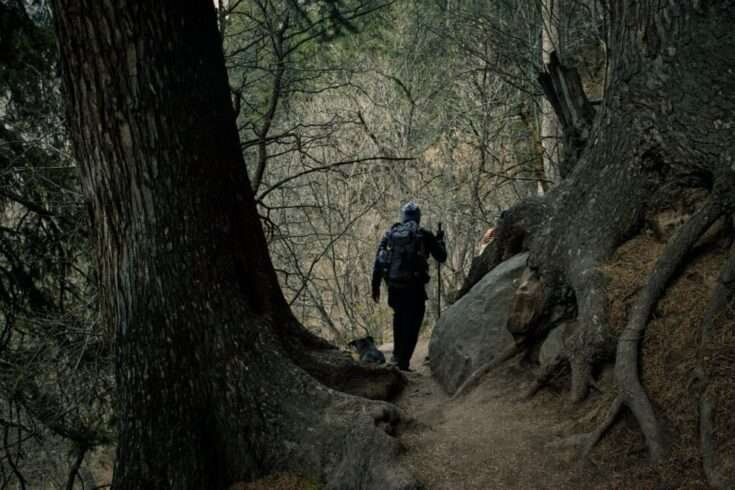
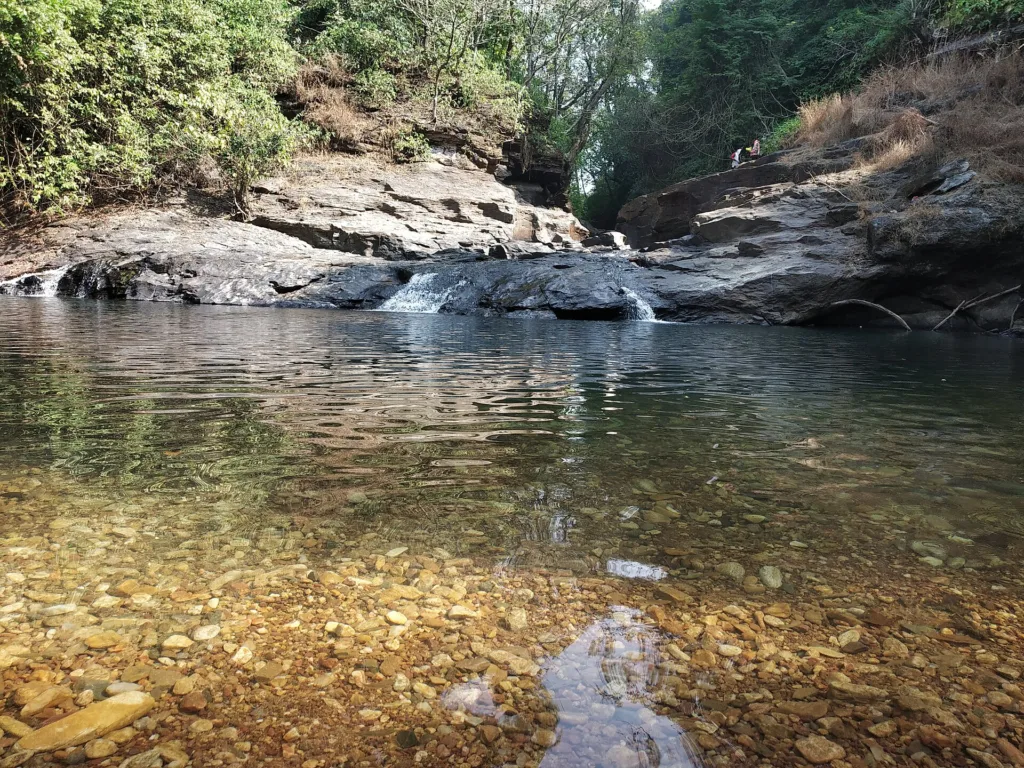
Day two is the Mainapi trail. The path leaves the village and follows a stream through evergreen forest, crossing six or seven minor streams, for about 4 km to the falls. In monsoon the crossings are serious; in the dry season they are ankle-deep. The return is by the same route.
Total walking across the two days is around 12 km, with perhaps 300 m of cumulative ascent. There is no exposure and no technical ground.
This is a good first trek and a good trip for anyone based in Goa who wants a day in forest instead of on sand. It suits families with children over 8, couples, and photographers interested in the canopy and the birdlife — the sanctuary is known for the flame-throated bulbul and a long list of Western Ghats endemics.
It does not suit anyone expecting a summit or a hard day. If you want distance and gradient, look at Dudhsagar instead.
October to March is the comfortable window, with dry trails and cool nights. If you want the waterfalls at full volume, go in late September or October, immediately after the monsoon — the trade-off is that the stream crossings are higher and the forest is leechy.
It is easy. The highest point is around 600 m and the total walking over two days is about 12 km with roughly 300 m of cumulative ascent. There is no exposure and no scrambling. Children over 8 manage it comfortably.
Basic fitness is enough. If you can walk 8 km on uneven ground in three hours you will be fine. The Mainapi trail is flat for most of its length, with a short climb near the falls.
Yes. Solo travellers join a group of up to 16 and share twin accommodation in the homestay. A single supplement is available if you prefer a private room.
A village homestay in Netravali with twin-sharing rooms and attached bathrooms. It is simple and clean rather than luxurious, and the food is home-cooked Goan. There is no hotel of any size in the village.
Mobile signal is patchy in Netravali — expect 2G at best and nothing on the trails. You do need an entry permit for Netravali Wildlife Sanctuary, which we arrange. Note that the Forest Department can close the Mainapi trail at short notice, particularly in monsoon.
Rs 3,600 for two days is at the low end of our 2-day band, and that is deliberate. Netravali is a village trip, not an expedition: the homestay is family-run, the trails are short, and there are no permits beyond the sanctuary entry. The cost is mostly transport from Panaji and back, plus the guide.
It is also a trip you can do without us. The trails are walkable independently if you have a car and a copy of the forest map. What the package buys is the permit handling, a guide who knows which trail is open, and not having to drive the Margao road twice in a weekend.
October to March is the comfortable window. The trails are dry, the nights are cool, and the forest is at its most accessible. Late September and early October give you the waterfalls at full volume, but the stream crossings on the Mainapi trail are higher and the leeches are out.
The monsoon from June to August is when Netravali is at its greenest and also when the Forest Department most often closes the Mainapi trail. If the falls are the reason you are coming, aim for October. If you want dry feet, aim for December or January.
This is the easiest trek we run. Twelve kilometres over two days, about 300 m of cumulative ascent, no exposure and no scrambling. The Mainapi trail is flat for most of its length with a short climb at the falls, and Savri is a 15-minute walk from the road.
The one thing that catches people out is the stream crossings. There are six or seven on the Mainapi trail, and after rain they are knee-deep and fast. Wear shoes you do not mind soaking, and carry a dry bag for electronics.
The Budbudyanchi Tali sits beside the Gopinath temple and has puzzled visitors for generations. The surface moves constantly as gas escapes from the bottom; the local explanation is religious, and the geological one is methane from decaying organic matter. Clap your hands and the bubbling intensifies, which is the party trick every guide performs.
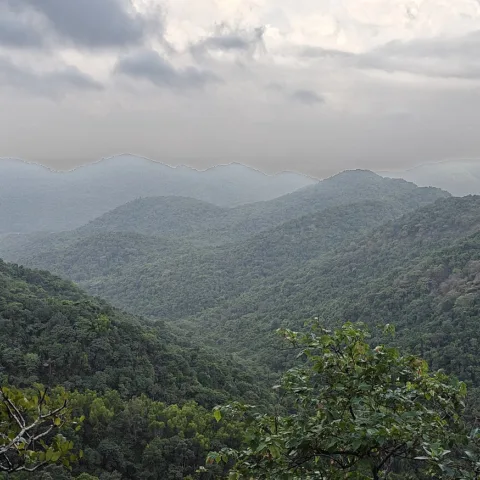
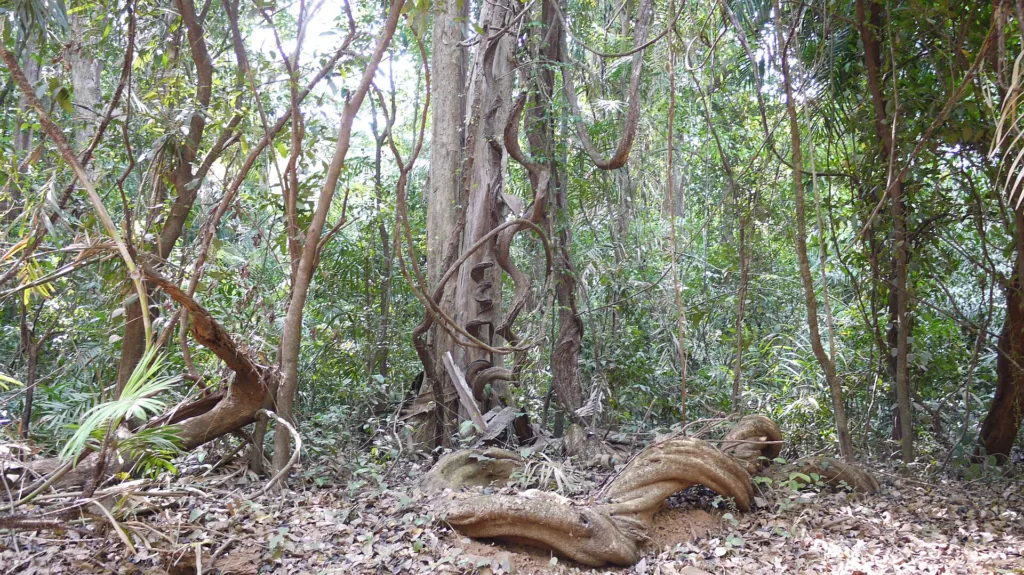
Netravali Wildlife Sanctuary itself protects a pocket of Western Ghats evergreen forest that is botanically distinct from the coastal strip. The flame-throated bulbul, a Western Ghats endemic, is regularly recorded here, along with a long list of butterflies and amphibians. It is a small sanctuary — about 211 sq km — but a genuinely important one.
Netravali is about 80 km from Panaji and 50 km from Margao, and the drive takes two to two and a half hours depending on where you start. The last stretch climbs into the Sanguem hills on a narrow laterite road that is fine in a car and unpleasant on a scooter. There is no public bus service to the village worth relying on.
Once you are there, everything is within walking distance or a short drive. The Gopinath temple and the bubbling lake are in the village itself. Savri waterfall is a 15-minute walk from the road. Mainapi is the only real trail, and it starts from the village edge. Fuel up before you leave Margao — there is no reliable petrol station in Netravali.
The homestays in Netravali serve home-cooked Goan food, which in the interior means rice, fish curry, kokum and seasonal vegetables rather than the beach-shack menu. Vegetarians are catered for but should tell the homestay in advance. There is a small snack stall near the temple and nothing else.
Accommodation is limited to a handful of family homestays and one forest rest house. Rooms are simple, clean and twin-sharing, with attached bathrooms in most. There is no hotel, no resort and no bar. If you want a pool and a spa, stay on the coast and drive down for the day — but you will miss the point of the place.
Start with the Goa destination hub, browse the full destination index and our activities pages, then compare this route with the rest of our trekking collection.
Photographs on this page are licensed from Wikimedia Commons. Full attribution and licence for each image is listed below.
Exploring Kheerganga Trek From Delhi Introduction: Nestled in the heart of the Parvati Valley, the Kheerganga trek beckons…
The Unpredicted – Kasol Kheerganga Trek Embark on a journey of untamed beauty and unexpected adventures with the…
A 2-day Kheerganga trek from Kasol: a 12 km climb from Barshaini to a Parvati Valley meadow at…