
Difficult
Panchachuli Base Camp Trek
A remote Kumaon expedition to the base of five sacred peaks said to mark the Pandavas' final cooking…
Pangarchulla Peak Trek runs 6 days in Uttarakhand, graded Moderate to Difficult, from Rs 12,499 per person.
The route passes through oak and rhododendron forest, a ridge campsite at Khulara and a long summit day to Pangarchulla Peak at around 4,590 m (about 15,000 ft). Dehradun to Joshimath: A long hill drive along the Alaknanda valley, usually around 10 hours or more with stops. Big mountain views: On clear days, you can see some of Garhwal’s best-known peaks from the ridge and summit. A real summit day: The final climb to the peak is the main prize and takes you above 4,500 m. Khulara ridge camp: A high camp with a wide view, which many people count as the best part of the trip. The summit has wide views of peaks such as Nanda Devi, Dronagiri, Hathi Parvat and Neelkanth on clear days, and snow lies on the upper slopes for much of the year. By road: Buses run from Delhi to Dehradun, usually taking 6 to 7 hours. Footwear: Waterproof trekking shoes with good grip, plus gaiters and microspikes if the team does not provide them Snow in a short trek: The upper slopes usually hold snow, which makes the climb feel more serious. Day 4, Summit day: Start before dawn from Khulara, climb to Pangarchulla Peak at about 4,590 m, and return to Khulara. Bags: A 50 to 65 L rucksack with a rain cover, plus a small daypack for summit day Village and forest stops: The trail passes small settlements and forest stretches in the lower sections. The Pangarchulla Peak trek is a six-day Himalayan climb in the Garhwal region of Uttarakhand, starting near Joshimath.
At 4,590 m the thin air is the real constraint on the Pangarchulla Peak Trek, so the upper stretch is walked slowly and altitude symptoms are reported early.
The published window for the Pangarchulla Peak Trek is April to June and September to November, with winter snow for experienced trekkers Base town: Joshimath, at around 1,890 m Highlights of the Pangarchulla Pea. Outside that window the Pangarchulla Peak Trek becomes a different landscape rather than simply worse weather.
The Pangarchulla Peak Trek assembles at Delhi, and the day numbering runs from that point. Reporting times and the exact pickup point for the Pangarchulla Peak Trek are confirmed on booking.
The Pangarchulla Peak Trek is not a first trip; its 6 days demand a base of regular walking before you commit. Experienced trekkers and well-prepared first-timers are the right audience for the Pangarchulla Peak Trek, and a spontaneous weekend is a poor substitute for training. Solo travellers move inside a led group on the Pangarchulla Peak Trek, so the pace is collective rather than personal.
Layers do more work than any single jacket on the Pangarchulla Peak Trek, because the temperature at 4,590 m bears little relation to the trailhead. Footwear decides the day on the Pangarchulla Peak Trek: loose stone and wet ground cause most slips, and a worn sole is the usual reason people struggle on the descent. Carry two litres of water each on the Pangarchulla Peak Trek, a small first-aid kit, a head torch for pre-dawn walking, and food already tested on a training walk.
At 4,590 m on the Pangarchulla Peak Trek, altitude illness is the main risk rather than the ground, so walk slowly and report a persistent headache or nausea immediately. A certified leader carries first aid and safety kit on the Pangarchulla Peak Trek and reviews the forecast each morning, so the plan stays provisional until conditions are known. Travel insurance that covers trekking at this altitude is worth the small extra cost and is not part of the Pangarchulla Peak Trek price.
The Rs 12,499 price of the Pangarchulla Peak Trek covers accommodation on the itinerary, the listed meals, a certified leader with support crew, applicable permits and entry fees, and the safety equipment carried. Excluded from the Pangarchulla Peak Trek are travel to the assembly point unless the itinerary says otherwise, personal kit and clothing, insurance, and anything the inclusions list does not name.
April to June and September to November are the most reliable periods, with clearer weather and the trail mostly in good condition. Distance: roughly 30 km or more in total, though sources differ Day 6, Joshimath to Dehradun: Drive back to Dehradun, usually reaching in the evening or at night. Day 2, Joshimath to Dhak to Guling: Drive to Dhak at about 2,090 m and begin the trek to the Guling campsite at about 2,857 m. Day 5, Khulara to Dhak to Joshimath: Descend to Dhak and drive to Joshimath for the night. The Pangarchulla Peak trek suits fit trekkers who want a summit challenge, people who have done a trek such as Kedarkantha, and solo travellers who prefer a guided group. Day 1, Dehradun to Joshimath: Meet in Dehradun, which is at about 430 m, and drive to Joshimath at about 1,890 m. Two of the six days are mostly for the road, and the summit climb is a long and tiring day, so this is a trek for people who are fit and have walked in the mountains before. The summit day is long, steep and often in snow The monsoon from July to August brings heavy rain and landslides on the road to Joshimath, so it is best avoided. Snow can still lie high in April and May, and it is cold at night in all seasons. On summit day keep your hands and feet warm, eat and drink regularly and avoid sweating through your layers.
Browsing by region or activity is often faster than reading individual pages, so start with Uttarakhand and Trekking. The closest alternatives to the Pangarchulla Peak Trek are Chopta Tungnath Trek, Valley of flower Trek and Kedarkantha Trek, which suit anyone comparing dates or a slightly different grade.
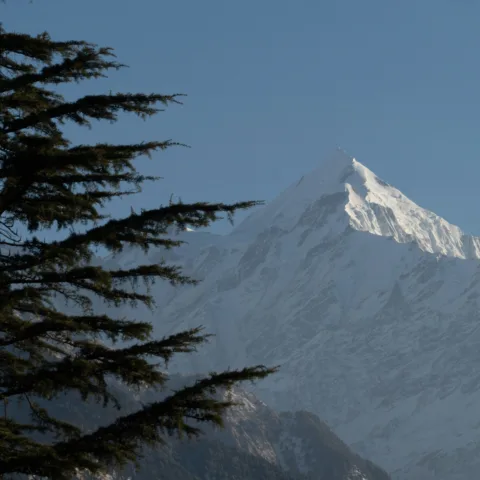
The Pangarchulla Peak trek is a six-day Himalayan climb in the Garhwal region of Uttarakhand, starting near Joshimath. The route passes through oak and rhododendron forest, a ridge campsite at Khulara and a long summit day to Pangarchulla Peak at around 4,590 m (about 15,000 ft). The summit has wide views of peaks such as Nanda Devi, Dronagiri, Hathi Parvat and Neelkanth on clear days, and snow lies on the upper slopes for much of the year.
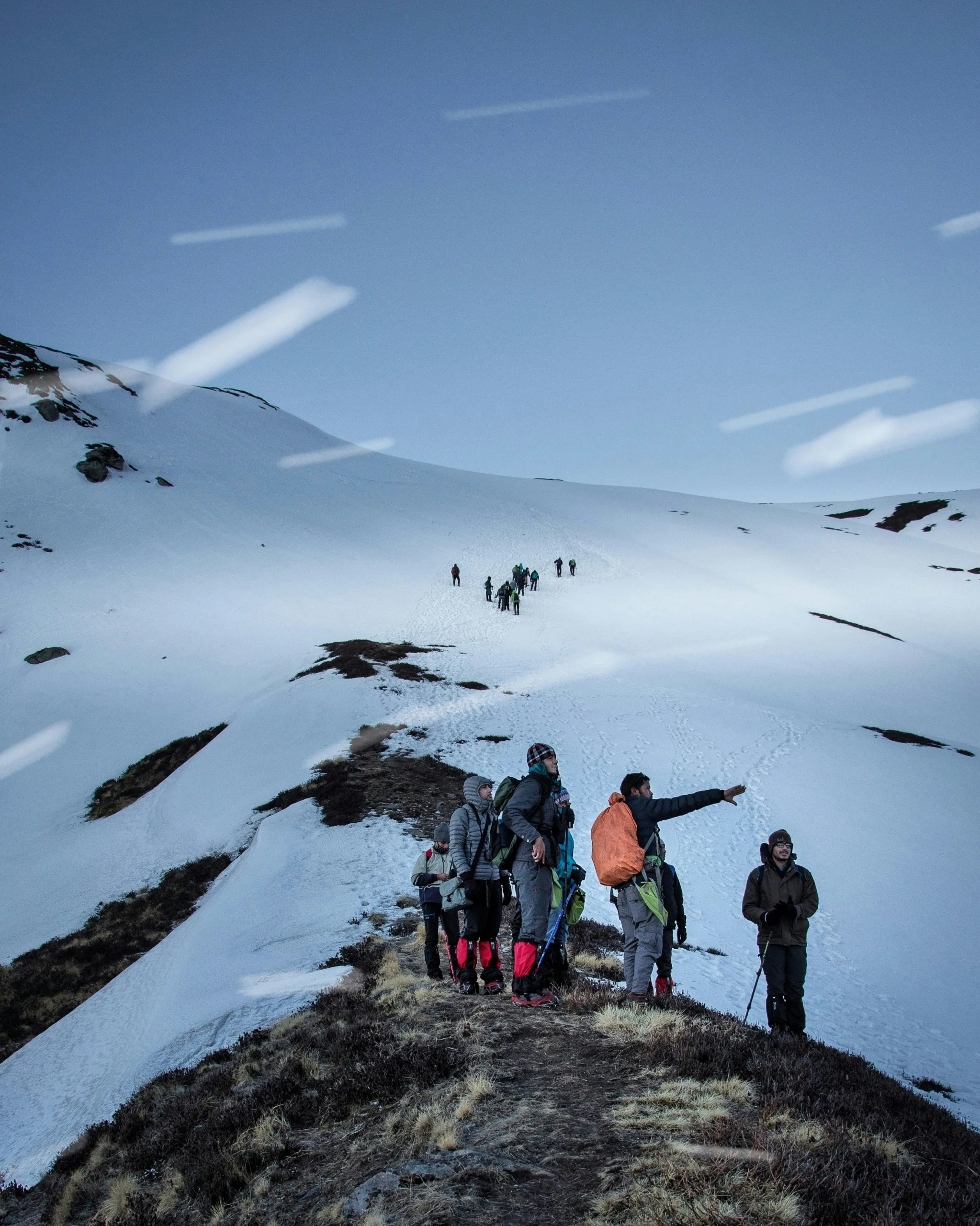
This WDRLUST plan runs from Dehradun to Dehradun. Two of the six days are mostly for the road, and the summit climb is a long and tiring day, so this is a trek for people who are fit and have walked in the mountains before. It is a good next step after a first trek such as Kedarkantha or Triund.
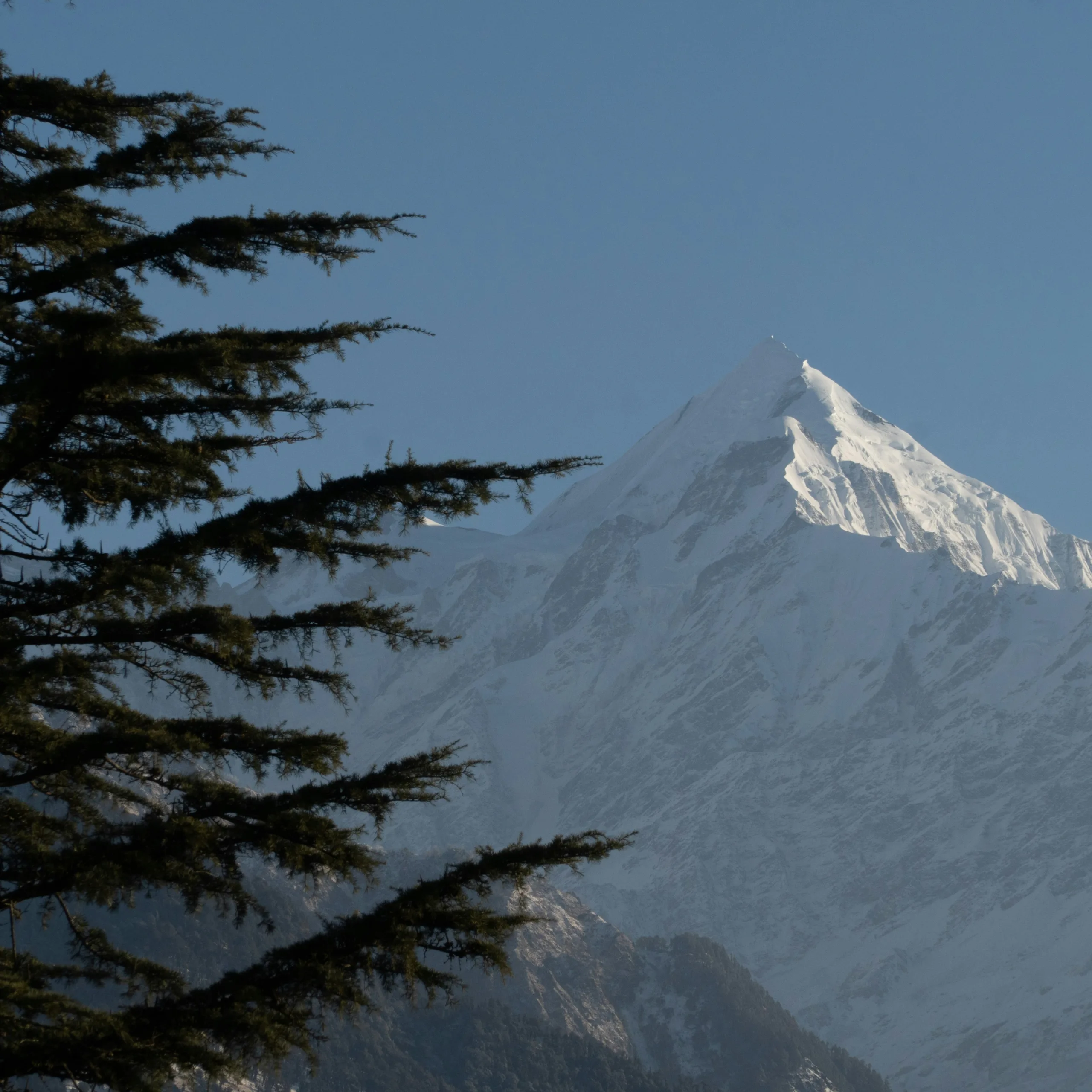
Day 1, Dehradun to Joshimath: Meet in Dehradun, which is at about 430 m, and drive to Joshimath at about 1,890 m. The drive is long, usually around ten hours or more with stops, and follows the Alaknanda valley. Stay overnight in Joshimath.
Day 2, Joshimath to Dhak to Guling: Drive to Dhak at about 2,090 m and begin the trek to the Guling campsite at about 2,857 m. The path climbs through forest and gives a first taste of the trail.
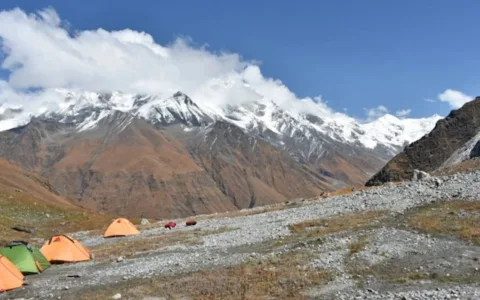
Day 3, Guling to Khulara: Continue up to Khulara at about 3,390 m. The campsite sits on a ridge with open views, and the night is cold.
Day 4, Summit day: Start before dawn from Khulara, climb to Pangarchulla Peak at about 4,590 m, and return to Khulara. This is the longest day of the trek, often ten hours or more.
Day 5, Khulara to Dhak to Joshimath: Descend to Dhak and drive to Joshimath for the night.
Day 6, Joshimath to Dehradun: Drive back to Dehradun, usually reaching in the evening or at night. Do not book an onward train or flight on this night. The detailed plan is in the itinerary section of this page.
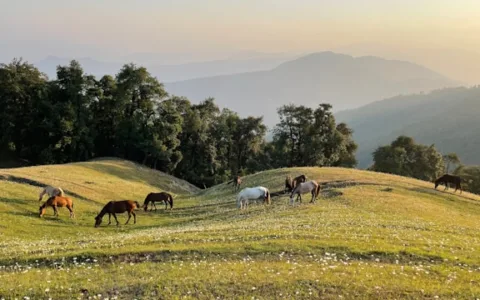
This section climbs steadily through forest, with the gradient picking up as you gain height. It is a good place to settle into a slow pace.
The forest thins and the path reaches the ridge, where wind and cold increase. Take care to add layers as soon as you stop.
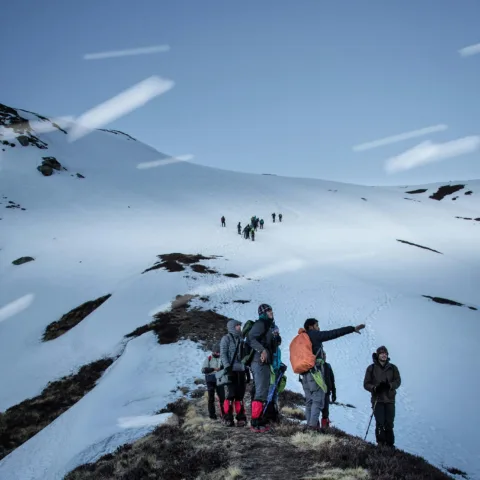
The summit route starts in the dark on a steep trail that is often on snow. The final stretch can be icy and exposed, and the group follows a strict turn-around time. If conditions are unsafe, the leader may stop short of the top.
April to June and September to November are the most reliable periods, with clearer weather and the trail mostly in good condition. Snow can still lie high in April and May, and it is cold at night in all seasons. In December to March the trek is a winter climb with deep snow and extreme cold, which needs more experience and equipment. The monsoon from July to August brings heavy rain and landslides on the road to Joshimath, so it is best avoided. Check the forecast before you travel and confirm the current trail and road status with the team.
This is a tougher trek than most beginner routes. The summit day is long, steep and at height, and you walk in cold conditions with a pack. It does not need technical climbing, but you should be physically prepared. A first-time trekker with good fitness and a few weeks of training can attempt it, though a shorter trek first is a sensible step.
Prepare for at least four to six weeks. Walk, jog or climb stairs for 40 to 45 minutes, five times a week, and add a longer weekend hike with a loaded pack. Squats and lunges build leg strength for the descent. Break in your trekking shoes before the trip. If you have a heart, lung or blood pressure condition, speak to a doctor before booking.
The summit is at around 4,590 m, so altitude sickness is possible. Drink water, climb slowly and tell your leader straight away about a headache, nausea, dizziness or unusual tiredness. Do not climb higher with symptoms. Going down is the safest response.
Confirm the meeting point and time with the team when you book, and arrive in Dehradun the day before if you can.
Trekking poles help a lot on the descent.
Stay with the group, follow the leader’s turn-around time and tell the team early if you feel unwell. On summit day keep your hands and feet warm, eat and drink regularly and avoid sweating through your layers.
The area is a protected mountain region, so carry out all rubbish, avoid single-use plastic, do not pick plants and do not disturb animals.
The Pangarchulla Peak trek suits fit trekkers who want a summit challenge, people who have done a trek such as Kedarkantha, and solo travellers who prefer a guided group. It is less suited to anyone who dislikes cold, cannot walk for ten hours, or has never trekked at all.
The Pangarchulla Peak Trek runs for 6 days. The day-by-day itinerary above lists each stage, walking distance and overnight stay.
The Pangarchulla Peak Trek is rated Moderate by WDRLUST. It suits trekkers with some prior walking experience and steady fitness. Training with 45 to 60 minutes of cardio three times a week for six weeks before departure is enough for most people.
The Pangarchulla Peak Trek starts at Rs 12,499 per person. The price covers the inclusions listed on this page. Transport to the starting point, personal gear and anything not listed under inclusions are extra.
The route reaches approximately 4,590 m. Walk slowly, drink water and report any headache or nausea to your trek leader.
The Pangarchulla Peak Trek starts from the base location described in the itinerary above. WDRLUST shares exact meeting points, reporting times and transport options on booking confirmation. The nearest major access region is Uttarakhand.
Yes. Solo travellers join a led group, so you are never walking alone. Trek leaders carry a first-aid kit and oxygen where the altitude requires it, and the team tracks weather daily.
Pangarchulla is a 4,590 m summit above Joshimath, usually combined with the Kuari Pass approach, and it is marketed as a non-technical peak. That claim is true in the sense that you do not need ropes or an ice axe, and misleading in the sense that summit day is a long, steep snow climb that turns people back.
The trek fee is Rs 12,499 per person:
Expect Rs 30,000 to Rs 38,000 all-in from Bengaluru. The fee is high because the trek is six days and the summit day requires a guide ratio and equipment.
Rated Moderate. The trek itself is progressive, with daily distances of 8 to 12 km and a gradual build to the summit. But summit day is 8 to 10 hours round trip on steep snow, starting well before dawn, with about 900 m of gain from the summit camp.
This is the trek on the site where “Moderate” most deserves a caveat. If you have not done a Himalayan summit before, do not make this your first. It suits people who have already walked at altitude and know how they respond to it.
On summit day the concern is snow conditions: soft afternoon snow makes the descent slow and post-holing exhausting, which is why the start is so early. Fresh snowfall can close the route entirely and the leader will turn the group around.
Below the summit, rain in the shoulder season makes the forest approach muddy and the stream crossings higher. The Joshimath road is monsoon-vulnerable, and slides in the Alaknanda valley are routine in July. Build a buffer day.
Fly to Delhi, transfer to Rishikesh, then the long drive to Joshimath. Six trekking days, then reverse. That is ten or eleven nights away from Bengaluru. Given the cost and the commitment, most people pair this with the Kuari Pass section rather than doing it standalone, which the itinerary usually includes anyway.
Explore related pages: All treks in Uttarakhand · Trekking in India · Browse all destinations · All activities.
Meet the team in Dehradun (about 430 m) and drive to Joshimath (about 1,890 m) along the Alaknanda valley. The drive usually takes around 10 hours or more with stops. Check in, have dinner and attend a short briefing.
Drive to Dhak (about 2,090 m) and start the trek through oak and rhododendron forest to the Guling campsite at about 2,857 m. The climb is steady, so keep a slow pace. Camp, rest and have dinner.
Climb out of the forest onto the ridge and reach Khulara at about 3,390 m. The campsite has wide open views, and the night is cold. Rest, eat early and sleep well before the summit day.
Start before dawn on the steep, often snowy trail to Pangarchulla Peak at about 4,590 m. Keep to the leader's turn-around time, enjoy the Himalayan view at the top and return to Khulara by afternoon or evening. If the weather or snow is unsafe, the group may stop short of the summit.
Walk down to Dhak (about 2,090 m) and drive to Joshimath for the night. Take care on the steep descent, which is hard on the knees.
Drive back to Dehradun along the Alaknanda valley, usually reaching in the evening or at night. Avoid booking an onward train or flight for the same night.

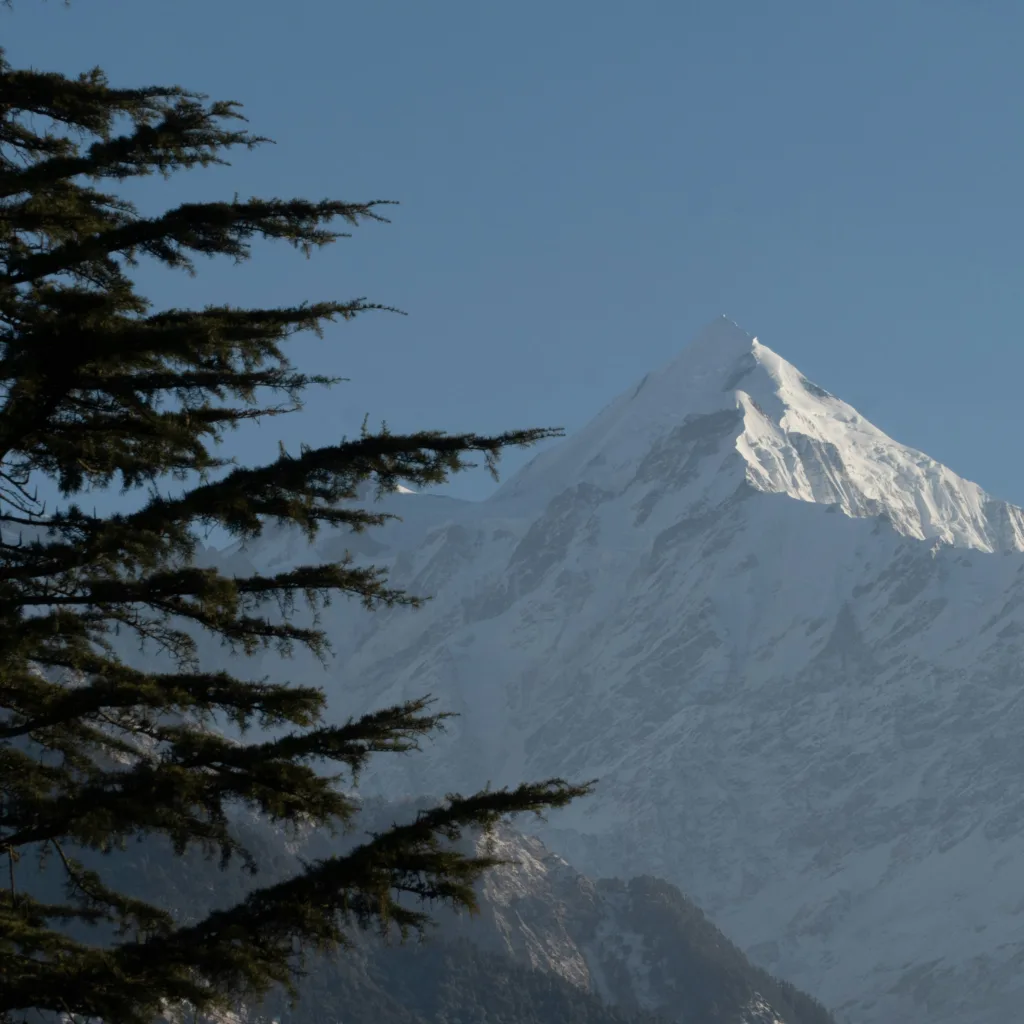
A remote Kumaon expedition to the base of five sacred peaks said to mark the Pandavas' final cooking…
A challenging high-altitude crossing linking the Har Ki Dun and Yamunotri valleys, culminating in a steep, technical pass…
The 'Serpent's Peak' is Uttarakhand's most popular weekend trek — a short, forested climb to a summit ridge…