
Easy
Kodaikanal Group Trip from Bangalore
Overview of the Kodaikanal Group Trip from Bangalore Kodaikanal Group Trip from Bangalore runs 1N/2D from Bangalore, graded…
Next Departure
27/11/2026
20 seats left
Kumara Parvatha Trek runs 3 days in Karnataka, graded Moderate to Difficult, from Rs 2,999 per person.
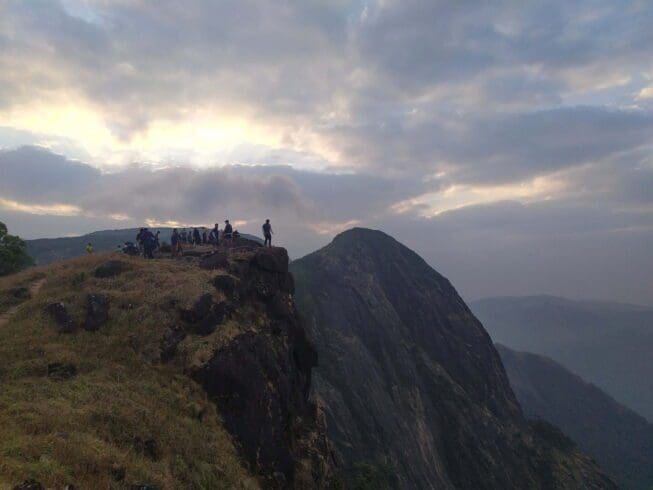
The peak stands at around 1,712 m (5,617 ft) in the Pushpagiri Wildlife Sanctuary of Karnataka’s Western Ghats, and the standard route starts at Kukke Subramanya. Sunrise light on the Ghats: An early start usually means cooler walking and clearer views from the peak. You are picked up on the first morning, drive to Kukke, trek to the Bhattarmane forest rest house and camp there, then climb to the peak and return to Kukke on the second day, before the overnight drive home. Nearby viewpoints: Shesha Parvatha is a smaller peak close to the main summit that many groups visit or see on the way. Rocky final ascent: Steep slabs and a rocky stretch near the top, often with some scrambling on the way. Bhattarmane: A forest rest house used as a halfway camp, where you sleep before the summit push. By train: Subrahmanya Road is the nearest railway station, with Mangaluru as a larger option. Distance: around 25 km round trip, though sources quote different figures Day 1, Bengaluru to Kukke to Bhattarmane: Board the vehicle early in the morning from your pick-up point. By road, on your own: Kukke Subramanya is roughly 280 to 300 km from Bengaluru, and overnight buses run on this route. Rich wildlife country: The sanctuary is home to many birds and other species, though you are more likely to hear than see them. Bags: A 40 to 50 L rucksack with a rain cover, plus a small daypack October to February is the most comfortable window, with cooler air, fewer leeches and clearer views.
At this height the limit on the Kumara Parvatha Trek is fitness and heat rather than oxygen, which makes the descent the part people underestimate.
The published window for the Kumara Parvatha Trek is October to February, when the weather is cooler and drier. Outside that window the Kumara Parvatha Trek becomes a different landscape rather than simply worse weather.
The Kumara Parvatha Trek assembles at Bengaluru, and the day numbering runs from that point. Reporting times and the exact pickup point for the Kumara Parvatha Trek are confirmed on booking.
The Kumara Parvatha Trek is not a first trip; its 3 days demand a base of regular walking before you commit. Experienced trekkers and well-prepared first-timers are the right audience for the Kumara Parvatha Trek, and a spontaneous weekend is a poor substitute for training. Solo travellers move inside a led group on the Kumara Parvatha Trek, so the pace is collective rather than personal.
Heat and sun are bigger risks than cold on the Kumara Parvatha Trek, so a cap, sunscreen and more water than feels necessary matter most. Footwear decides the day on the Kumara Parvatha Trek: loose stone and wet ground cause most slips, and a worn sole is the usual reason people struggle on the descent. Carry two litres of water each on the Kumara Parvatha Trek, a small first-aid kit, a head torch for pre-dawn walking, and food already tested on a training walk.
The main risks on the Kumara Parvatha Trek at this height are slips on wet sections and dehydration on exposed stretches, both prevented by steady pacing. A certified leader carries first aid and safety kit on the Kumara Parvatha Trek and reviews the forecast each morning, so the plan stays provisional until conditions are known. Travel insurance that covers trekking at this altitude is worth the small extra cost and is not part of the Kumara Parvatha Trek price.
The Rs 2,999 price of the Kumara Parvatha Trek covers accommodation on the itinerary, the listed meals, a certified leader with support crew, applicable permits and entry fees, and the safety equipment carried. Excluded from the Kumara Parvatha Trek are travel to the assembly point unless the itinerary says otherwise, personal kit and clothing, insurance, and anything the inclusions list does not name.
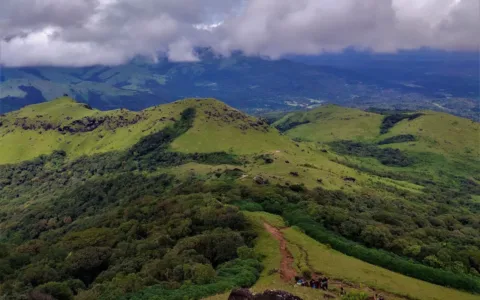
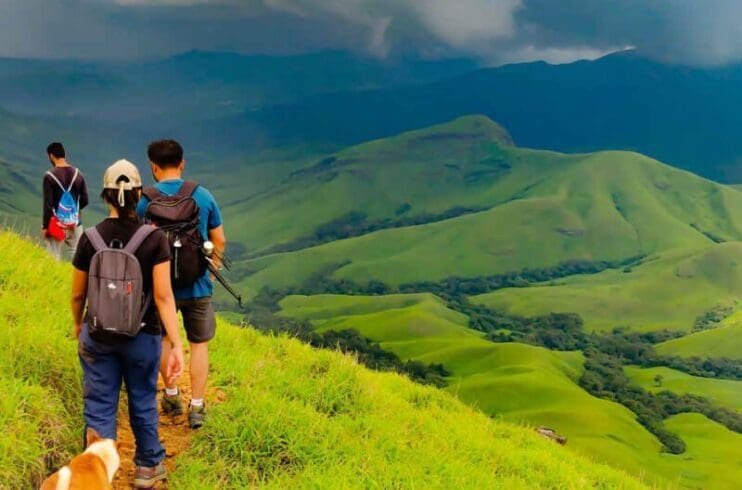
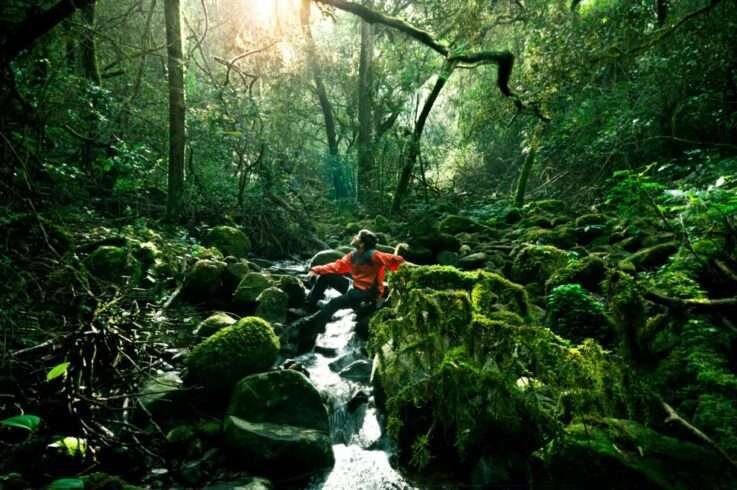
Forest, streams and grassland: The route changes from shaded forest to open ridges in a single day. The trail climbs through forest, crosses streams and ends on open grass slopes and rock, with long views over layered green ridges. Day 2, Bhattarmane to the peak and back to Kukke: Wake very early and start before dawn. After that you continue down to Kukke, freshen up and start the drive back to Bengaluru in the evening. The distance is long and the climbs are steep, especially on the summit day The monsoon from June to September turns the forest bright green, but heavy rain, mud and leeches make the trail hard, and the forest department often restricts or closes the trek. The Kumara Parvatha trek , also called Pushpagiri, is one of the most demanding weekend treks from Bengaluru. You reach the peak in the morning, spend a short time at the top and return to Bhattarmane for lunch. Have breakfast on the way, reach Kukke Subramanya around lunchtime, freshen up and have lunch. Day 3, Return to Bengaluru: You reach Bengaluru in the early hours of the morning. You walk with a loaded pack on Day 1, then spend most of Day 2 on the trail, with a very early start, a long climb and a long descent. In the afternoon, start the trek to Bhattarmane, which takes around three hours. Coming down is hard on the knees, and the day is long, with the drive home still ahead. The first stretch climbs through forest on a clear path.
Browsing by region or activity is often faster than reading individual pages, so start with Bengaluru and Trekking. The closest alternatives to the Kumara Parvatha Trek are Skandagiri Trek, Makalidurga trek and Savandurga Trek, which suit anyone comparing dates or a slightly different grade.
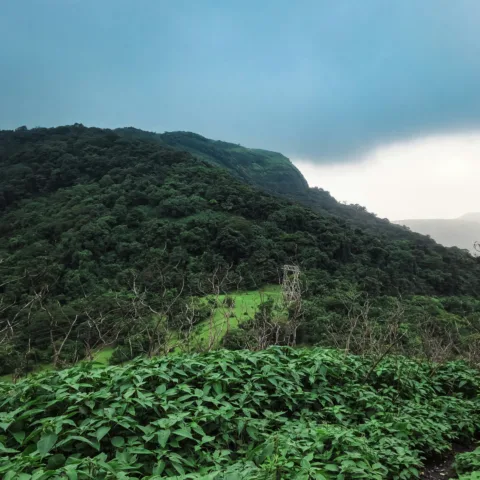
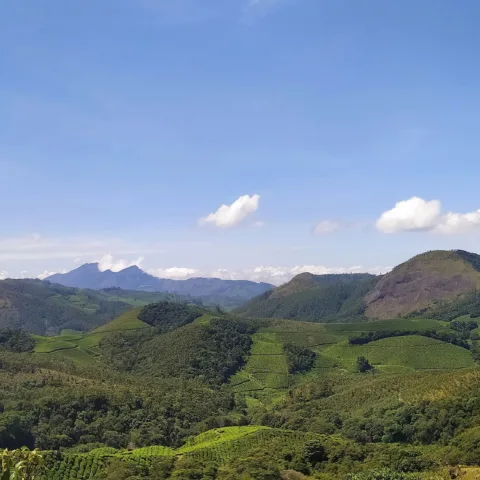
The Kumara Parvatha trek, also called Pushpagiri, is one of the most demanding weekend treks from Bengaluru. The peak stands at around 1,712 m (5,617 ft) in the Pushpagiri Wildlife Sanctuary of Karnataka’s Western Ghats, and the standard route starts at Kukke Subramanya. The trail climbs through forest, crosses streams and ends on open grass slopes and rock, with long views over layered green ridges.
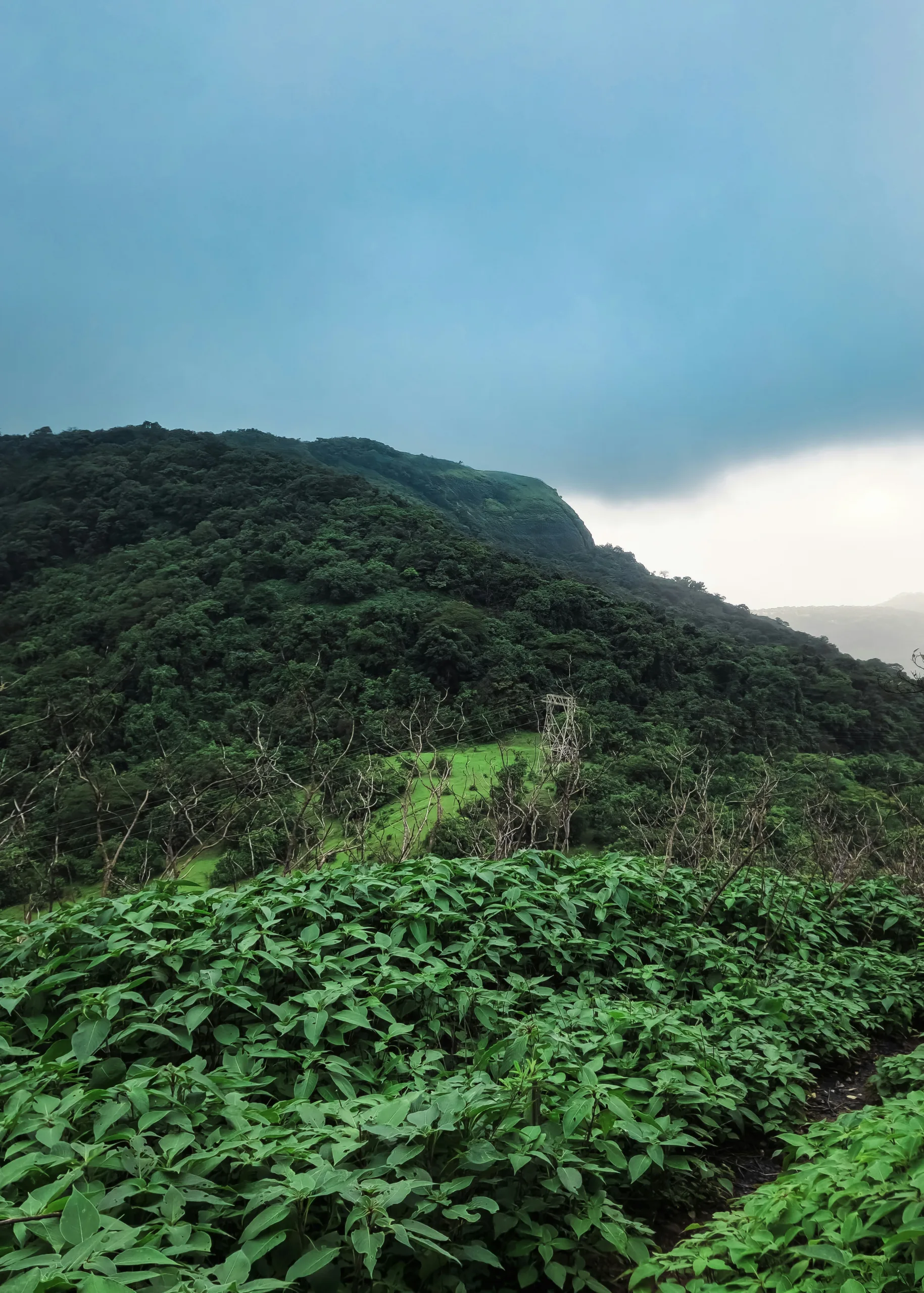
This WDRLUST package is a three-day plan from Bengaluru to Bengaluru. You are picked up on the first morning, drive to Kukke, trek to the Bhattarmane forest rest house and camp there, then climb to the peak and return to Kukke on the second day, before the overnight drive home. Transport, forest permission, camping, meals as listed and an instructor from the team are part of the plan.
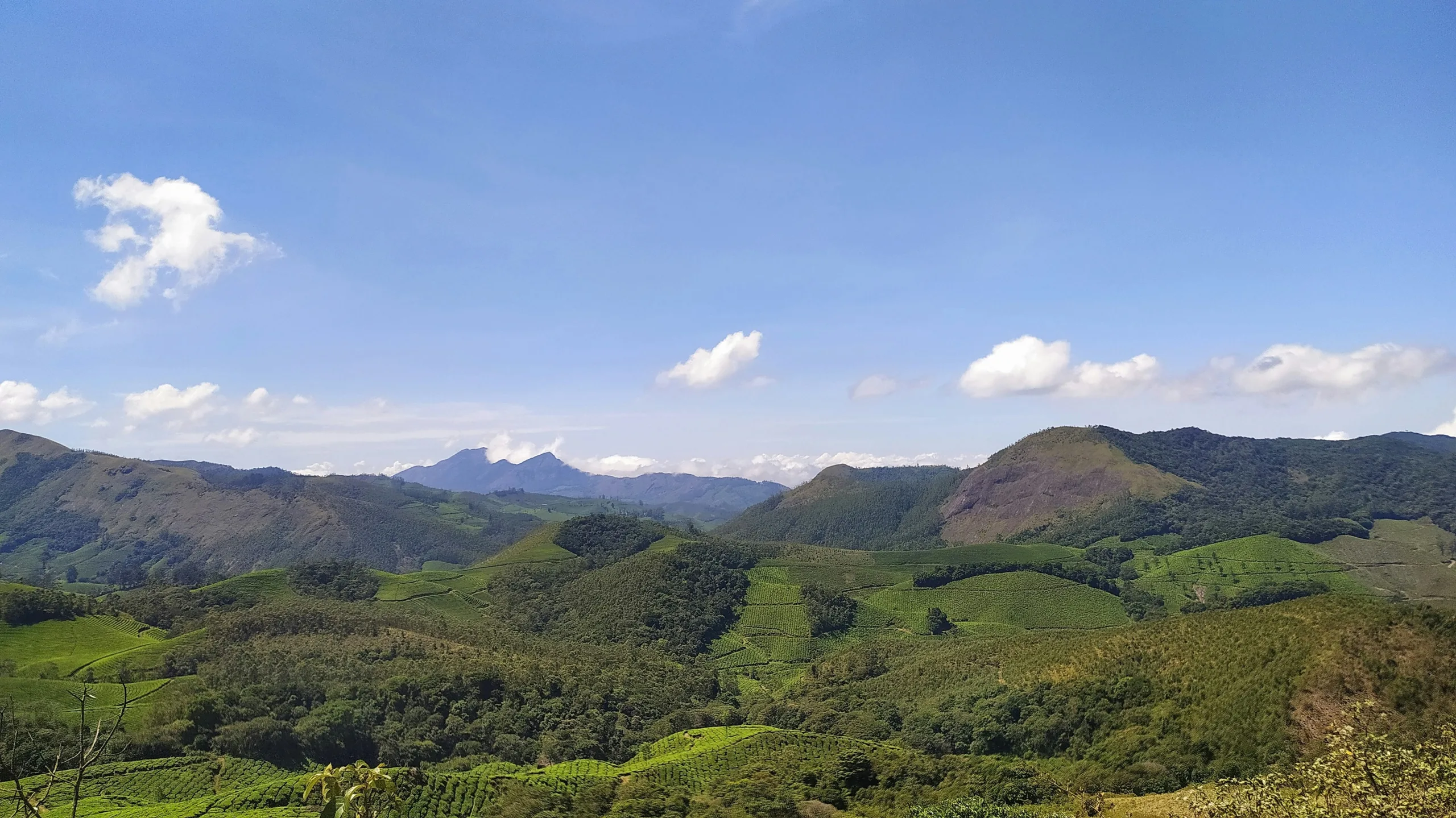
Day 1, Bengaluru to Kukke to Bhattarmane: Board the vehicle early in the morning from your pick-up point. Have breakfast on the way, reach Kukke Subramanya around lunchtime, freshen up and have lunch. In the afternoon, start the trek to Bhattarmane, which takes around three hours. Dinner and a night in tents.
Day 2, Bhattarmane to the peak and back to Kukke: Wake very early and start before dawn. You reach the peak in the morning, spend a short time at the top and return to Bhattarmane for lunch. After that you continue down to Kukke, freshen up and start the drive back to Bengaluru in the evening. Dinner on the way is self-sponsored.
Day 3, Return to Bengaluru: You reach Bengaluru in the early hours of the morning. The detailed plan with timings is in the itinerary section of this page.
The first stretch climbs through forest on a clear path. It is not steep but it is humid, and leeches can appear in wet weather. Carry water and snacks, since you walk with a loaded pack on this day.
This is the long and demanding part. The forest gives way to open grassland and then rock. Wind and cloud are common on the ridge, and the sun can be strong when the sky is clear. Go at a steady pace and follow the guide.
Coming down is hard on the knees, and the day is long, with the drive home still ahead. Take it slowly and use trekking poles if you have them.
October to February is the most comfortable window, with cooler air, fewer leeches and clearer views. The monsoon from June to September turns the forest bright green, but heavy rain, mud and leeches make the trail hard, and the forest department often restricts or closes the trek. In March to May the days are hot and the grass is dry. Forest rules and closure dates change from year to year, so confirm the current position with the team before you book.
This is a tougher trek than most weekend routes near Bengaluru. You walk with a loaded pack on Day 1, then spend most of Day 2 on the trail, with a very early start, a long climb and a long descent. Expect around 10 hours or more on the second day. It is not technical, but it needs stamina.
Prepare for three to four weeks. Walk briskly, jog or climb stairs for 40 minutes, four or five times a week, and add a weekend hill walk with a daypack. Include squats and lunges for the descent. Break in your trekking shoes before the trip. If you have a heart, lung or knee condition, speak to a doctor first.
Be at your pick-up point on time with a valid photo ID, since the forest check may ask for it.
You trek with an instructor from the team. Stay together on the trail, start descending on time, drink water regularly and avoid shortcuts. If the guide changes the plan or turns the group back because of weather, follow that decision.
This is a protected sanctuary, so carry out all rubbish, avoid single-use plastic, keep to the marked path, do not feed or disturb animals, and keep noise down. Camp only in the designated area.
The Kumara Parvatha trek suits fit beginners who are ready for a challenge, regular weekend trekkers, and solo travellers who prefer a guided group. It is less suited to anyone who cannot walk for ten hours or more, dislikes mud and leeches, or wants an easy first trek. If that is you, look at the shorter treks listed below.
The Kumara Parvatha Trek runs for 3 days. The day-by-day itinerary above lists each stage, walking distance and overnight stay.
The Kumara Parvatha Trek is rated Moderate by WDRLUST. It suits trekkers with some prior walking experience and steady fitness. Training with 45 to 60 minutes of cardio three times a week for six weeks before departure is enough for most people.
The Kumara Parvatha Trek starts at Rs 2,999 per person. The price covers the inclusions listed on this page. Transport to the starting point, personal gear and anything not listed under inclusions are extra.
The route reaches approximately 1,712 m. Walk slowly, drink water and report any headache or nausea to your trek leader.
Group size is capped at Max 9 trekkers per departure, with a certified trek leader. Smaller groups mean faster head counts and more attention on the trail.
The Kumara Parvatha Trek starts from the base location described in the itinerary above. WDRLUST shares exact meeting points, reporting times and transport options on booking confirmation. The nearest major access region is Bengaluru.
Kumara Parvatha rises above Kukke Subramanya in the Western Ghats, and it has a reputation among Bengaluru trekkers that is earned. It is not a long trek by Himalayan standards, but the combination of continuous gradient, exposed grassland and a punishing descent makes it the one South Indian trek people train for.
The trek fee is Rs 2,999 per person for the three-day format, which makes it one of the best-value treks on this site once you are actually at the trailhead:
Realistically Rs 5,000 to Rs 7,000 all-in from Bengaluru. The ghat road is slow and landslide-prone in the monsoon, which is worth factoring into your Friday night bus choice.
Rated Moderate, but this is the upper end of that band. The climb is roughly 1,700 m of gain over about 13 km one way, and the second half is steep, sustained and largely shadeless through grassland. There are no technical moves, but there are sections where you are pushing up on your toes for a long time.
The part that breaks people is the way down. After the summit, you reverse the same 13 km on tired quads, and that is where knees start complaining. Trekking poles are not a luxury on this one. If you have only done day hills around Bengaluru, give yourself four to six weeks of stair work before booking.
Wet clay is the issue. The grassland sections hold water and the soil greases up, which turns a steep climb into an exhausting slip-and-catch. Leeches appear on the forested lower approach after the first rains. The exposed ridge has no shelter, so a storm at altitude means getting down rather than sitting it out.
The other monsoon risk is off the mountain entirely: the Shiradi ghat stretch on the drive in regularly closes or slows to a crawl after heavy rain, and a six-hour bus ride becomes ten. If you are trekking between June and September, leave a full day of slack on the return.
Friday night bus to Kukke Subramanya, arrive early Saturday, trek to the forest hut or camp, summit on Sunday morning and descend, then take the Sunday night bus back into Bengaluru on Monday morning. That is the standard shape and it means Monday at work is rough. Driving yourself gives you more control and lets you start before dawn on Saturday, which is a real advantage in the hot months.
Explore related pages: All treks in Bengaluru · Treks in Karnataka · Trekking in India · Browse all destinations · All activities.
Board the vehicle early from your pick-up point (Indiranagar 5:30 AM, Domlur Sky Walk 5:45 AM, Richmond Road 6:00 AM, Yeshwanthpur metro 6:30 AM). Have breakfast on the way, reach Kukke Subramanya around 1:00 PM, freshen up and have lunch. Start the trek at around 2:30 PM through forest to the Bhattarmane rest house, reaching around 5:30 PM. Dinner and a night in tents.
Wake at around 4:00 AM and start the climb at 5:00 AM, with a packed breakfast on the way. Reach the peak around 9:00 AM, then return to Bhattarmane by around 1:30 PM for lunch. Trek down to Kukke from around 3:00 PM, freshen up by 6:00 PM and start the drive back at around 8:00 PM. Dinner on the way is self-sponsored.
Arrive in Bengaluru in the early hours, at around 4:00 AM. The trek ends here.
Overview of the Kodaikanal Group Trip from Bangalore Kodaikanal Group Trip from Bangalore runs 1N/2D from Bangalore, graded…
The Mesmerizing Beauty of Avalabetta Avalabetta, nestled in the Chikkaballapur district of Karnataka, India, is renowned for its…
Coorg's highest peak — a trek through mist-wrapped coffee estates and shola grassland to a summit famous for…