
Easy
Shivaganga Hill
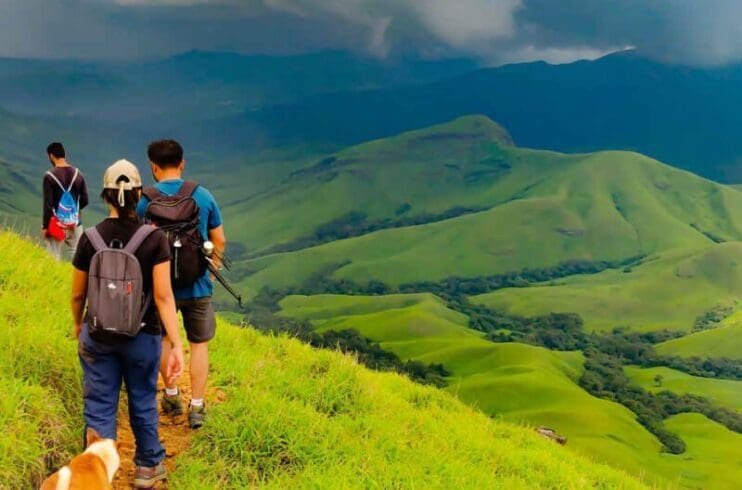
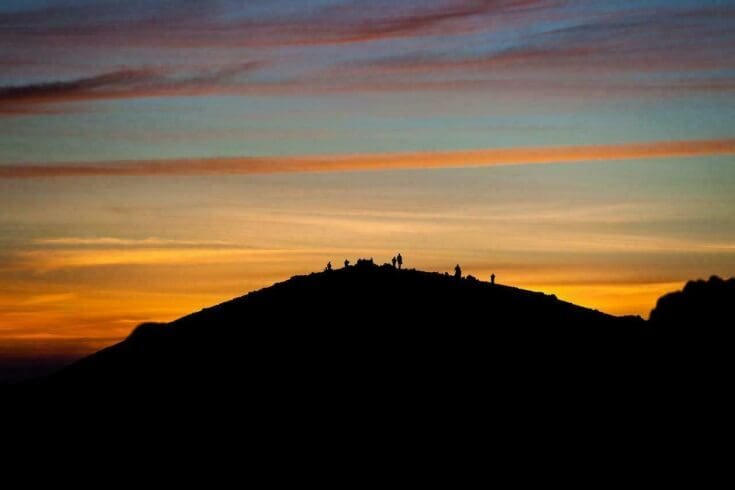
Nestled amidst the undulating landscapes of Karnataka, Shivaganga Hill stands as a timeless symbol of natural beauty and…
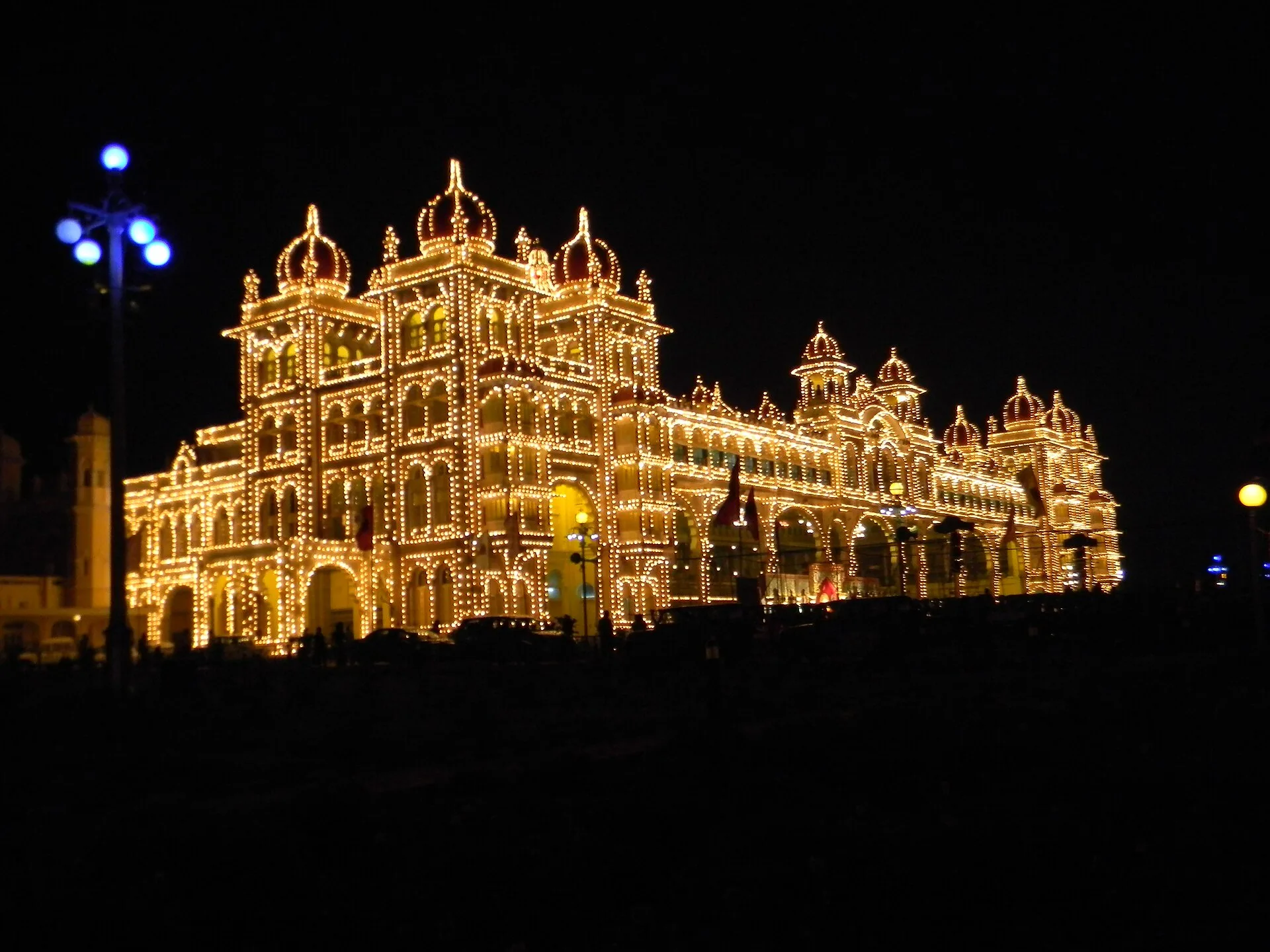
The Mysuru Dasara Trip runs 5 days and 4 nights from Bengaluru, graded Easy, from Rs 11,500 per person, following the route Bengaluru – Mysuru – Chamundi Hill – Mysore Palace – Srirangapatna – Brindavan Gardens – Bengaluru around the ten-day Dasara festival.
Mysuru sits at roughly 770 metres on the southern Deccan plateau, about 145 kilometres from Bengaluru, and the city has been the stage for Dasara for more than four centuries. The festival is Karnataka‘s Nada Habba, the state festival, and it is not a tourist invention: the public celebration is traced to Raja Wadiyar I, who moved the court’s Dasara observances to Srirangapatna in 1610 and opened them to his subjects. When the capital returned to Mysuru, the ritual came with it.
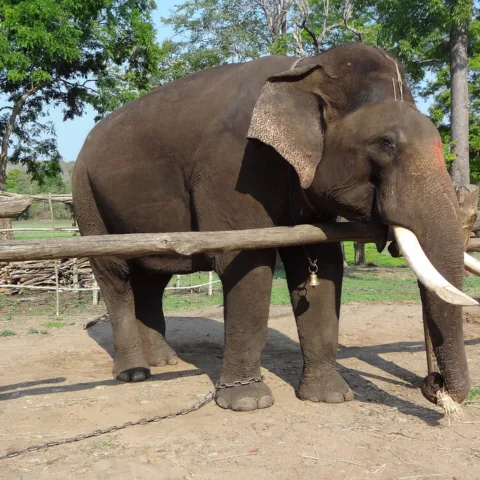
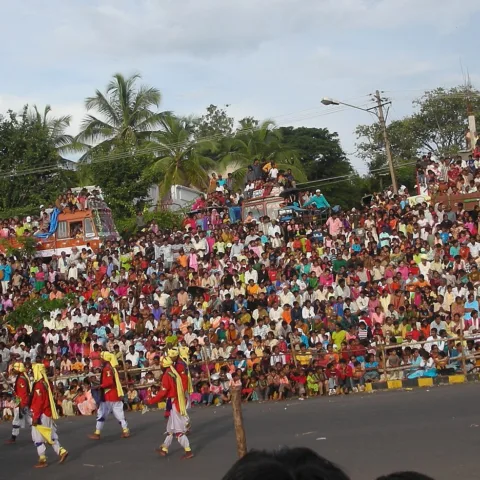
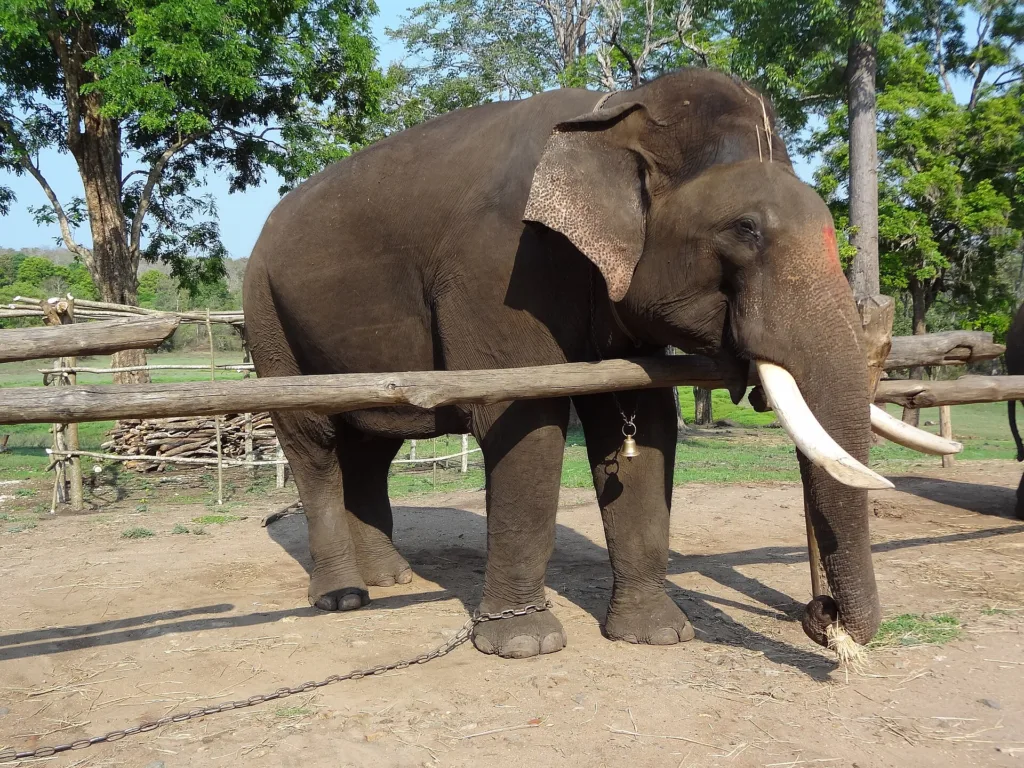
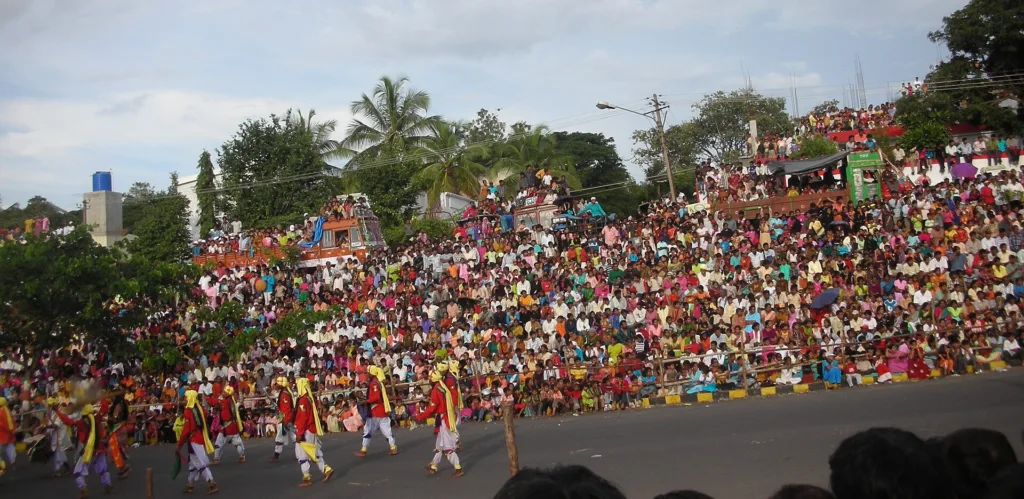
The ten days build towards Vijayadashami, when the Jamboo Savari procession leaves the palace grounds and moves to Bannimantap. A caparisoned elephant carries the idol of Goddess Chamundeshwari in a golden howdah weighing around 750 kilograms, followed by mounted cavalry, folk troupes, tableaux and marching bands. The scale is genuinely large, and the crowd along the route is part of the experience rather than an inconvenience to be managed.
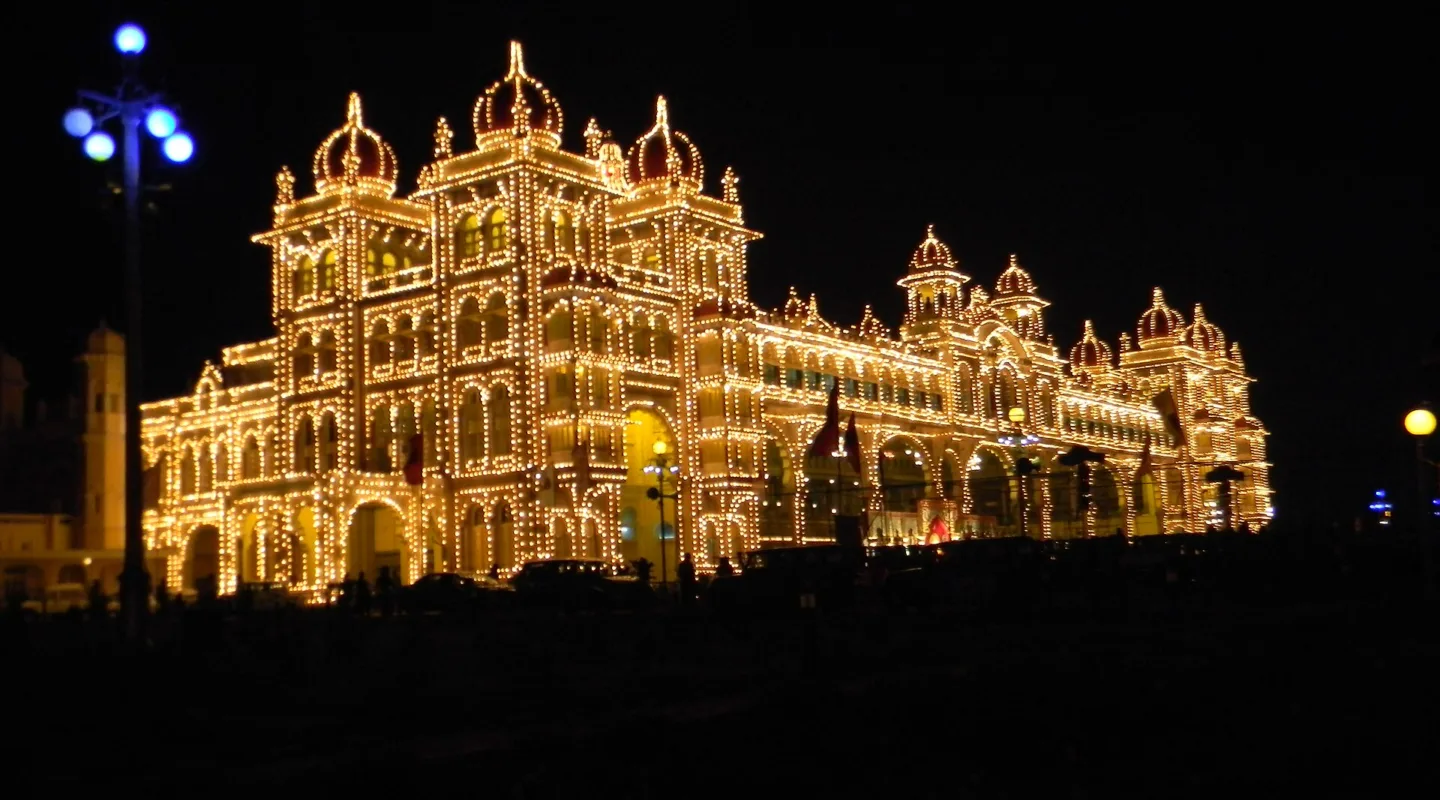
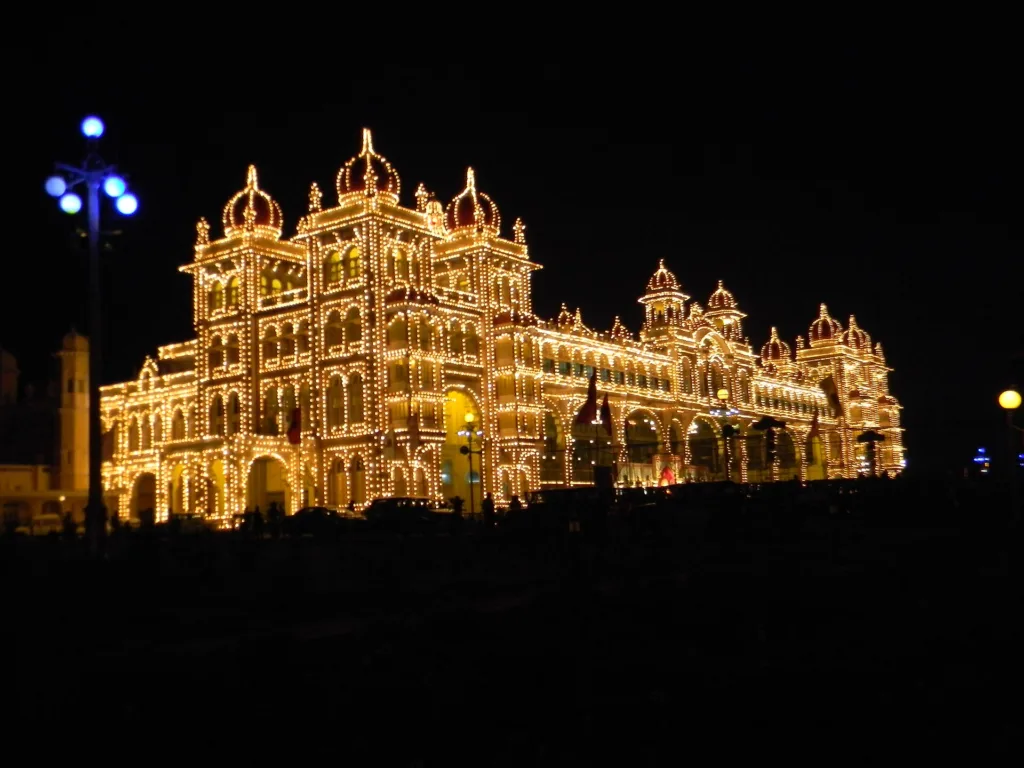
The palace itself is the other half of the story. The present Amba Vilas structure was built between 1897 and 1912 to a design by Henry Irwin, after the earlier palace burned in 1897. Through Dasara it is lit with close to a hundred thousand bulbs, and the effect on the approach roads at dusk is the single most photographed sight in the city. Chamundi Hill, which gives the goddess her name, rises just outside town with a thousand-step stairway and a monolithic Nandi bull carved in the seventeenth century.
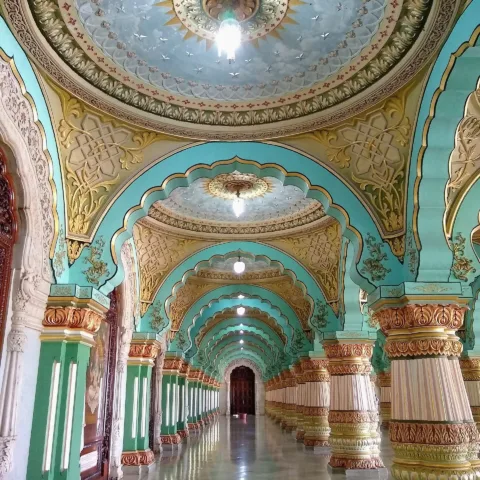
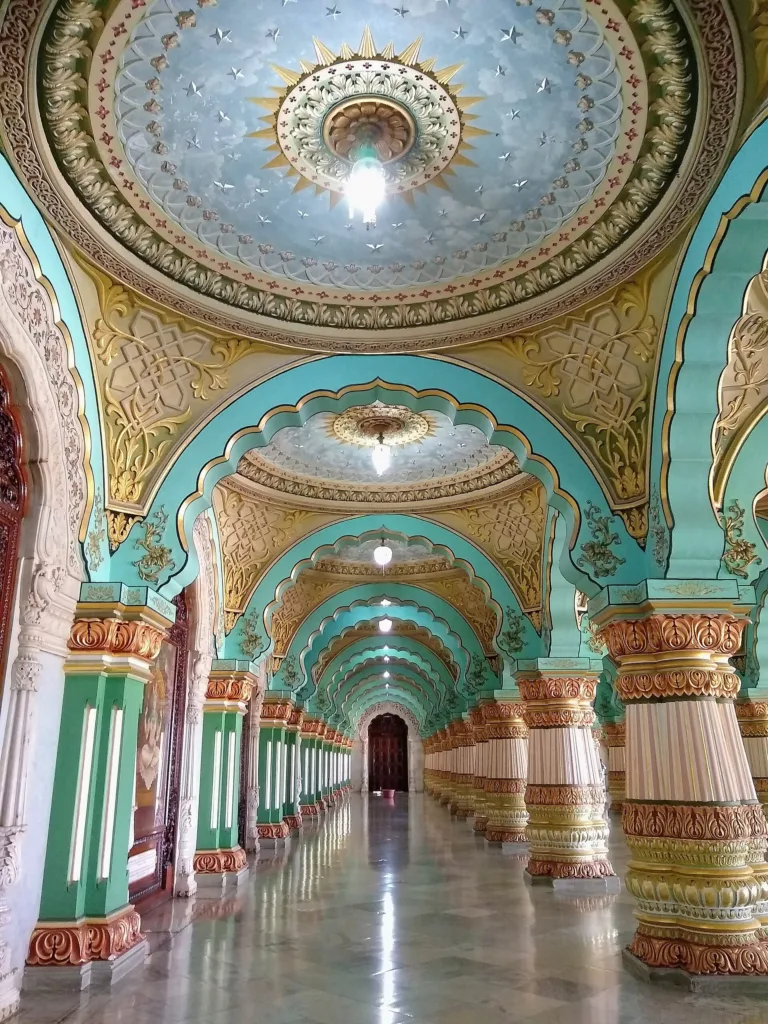
The first day is the drive down from Bengaluru, arriving in Mysuru by afternoon with time to settle in before the evening illumination. Day two is Chamundi Hill in the morning, climbing early to beat both the heat and the queue, then the palace interior in the afternoon when the durbar hall, the golden throne room and the painted ceilings are open.
Day three is the cultural programme. Dasara fills the city with concerts, dance performances and the Yuva Dasara stage, and the itinerary keeps the afternoon free so you can choose what to attend rather than being marched between venues. Day four is Vijayadashami and the procession, with a viewing position secured well before the Jamboo Savari starts.
The last morning goes west to Srirangapatna, the island fortress that was Tipu Sultan’s capital, and on to the terraced Brindavan Gardens below the Krishnaraja Sagar dam before the drive back to Bengaluru. It is a deliberately gentle finish after the crowds of the previous day.
This trip suits travellers who want to see a major Indian festival properly rather than catch a glimpse of it. The pace is easy, the walking is modest, and the days are built around fixed events rather than long transfers, so it works well for first-time visitors to Karnataka, for families with older children, and for anyone travelling solo who would rather not navigate festival crowds alone.
It is not a trek and does not pretend to be. If you want long days on foot or high ground, the Karnataka treks in the catalogue are a better fit. What this trip offers is access, context and a seat at one of the country’s oldest continuous public celebrations.
The price covers four nights of hotel accommodation on twin sharing in Mysuru, daily breakfast and dinner, all road transfers from Bengaluru in an air-conditioned vehicle, the services of a trip captain throughout, and the arrangements for the Dasara viewing position. Palace entry tickets and the Chamundi Hill arrangements are included; personal shopping, lunches and any optional cultural event tickets are not.
Dasara follows the lunar calendar and falls in September or October, with the ten days ending on Vijayadashami. That window is the whole point of the trip, so the Dasara batch is fixed to the festival dates. Outside Dasara, Mysuru is pleasant from October to February, but the procession and the palace illumination only happen during the festival.
It is graded Easy. There is no trekking and no altitude to worry about, since Mysuru sits at around 770 metres. The main physical demands are standing and walking at the palace and along the procession route, and the thousand steps at Chamundi Hill are optional because the temple can also be reached by road.
Only basic fitness. If you can walk for an hour on flat ground and stand for a couple of hours at a stretch, you will be comfortable. The procession day is the longest, and the viewing position is secured in advance so you are not pushing through crowds.
Yes. The group format, shared accommodation and a trip captain throughout make it straightforward, and festival days are far easier in a group than alone, when transport and viewing positions are hard to arrange at short notice. Couples and families travel on the same departures.
Four nights in a mid-range hotel in Mysuru on twin sharing, chosen for proximity to the palace precincts so the evening illumination and the procession route are reachable without a long transfer. Single supplement is available on request.
Yes. Mysuru has reliable 4G coverage on all major networks, and the hotel will have wifi. The only caveat is that networks get congested in the palace area on Vijayadashami, so download maps and tickets in advance and expect slow data during the procession itself.
Dasara is a ten-day festival, and the shape of those ten days matters if you are planning around it. The observances open on the first day with a puja at the Chamundeshwari temple on Chamundi Hill, and the days that follow are filled with a programme that runs in parallel across the city: classical music and dance at the palace and at the exhibition grounds, the Yuva Dasara stage aimed at a younger audience, wrestling bouts, a food festival and a flower show. The final three days tighten towards Vijayadashami, with Mahanavami and Ayudha Puja on the ninth day, when tools, vehicles and instruments are blessed, and the Jamboo Savari procession on the tenth.
The procession itself is worth understanding before you stand in the crowd. It leaves the palace grounds in the late afternoon and moves along a fixed route to Bannimantap, where the traditional Shami Puja is performed. The lead elephant carries the idol of Chamundeshwari in the golden howdah, and behind it come camels, horses, folk troupes from across Karnataka, tableaux from government departments and marching bands. The torchlight parade follows later the same evening at the Bannimantap grounds. Timings shift year to year and are announced by the district administration, which is why the itinerary keeps the afternoon flexible rather than promising a fixed hour.
On cost, the honest answer is that Dasara is the most expensive week of the year in Mysuru. Hotel rates roughly double, and rooms near the palace are booked months ahead. Our price of Rs 11,500 for five days reflects that: it is a festival-week price, not a normal-season one, and it is why the Dasara batch is priced and scheduled separately from any other Mysuru departure. Booking early is not a sales tactic here, it is the only way the accommodation exists at all.
On season, Dasara falls in September or October, at the tail of the southwest monsoon. That means the hills around the city are green, the evenings are cool, and there is a real chance of a sharp shower during the procession. Carry a light rain layer. The upside is that the light after rain on the illuminated palace is better than anything the dry months offer.
One practical note on the palace. The interior is closed to visitors at various points during the festival for royal rituals, and the queue for the durbar hall can run to an hour or more. The itinerary puts the palace visit on the second day, before the crowds peak, and the trip captain will adjust the order if the palace announces a closure. Photography inside the palace is restricted, and the rules are enforced.
Explore related pages: All trips in Karnataka · Browse all destinations · All activities · Karnataka destination guide · Trekking in India.
Photo credits. Photographs on this page are from Wikimedia Commons and are used under the licences listed below. Each image is credited to its photographer; the licence terms apply to reuse of the image.
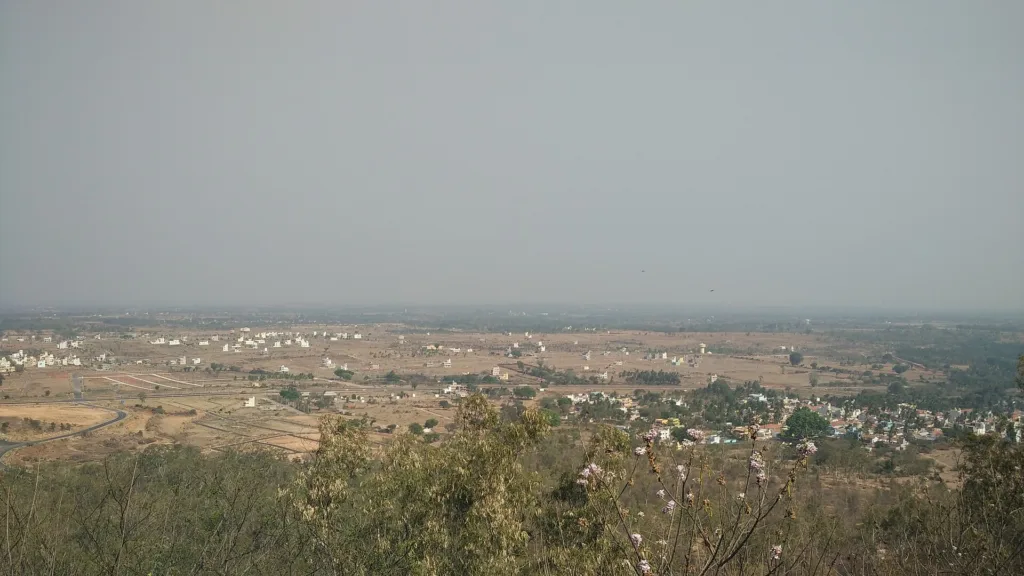
Nestled amidst the undulating landscapes of Karnataka, Shivaganga Hill stands as a timeless symbol of natural beauty and…
Kumara Parvatha Trek : A Trekker's Guide to Blissful Adventure Calling all adventure enthusiasts! Get ready to experience…
Overview of the Coorg Trip from Bangalore Coorg Trip from Bangalore runs 1N/2D from Bangalore, graded Easy, from…