


Moderate

Kanamo Peak Trek
Conquer the Heights of Spiti Valley If you’re craving a high-altitude adventure, the Kanamo Peak Trek is an…
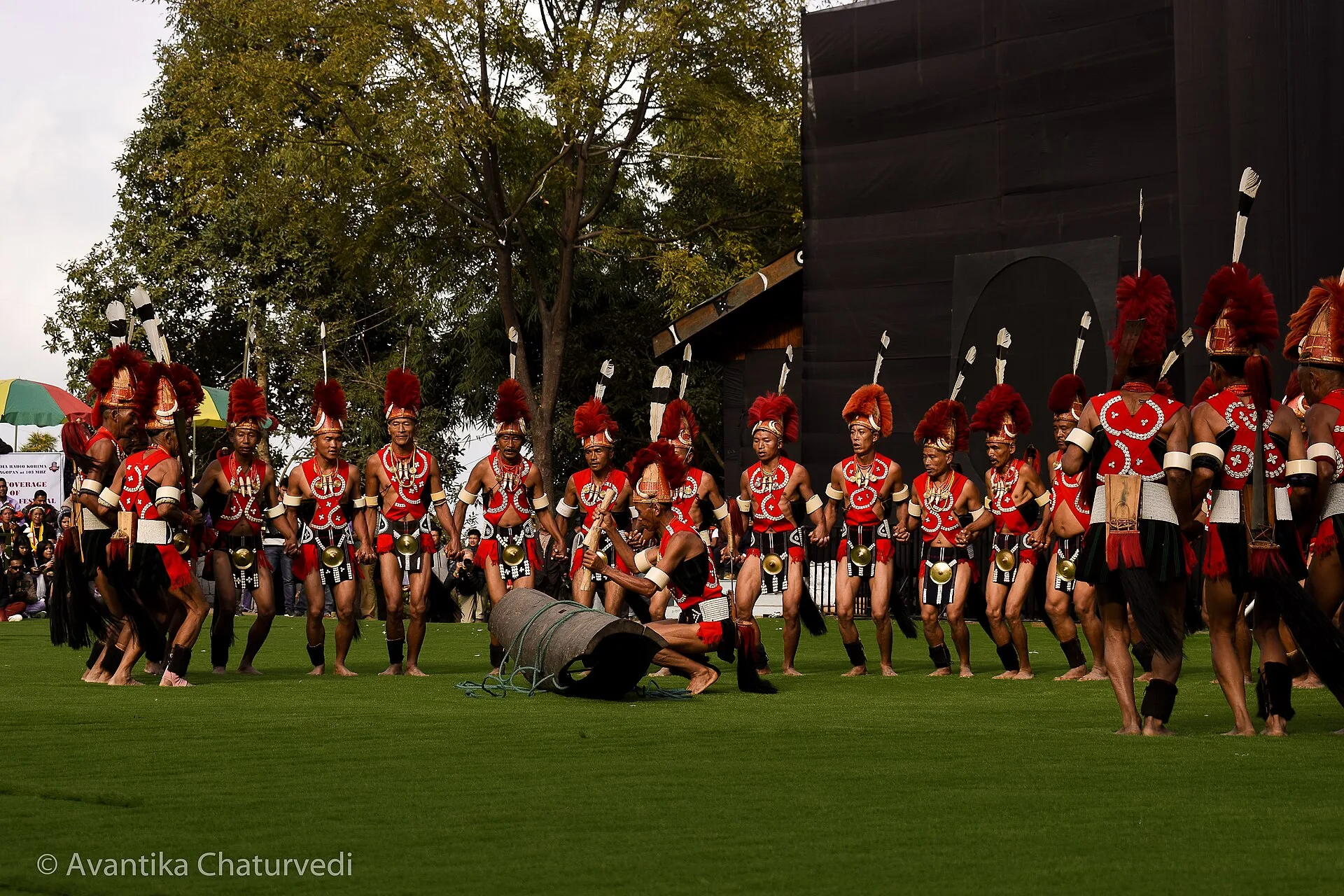
The Hornbill Festival Nagaland tour runs 5N/6D from Dimapur, graded Easy, from Rs 11,500 per person. Route: Dimapur – Kohima – Kisama Heritage Village – Khonoma – Jakhama – Dimapur.
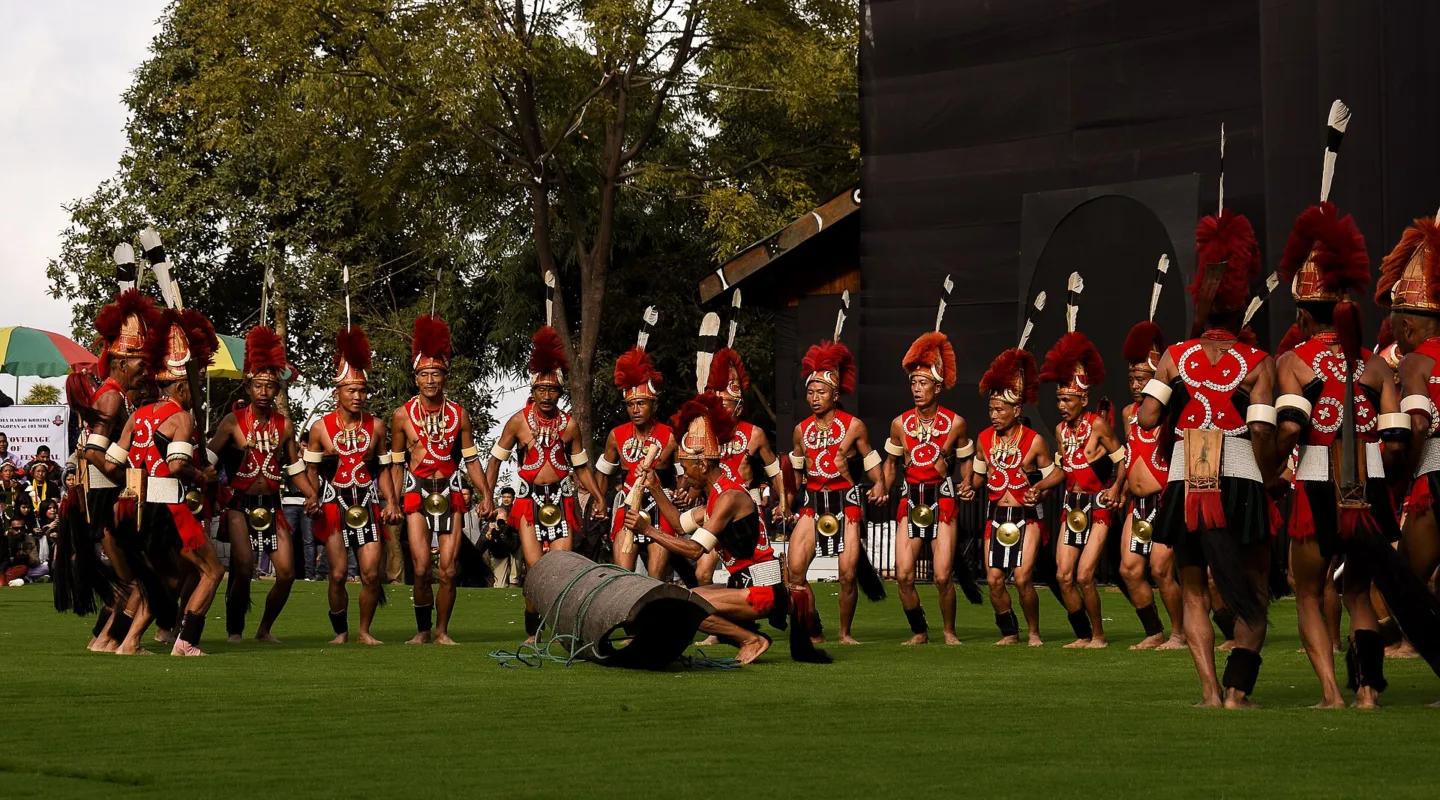
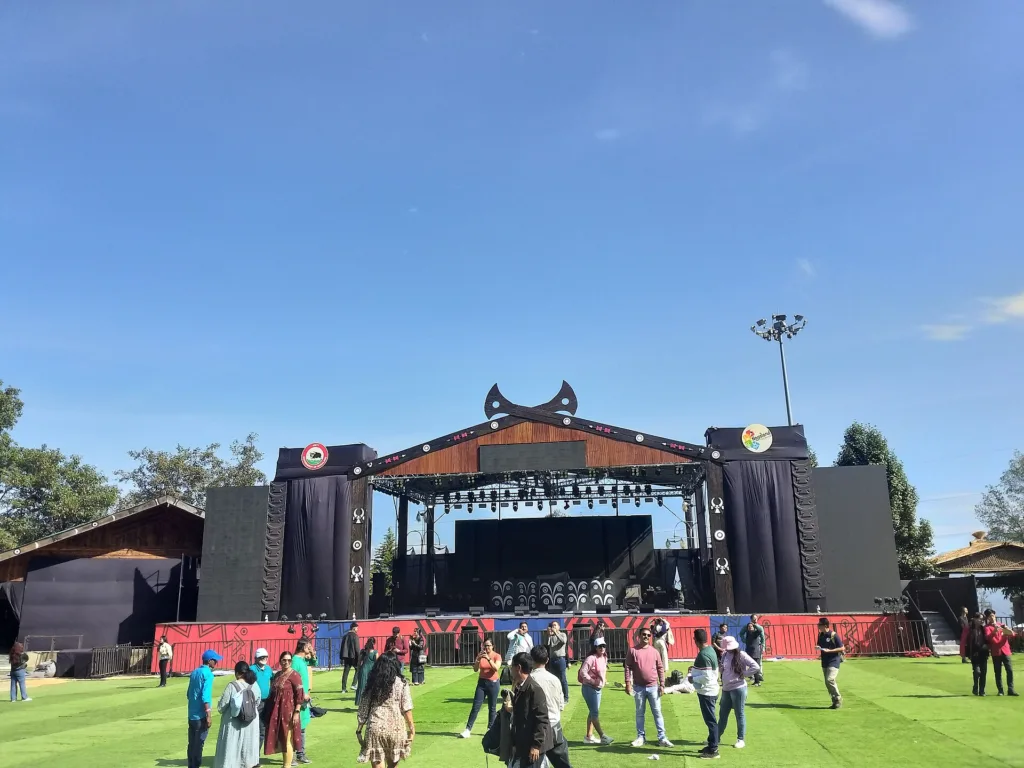
The Hornbill Festival is Nagaland’s flagship cultural event, held every year from 1 to 10 December at Kisama Heritage Village, roughly 12 kilometres from Kohima. The Government of Nagaland launched it in 2000 to encourage interaction between the state’s communities and to put Naga culture in front of a wider audience, and it has grown into the largest tribal cultural festival in India. December 1 is also Nagaland Statehood Day, the date on which the state was created in 1963, which is why the festival opens when it does. It takes its name from the Indian hornbill, a bird that appears across Naga folklore and in traditional dress.
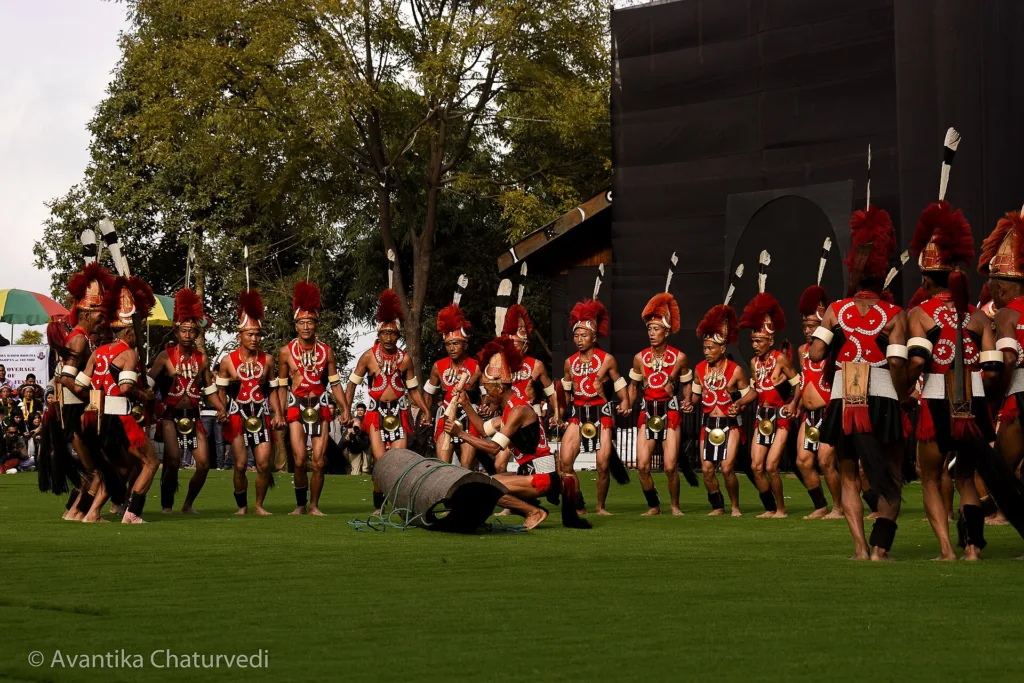
What makes Kisama unusual is the layout. Each of Nagaland’s recognised tribes builds its own morung, the traditional wooden dormitory-hut that anchors village life, inside the heritage village, and each tribe’s contingent performs, cooks and sells from its own compound for the ten days. This is not a stage show watched from a distance: the log-drum calls, the warrior chants and the bamboo dances happen at arm’s length, and the food stalls run from smoked pork with bamboo shoot to axone and rice beer. Alongside the performances there are indigenous sports, a craft bazaar, a night market and a rock concert.
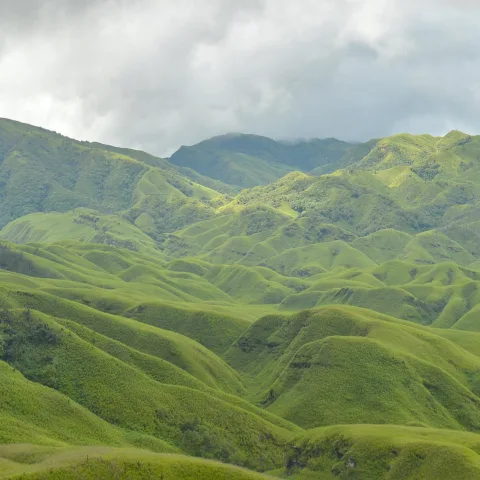
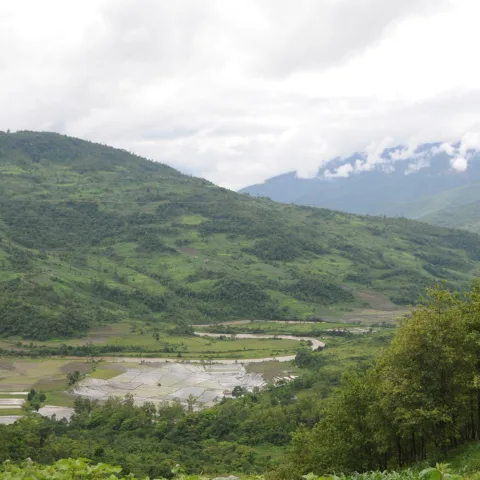
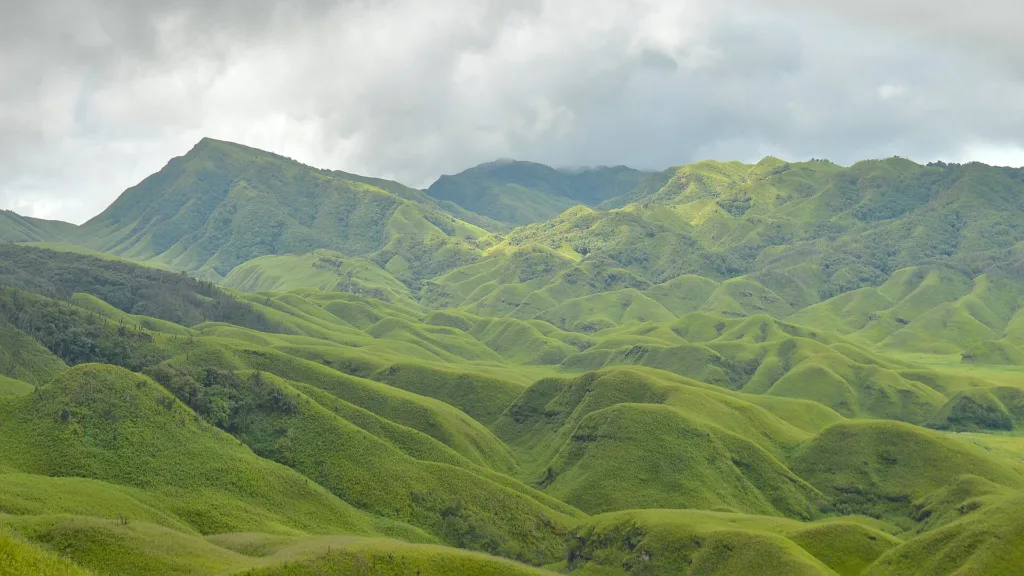
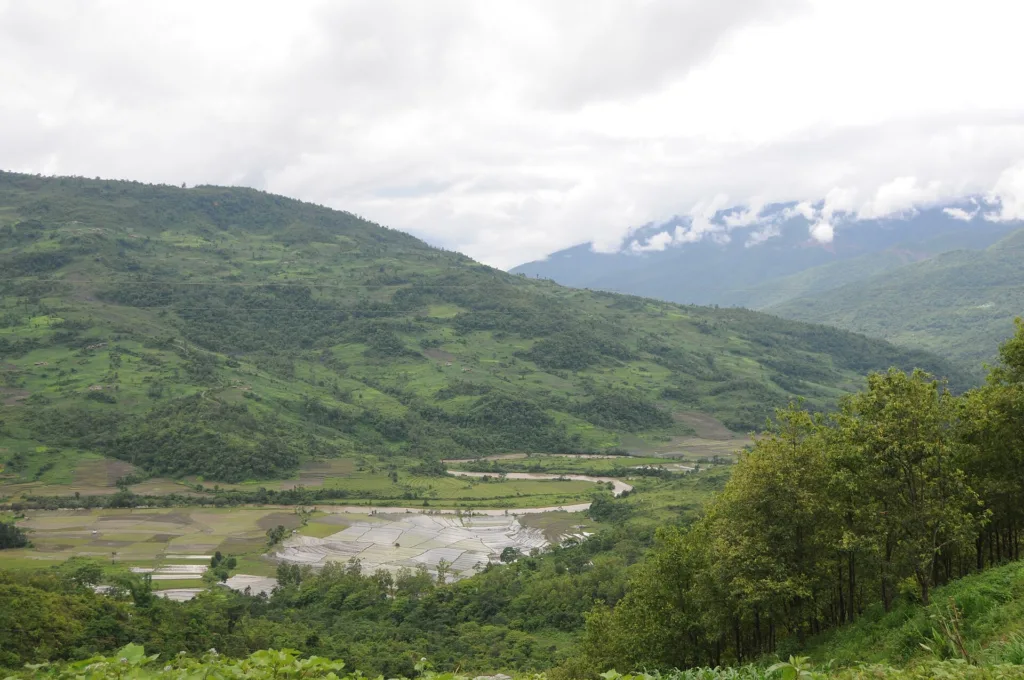
Nagaland is a hill state on the India-Myanmar border, and Kohima, its capital, sits at around 1,444 metres. The drive up from Dimapur drops out of the plains of Assam and climbs through terraced hillsides and pine ridges, and the temperature falls with every bend. About 20 kilometres from Kohima, Khonoma was declared India’s first green village for its community ban on hunting and logging, and its terraced fields are still farmed the old way. You can see the wider state on our destinations page.
Day one is the transfer from Dimapur up to Kohima, with a stop at the Kohima War Cemetery on the ridge where the 1944 battle was fought. Day two and day three are full days at Kisama, timed so that you arrive before the morning performances rather than after them. Day four goes out to Khonoma for the terraces and the village walk, then on to Jakhama. Day five is a second Kisama day plus the craft bazaar and the night market in Kohima town, and day six is the drive back down to Dimapur for the onward train or flight.
Distances in Nagaland are short but slow. Kohima to Kisama is about 12 kilometres and can take forty minutes in festival traffic, and Khonoma is another 20 kilometres beyond that. The road is hill road throughout, with sharp bends and no lighting in stretches, so all driving is done in daylight wherever the schedule allows.
This trip suits travellers who want to be inside a living festival rather than photograph it from the edge. There is very little walking involved and no altitude concern at Kohima’s 1,444 metres, so it works for a wide age range and for people who have never done a trek. It is a strong fit for solo travellers, since the group format and the shared meals at Kisama make it easy to talk to people, and for anyone building a first trip to the Northeast.
The price covers five nights of accommodation in Kohima on twin sharing, all breakfasts and dinners, the Dimapur transfers both ways, daily transport to and from Kisama, the Khonoma excursion, festival entry and a trip captain throughout.
The Hornbill Festival runs every year from 1 to 10 December at Kisama Heritage Village, about 12 kilometres from Kohima. It was launched by the Government of Nagaland in 2000, and December 1 is also Nagaland Statehood Day. This trip is built around the first week of the festival, so the departures that fall inside that window are the ones to book.
It is graded easy. Kohima sits at around 1,444 metres, which is low enough that altitude sickness is not a concern, and the walking is limited to the festival grounds, the town and the village lanes at Khonoma. Anyone comfortable on their feet for a few hours a day will manage it.
A basic level. There is no trekking and no long climb. The main physical demands are standing and walking slowly around Kisama for several hours at a time, and the uneven ground and steps at the heritage village. If you can walk for three or four hours with breaks, you are fit enough.
Yes. Shared accommodation on twin sharing, a trip captain throughout and communal meals at the festival make it easy for solo travellers, and the group format means you are never on your own unless you want to be. Couples and friend groups also fit well.
Five nights in a hotel in Kohima on twin sharing, chosen for proximity to the festival road rather than for luxury. Rooms have attached bathrooms and hot water. Singles who want a room to themselves can pay a single supplement, subject to availability during the festival week.
Indian citizens need no permit for Kohima, but foreign nationals need an Inner Line Permit, which is applied for online before travel. Mobile coverage in Kohima town is generally reliable, but it weakens on the Dimapur road and inside the Kisama grounds. Treat the festival days as partly offline and download what you need in advance.
Explore related pages: All trips in Nagaland · Browse all destinations · All activities · Kohima destination guide · Trekking in India.
Photo credits. Photographs on this page are from Wikimedia Commons and are used under the licences listed below. Each image is credited to its photographer; the licence terms apply to reuse of the image.
Conquer the Heights of Spiti Valley If you’re craving a high-altitude adventure, the Kanamo Peak Trek is an…
An Unforgettable Adventure in the Dhauladhar Range If you're searching for a short yet thrilling Himalayan trek, the…
A pilgrimage-turned-trek to the source of the Ganga at the snout of the Gangotri Glacier, ending on a…