
Difficult
Velliangiri Hills Trek
Velliangiri Hills Trek, 2D/1N from Coimbatore. Seven consecutive hills, a cave camp at the fifth and sunrise from…
Next Departure
20/11/2026
15 seats left
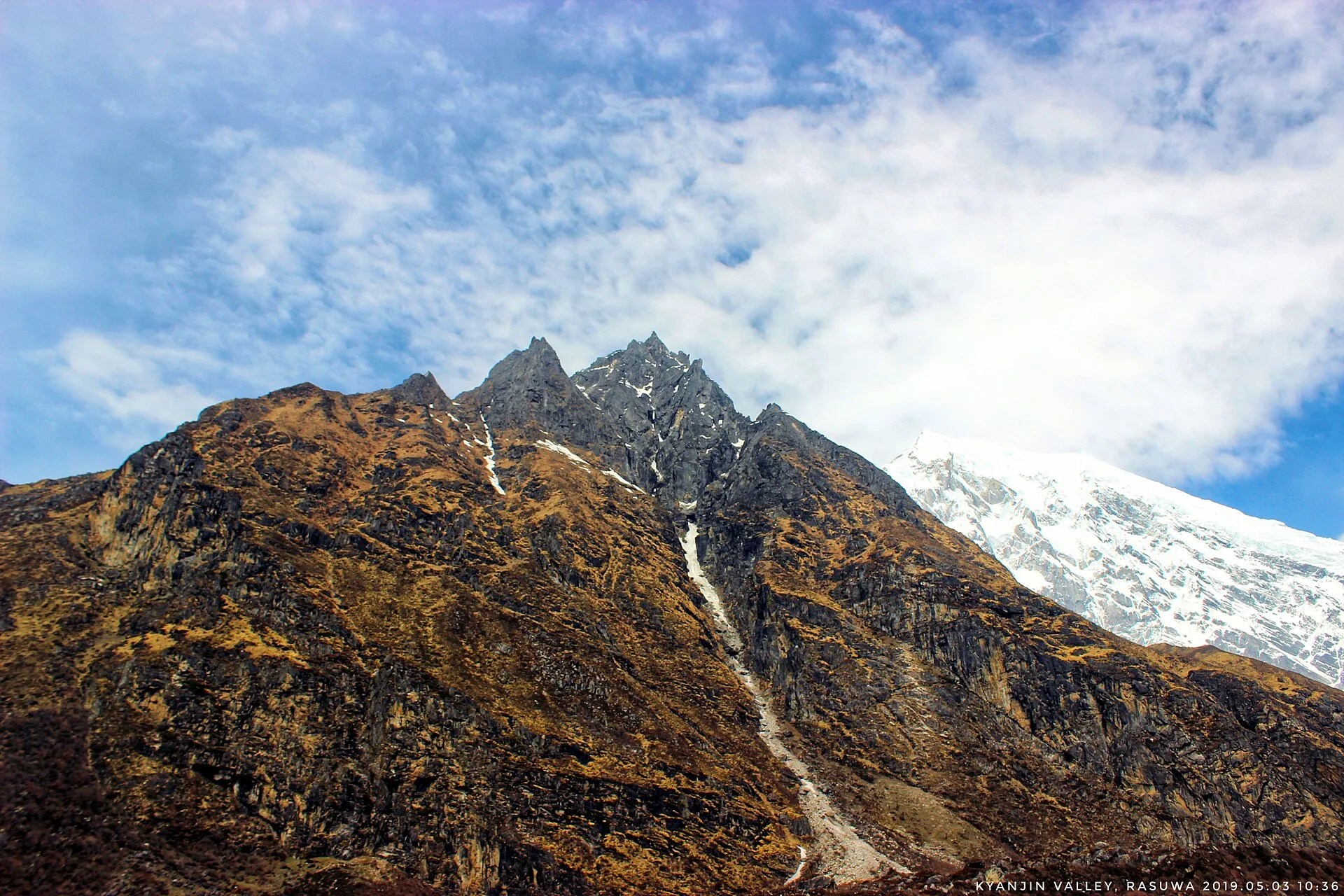
The Langtang Valley Trek is a 8-day, 7-night moderate trek in Nepal priced from Rs 19,500 per person, running Kathmandu to Syabrubesi, up the Langtang river through Lama Hotel and Langtang village to Kyanjin Gompa, with a side climb of Kyanjin Ri.
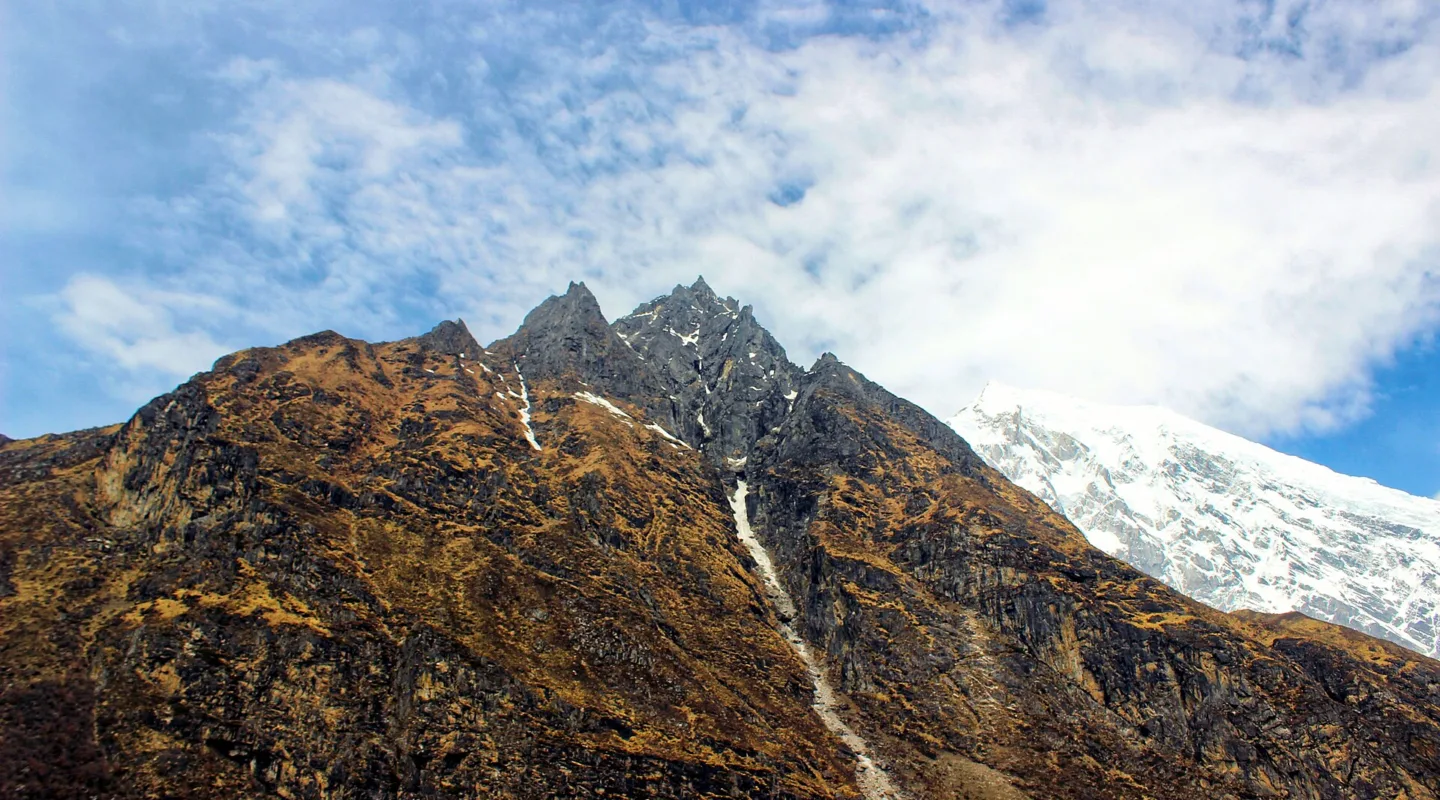
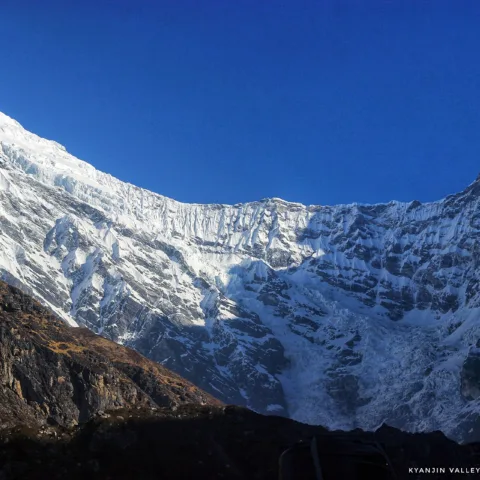
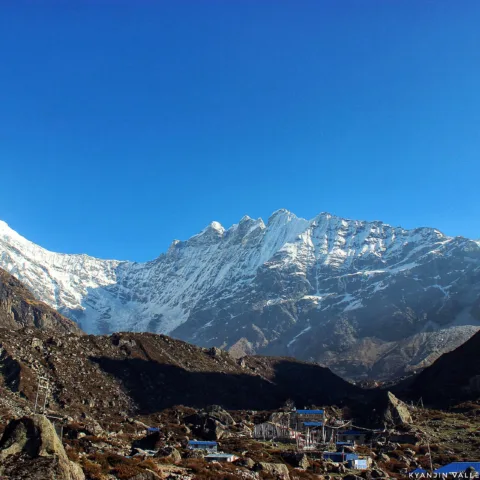
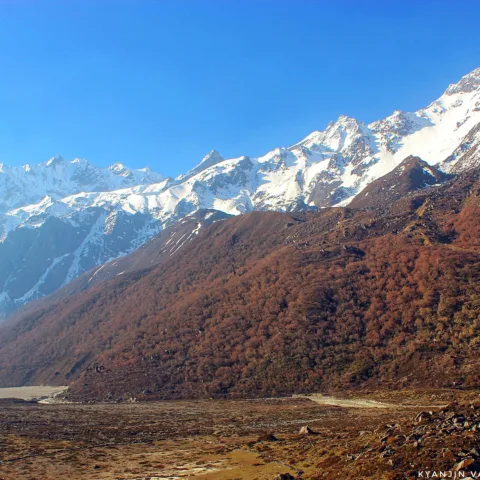
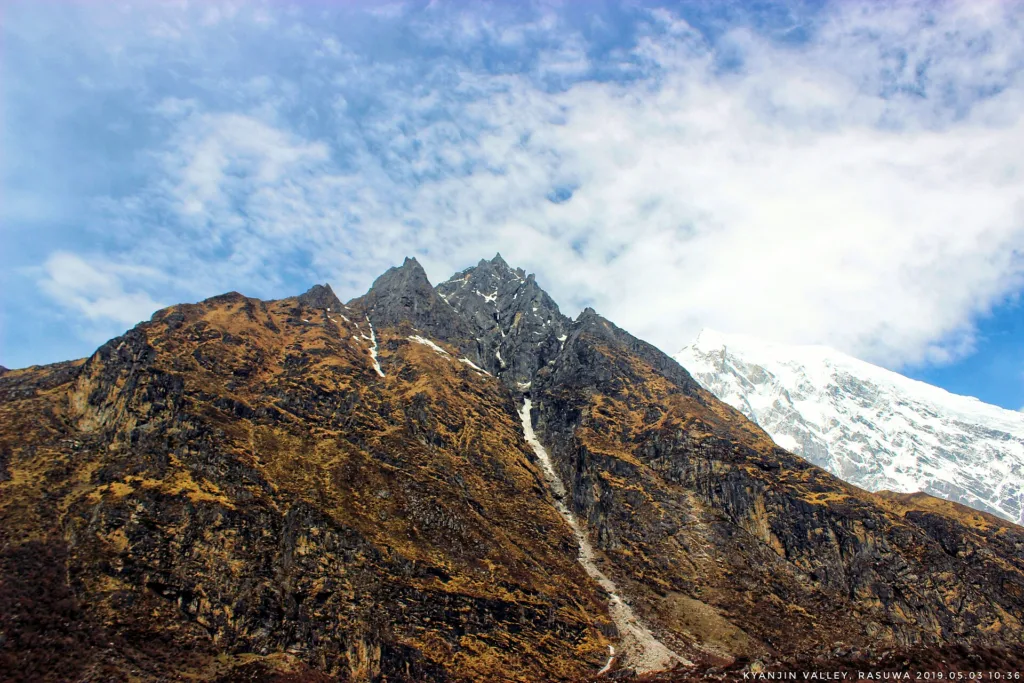
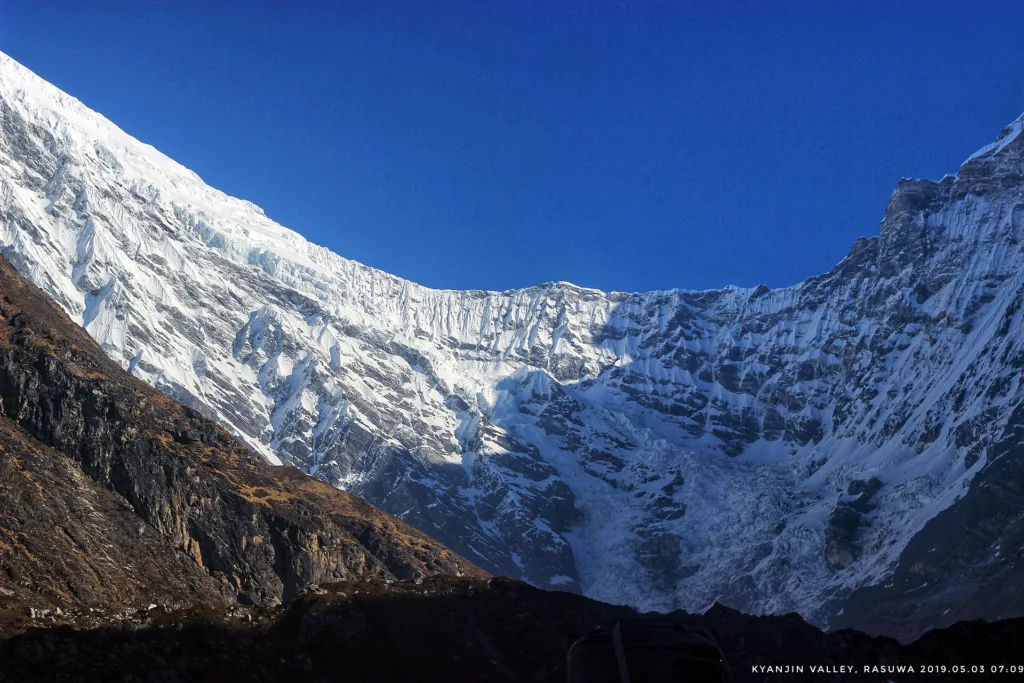
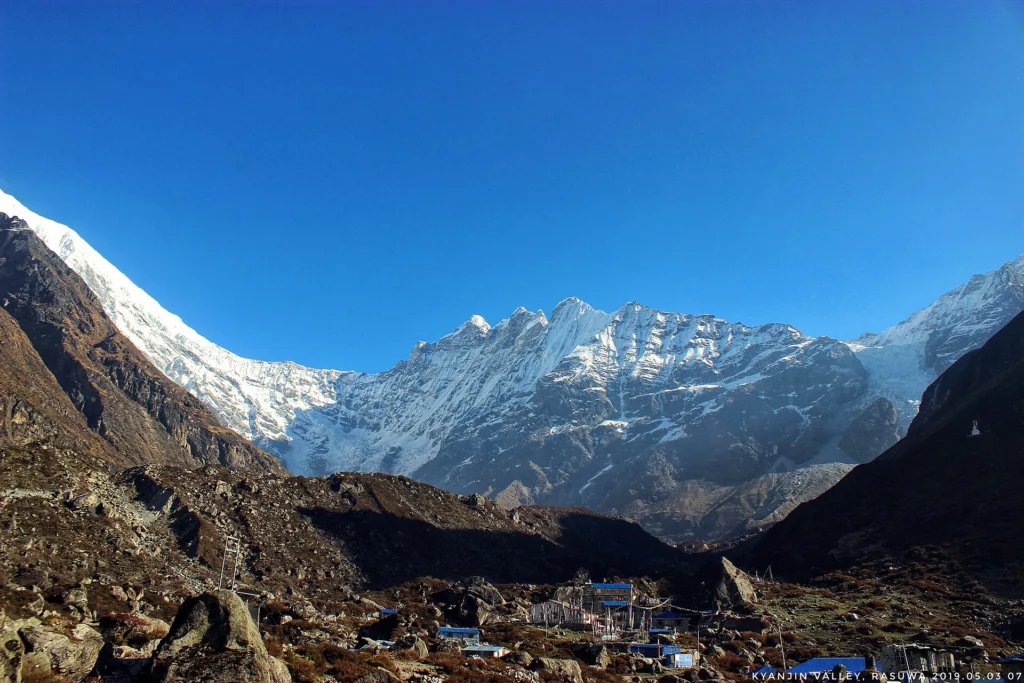
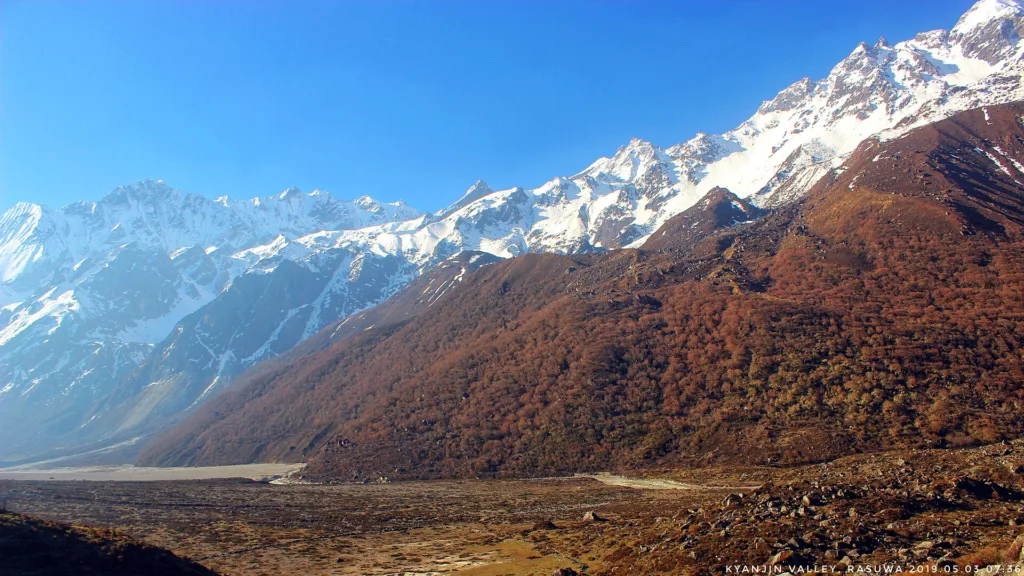
Langtang is the closest big Himalayan valley to Kathmandu — a single long drive north to Syabrubesi and you are on the trail. The route follows the Langtang river up through oak and rhododendron forest to Langtang village, then on to Kyanjin Gompa at 3,870 m, where the valley opens into a bowl of ice and rock beneath Langtang Lirung at 7,227 m.
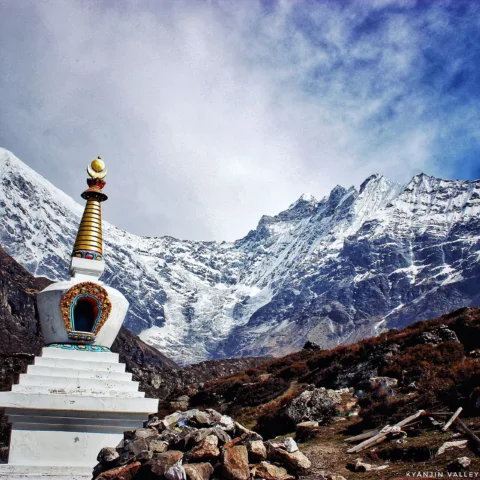
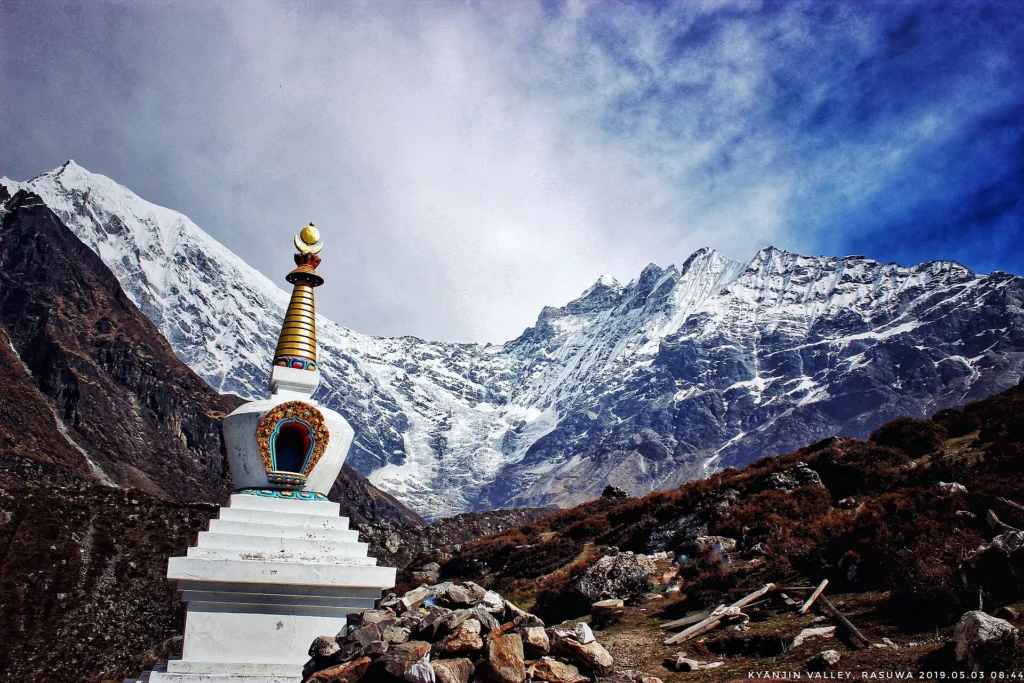
The valley is Tamang country. The villages along the route are Buddhist, with mani walls, chortens and a monastery at Kyanjin, and the culture is closer to Tibetan than to the Hindu lowlands. That, more than the altitude, is what people remember.
The 2015 earthquake destroyed Langtang village in a landslide and killed several hundred people there. The village has been rebuilt on a safer site and the trail is fully open, but the memory is part of the place and worth understanding before you walk through it.
For the wider region, see our Nepal destination hub and the full destination index.
The drive from Kathmandu to Syabrubesi at 1,500 m takes 7 to 8 hours on a mountain road. The walking starts the next morning and follows the Langtang Khola upstream through bamboo and oak to Lama Hotel at 2,470 m.
Day three continues to Langtang village at 3,430 m, passing the landslide zone below the old village — a section that is narrow and should be walked with care. Day four is a short climb to Kyanjin Gompa at 3,870 m, where you spend two nights to acclimatise.
The acclimatisation day is used for Kyanjin Ri at 4,773 m, a 3 to 4 hour return climb directly above the gompa, or the longer and higher Tserko Ri at 4,984 m. The descent retraces the valley over three days.
Langtang suits trekkers who want a real Himalayan valley without the crowds or the flight of Everest or Annapurna. It is a good step up from an Indian Himalayan trek and a reasonable first Nepal trek, since the altitude gain is gradual and there are teahouses throughout.
It does not suit anyone wanting a technical climb or a wilderness camping experience — this is a teahouse trek with villages every few hours. It is also not ideal for a first-ever multi-day walk, because the two nights at 3,870 m are demanding.
March to May and September to November. Spring brings rhododendron on the lower trail and clearer mornings; autumn gives the most stable weather and the sharpest mountain views. Winter is possible but the teahouses above 3,400 m close and the passes are cold. The monsoon brings leeches and cloud.
You sleep at 3,870 m at Kyanjin Gompa for two nights and climb to 4,773 m on Kyanjin Ri. The gradual ascent through the valley means acclimatisation is built in, but mild symptoms are common at Kyanjin. The extra night there is deliberate, and the guide carries an oximeter.
You should manage 6 to 7 hours of walking on consecutive days with a day pack, at altitudes up to 4,773 m. The trail is well graded and there is no scrambling, but the altitude makes the Kyanjin Ri day feel harder than its 900 m of gain suggests.
Yes. Solo travellers join a group of up to 12 and share twin teahouse rooms. Nepal does not require a guide for this route legally, but we do not run it unguided — the landslide section and the altitude both warrant one. A single supplement is available.
Teahouses throughout, on twin sharing, with shared bathrooms. Below 3,000 m most have hot showers for a fee; above that, washing is basic. Food is cooked to order from a menu of dal bhat, noodles, soups and eggs. Kyanjin Gompa has a bakery and a cheese factory.
Signal is patchy. There is 4G at Syabrubesi and intermittent coverage up to Lama Hotel, then nothing reliable beyond Langtang village. Some teahouses at Kyanjin sell Wi-Fi by the hour via satellite. Expect to be largely offline for four days.
Rs 19,500 for eight days is priced against the Nepali teahouse model rather than camping. You are paying for permits, a licensed guide, a porter, all meals on trek and the road transport from Kathmandu — a 7 to 8 hour drive each way that is a significant part of the cost.
It is cheaper than Everest or Annapurna because there is no domestic flight. The trade-off is the drive, which is long and on a mountain road. If your time is short, that is the main argument against Langtang; if your budget is, it is the main argument for.
March to May and September to November. Spring gives rhododendron on the lower trail and clearer mornings; autumn gives the most stable weather and the sharpest views of Langtang Lirung. October is the single best month for photography.
Winter is possible but the teahouses above 3,400 m largely close, and Kyanjin Gompa can be snowbound. The monsoon from June to August brings leeches below Lama Hotel, cloud in the valley and a real risk of landslides on the road. We do not run departures then.
Six to seven hours a day on consecutive days, with a high point of 4,773 m on Kyanjin Ri. The trail is well graded and there is no scrambling, but the altitude is what makes it moderate. The two nights at Kyanjin Gompa are there specifically so the Kyanjin Ri day is done rested.
The descent is the easy part — three days down a valley you already know. Most people find day four, the climb to Langtang village, harder than the summit day, because it is the first time the altitude really registers.
The April 2015 earthquake triggered a landslide that buried the old Langtang village and killed several hundred people, including many trekkers. The village has been rebuilt on a safer site slightly up the valley, and a memorial stands near the trail. Walking through it is a sobering part of the trek and worth approaching with some respect.
The people of the valley are Tamang, a Buddhist group with close cultural ties to Tibet. Mani walls, chortens and prayer flags line the route, and the monastery at Kyanjin Gompa is active. The cheese factory there, established with Swiss assistance, is a genuinely good stop — and the bakery next door sells better cake than you would expect at 3,870 m.
Start with the Nepal destination hub, browse the full destination index and our activities pages, then compare this route with the rest of our trekking collection.
Photographs on this page are licensed from Wikimedia Commons. Full attribution and licence for each image is listed below.
Velliangiri Hills Trek, 2D/1N from Coimbatore. Seven consecutive hills, a cave camp at the fifth and sunrise from…
Kumara Parvatha Trek : A Trekker's Guide to Blissful Adventure Calling all adventure enthusiasts! Get ready to experience…
Amarkantak Trek, 3D/2N from Jabalpur. The Narmada and Son sources, Kapildhara and Dudhdhara falls, and the Maikal ridge.…