

Difficult

Pin Parvati Pass Trek
An 11-day high-altitude crossing from the lush Parvati Valley to the stark Spiti desert — widely regarded as…
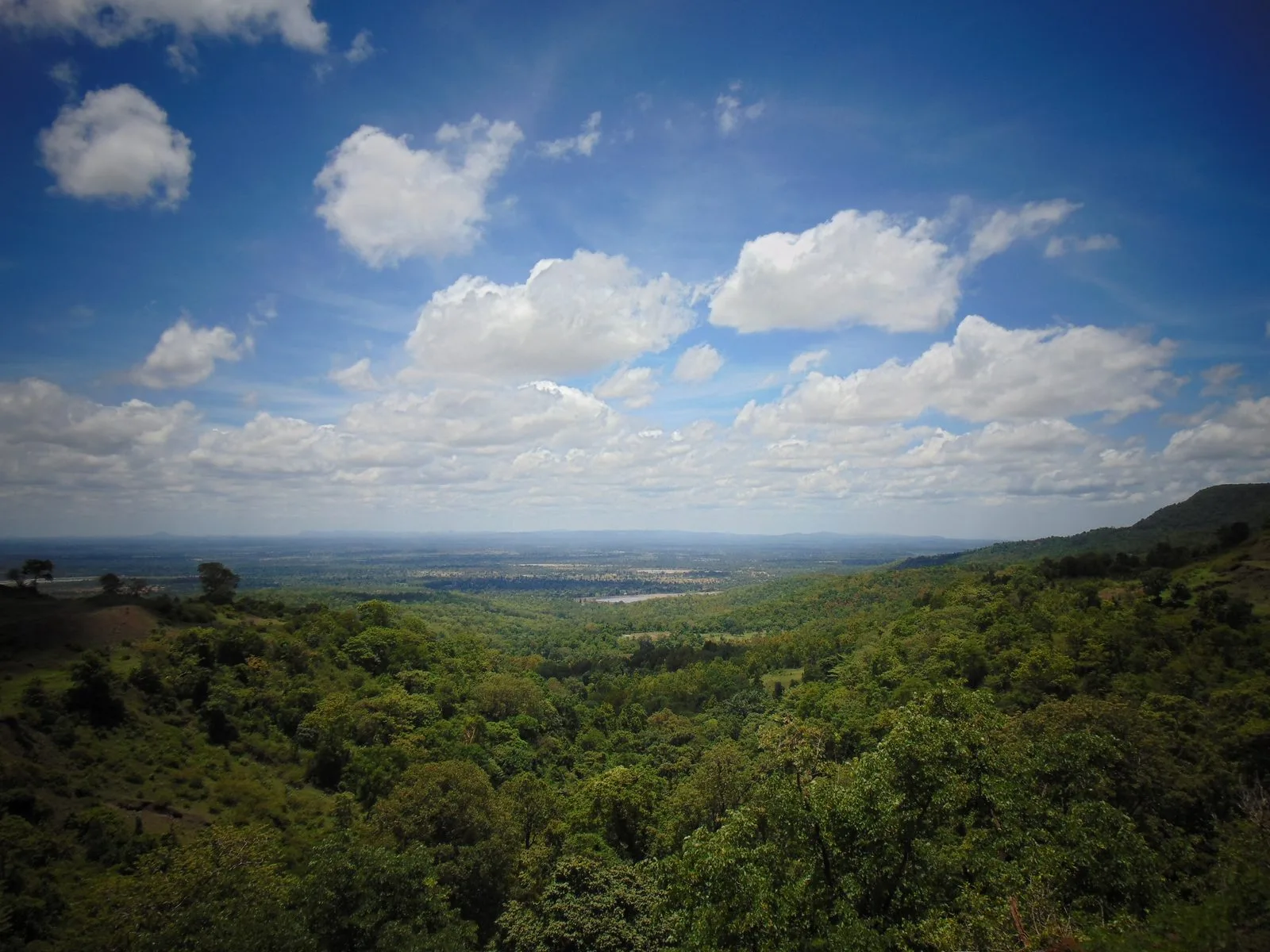
Amarkantak Trek runs 3D/2N from Jabalpur, graded Moderate, from Rs 5,800 per person. Route: Jabalpur – Dindori – Amarkantak – Narmada Udgam – Kapildhara falls – Dudhdhara falls – Son Udgam – Maikal ridge – Jabalpur.
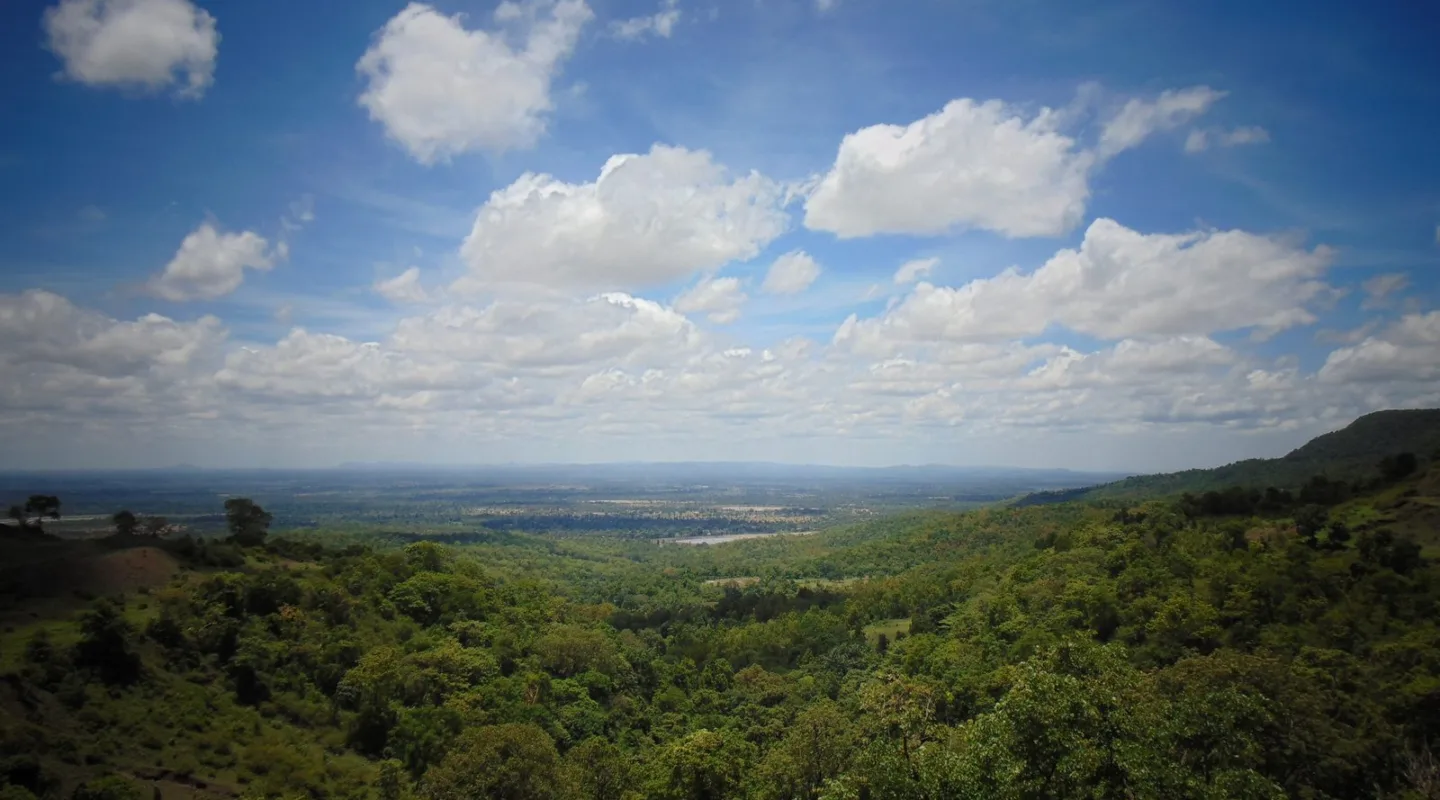
Amarkantak is where the Narmada rises, and the walk is built around that fact. The town sits on the Maikal plateau at around 1,000 metres, on the eastern edge of Madhya Pradesh where the Vindhyas and the Satpuras meet, and the country around it is a mix of sal forest, bare rock and the springs and falls that feed two of India’s major rivers. The Narmada starts here; so does the Son, on the other side of the plateau.
Madhya Pradesh is not the first place most people look for a trek, and Amarkantak is why that is a mistake worth correcting. The plateau is old, geologically stable and heavily forested, and the trails are cut through sal and bamboo rather than above the treeline. The walking is moderate rather than hard, and what it lacks in altitude it makes up for in the sheer strangeness of standing at the source of a river that runs 1,300 kilometres to the Arabian Sea.
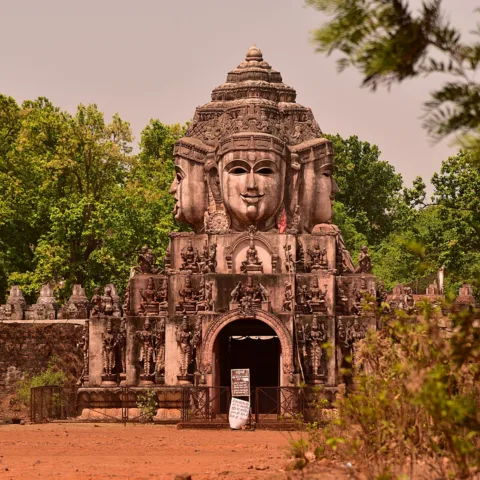
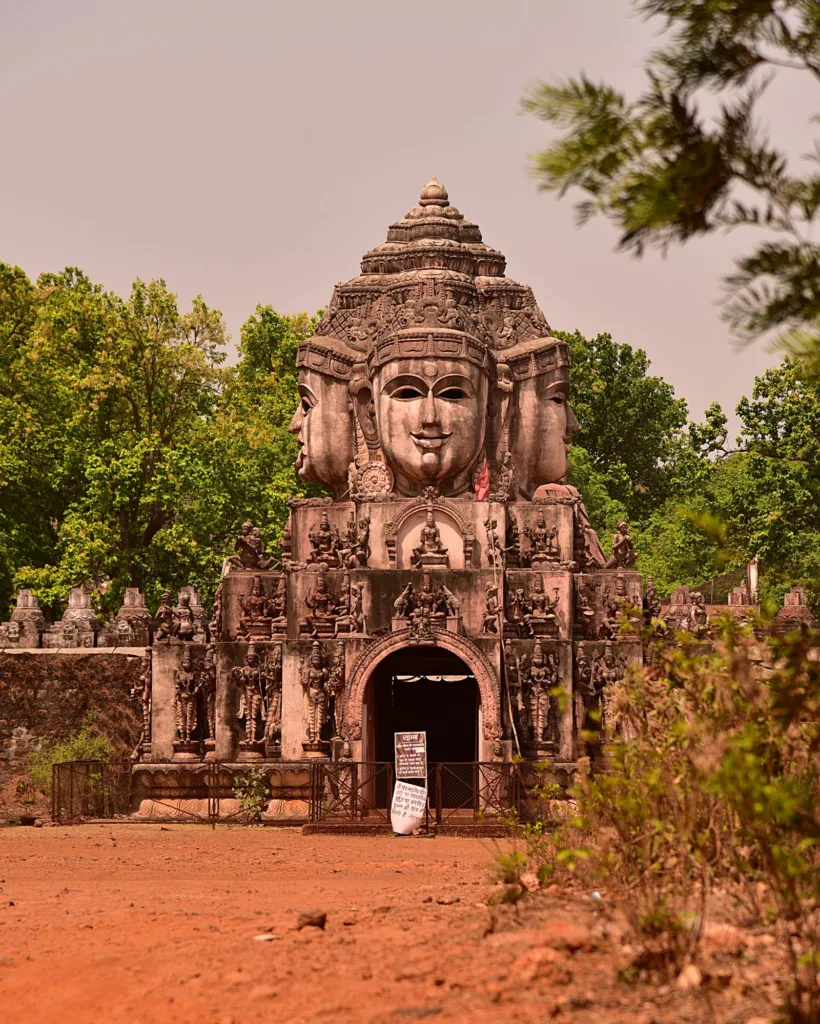
The town itself is a temple town, and the pilgrimage infrastructure is part of the landscape: the Narmada Udgam temple at the source, the Kalachuri-period ruins scattered through the forest, and the ashrams along the river. The Kalachuri kings ruled here in the eleventh and twelfth centuries and built the temples whose remains are still standing around the source, and the archaeologically excavated site at Karkota has some of the oldest material in the region. None of it is fenced off in a way that keeps walkers out, which is what makes this a trek rather than a sightseeing stop.
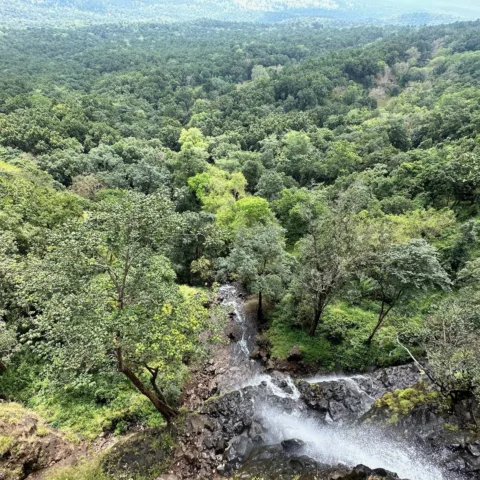
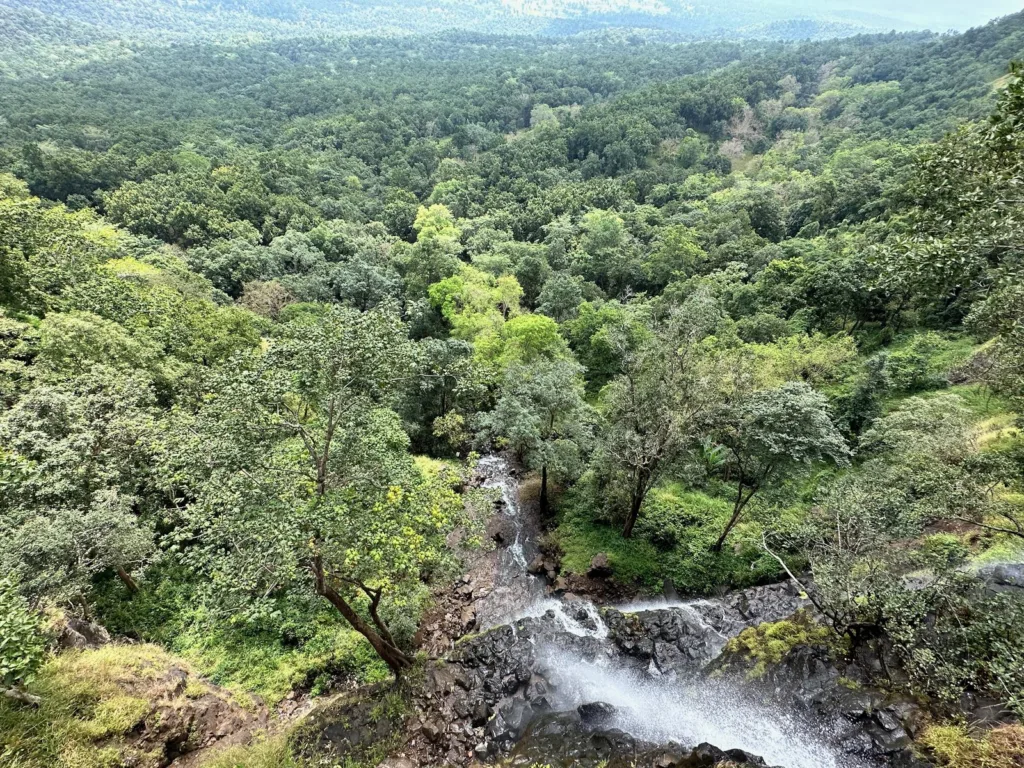
Day one works the water. From the Narmada Udgam temple you follow the stream down through forest to Kapildhara, where the Narmada drops about 100 feet into a gorge, and then on to Dudhdhara, where the fall breaks into a curtain of white water that gives the place its name. The trail between them is a forest path on the gorge rim, undulating rather than steep, with the river below and sal canopy above.
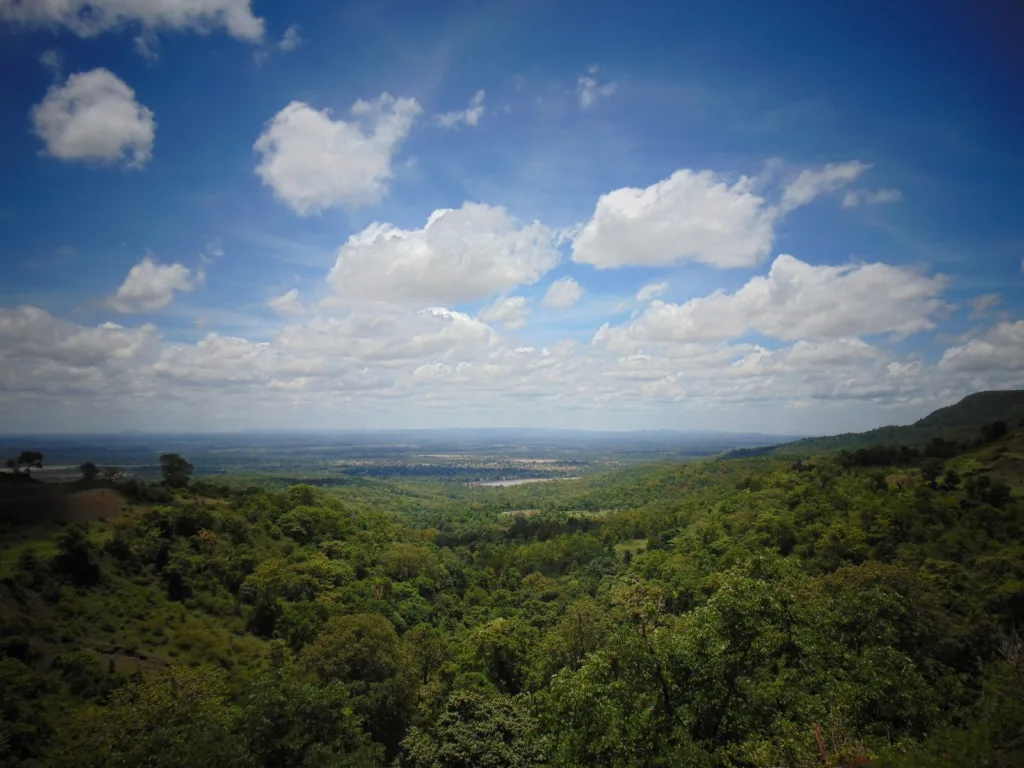
Day two crosses the plateau. The walk goes east from Amarkantak towards the Son source, passing the Mai Ki Bagiya – a grove with a small shrine and a tank, held to be a garden of the Narmada’s mother – and then out onto the Maikal ridge, where the forest opens into grassland and the ground falls away on both sides. This is the highest walking of the trip at about 1,100 metres and the best of the views, with the plateau running east into Chhattisgarh.
Day three is the archaeological half, done at an easy pace before the drive back. The Kalachuri temple ruins around Karkota and the old steps at the source are a short walk from town, and the morning is spent on them rather than on distance. Then the drive to Jabalpur, roughly six hours.
This suits walkers who want three moderate days rather than one hard one. There is no technical ground and no significant exposure, the daily distance is ten to twelve kilometres, and the altitude is low enough that nothing needs acclimatisation. It is a good trek for people stepping up from weekend hills, and a good one for anyone who wants forest and water rather than summit views.
It does not suit people chasing altitude or wilderness. Amarkantak is a temple town, the trails are used locally, and the forest is worked rather than remote. What it gives instead is genuine geography, real archaeology, and a route that stays interesting without ever being punishing.
The Rs 5,800 covers return transport from Jabalpur, two nights accommodation in Amarkantak on twin and triple sharing, breakfast on all three days and dinner on days one and two, a local guide for the forest sections, and entry where a ticket applies. GST at 5%, lunches, insurance, and personal porterage are extra. The drive from Jabalpur and back is the biggest single cost on this trip, and the two nights of rooms are the second.
October to March is the window. The forest is dry underfoot, the falls still run, and the ridge views are clear. November to February is the best of it, with cool days and genuinely cold nights on the plateau. July to September is the monsoon, when Kapildhara and Dudhdhara are at their fullest and the forest is green, but the gorge trail gets slippery and leeches are common. April to June is hot and the falls reduce to a trickle.
Graded Moderate. Daily distance is ten to twelve kilometres with modest elevation change, and there is no technical ground, no exposure and no scrambling. The gorge rim path near the falls needs care when wet. The altitude stays around 1,000 metres throughout, so there is nothing to acclimatise to; the demand is simply three consecutive days of walking.
The town sits at roughly 1,000 metres on the Maikal plateau, and the highest point on the route is about 1,100 metres on the ridge. That is well below any threshold for altitude illness and there is no acclimatisation requirement. The plateau is cool for Madhya Pradesh but it is not mountain weather, and the nights are the only part that feels genuinely cold.
Yes. The trip is guided, the hotels are on sharing, and the pace is moderate enough that solo travellers fit easily into the group. Amarkantak is also a temple town with its own visitor traffic, so a single traveller is not conspicuous. Couples and mixed-age groups do well here, and the walking is within reach of anyone reasonably active.
Two nights at a hotel in Amarkantak on twin and triple sharing, with hot water and simple meals. There is a reasonable spread of properties in town because of the pilgrimage traffic, and the ones used are mid-range rather than luxury. The stay is in town rather than in the forest, which means the walking each day starts from a road head.
Coverage in Amarkantak town is reliable for major networks and weakens on the gorge trail and out on the Maikal ridge. No special permit is required for the routes described here; the forest sections are on recognised local paths and the archaeological sites are open to visitors. The trip includes a local guide, which is as much for route-finding between the falls as for the forest rules.
Amarkantak sits on the Maikal plateau in eastern Madhya Pradesh at about 1,000 m, where the Narmada and the Son both rise. WDRLUST runs it as a three-day trip with Friday departures from Jabalpur, built around the river sources, the falls and the Kalachuri ruins.
The trip price is Rs 5,800 per person:
Plan on Rs 6,700 to Rs 7,600 all-in. Coming from Delhi or Mumbai, the rail or air fare to Jabalpur is the largest single line, and Jabalpur is well connected by both.
Around thirty-two kilometres across three days. Day one is eight to nine kilometres with the gorge rim down to Kapildhara and Dudhdhara; day two is twelve kilometres out to the Son source and up onto the Maikal ridge; day three is four to five kilometres around the ruins. Elevation change is modest, with the ridge day the only sustained climb.
The distance is the demand, not the gradient. Three consecutive days of ten-plus kilometres is a step up from a weekend hill, which is why this is graded Moderate rather than Easy.
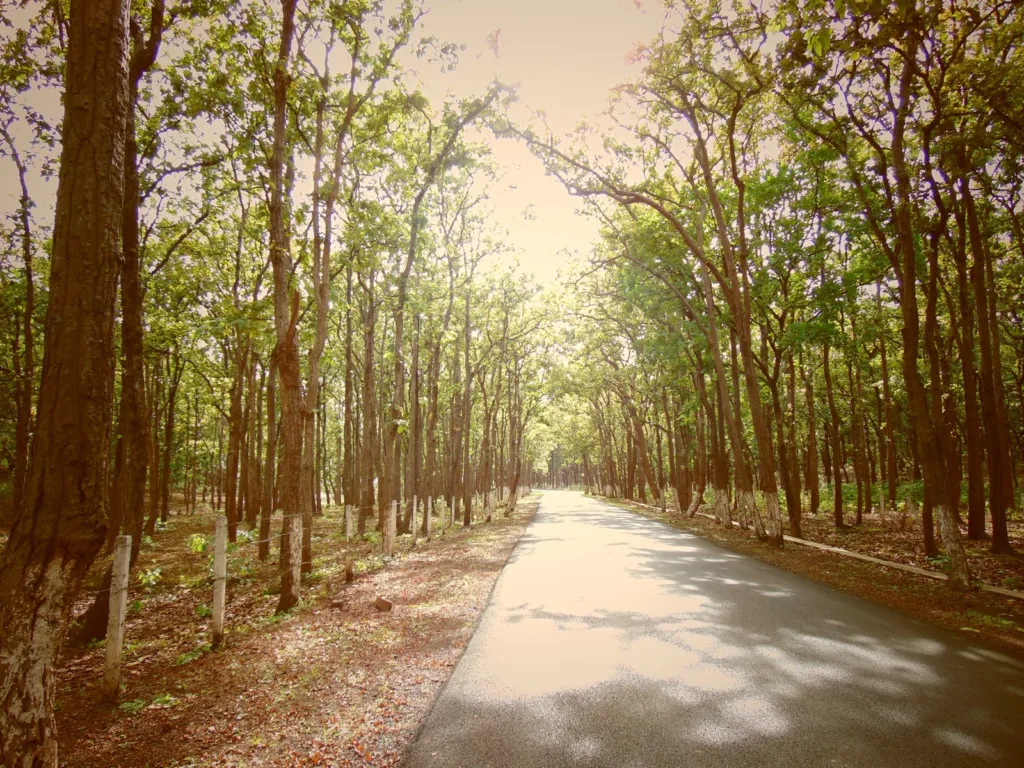
The Maikal plateau holds sal forest, bamboo and mixed deciduous woodland, and it stays green longer than the surrounding plains because of the elevation. That means shade, which is a real advantage over the Rajasthan and Telangana routes, but it also means moisture: the gorge trail near the falls stays damp, and the monsoon months bring leeches on the lower sections.
The forest is worked rather than untouched, with villages and collection rights throughout. That is worth knowing going in: this is a lived-in landscape, and the walking is through it rather than away from it.
The standard shape is a morning departure from Jabalpur, an afternoon at the source and the first falls, a second day out on the plateau to the Son source and the ridge, a third morning on the ruins and a return drive that puts you in Jabalpur by evening. Three days is the minimum that covers both river sources without turning the trip into a long drive with a walk attached.
Explore related pages: All trips in Madhya Pradesh · Browse all destinations · All activities · Madhya Pradesh destination guide · Trekking in India.
Photo credits. Photographs on this page are from Wikimedia Commons and are used under the licences listed below. Each image is credited to its photographer; the licence terms apply to reuse of the image.
An 11-day high-altitude crossing from the lush Parvati Valley to the stark Spiti desert — widely regarded as…
Nestled amidst the undulating landscapes of Karnataka, Shivaganga Hill stands as a timeless symbol of natural beauty and…
One of the most demanding classical treks in the Indian Himalaya — a glacier-crossing expedition linking the sacred…