
Moderate
Savandurga Trek
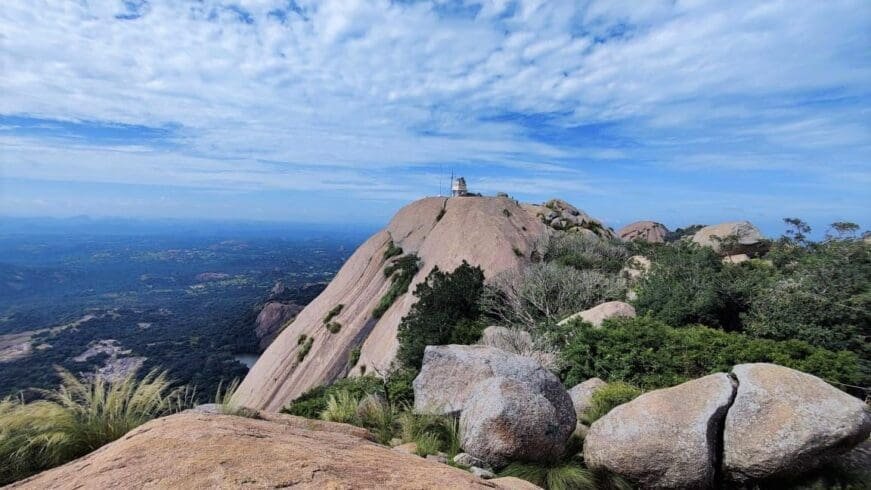
Introduction to Savandurga trek Overview: Savandurga hill, standing at an elevation of 1,226 meters above sea level, is…
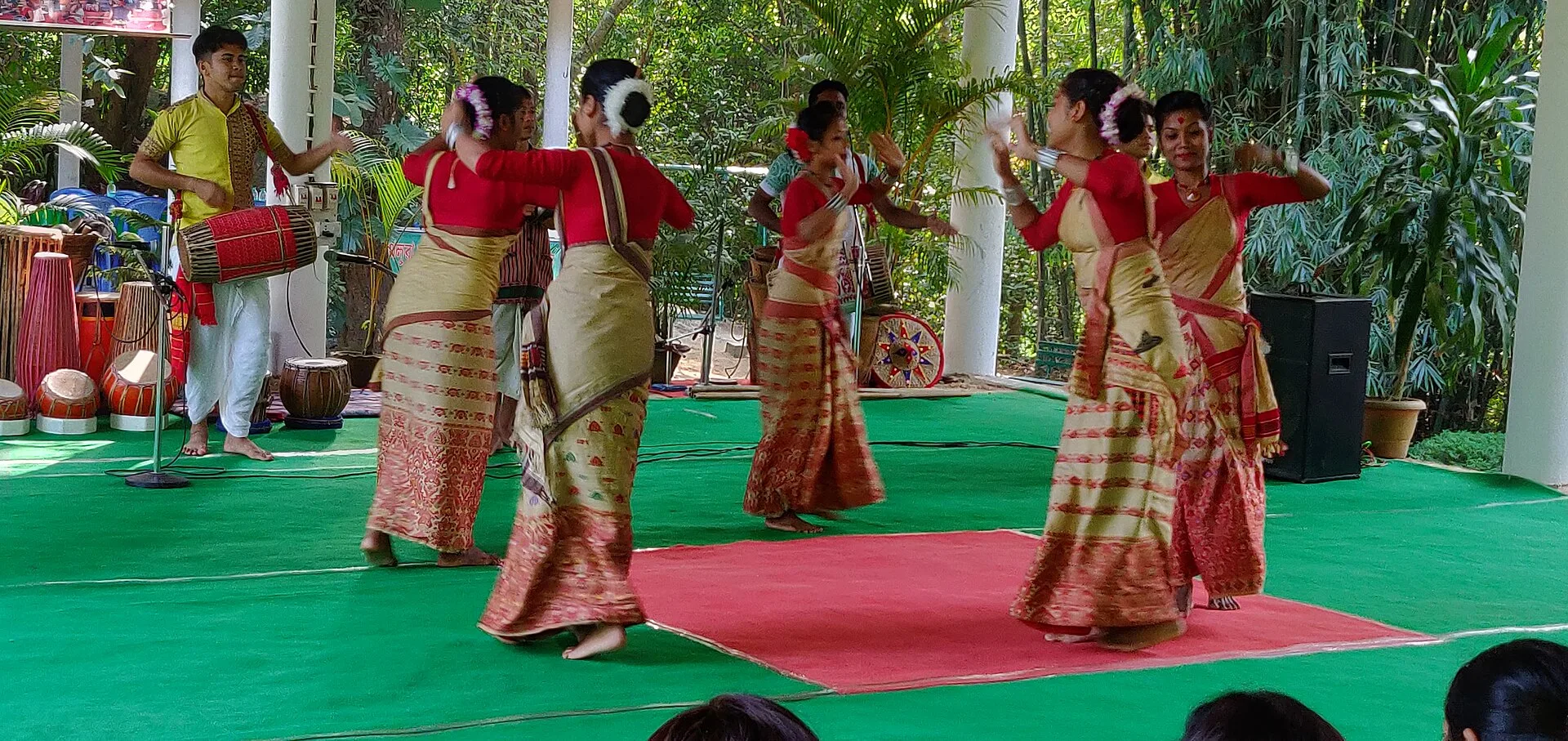
The Rongali Bihu Assam trip runs 4N/5D from Guwahati, graded Easy, from Rs 11,500 per person. Route: Guwahati – Jorhat – Majuli – Sivasagar – Guwahati.
Rongali Bihu, also called Bohag Bihu, is the Assamese new year and the biggest festival in the Brahmaputra valley. It falls on the first day of the month of Bohag in the Assamese solar calendar, which lands in the middle of April, and it is celebrated over seven named phases rather than a single day. It is not a religious festival in the temple sense. It is a harvest and new-year festival, and its centre is the dance.
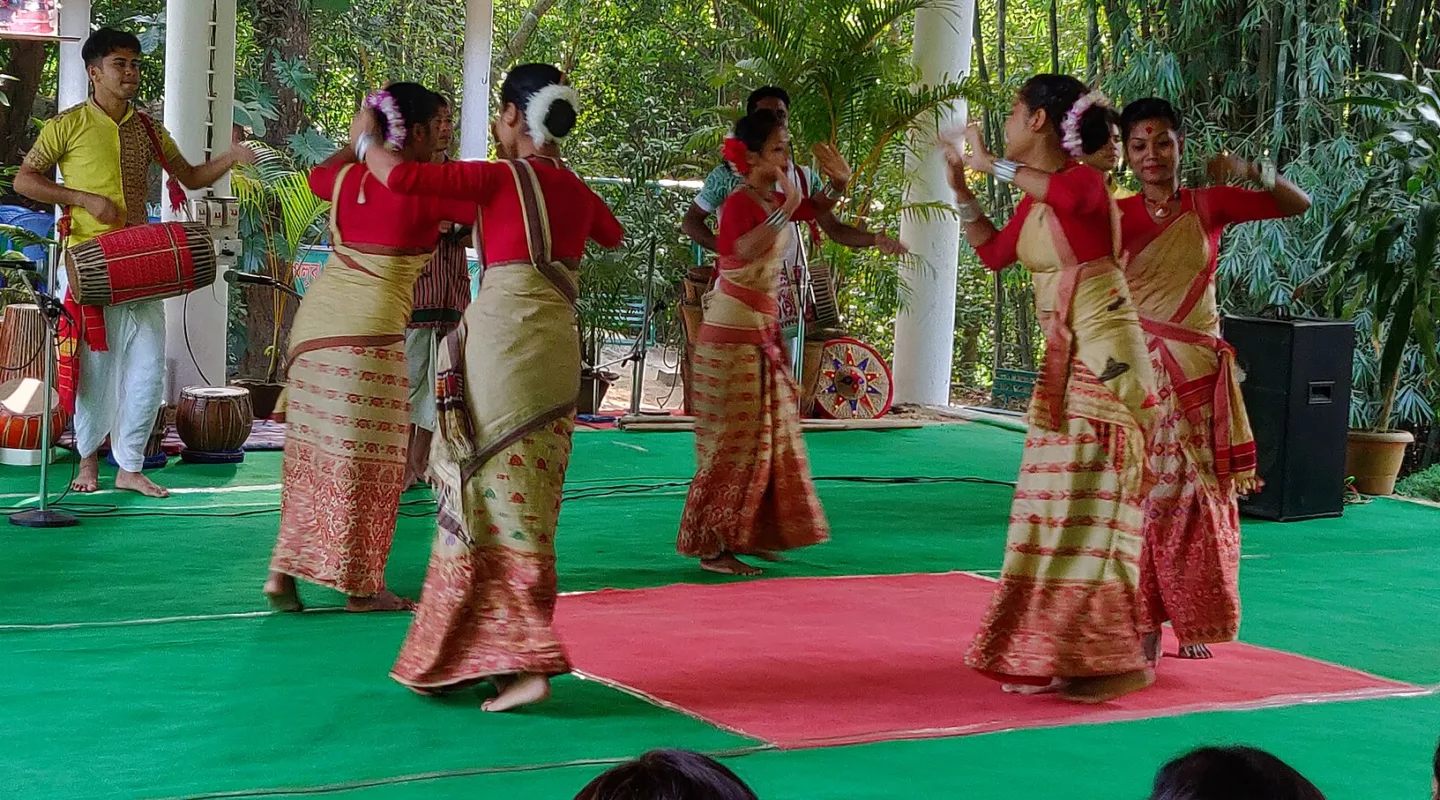
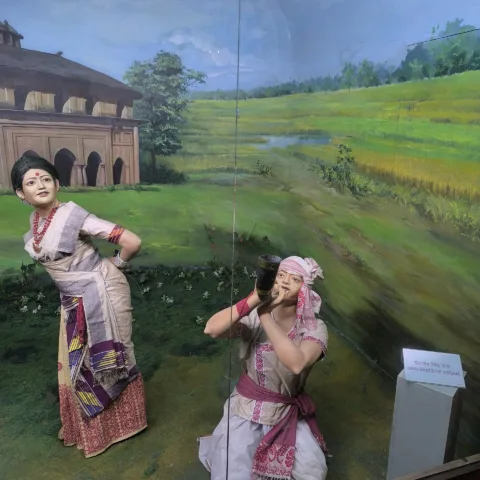
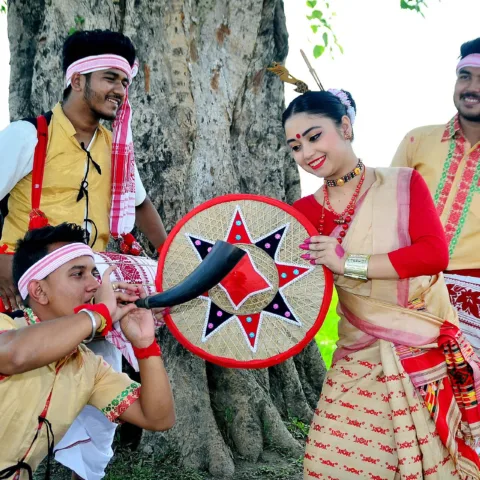
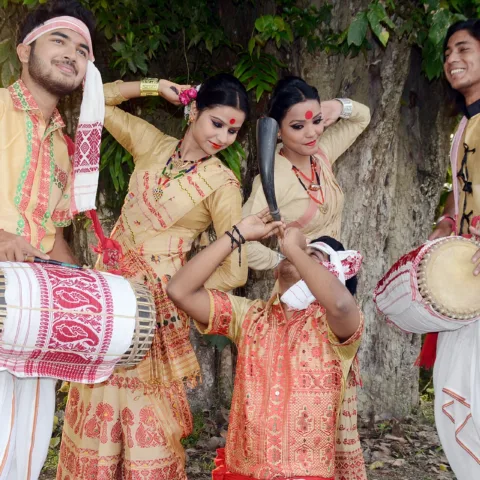
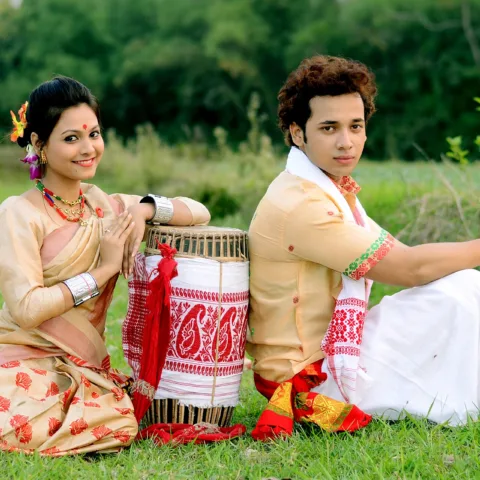
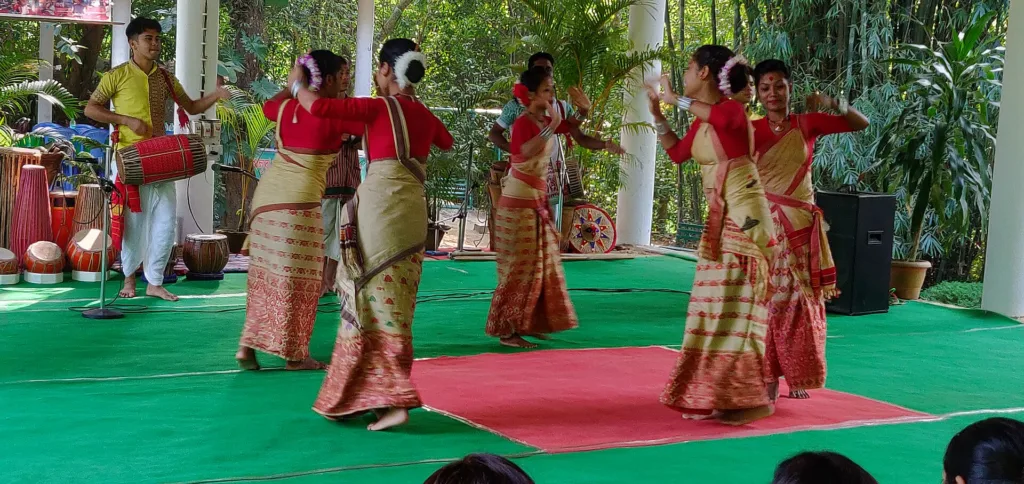
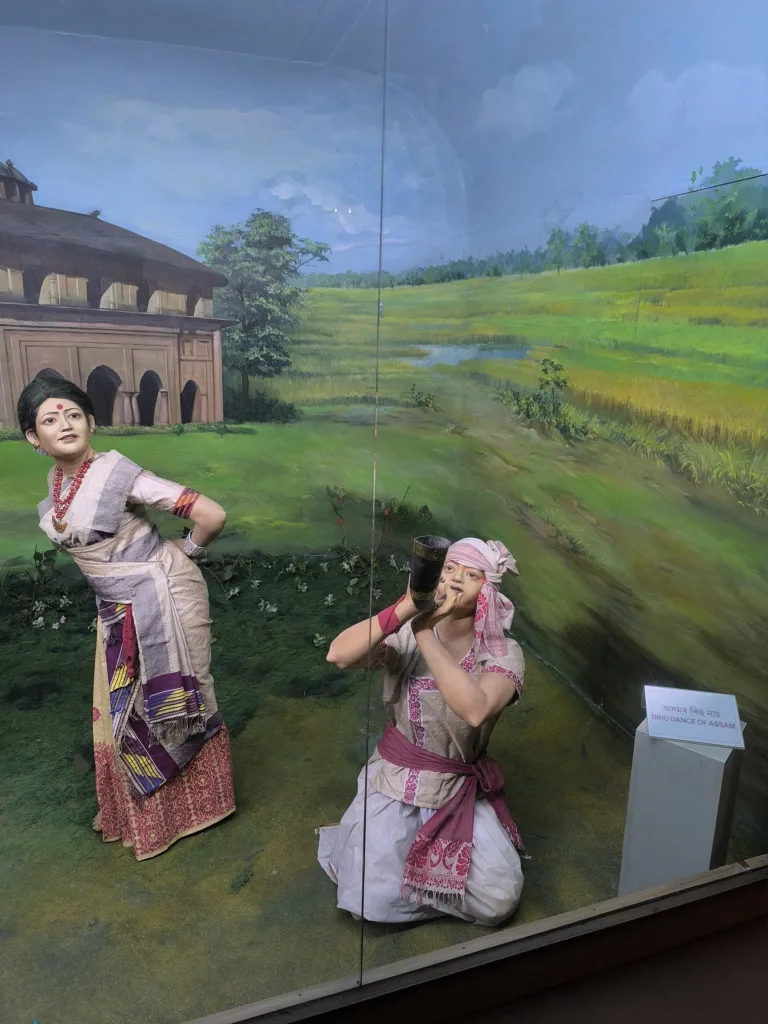
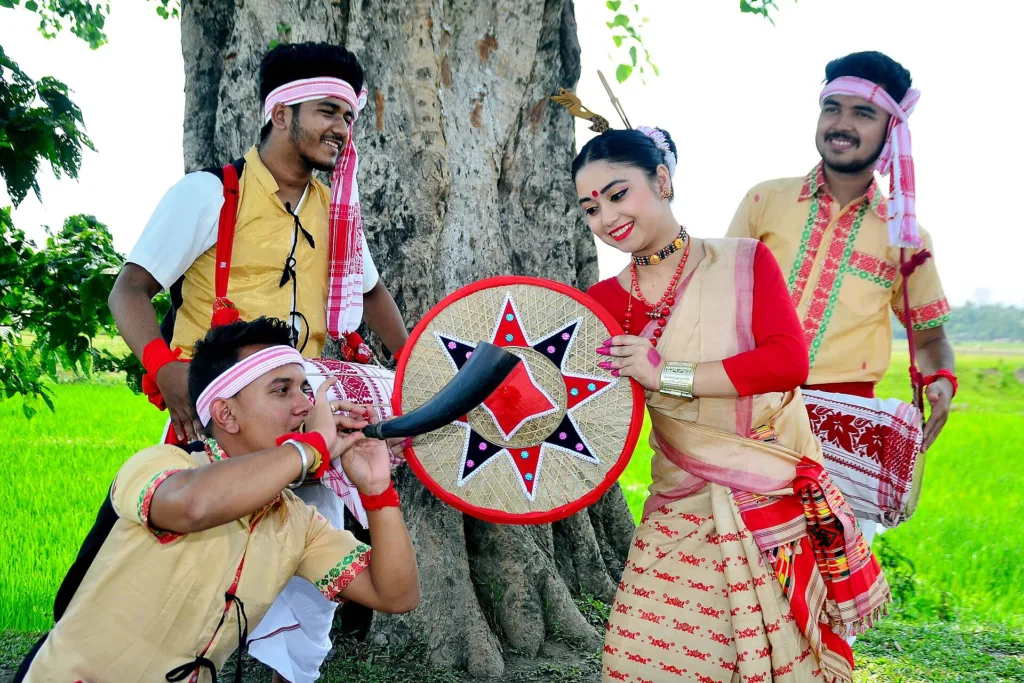
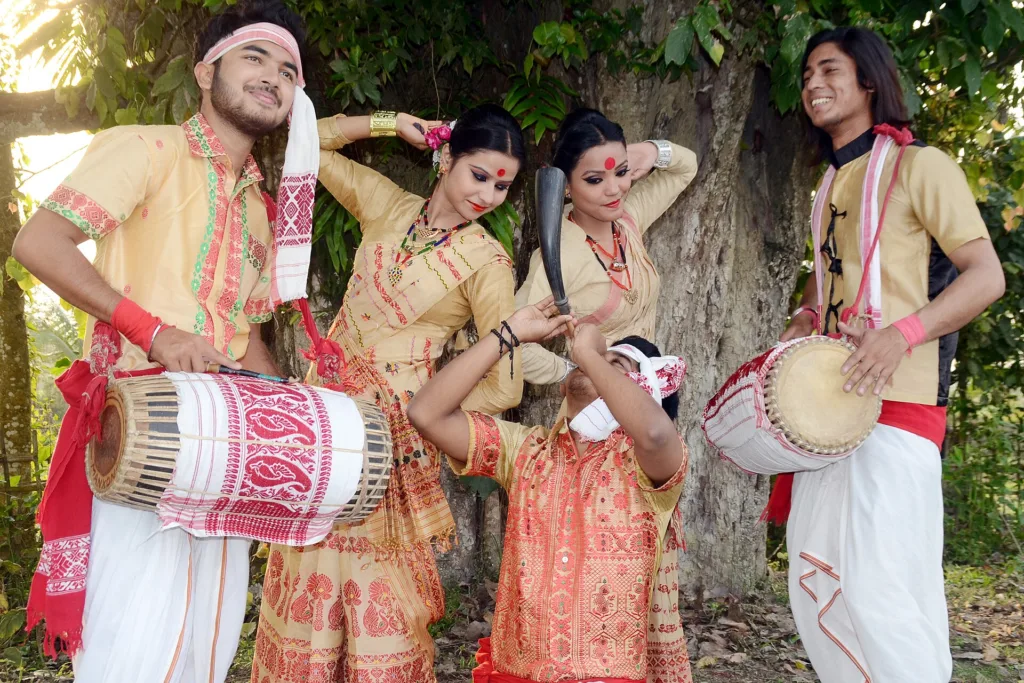
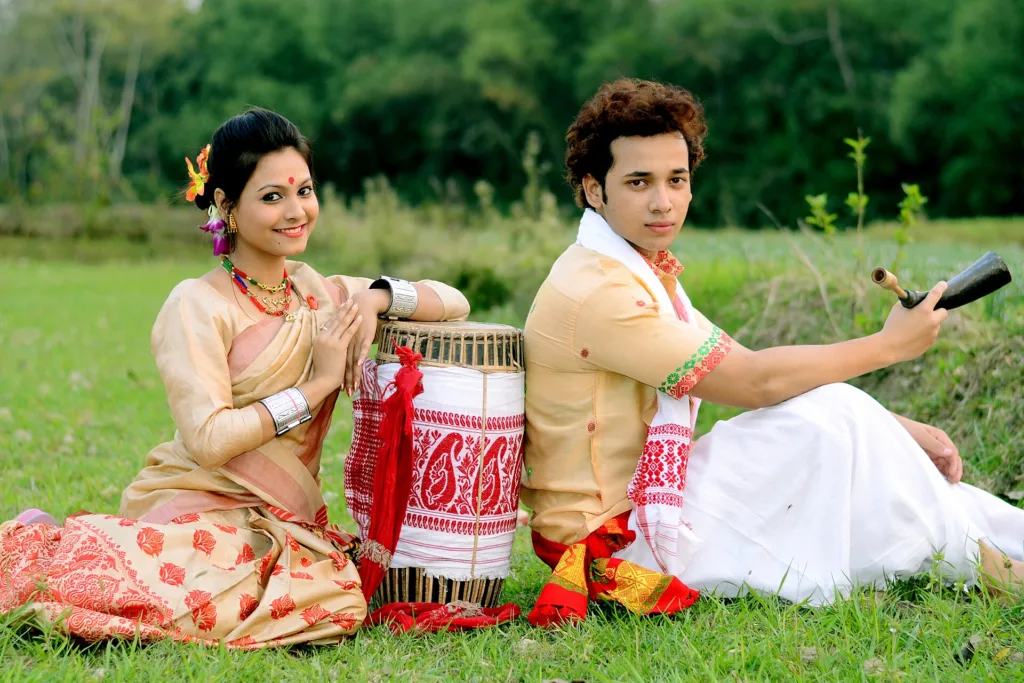
The Bihu dance is the reason to come. Dancers in mekhela chador and dhoti-gamosa move in a fast, springy step with hips and shoulders working against each other, and the music is built on the dhol, the pepa, which is a buffalo horn pipe, the gogona, a bamboo jaw harp, and the toka. Husori troupes go from house to house in a neighbourhood singing Bihu songs, and the householder is expected to give a small gift. The whole thing is loud, communal and completely unselfconscious.
This trip is built around Jorhat and Majuli rather than Guwahati, because the festival is at its most legible in the smaller towns and on the river island. Majuli sits in the Brahmaputra and is the largest river island in the world, and it is also the centre of the Vaishnavite satra monasteries founded in the sixteenth century by Srimanta Sankardeva. The satras keep their own Bihu traditions, and the island’s mask-making workshops at Samaguri are among the last of their kind.
The festival runs for seven days, and each has a name and a purpose. The first, Goru Bihu, is for cattle: the village herds are taken to a pond or river, washed with a paste of black gram and turmeric, and given gourds and brinjals to eat. The second, Manuh Bihu, is the new year proper, when people wear new clothes and elders are offered a gamosa, the red-and-white woven cloth that is the emblem of Assamese hospitality. Then come Kutum Bihu for visiting relatives, Mela Bihu for the fairs, and Sera Bihu to close.
The geography matters to the trip. The Brahmaputra valley is a flat, green corridor about 80 km wide between the Himalayas to the north and the hills of Nagaland and Meghalaya to the south, and the river itself is one of the widest in Asia, braided and shifting, with sandbars that appear and vanish between seasons. Jorhat is the tea capital of Assam, and the drive out of it runs through tea estates that have been under cultivation since the 1830s.
Majuli is reached by ferry from Nimati Ghat, a crossing of roughly an hour depending on the water. The island has been shrinking for a century as the Brahmaputra erodes its southern bank, and that fact sits behind everything written about it. The satras are working institutions, not museums: monks live there, and the daily and festival routines continue. Visitors are welcome at most of them, and the Bihu performances on the island are held in the satra grounds.
Sivasagar, on the last full day, was the capital of the Ahom kingdom, which ruled Assam from 1228 until the British annexed it in 1826, one of the longest-running dynasties in Indian history. The tanks and temples the Ahoms built there, including the Talatal Ghar and the Rang Ghar, an amphitheatre said to be among the oldest surviving in Asia, are the physical record of that kingdom.
The trip starts at Guwahati, which has the nearest airport and the main railhead. The first day is a short city day, with the Kamakhya area and the Brahmaputra riverside, and an evening of Bihu performances if the dates line up.
On the second morning the group drives east to Jorhat, about 300 km and six to seven hours on the NH-715, with a stop for lunch and tea. Jorhat is the base for two nights. The second evening is a Husori evening in a Jorhat neighbourhood, arranged with a local group.
The third day is Majuli: the ferry from Nimati Ghat, the satras at Kamalabari and Auniati, the mask workshop at Samaguri, and a Bihu performance in a satra courtyard. The group returns to Jorhat the same evening.
The fourth day runs to Sivasagar, about 55 km, for the Ahom monuments, and then back to Jorhat. The fifth morning is the drive back to Guwahati for the flight or train out, timed so that an afternoon departure is comfortable.
This trip suits travellers who want a festival that is participatory rather than watched, and who are happy to be in a place where very few outsiders go. It is a strong fit for photographers, for dancers and musicians, and for anyone interested in the cultures of the north-east that the standard India circuit skips entirely.
It is not a trek. The walking is on flat ground, through tea estates, satra compounds and town streets, and the ferry crossing is the only part that needs any care. Families with children do well on this departure, and the festival is genuinely welcoming to outsiders.
It is not a good fit for anyone who wants a resort holiday or a tightly scheduled sightseeing checklist. The best parts of Bihu are informal and happen in the evening, and the trip is built to leave room for that.
The price covers four nights of accommodation on twin sharing, breakfast and dinner on all days, the Majuli ferry, all road transport from Guwahati and back in an air-conditioned vehicle, and the local Bihu and satra arrangements. The full list is set out below.
It does not cover the journey to Guwahati, lunch, the ferry for vehicles if a separate charge applies, or personal expenses. Budget separately for those, and for tea and shopping.
Rongali Bihu, also called Bohag Bihu, falls on the first day of the month of Bohag in the Assamese solar calendar, which is the middle of April in the Gregorian calendar. It is celebrated over seven named phases rather than one day. Because it follows a solar calendar the date moves only slightly from year to year, and we confirm the exact dates before departure.
It is graded easy. Guwahati sits at about 55 metres and Jorhat at about 90 metres, so there is no altitude to consider at all. The walking is on flat ground through tea estates, satra compounds and town streets, with the ferry crossing the only part that needs care.
A basic level. There is no trekking. The demands are a long drive on the second day, standing and walking through festival crowds in the evening, and a fair amount of time on your feet at the satras and monuments. If you can manage a full day of sightseeing, you are fit enough.
Yes. Bihu is a communal festival and the group format means you are never on your own at a performance. Twin-sharing accommodation and shared meals make it easy to join in, and the north-east is generally a comfortable region for solo women travellers.
One night in a hotel in Guwahati and three nights in a hotel in Jorhat, all on twin sharing. Rooms have attached bathrooms and hot water. Singles who want a room to themselves can pay a single supplement, subject to availability.
Indian citizens need no permit for Assam. Foreign nationals need a standard tourist visa, applied for before travel, and should carry a copy of it. Mobile coverage in Guwahati and Jorhat is reliable for calls and data. On Majuli the signal is patchy and often drops to 2G, so plan to send photographs and messages after you are back on the mainland.
Start with the Assam destination hub for the state’s other trips, then browse all destinations and all activities. The Guwahati destination guide covers arrival, transfers and the city’s own sights, and cultural tours in India lists the rest of the festival departures.
Photo credits. Photographs on this page are from Wikimedia Commons and are used under the licences listed below. Each image is credited to its photographer; the licence terms apply to reuse of the image.
Introduction to Savandurga trek Overview: Savandurga hill, standing at an elevation of 1,226 meters above sea level, is…
Kashmir road trip, 6N/7D from Srinagar, graded Easy, from Rs 19,500. Dal Lake, Gulmarg, Pahalgam and Sonamarg by…
Conquer the Heights of Spiti Valley If you’re craving a high-altitude adventure, the Kanamo Peak Trek is an…