
Easy
Kerala Backwaters Road Trip
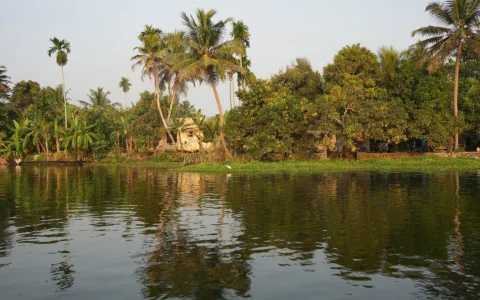
Overview of the Kerala Backwaters Road Trip The Kerala Backwaters Road Trip runs 4N/5D from Kochi, graded Easy,…
Next Departure
27/11/2026
14 seats left
The Bhutan Cultural Road Trip runs 6N/7D from Phuentsholing, graded Easy, from Rs 26,500 per person. Route: Phuentsholing – Thimphu – Dochula – Punakha – Paro – Phuentsholing.
Bhutan is a small Himalayan kingdom of about 38,000 square kilometres, landlocked between India and China, and it is the only country in the world that measures its progress by Gross National Happiness rather than GDP alone. It opened to organised tourism in 1974 and has kept a policy of high-value, low-volume travel ever since, which is why the country feels emptier than its neighbours.
This is a road trip through the three western valleys that hold most of Bhutan’s history: Paro, Thimphu and Punakha. The driving is the point as much as the stops. The road from Thimphu over the Dochula pass to Punakha crosses 3,100 metres and then drops 1,700 metres into a subtropical valley in the space of about 40 km, and the vegetation changes from fir and rhododendron to banana and citrus on the way down.
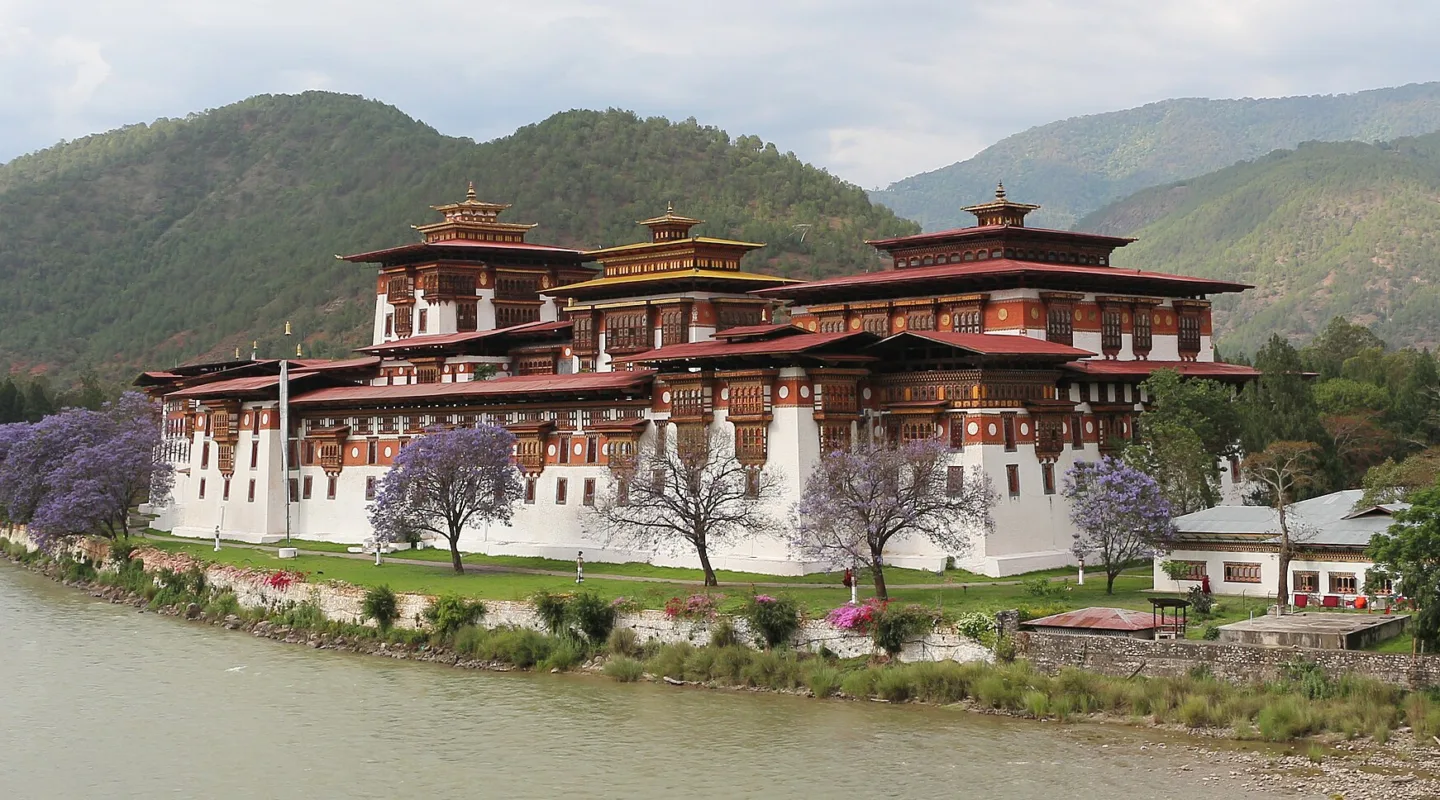
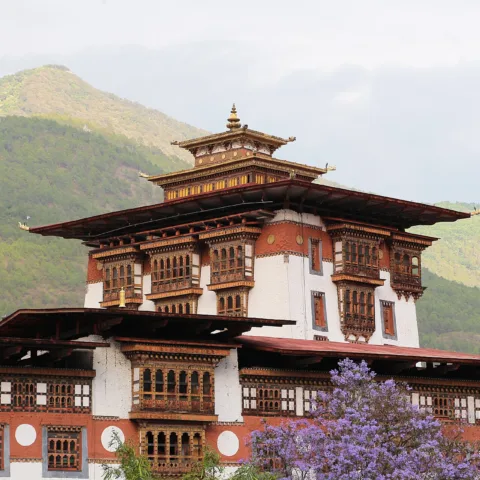
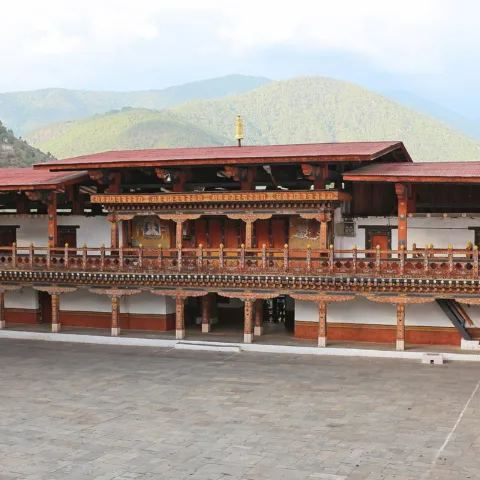
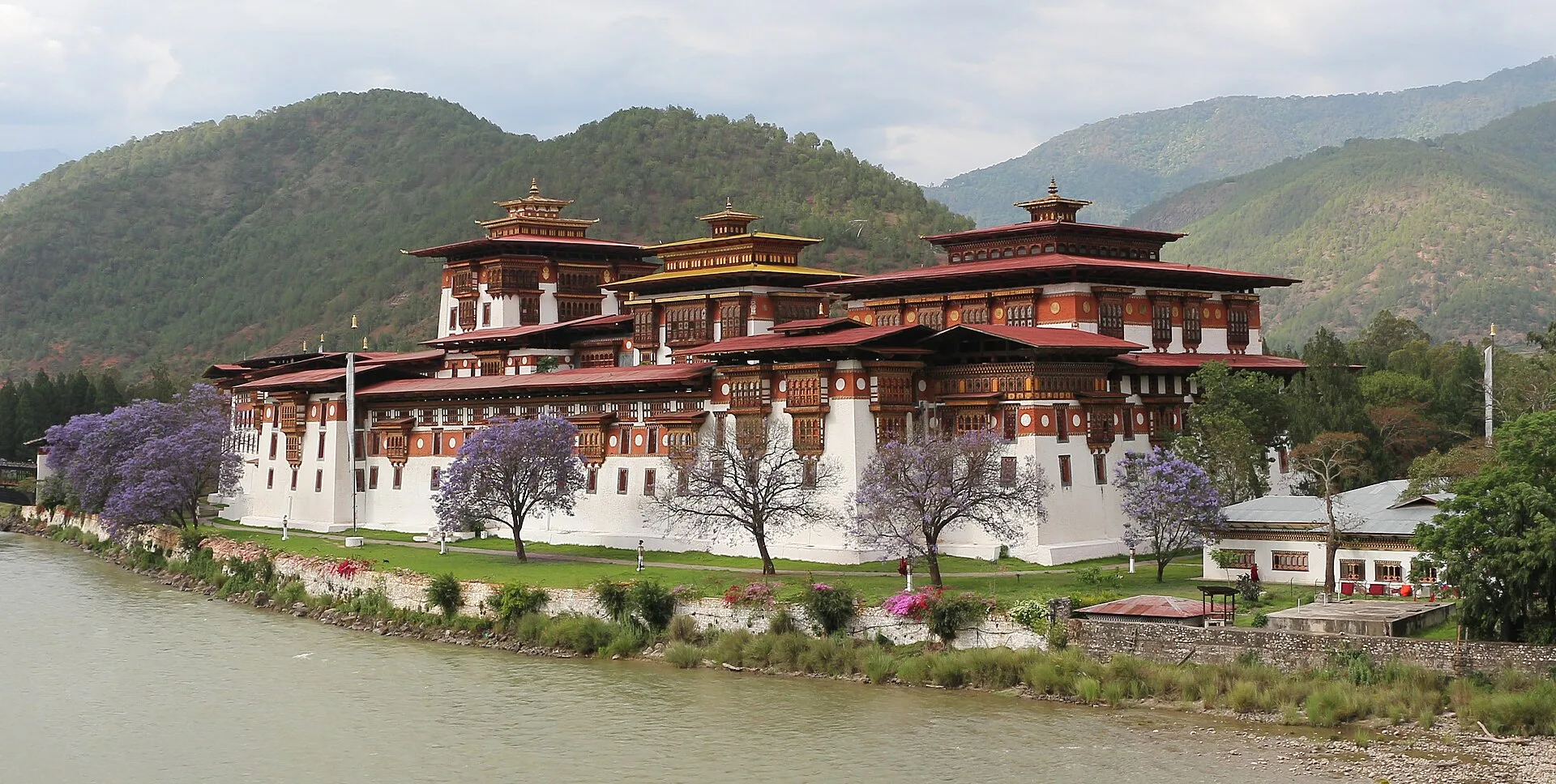
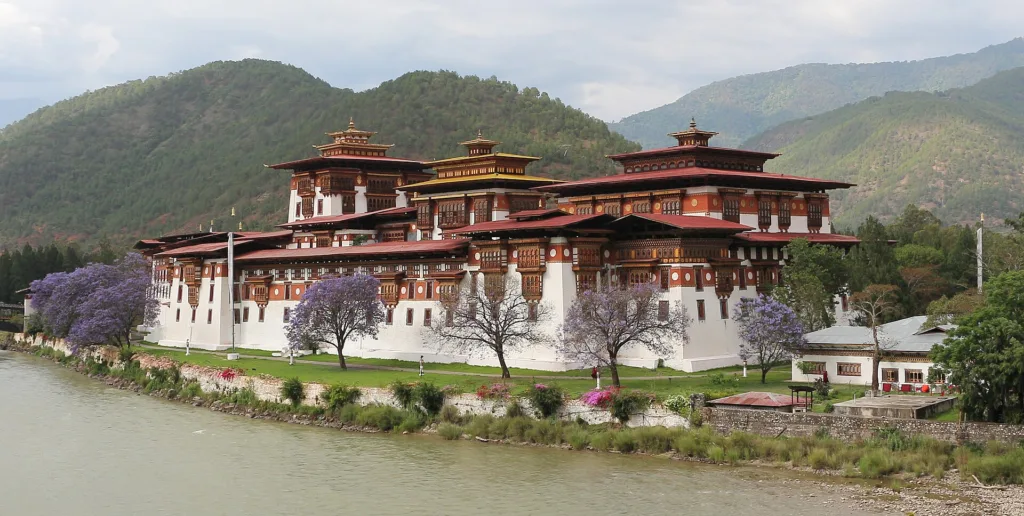
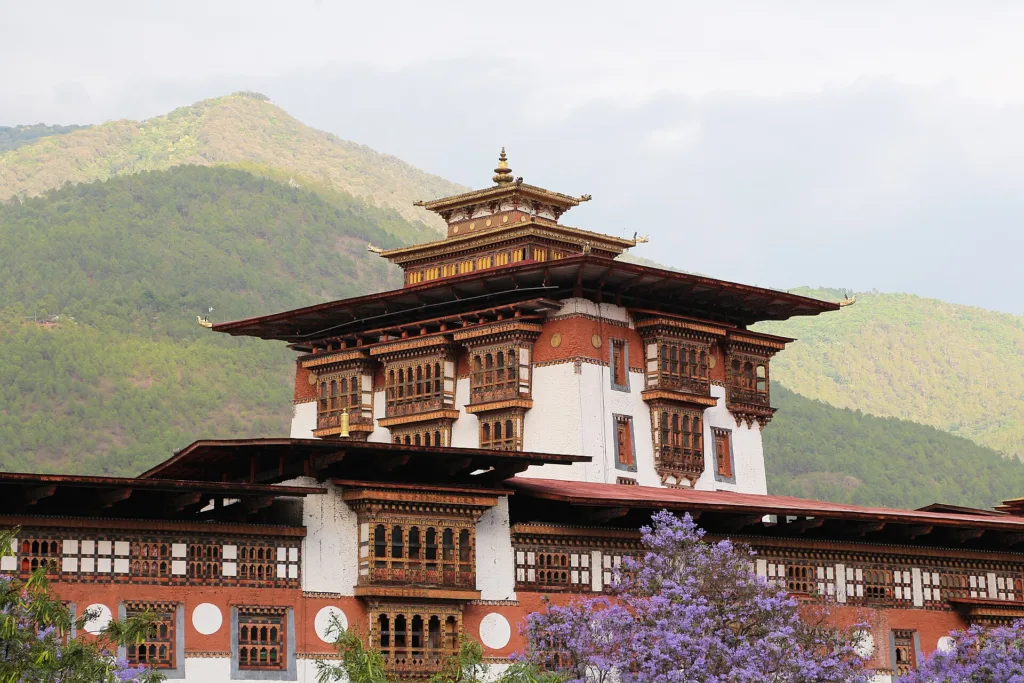
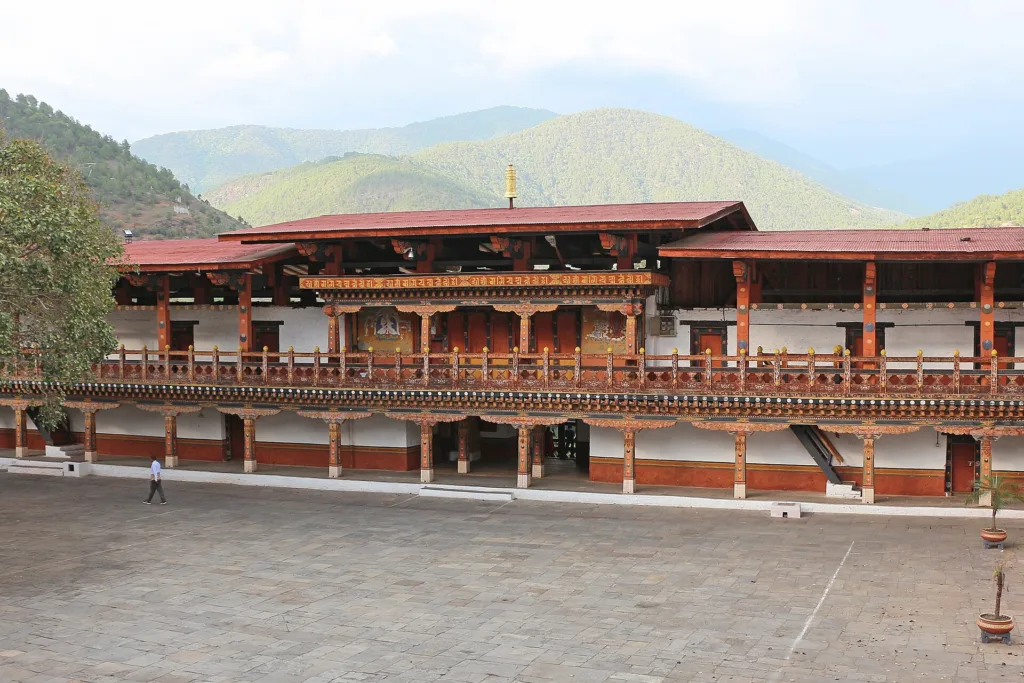
The dzongs are the other reason to come. A dzong is a combined fortress and monastery, and the ones at Paro and Punakha are the two finest in the country. Punakha Dzong sits at the confluence of the Mo Chhu and Pho Chhu rivers and was the capital of Bhutan until 1955. Paro Dzong, also called Rinpung Dzong, stands above the Paro Chhu and is the setting for the spring Paro Tsechu festival.
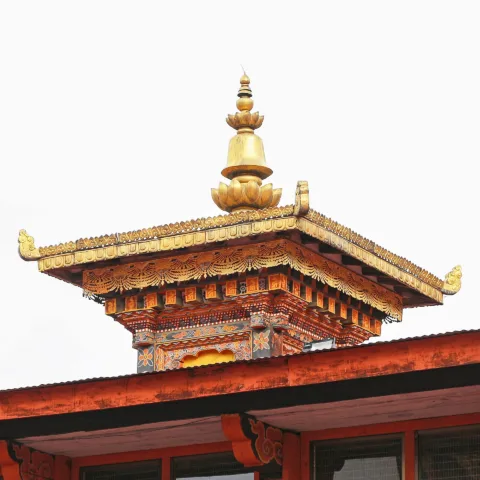
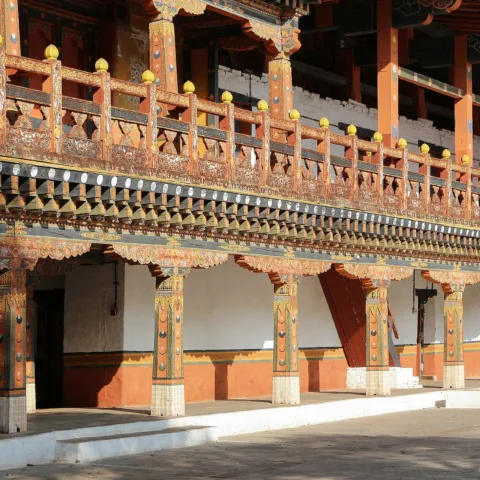
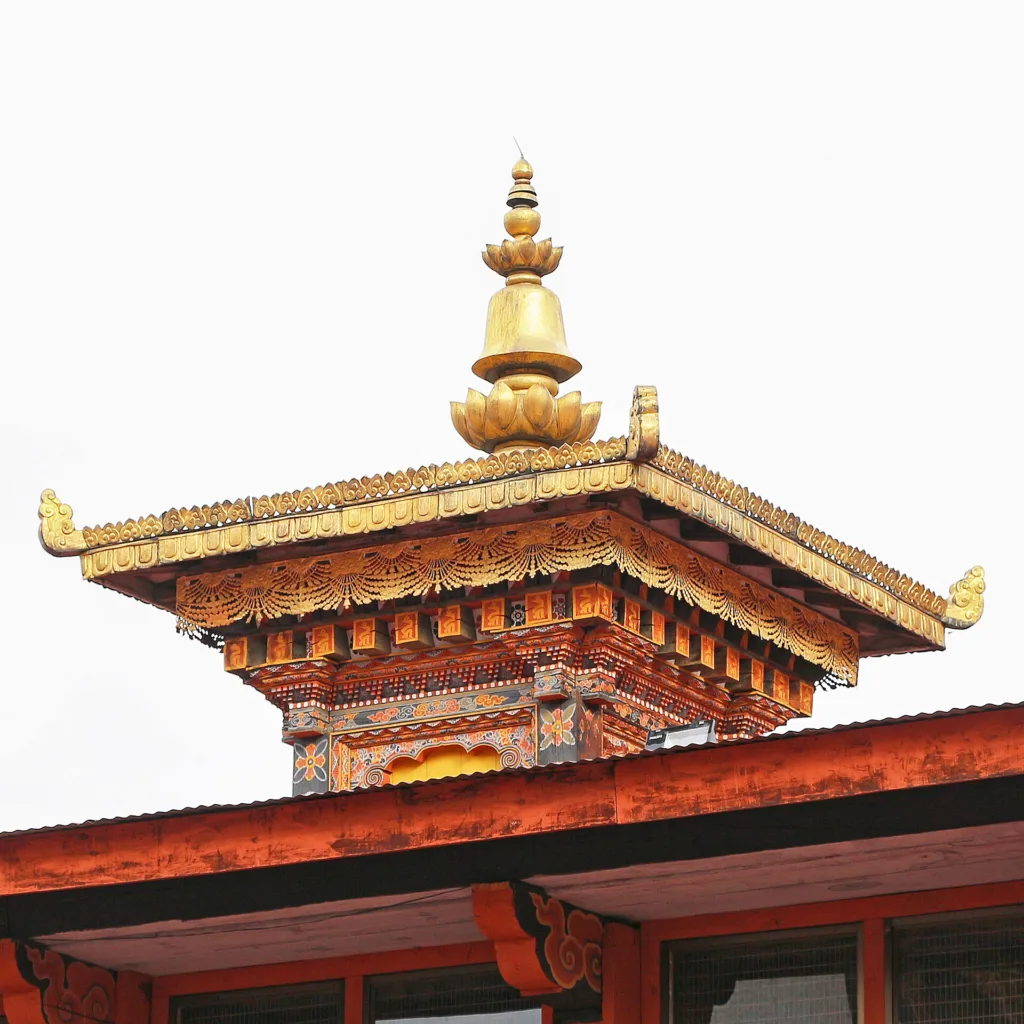
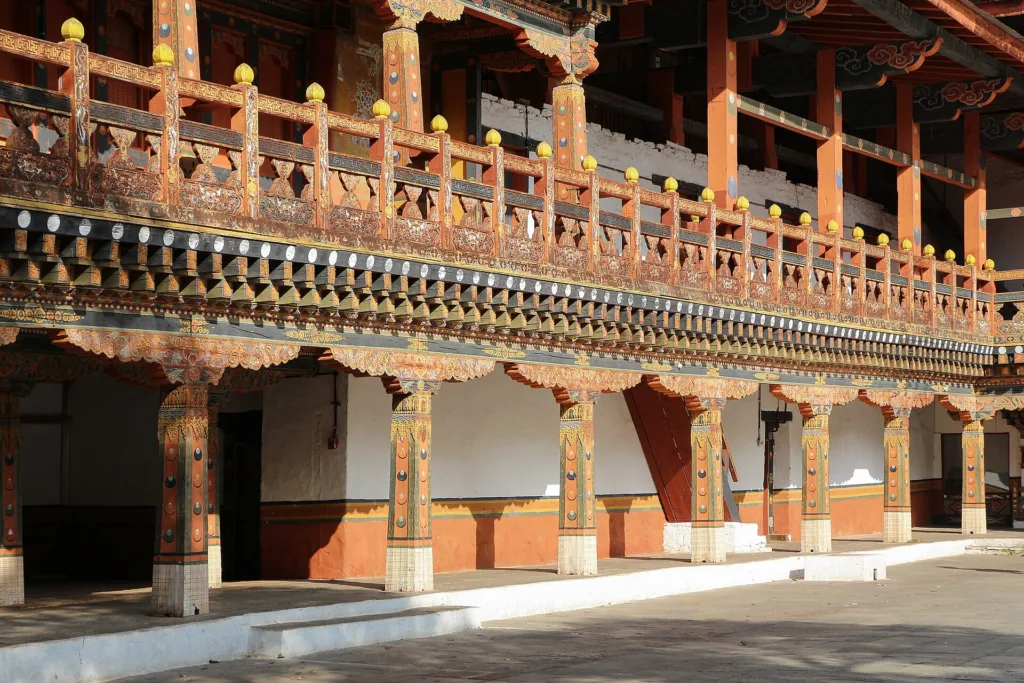
Bhutanese architecture is standardised by law, and the effect is a country that looks coherent in a way few places do. Houses are built with whitewashed walls, timber frames and painted cornices, and the window surrounds are decorated with the eight auspicious symbols. The dzongs are built without nails in the traditional sections, using interlocking timber, and they are still working institutions: monks live in them and the administrative offices of the district are inside.
The religion is Drukpa Kagyu Buddhism, and it is present everywhere. Prayer flags are strung across valleys and passes, chortens stand at every road junction, and the prayer wheels turn continuously. The Taktsang monastery, known as the Tiger’s Nest, clings to a cliff face about 900 metres above the Paro valley floor and is the country’s most recognisable site. The walk up to the viewpoint takes about two hours at a steady pace.
The valleys are the geography of the trip. Paro is a broad, flat agricultural valley at about 2,200 metres, with rice terraces and the only international airport in the country. Thimphu, the capital, sits at about 2,300 metres in a narrow valley and is the only capital in the world with no traffic lights. Punakha is much lower, at about 1,200 metres, and warm enough for rice and chillies to grow in quantity.
The food is worth mentioning because it surprises people. Bhutanese cooking is built on red rice, chillies and cheese, and the national dish, ema datshi, is chillies cooked in cheese with nothing else. It is genuinely hot. Less fiery options are always available, and the local red rice is excellent.
The trip starts at Phuentsholing on the Indian border, which is the usual road entry from West Bengal, and the first day covers the immigration formalities and the drive up to Thimphu. Groups flying in can join at Paro instead, and we adjust the first day accordingly.
Thimphu is the base for two nights. The city day covers the Tashichho Dzong, the Memorial Chorten, the Buddha Dordenma statue on the hill above the valley, and the weekend market if the dates line up.
The drive to Punakha on the third day crosses the Dochula pass, where the 108 chortens built in 2003 stand on the ridge, and on a clear day the Himalayan range is visible to the north. Punakha is the base for two nights, with the dzong, the Chimi Lhakhang temple and the valley’s rice terraces.
The drive to Paro on the fifth day is the longest of the trip, about five hours with stops. Paro is the base for two nights, with the Tiger’s Nest walk, the Paro Dzong and the National Museum, and the drive back to Phuentsholing on the last day.
This trip suits travellers who want the Himalaya without the trekking, and who are happy to spend long stretches in a vehicle for the sake of what is outside the window. It is a strong fit for photographers, for anyone interested in Buddhist architecture and living practice, and for families with older children.
It is graded easy, but the altitude is real. Most of the trip sits between 1,200 and 2,300 metres, and the Dochula pass crosses 3,100 metres. The Tiger’s Nest walk is optional and can be done to the viewpoint rather than the monastery.
It is not a good fit for anyone who wants a cheap trip or a spontaneous one. Bhutan requires a visa and a Sustainable Development Fee for foreign nationals, both arranged in advance, and the country is deliberately not a budget destination.
The price covers six nights of accommodation on twin sharing, breakfast and dinner on all days, all road transport in Bhutan in a comfortable vehicle, and the services of a licensed Bhutanese guide throughout. The full list is set out below.
It does not cover the Bhutan visa and Sustainable Development Fee for foreign nationals, the journey to the border or to Paro, lunch, or personal expenses. Budget separately for those, and note that the SDF is a significant fixed cost for non-Indian travellers.
The western valleys are comfortable from March to May and from September to November, when the days are clear and the passes are usually open. Spring brings rhododendron on the higher slopes and the Paro Tsechu festival, and autumn has the clearest mountain views. The monsoon months of June to August bring rain and cloud, and winter is cold at altitude though the lower valleys stay workable.
It is graded easy, but the altitude is real. Most of the trip sits between 1,200 and 2,300 metres, and the Dochula pass crosses 3,100 metres. The Tiger’s Nest walk climbs about 900 metres above the valley floor and takes roughly two hours each way at a steady pace, and it is optional. Anyone with heart or lung conditions should speak to a doctor before booking.
A basic to moderate level. There is no trekking on the itinerary, but there is a lot of driving on mountain roads and a fair amount of walking at the dzongs, which are built on slopes with steps. The Tiger’s Nest walk is the only sustained climb and can be done to the viewpoint instead of the monastery.
Yes. Bhutan is a very safe country and the group format means you are never on your own. Twin-sharing accommodation and shared meals make it easy to join in. Singles who want a room to themselves can pay a single supplement, subject to availability.
Six nights in hotels on twin sharing, two nights each in Thimphu, Punakha and Paro. Rooms have attached bathrooms and hot water. Bhutanese hotels are comfortable and well run, and the standard on this trip is a good three-star equivalent.
Indian citizens need a permit for Bhutan, which is issued at the border on production of a passport or voter ID, and no visa. Foreign nationals need a visa and must pay the Sustainable Development Fee, both arranged before travel, and travel insurance is mandatory. Mobile coverage in Thimphu, Paro and Punakha is good for calls and data. The signal drops on the mountain passes and in the more remote stretches of road.
Start with the Bhutan destination hub for the country’s other trips, then browse all destinations and all activities. The Phuentsholing destination guide covers arrival, the border formalities and the drive up, and road trips in India and the Himalaya lists the rest of the driving departures.
Photo credits. Photographs on this page are from Wikimedia Commons and are used under the licences listed below. Each image is credited to its photographer; the licence terms apply to reuse of the image.
Overview of the Kerala Backwaters Road Trip The Kerala Backwaters Road Trip runs 4N/5D from Kochi, graded Easy,…
Introduction to Pangarchulla Peak Trek The Pangarchulla Peak Trek is a challenging and rewarding trek located in the…
Overview of the Coastal Karnataka Road Trip The Coastal Karnataka Road Trip runs 5N/6D from Bengaluru, graded Easy,…