
Moderate

Laka Glacier Trek
An Unforgettable Adventure in the Dhauladhar Range If you're searching for a short yet thrilling Himalayan trek, the…
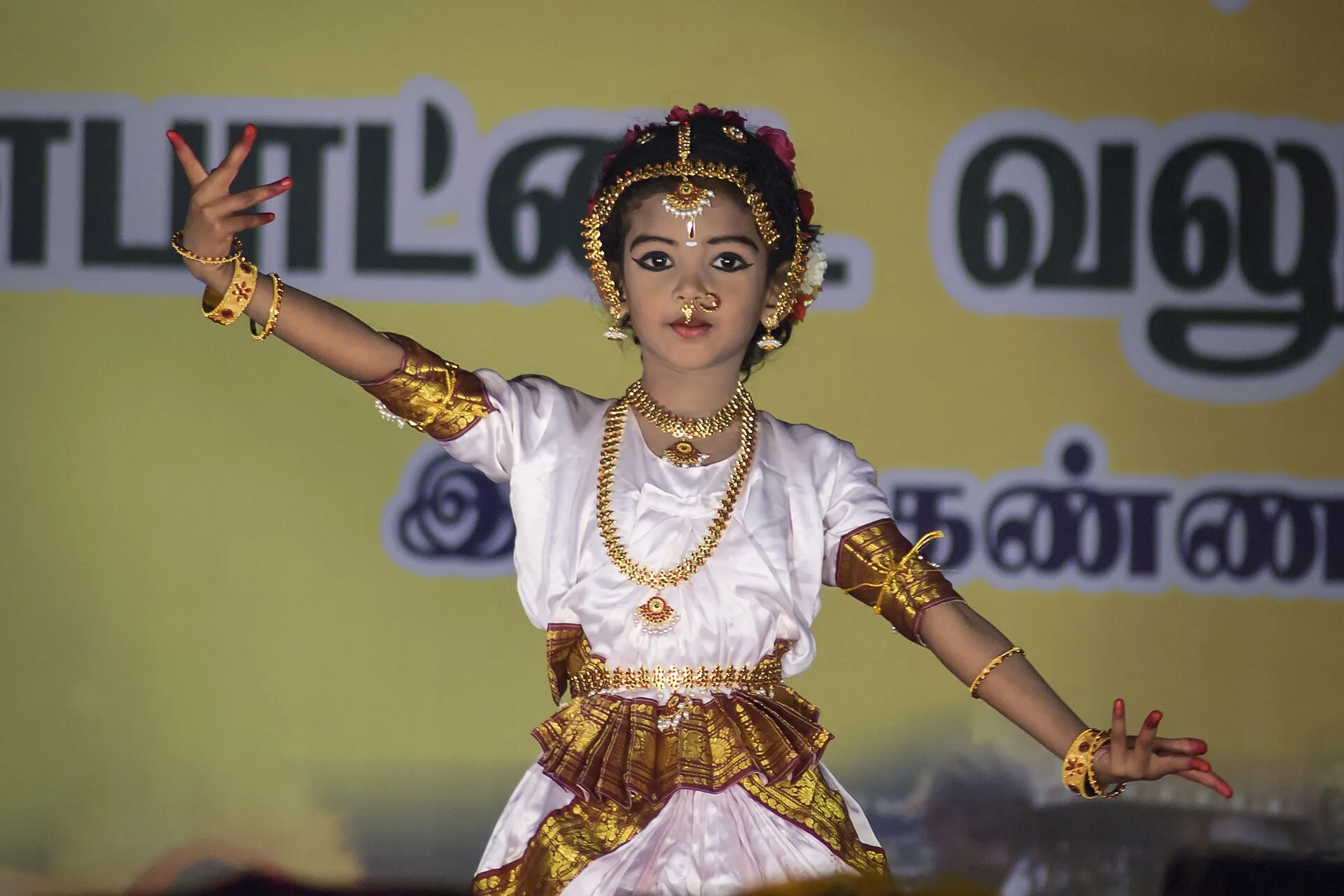
The Pongal Festival Tamil Nadu trip runs 3N/4D from Madurai, graded Easy, from Rs 7,200 per person. Route: Madurai – Alanganallur – Madurai.
Pongal is Tamil Nadu’s harvest thanksgiving, and it is the one festival in the state that almost everyone keeps. It is fixed to the sun rather than to the moon: the four days run from Bhogi to Kaanum Pongal around the moment the sun enters Makara, which puts the festival in the middle of January every year. In 2027 that means Bhogi on Thursday 14 January, Thai Pongal on Friday 15 January, Mattu Pongal on Saturday 16 January and Kaanum Pongal on Sunday 17 January. Thai Pongal lands on the 15th rather than the 14th because the sun’s ingress falls at 21:10 IST on the 14th, after sunset, so the first day of the Tamil month of Thai begins the following morning. See all <a href=”https://wdrlust.in/destinations/tamil-nadu/”>trips in Tamil Nadu</a>, or browse the <a href=”https://wdrlust.in/destination/”>full destination index</a>.
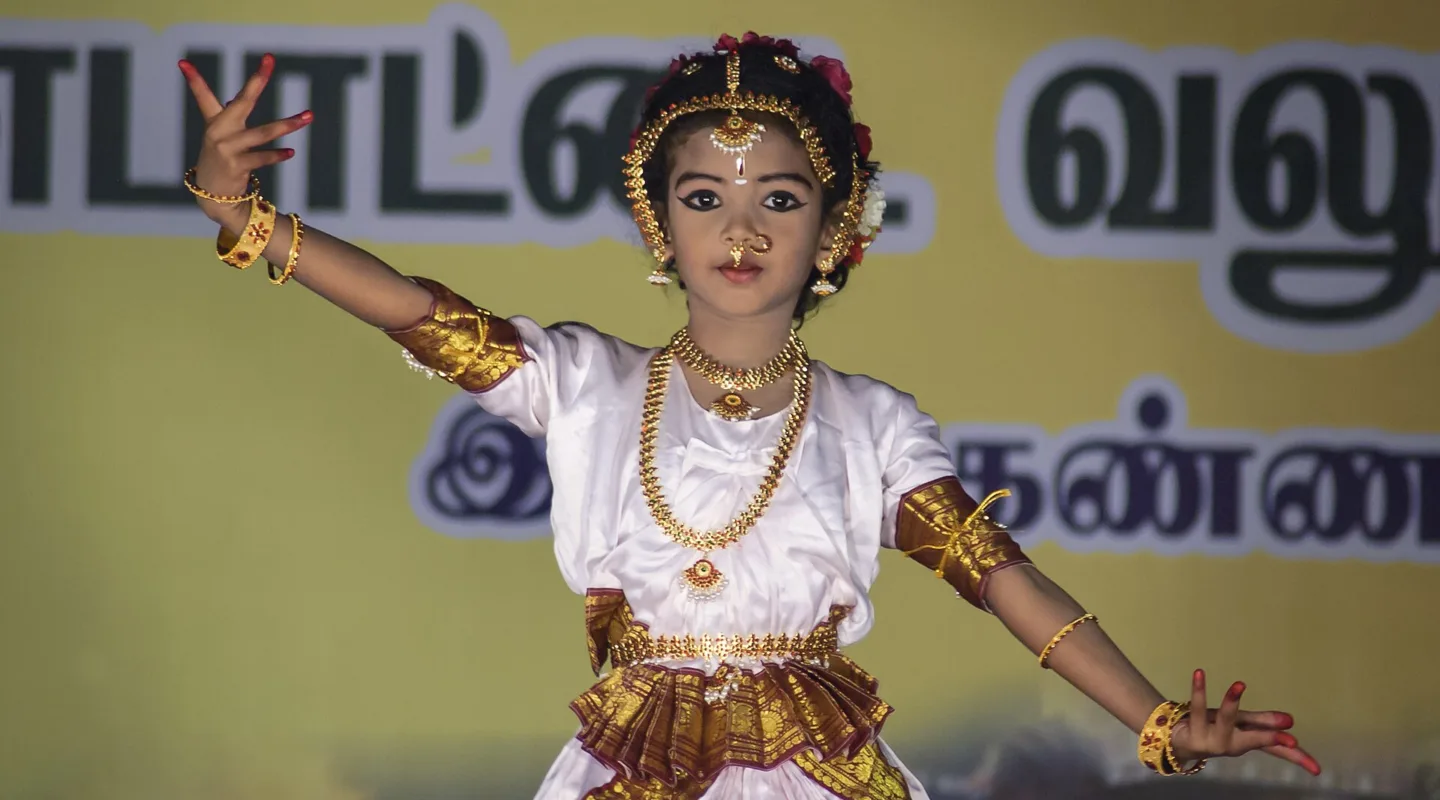
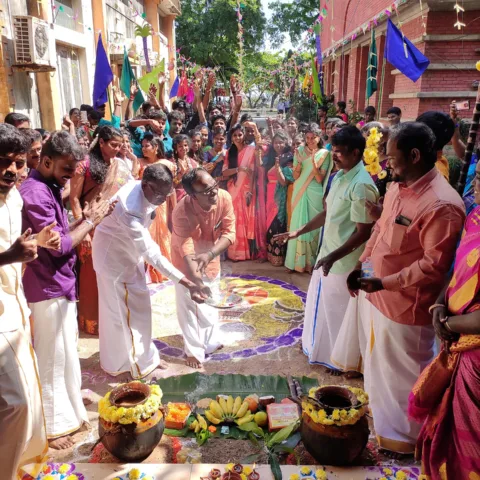
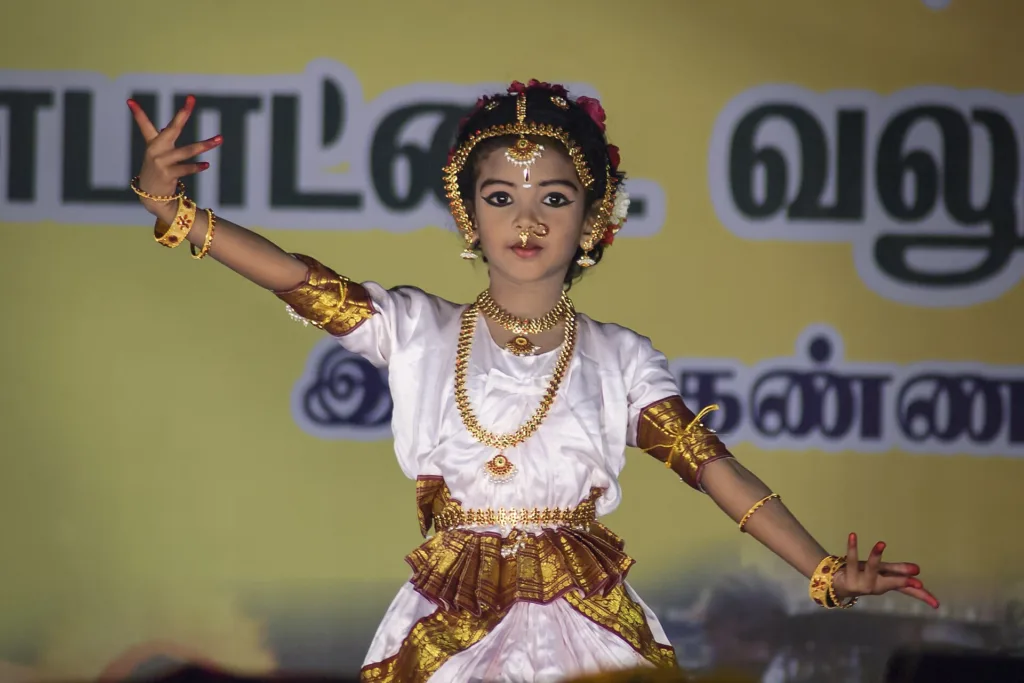
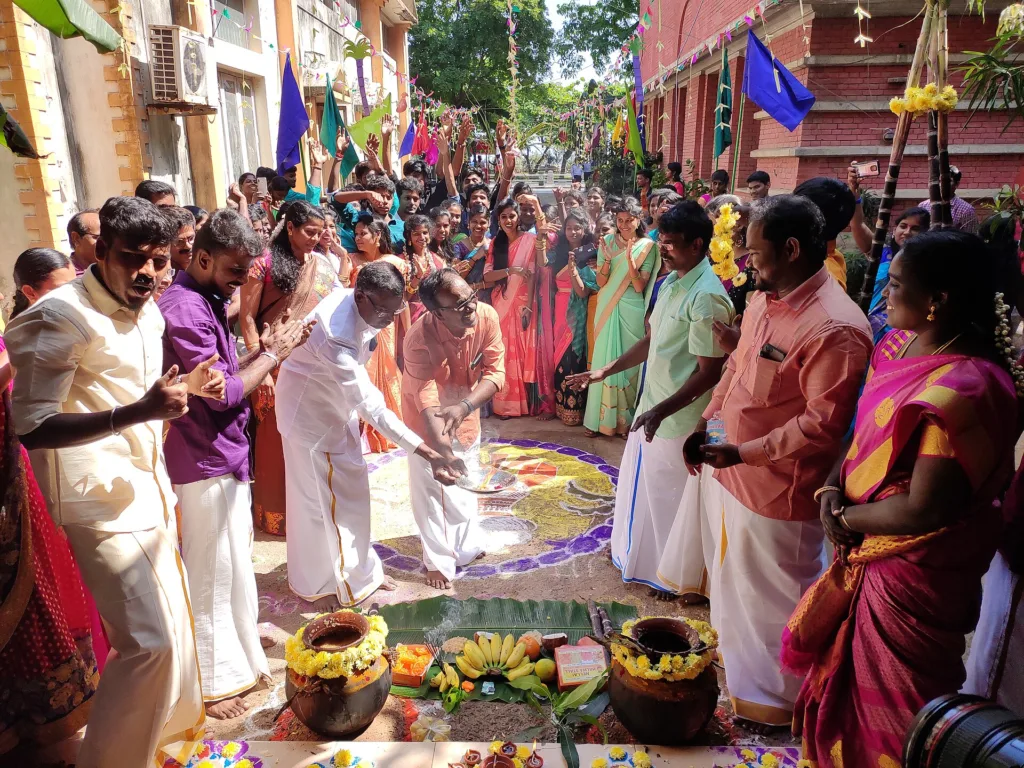
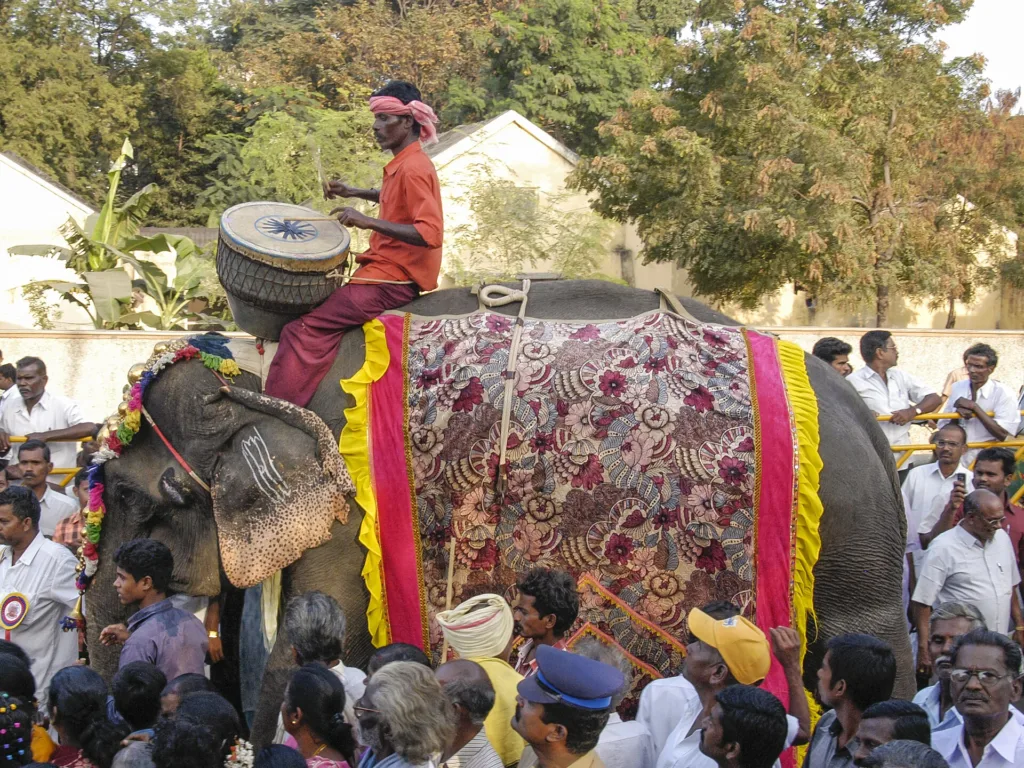
The name comes from the dish and from the moment it cooks. A new clay pot is set on a hearth facing east, filled with the year’s new rice, milk and jaggery, and brought to the boil in the open air. When it boils over — and it is meant to boil over — the household calls out “Pongalo Pongal”. By mid-January the new rice, sugarcane and turmeric are in, so the pot is a direct thank-you to the sun, the rain and the cattle that brought the crop home. Each of the four days has its own work. Bhogi is the clearing-out: old things are burnt at dawn, the house is cleaned and the kolam is drawn at the doorstep. Thai Pongal is the pot itself, at sunrise, with the family in the courtyard. Mattu Pongal belongs to the cattle, which are bathed, have their horns painted, are garlanded and are fed pongal. Kaanum Pongal is for going out and visiting, and the leftover pongal is put out for the birds.
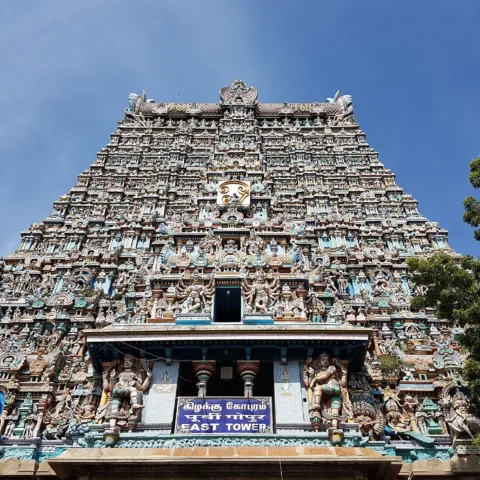
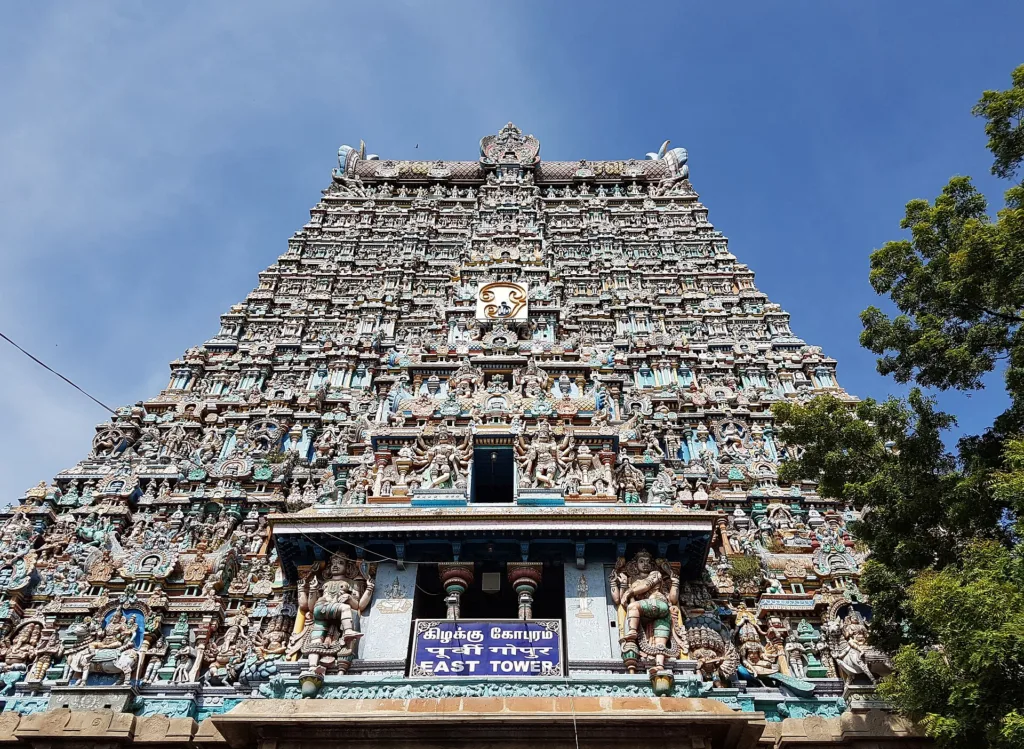
Madurai is the right base for it. The city sits on the Vaigai river and has been continuously inhabited for more than two thousand years, laid out in concentric streets around the Meenakshi Amman temple, whose gopurams are among the tallest in Tamil Nadu and are visible from most of the old town. Pongal week is when the city is at its most local: the streets around the temple fill with sugarcane stalls, the markets sell turmeric plants and new pots, and the villages to the northwest hold the Jallikattu events that Mattu Pongal is known for.
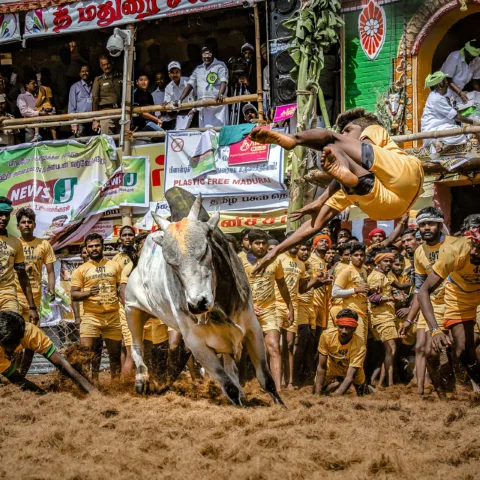
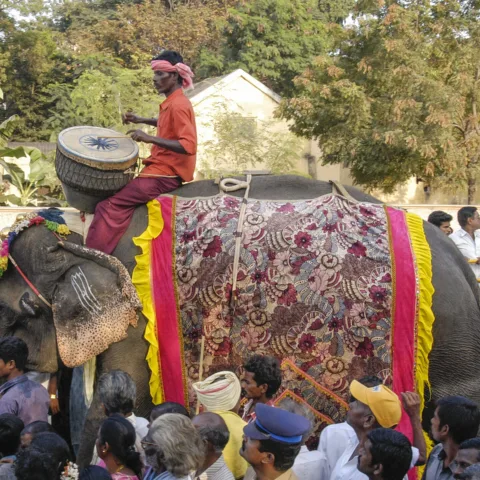
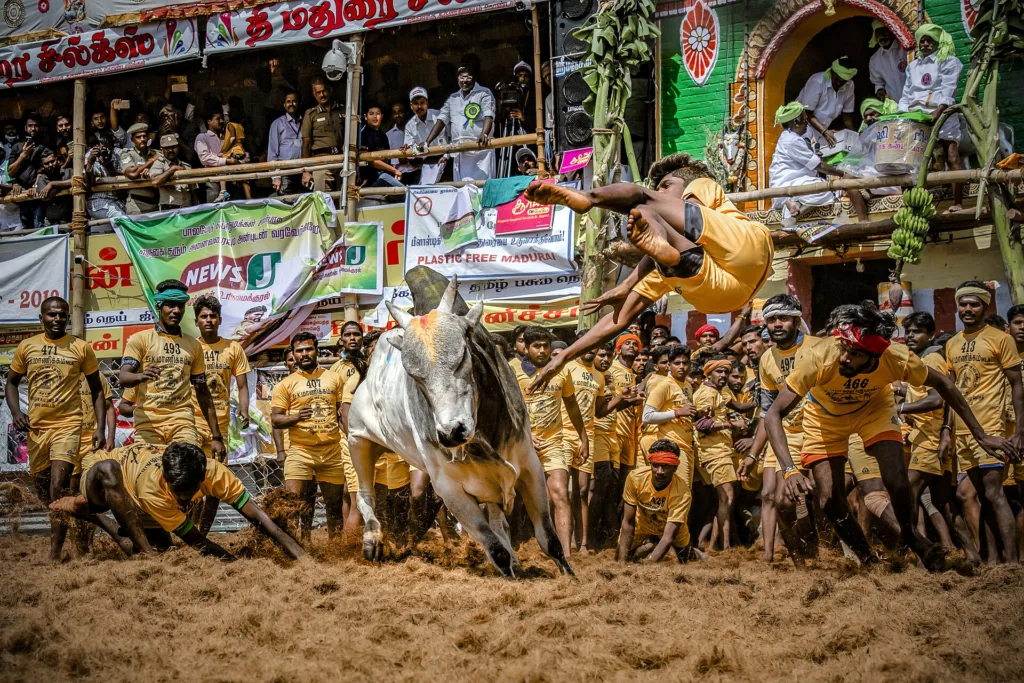
Alanganallur, a short drive out of the city, is the best known of those venues. Jallikattu is a bull-taming contest in which men attempt to hold on to the hump of a charging bull, and the bulls are as much the point of the event as the men. It is regulated, it is held on Mattu Pongal, and spectators watch from behind barricades. It is not a show put on for visitors — the village runs it for itself, and the crowd is local. That is exactly why it is worth the drive.
The trip is built around Madurai and one village run, so there is very little long-distance driving. You land at Madurai airport or arrive at Madurai Junction, both of which are a short transfer from the old town, and the first two nights are in the city. Day two stays in Madurai for Bhogi and Thai Pongal, with the morning at the pot and the afternoon in the streets around the temple.
Day three is the Alanganallur run: out of the city to the northwest in the morning, into the village for the Mattu Pongal events, and back to Madurai by evening. Day four is Kaanum Pongal, a slow morning and the transfer out. Total driving across the four days is under 100 kilometres, most of it on the Alanganallur run, which leaves the days for the festival rather than the road.
This one is for travellers who want to see a Tamil festival as it is actually kept, rather than staged for visitors. Families with children old enough to enjoy a long day out do well on it, because there is no walking to speak of and the days are short. Photographers get the best of it: the pot at sunrise, the painted horns at Mattu Pongal, the crowd at the barricades. Solo travellers fit easily into the group format.
It is not a trek and there is no substitute for one — if you want distance under your boots, this is the wrong week. It is also not a temple tour: the Meenakshi temple is on the route because the old town is built around it, not because the trip is built around the temple. The days belong to the courtyards, the cattle and the village.
The price covers three nights in Madurai on twin sharing, breakfast and dinner daily, all road transport from the airport or railway station and back, the Alanganallur transfer, a trip captain throughout, and the arrangements for the village visits. It does not cover flights or trains to Madurai, lunch, or the Jallikattu spectator arrangements where a separate ticket applies.
Pongal 2027 runs from Thursday 14 January to Sunday 17 January. Bhogi is on the 14th, Thai Pongal on Friday the 15th, Mattu Pongal on Saturday the 16th and Kaanum Pongal on Sunday the 17th. Thai Pongal falls on the 15th because the sun enters Makara at 21:10 IST on the 14th, after sunset. The departure on Friday 15 January 2027 is built to land on Thai Pongal itself.
It is graded easy. Madurai sits at low elevation on the Vaigai plain, so there is no altitude concern at all, and the walking is limited to the old town streets, the village at Alanganallur and the hotel. Anyone comfortable on their feet for a few hours a day will manage it.
A basic level. There is no trekking and no climb. The main physical demands are standing and walking slowly through crowded festival streets for several hours, and being on your feet through a long day at Alanganallur. If you can walk for three or four hours with breaks, you are fit enough.
Yes. Shared accommodation on twin sharing, a trip captain throughout and communal meals make it easy for solo travellers, and the group format means you are never on your own unless you want to be. Couples and families also fit well, and the festival is a good one to see in company.
Three nights in a hotel in Madurai on twin sharing, chosen for proximity to the old town rather than for luxury. Rooms have attached bathrooms and hot water. Singles who want a room to themselves can pay a single supplement, subject to availability, because Madurai fills up over Pongal week.
Indian citizens need no permit for Madurai or Alanganallur. Foreign nationals need a standard tourist visa, applied for before travel. Mobile coverage in Madurai is reliable, including data, and it holds at Alanganallur. The one exception is the Jallikattu crowd itself, where the network gets congested and photographs are easier to send later.
Explore related pages: All trips in Tamil Nadu · Browse all destinations · All activities · Madurai destination guide · Trekking in India.
Photo credits. Photographs on this page are from Wikimedia Commons and are used under the licences listed below. Each image is credited to its photographer; the licence terms apply to reuse of the image.
An Unforgettable Adventure in the Dhauladhar Range If you're searching for a short yet thrilling Himalayan trek, the…
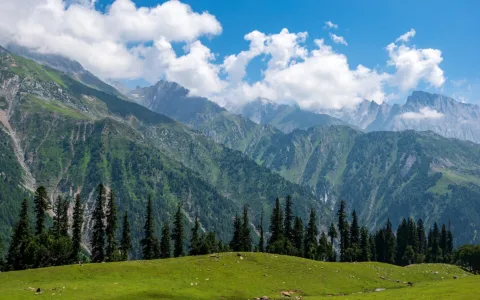
Kashmir road trip, 6N/7D from Srinagar, graded Easy, from Rs 19,500. Dal Lake, Gulmarg, Pahalgam and Sonamarg by…
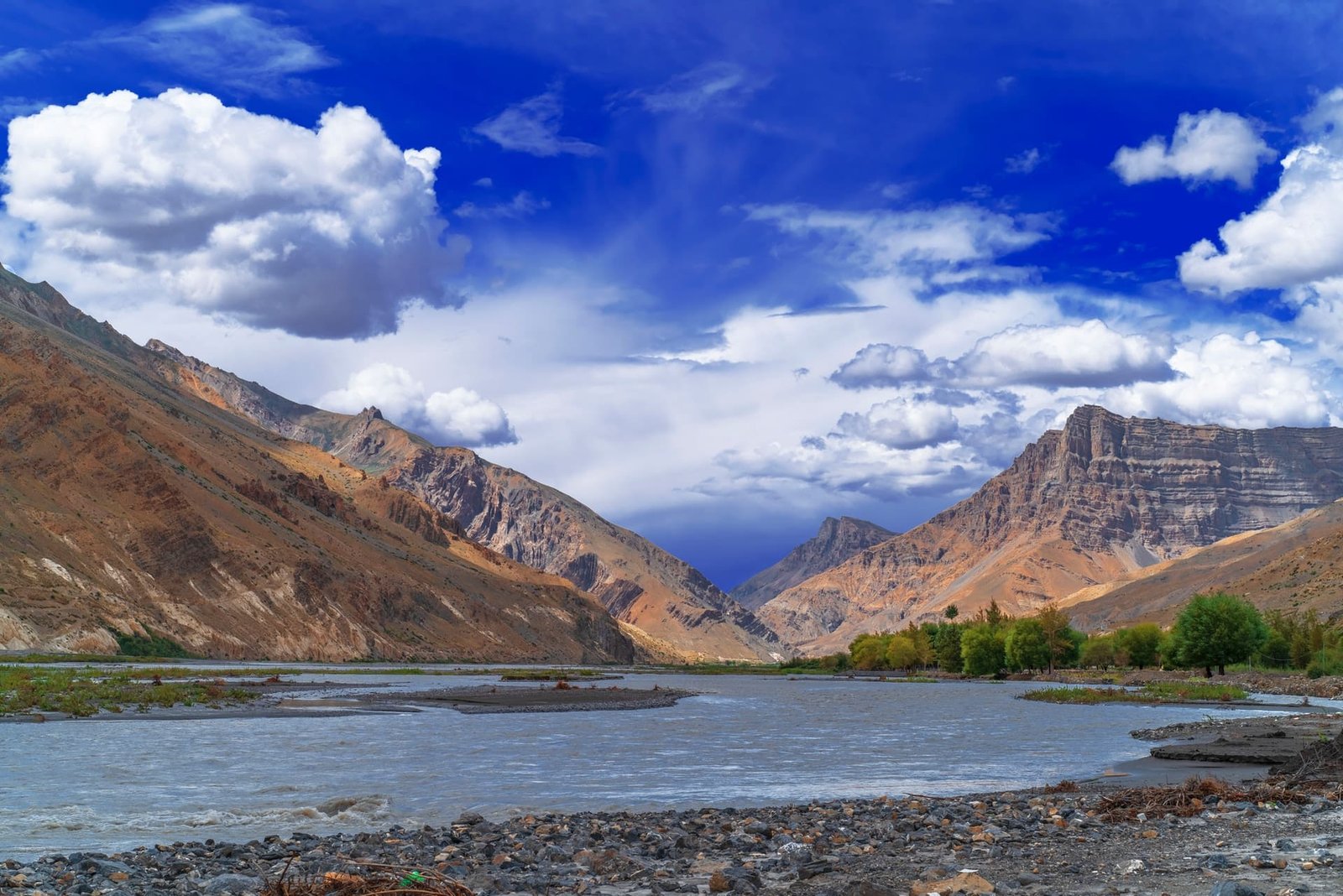
Spiti Valley Spiti Valley The Land of Raw Beauty and High-Altitude Adventures Introduction Nestled in the cold desert…