
Moderate

AMK – Alang Madan Kulang Trek
AMK - Alang Madan Kulang Trek Nestled in the heart of the Sahyadri Range in Maharashtra, the Alang…
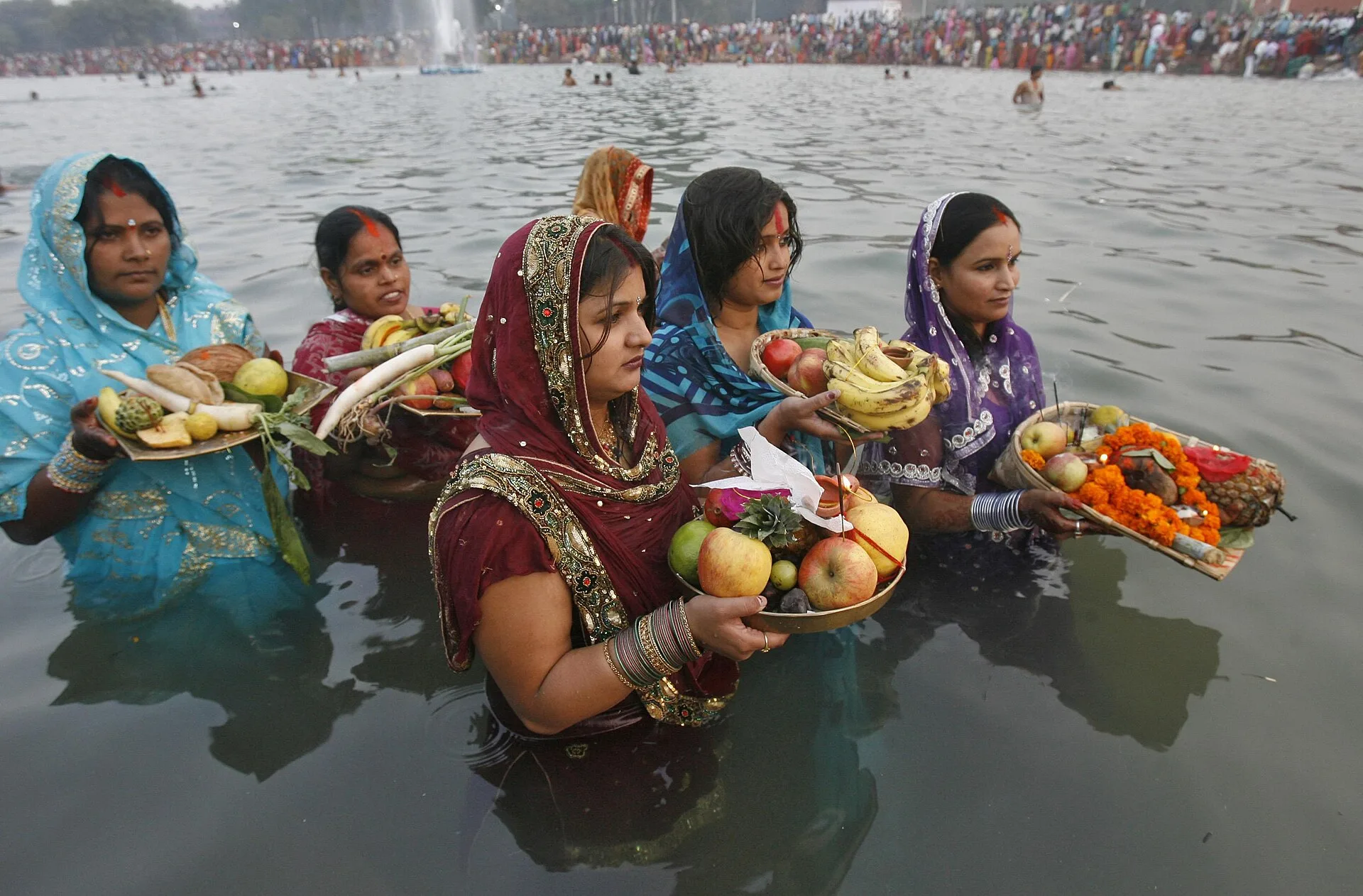
The Chhath Puja Bihar runs 3N/4D from Patna, graded Easy, from Rs 6,800 per person. Route: Patna – Ganga ghats – Sonepur – Patna.
Chhath Puja is the festival of Sun worship observed on Kartik Shukla Shashthi, the sixth day of the bright fortnight of the Hindu month of Kartik. It is also called Surya Shashthi, Dala Chhath and Chhathi Maiya Puja, and it is the most important festival of the year across Bihar, Jharkhand and eastern Uttar Pradesh. In 2026 the main day falls on 15 November, and the observance runs across four days rather than one: Nahay Khay, Kharna, Sandhya Arghya at sunset and Usha Arghya at sunrise.
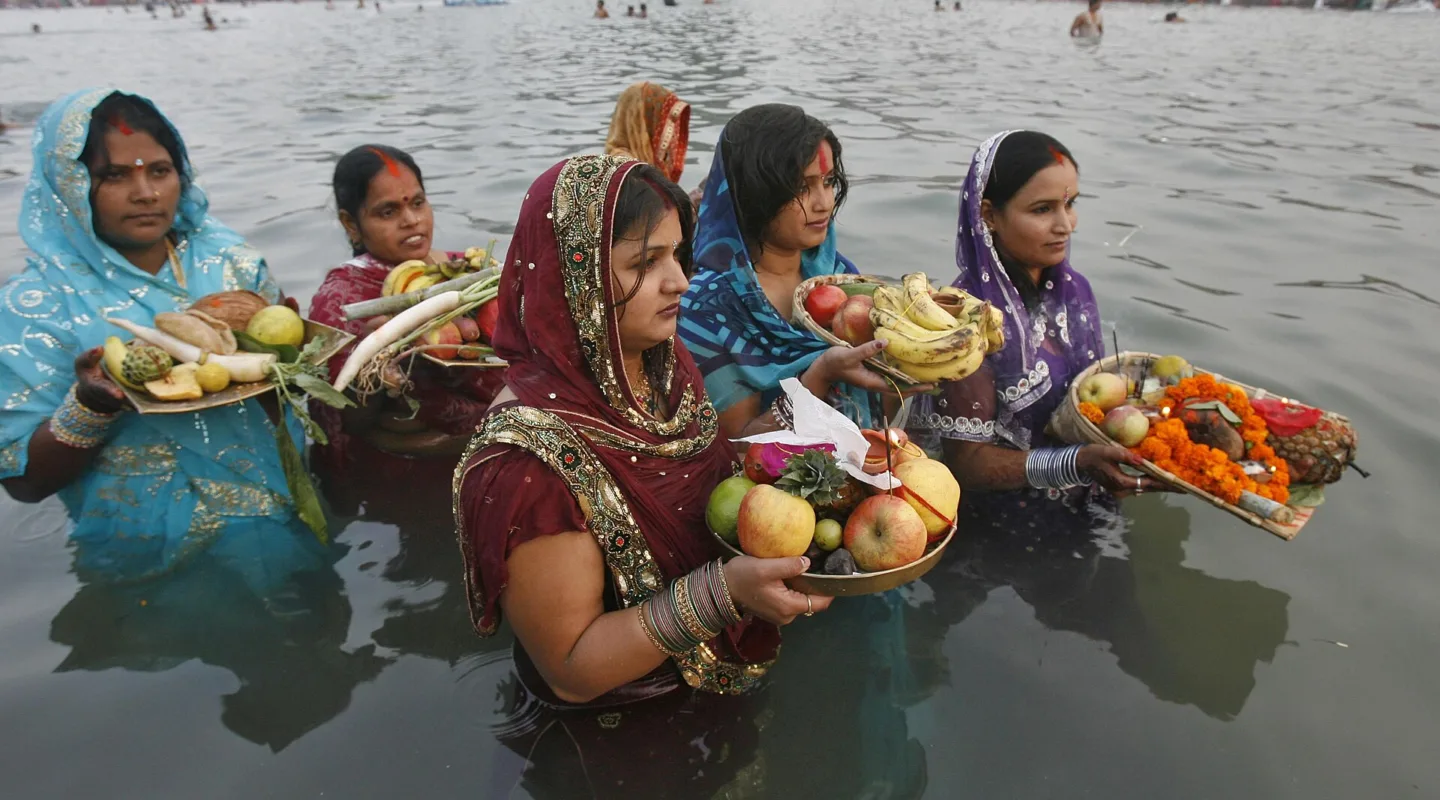
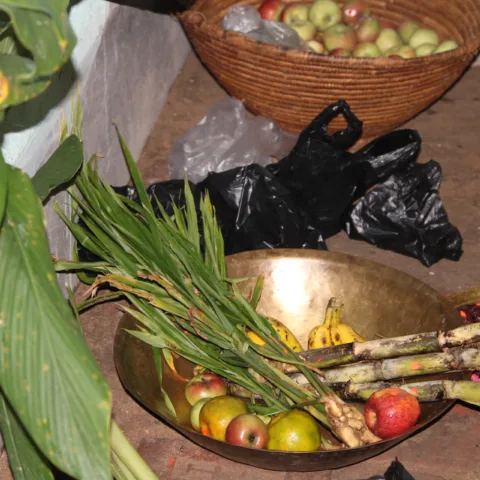
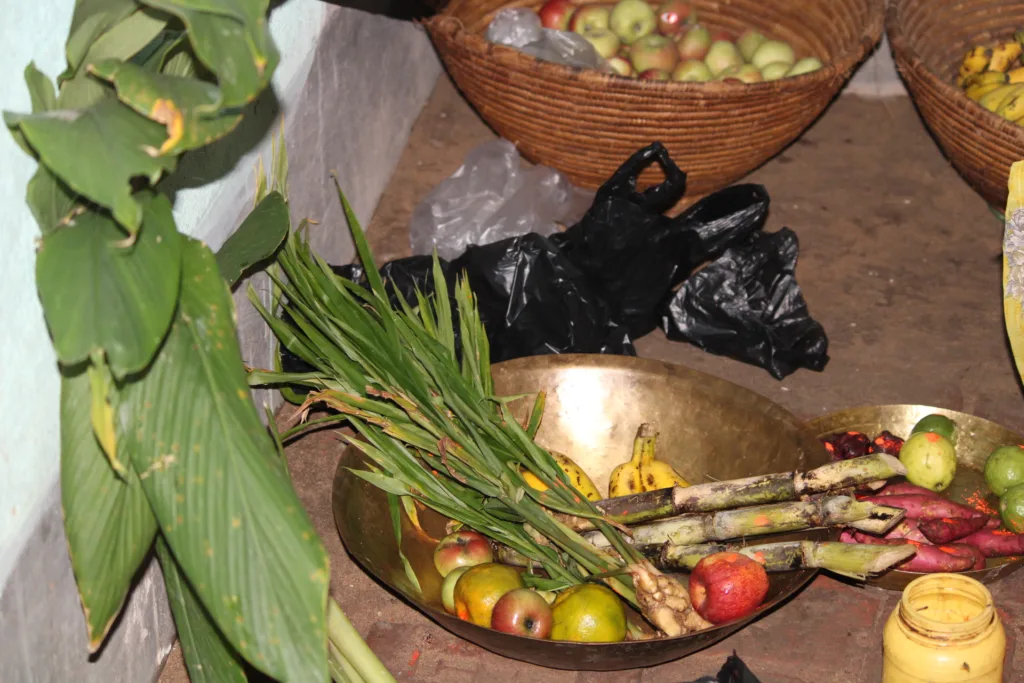
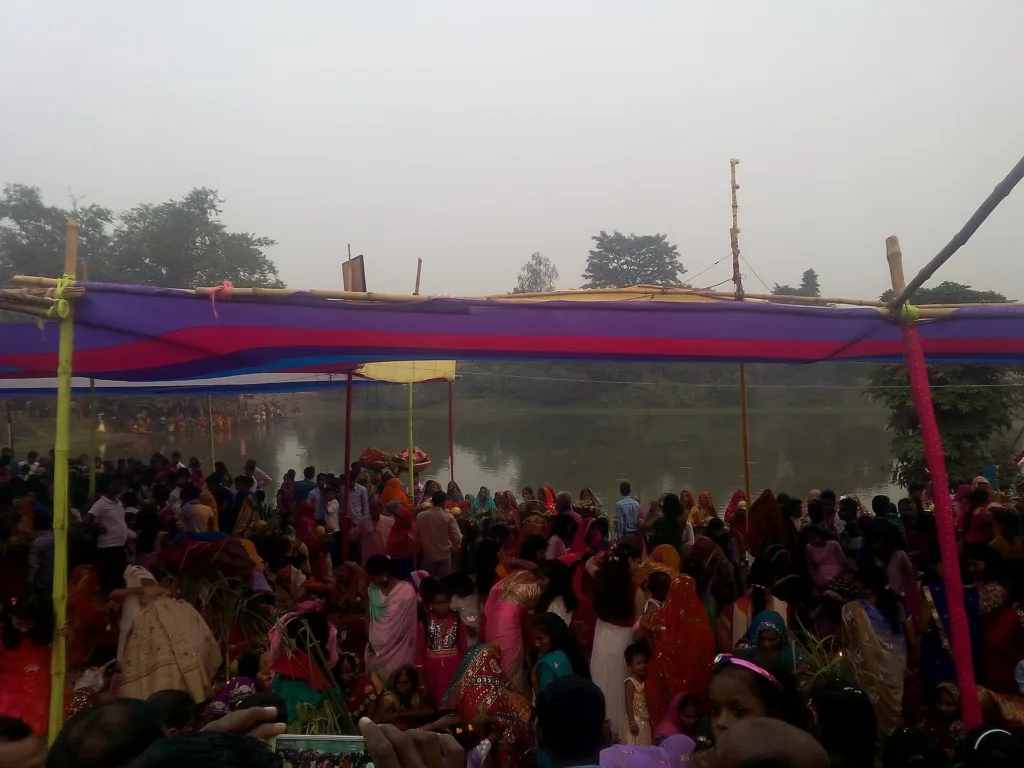
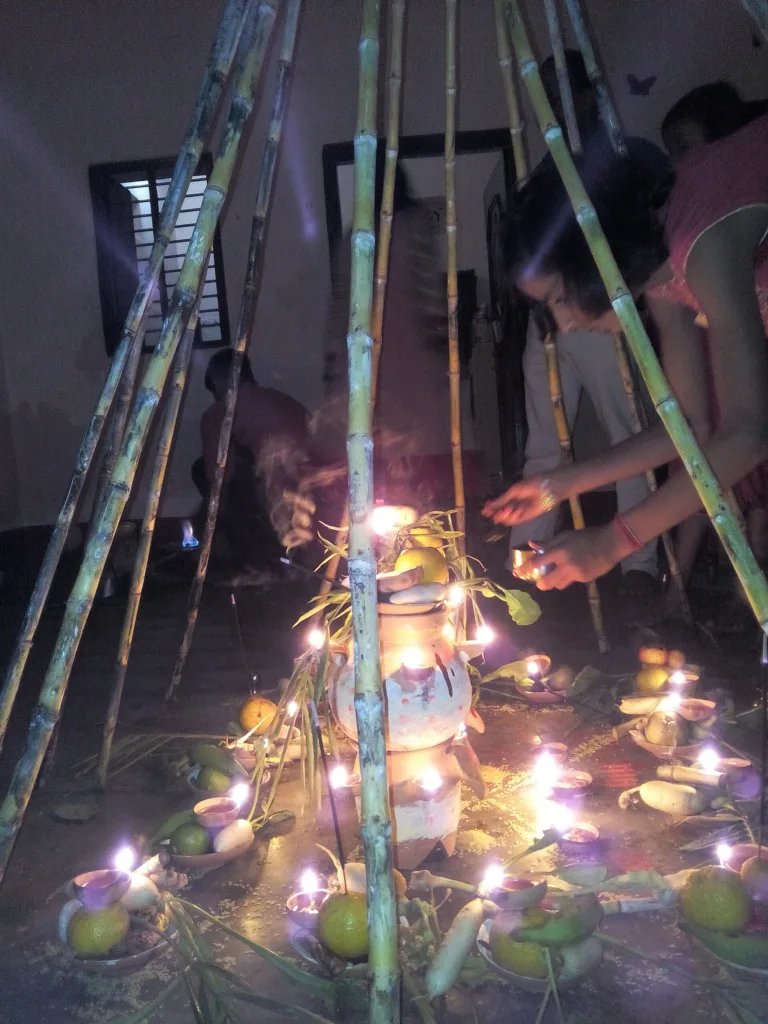
What makes it unusual is that the rituals are addressed to the setting sun first and the rising sun second, which is the reverse of most solar observances. Devotees, called vratis, keep a fast that runs without water for the final thirty-six hours, stand waist-deep in the river, and offer arghya from bamboo soop baskets filled with fruit, sugarcane, thekua and flowers. The ghats are lit with earthen deepams and the whole riverbank works through the night. Local tradition in Bihar holds that Ram and Sita observed this fast and offered arghya on Kartik Shukla Shashthi after returning from Lanka, and the story is told as an act of faith rather than as scriptural record.
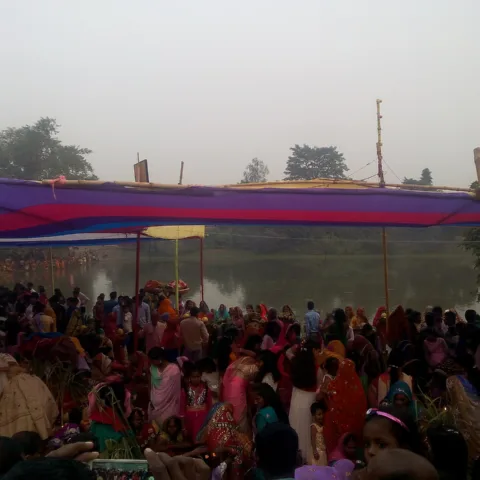
The setting is the Gangetic plain, and the river is the point. Bihar is flat, densely settled and defined by the Ganga and its distributaries, and at Chhath every available ghat, pond and riverbank in Patna fills with families. Sonepur, about 25 kilometres north of Patna across the Gandhi Setu bridge, sits at the confluence of the Gandak and the Ganga and is home to the Harihar Nath temple. It also hosts the Sonepur cattle fair, held around Kartik Purnima and long described as one of Asia’s largest livestock fairs, which is why the two are worth pairing in the same trip. You can see the wider state on our destinations page.
Day one is arrival in Patna and an evening at the ghats as the city prepares. Day two follows the Sandhya Arghya, the sunset offering, which is the visual centre of the whole festival. Day three is the Usha Arghya at dawn, then the drive out to Sonepur for the Gandak confluence and the Harihar Nath temple. Day four is the return to Patna and departure.
Patna to Sonepur is about 25 kilometres over the Gandhi Setu, one of the longest river bridges in the world, and the crossing is quick outside peak hours. Within Patna, the ghats are close together but the approach roads close to traffic on the Arghya evenings, so the group walks the last stretch.
This trip suits travellers who want to witness a festival that is genuinely of the place rather than staged for visitors, and photographers who want the night and dawn light on the water. There is no walking of consequence and no altitude. It is a strong fit for solo travellers, since the group format and the shared meals make it easy to settle in, and for anyone curious about the Gangetic plain beyond the Buddhist circuit.
The price covers three nights of accommodation in Patna on twin sharing, breakfast and dinner on all days, the Patna transfers both ways, the Sonepur excursion, local transport to the ghats, and a trip captain throughout.
Chhath falls on Kartik Shukla Shashthi, the sixth day of the bright fortnight of the Hindu month of Kartik, so the Gregorian dates move each year. In 2026 the main day is 15 November, and the observance runs across four days from Nahay Khay to Usha Arghya. This trip is built around the two Arghya days, so the departures that fall inside that window are the ones to book.
It is graded easy. Patna and Sonepur are on the Gangetic plain at very low elevation, so there is no altitude concern at all, and the walking is limited to the ghats and the temple grounds. Anyone comfortable on their feet for a few hours a day will manage it.
A basic level. There is no trekking and no climb. The main physical demands are standing for long stretches at the ghats, walking down and up wet stone steps, and the early start for the dawn Arghya. If you can stand and walk for three or four hours with breaks, you are fit enough.
Yes. Shared accommodation on twin sharing, a trip captain throughout and communal meals make it easy for solo travellers, and the group format means you are never on your own unless you want to be. Couples and friend groups also fit well.
Three nights in a hotel in Patna on twin sharing, chosen for proximity to the ghats rather than for luxury. Rooms have attached bathrooms and hot water. Singles who want a room to themselves can pay a single supplement, subject to availability during the festival week.
Indian citizens need no permit for Patna or Sonepur. Foreign nationals need a standard tourist visa, applied for before travel. Mobile coverage in Patna is good, but it weakens at the ghats when the festival crowds peak and on the Sonepur road. Treat the Arghya evenings as partly offline and download what you need in advance.
Explore related pages: All trips in Bihar · Browse all destinations · All activities · Patna and Sonepur destination guide · Trekking in India.
Photo credits. Photographs on this page are from Wikimedia Commons and are used under the licences listed below. Each image is credited to its photographer; the licence terms apply to reuse of the image.
AMK - Alang Madan Kulang Trek Nestled in the heart of the Sahyadri Range in Maharashtra, the Alang…
Durga Puja Kolkata tour, 4N/5D from Kolkata, graded Easy, from Rs 9,800. Pandal circuit, Kumartuli idol-makers, Sindoor Khela…
Moon Peak Expedition – Conquer the Heights of the Dhauladhar Range The Moon Peak Expedition is a thrilling…