
Moderate

Winter Spiti Trip From Delhi
A 9-day winter road trip from Delhi through Chitkul, Tabo, Kaza and Kalpa, with frozen rivers, snow-covered villages…
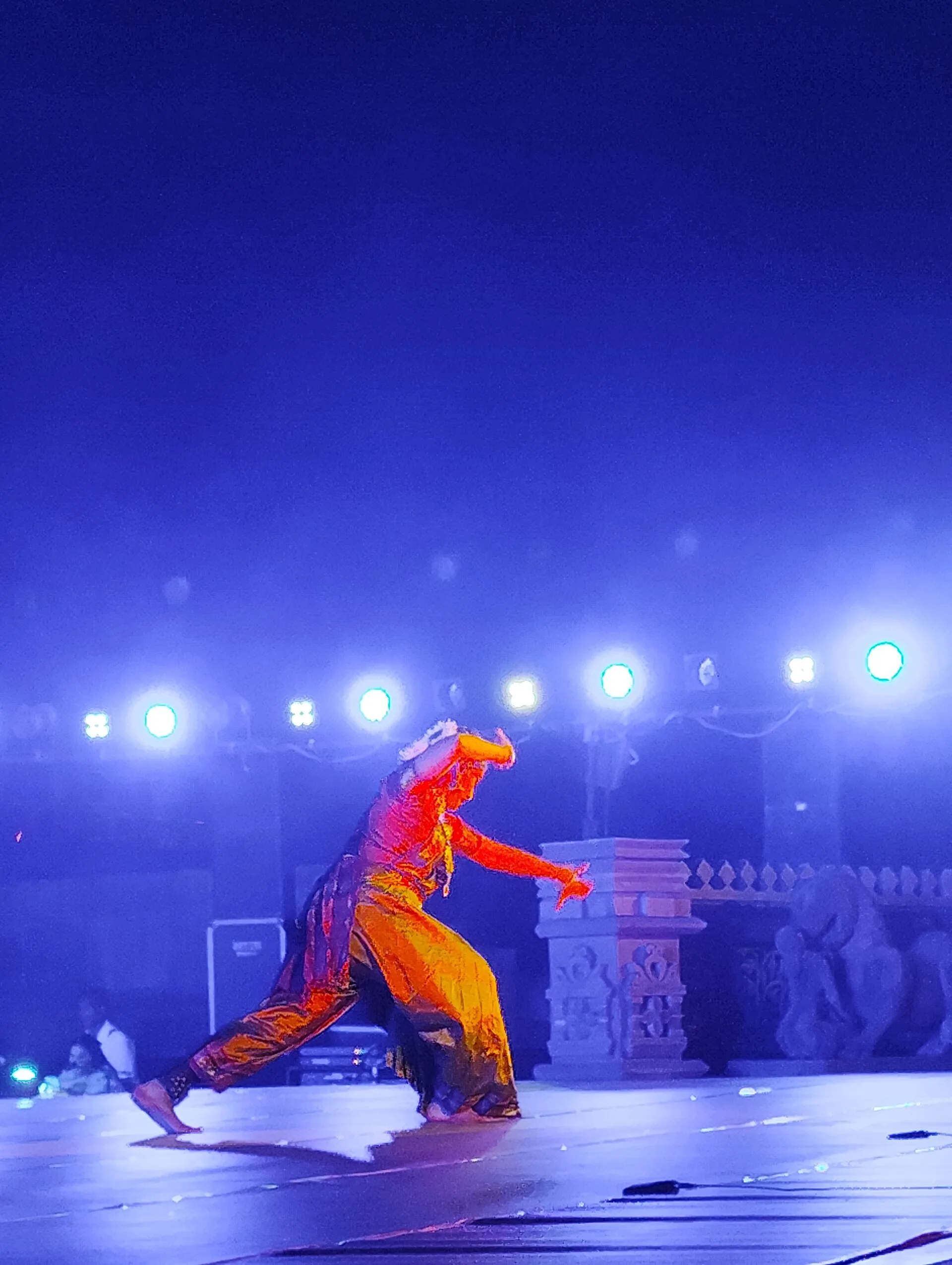
The Khajuraho Dance Festival trip runs 3N/4D from Jhansi, graded Easy, from Rs 6,800 per person. Route: Jhansi – Orchha – Khajuraho – Jhansi.
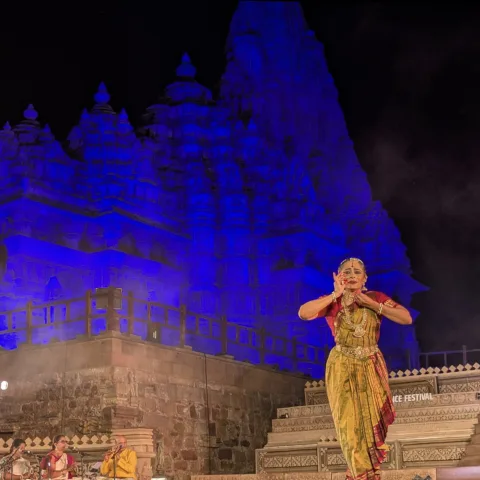
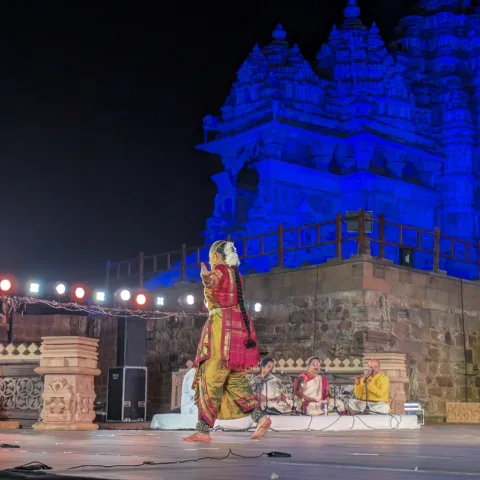
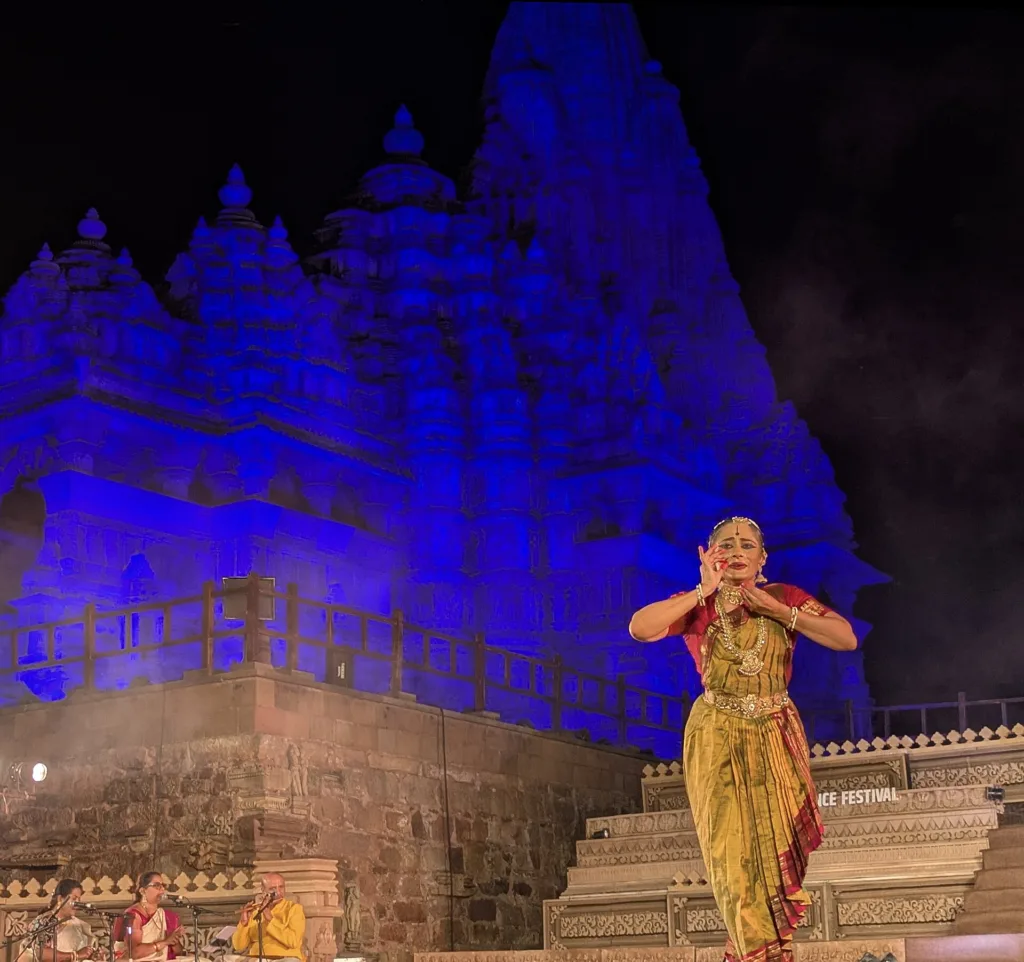
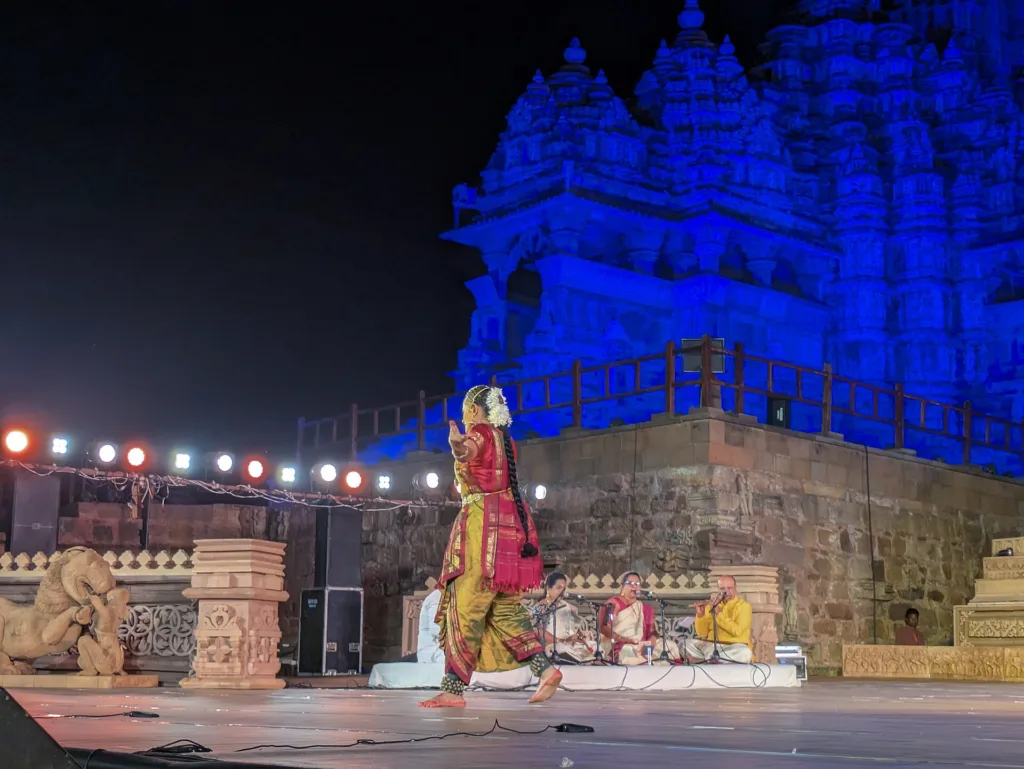
The Khajuraho Dance Festival is held every February against the Western Group of temples, and 2027 is the 53rd edition, running from 20 to 26 February. Seven evenings of classical dance are staged in an open-air amphitheatre set up beside the Chitragupta temple, with the shikhara of the Kandariya Mahadeva standing behind the stage. It is organised by Madhya Pradesh Tourism with the state’s culture department, and it has run long enough that the festival and the monuments have become one thing in people’s minds. See all <a href=”https://wdrlust.in/destinations/madhya-pradesh/”>trips in Madhya Pradesh</a>, or browse the <a href=”https://wdrlust.in/destination/”>full destination index</a>.
Khajuraho itself was built between 950 and 1050 AD under the Chandelas, at the height of their power in Bundelkhand. It was a group of about 85 temples, of which around 20 survive, and it was inscribed as a UNESCO World Heritage Site in 1986. The temples are Nagara style, in sandstone, and they are held together without mortar — by gravity, the cut of the stone and iron clamps. The Western Group is the largest and contains the Kandariya Mahadeva, the tallest of them at about 31 metres, with its graded cluster of shikharas rising to a single point.
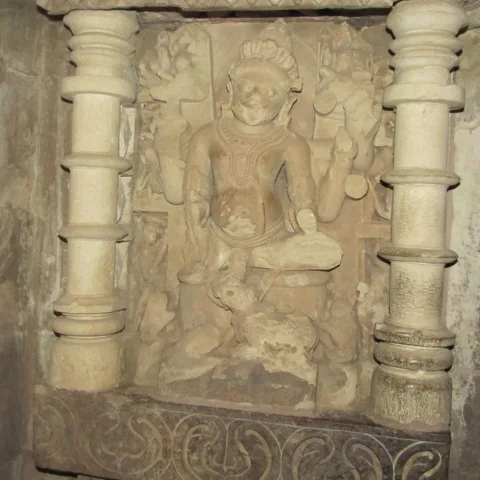
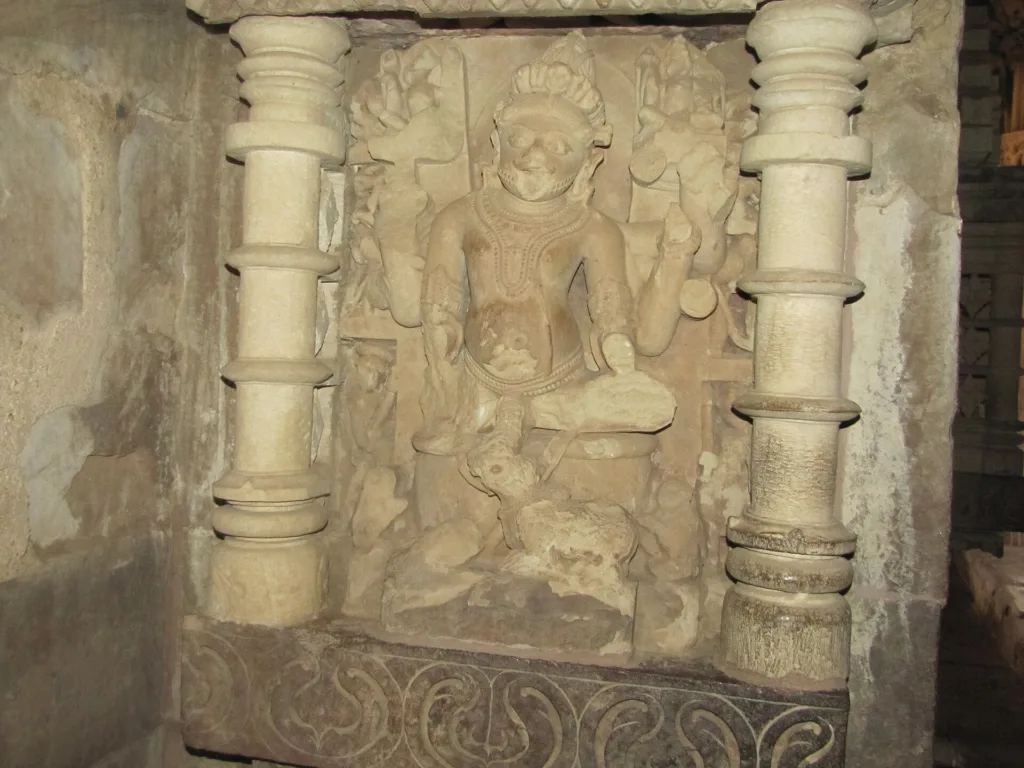
The sculpture on the outer walls runs in horizontal bands: deities in their niches, mithuna couples, courtly life, animals, and the erotic panels the site is known for. They are not decoration added afterwards; they are the wall, carved in place, and the density of them is what makes the temples read as sculpture rather than as architecture. The Eastern Group, a short walk away, holds the Jain temples — Parshvanatha, Shantinath, Adinath — and is usually much quieter.
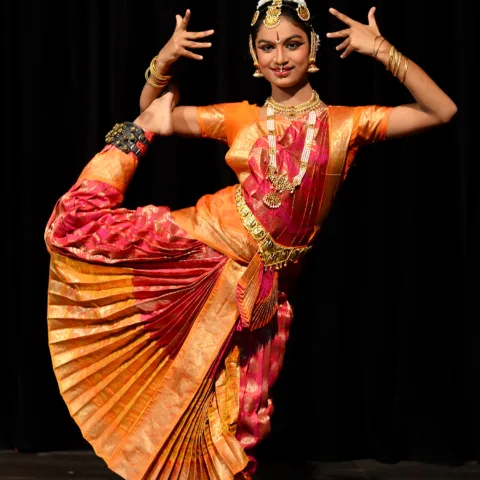
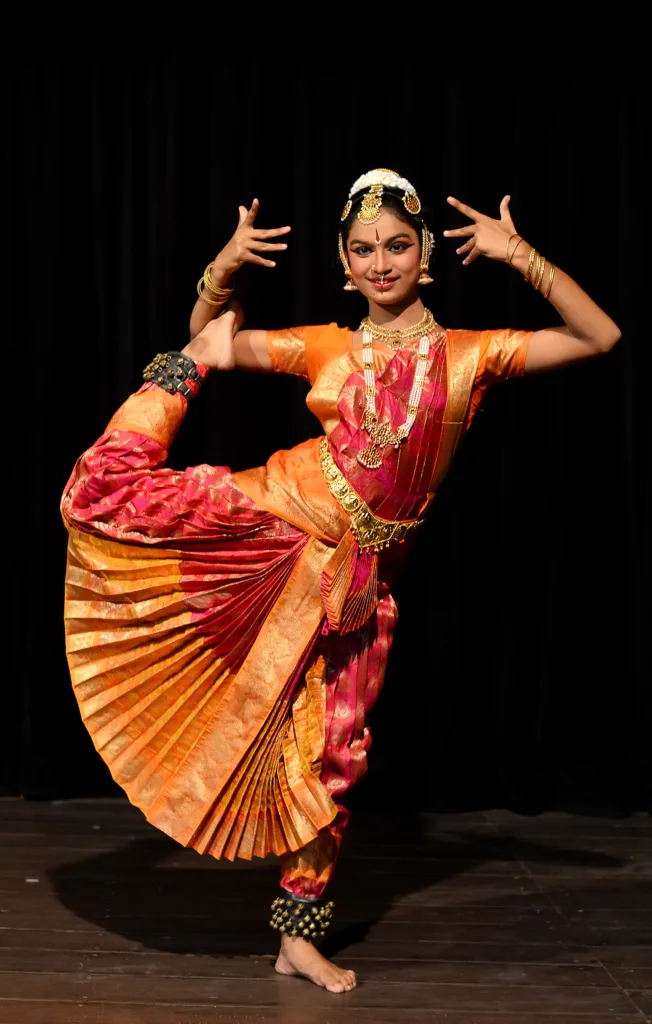
The festival programme rotates through the classical forms: Bharatanatyam, Kathak, Odissi, Kuchipudi, Manipuri, Mohiniyattam and Kathakali, usually one or two companies a night. The audience sits on the lawn, the temples are lit from below, and the evenings run roughly from seven to ten. Mornings are free for the monuments themselves, which is the right way round: the temples in daylight, the dance after dark.
The village around the temples is small and worth an hour. Khajuraho was a quiet, almost forgotten place for centuries after the Chandelas fell, which is the main reason the temples survived: there was no city built over them and no quarrying of the stone. They were brought back to notice in 1838 by a British engineer, T. S. Burt, and the restoration work began in earnest in the early twentieth century. The old village, the temple tank and the market sit between the Western and Eastern groups, and walking that stretch in the late afternoon is the best way to understand how the site is laid out.
Jhansi is the railhead and the practical start. Orchha, on the Betwa river, is about 15 kilometres from Jhansi and is the natural first stop: the Bundela palaces and the chhatris along the river are a couple of hours of walking, and they set up the Bundelkhand story that Khajuraho continues. From Orchha the drive to Khajuraho runs east through Chhatarpur, roughly four hours with a stop.
Two nights in Khajuraho give you two festival evenings and a full day among the temples. Day two is the Western Group in the morning, when the light is on the south faces and the day’s crowd has not arrived, then the festival after dark. Day three is the Eastern Group and the sculpture, with the second evening at the amphitheatre. Day four is the drive back to Jhansi for the train. Panna National Park is close enough to add a morning safari if you want one, but it is not part of the standard four days.
This is for travellers who will sit through three hours of classical dance and be glad of it, and for anyone who wants to see the Khajuraho temples with time to look rather than twenty minutes to photograph. Dance students and musicians get the most out of it, because the programme is the country’s best cross-section of the classical forms in one week. Photographers do well in the mornings, when the temples are empty and the light is low.
Couples and solo travellers both fit the group format. It is a poor choice for very young children, because the evenings finish late and the seating is outdoors on a lawn. And it is not a trek: the walking is flat and confined to the temple complex and the two towns.
The price covers three nights on twin sharing — one in Orchha and two in Khajuraho — breakfast and dinner daily, all road transport from Jhansi and back, the festival transfers each evening, a trip captain throughout, and the monument guidance. It does not cover trains to Jhansi, lunch, the monument entry tickets, or a Panna safari if you add one.
The 53rd edition runs from 20 to 26 February 2027 at the Khajuraho Group of Monuments, organised by Madhya Pradesh Tourism. The performances are in the evenings, roughly seven to ten, in the open-air amphitheatre beside the Chitragupta temple. The trip is built to put you there for three of those evenings.
It is graded easy. Khajuraho sits on the Bundelkhand plateau at low elevation, so there is no altitude concern, and the walking is flat: temple platforms, the Orchha complex and the village streets. The only uneven ground is the stone flooring between the temples.
A basic level. There is no trekking and no climb. The demands are standing and walking slowly for two or three hours at a time on stone, and sitting outdoors for a three-hour performance in the evening. If you can manage a long museum day, you can manage this.
Yes. Shared accommodation on twin sharing, a trip captain throughout and communal meals make it easy for solo travellers, and the group format means you have company at the evening performances without having to organise it. Couples also fit well.
Three nights on twin sharing: one in Orchha and two in Khajuraho, both chosen for proximity to the monuments rather than for luxury. Rooms have attached bathrooms and hot water. Singles who want a room to themselves can pay a single supplement, subject to availability during festival week.
Entry arrangements are set by the organisers each year and have historically been open to the public rather than ticketed. We confirm the year’s arrangement with Madhya Pradesh Tourism before departure and tell the group in the pre-trip note. Mobile coverage in Khajuraho is reliable for calls and data, and it holds at the temple complex; the network gets congested during the performances themselves.
Explore related pages: All trips in Madhya Pradesh · Browse all destinations · All activities · Khajuraho destination guide · Trekking in India.
Photo credits. Photographs on this page are from Wikimedia Commons and are used under the licences listed below. Each image is credited to its photographer; the licence terms apply to reuse of the image.
A 9-day winter road trip from Delhi through Chitkul, Tabo, Kaza and Kalpa, with frozen rivers, snow-covered villages…
Mcleodganj Triund Bir This itinerary combines the cultural exploration of Mcleodganj, the adventurous trek, and the paragliding experience…
Kashmir road trip, 6N/7D from Srinagar, graded Easy, from Rs 19,500. Dal Lake, Gulmarg, Pahalgam and Sonamarg by…