
Moderate

Mcleodganj Triund Trek
Mcleodganj Triund Trek If you're seeking an enchanting trek in the heart of Himachal Pradesh, the McLeodganj Triund…
The Surajkund Crafts Mela trip runs 3N/4D from Delhi, graded Easy, from Rs 7,200 per person. Route: Delhi – Faridabad – Surajkund – Damdama – Delhi.
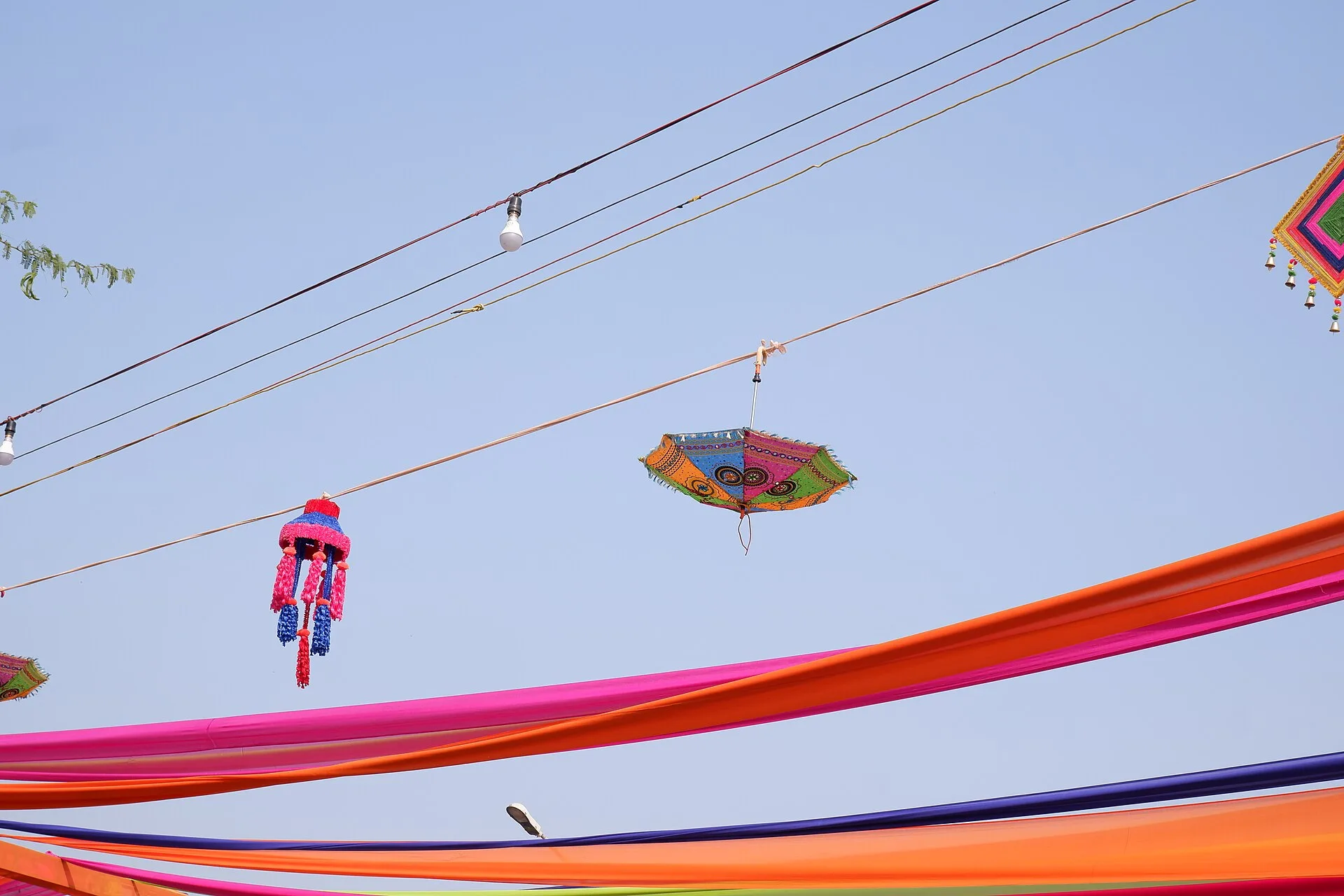
The Surajkund International Crafts Mela is the largest crafts fair in India and one of the largest in the world. It is held every February at Surajkund in Faridabad, Haryana, on about 40 acres around a tenth-century reservoir, and it brings together artisans from every Indian state along with a partner country and dozens of participating nations. The 2026 edition, the 39th, ran from 31 January to 15 February with Egypt as partner country.
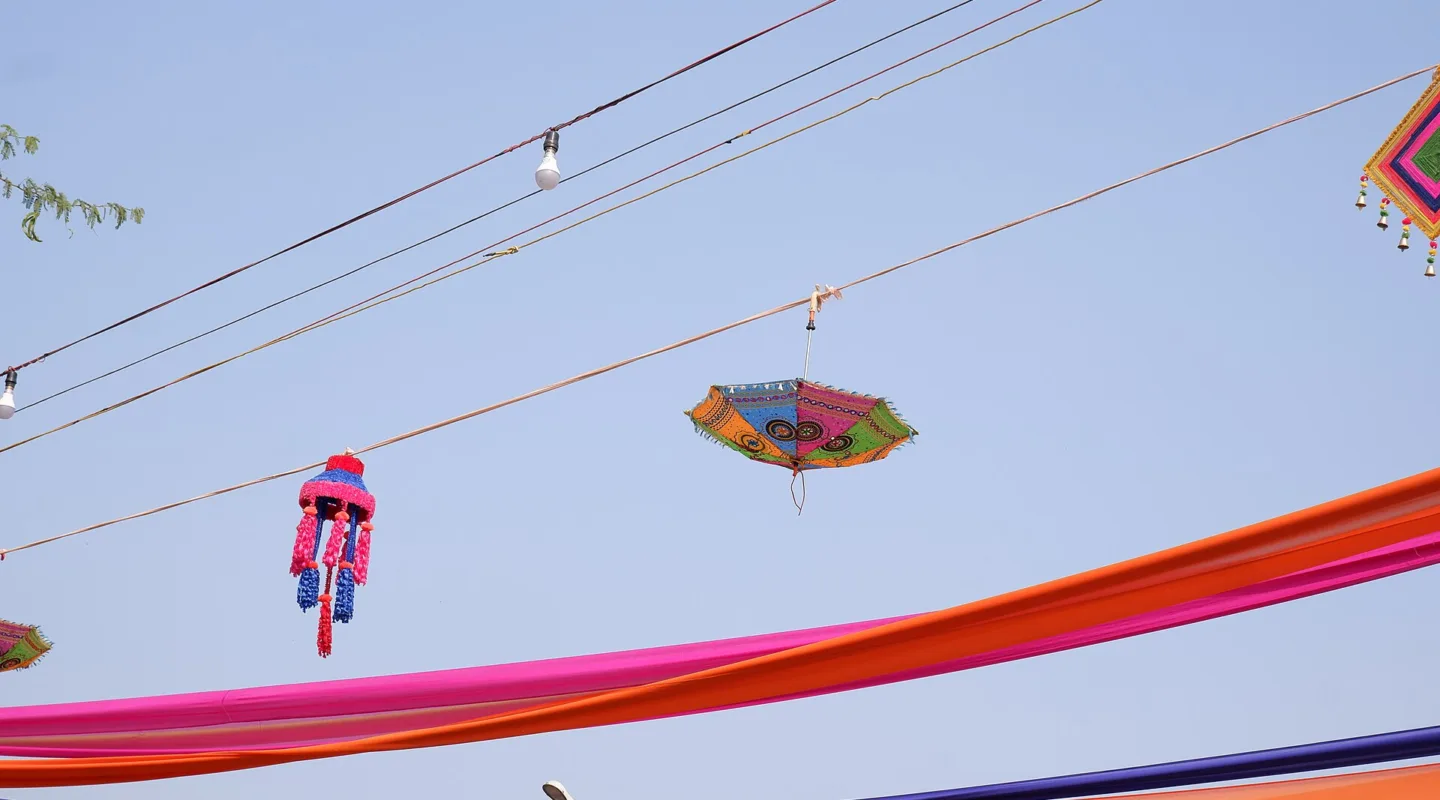
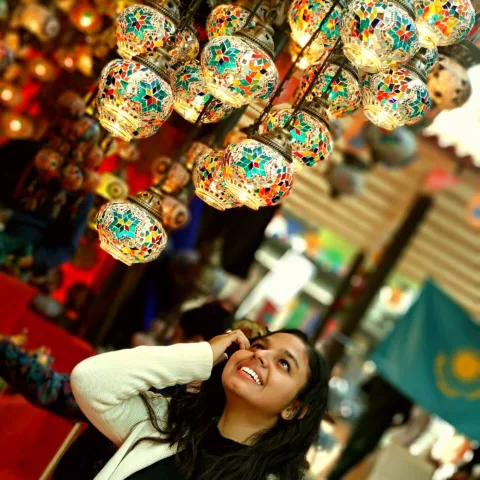
The fair was started in 1987 by the Haryana government to give craftspeople a direct market, and it has kept that purpose. What you buy at Surajkund is bought from the person who made it, in most cases, and the range runs from handloom and metalwork to pottery, woodcraft, traditional painting and regional food. There are also daily folk performances on several stages.
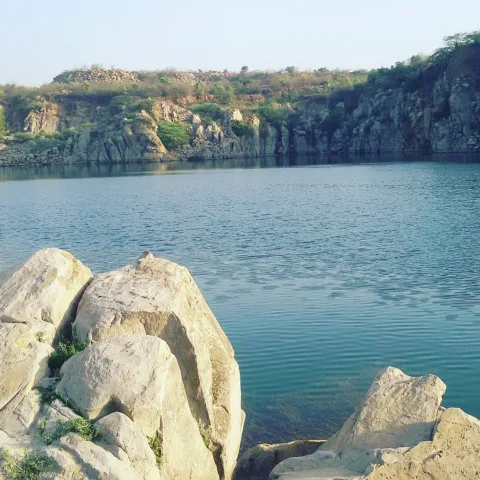
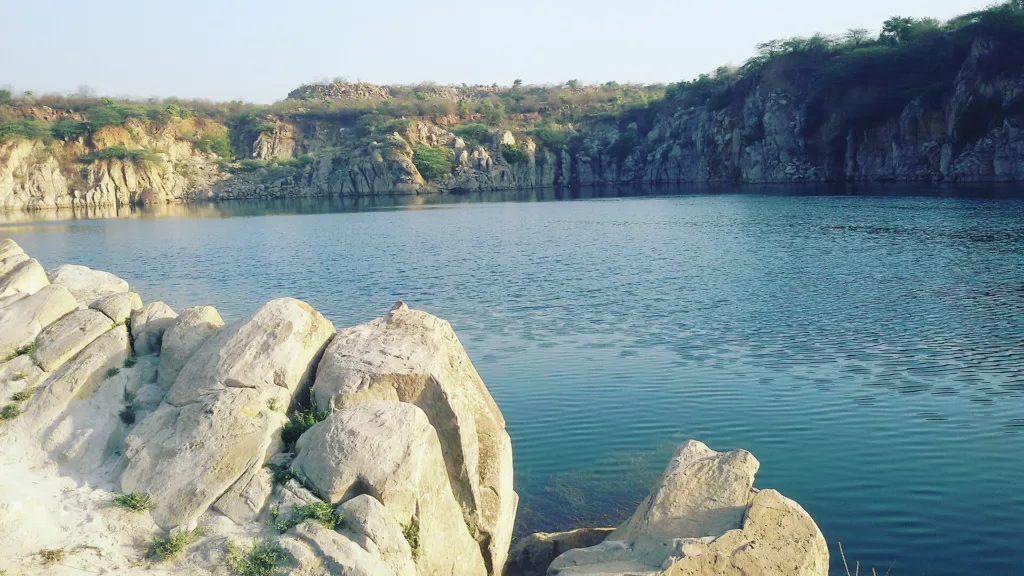
The site itself is worth the trip. Surajkund means Lake of the Sun, and the reservoir was built in the tenth century by the Tomar Rajput ruler Surajpal, who was a sun worshipper and put a sun temple on its western bank. The fair is laid out in the bowl around the water, with the Aravalli hills rising behind, and the whole thing is a short drive from south Delhi.
The mela is organised by state, and that is the best way to walk it. Each state has a cluster of stalls, and the crafts on show are the ones that state is actually known for: handloom from West Bengal and Varanasi, blue pottery from Jaipur, channapatna toys from Karnataka, dhokra metal casting from Chhattisgarh and Odisha, pashmina and kullu shawls from Himachal, and the painted scrolls of Bihar and Bengal. The theme states for 2026 were Uttar Pradesh and Meghalaya.
Beyond the stalls there is a full cultural programme. Folk troupes from the participating states and countries perform through the day on the chaupal stages, and the evening slots are the big ones. Food is a serious part of it: each state runs its own food court, so you can eat Bihari litti chokha, Tamil dosai and Punjabi chole in the same afternoon.
Haryana itself is the part most travellers skip, and this trip does not. The state is largely flat agricultural plain, but the southern edge around Faridabad and Gurugram is Aravalli country, rocky and scrub-covered, with the oldest fold mountains in India running south-west towards Rajasthan. The villages in the Damdama and Mangar belt keep the Haryanvi rural crafts and the chhaj, the woven grass roof, and the area has a long tradition of handloom weaving and pottery.
February is the right month for it. The north Indian winter is ending, days are mild and clear, and the mela is at its busiest. It is also the month of Basant Panchami, which the fair marks with its own programme.
The trip starts in Delhi, which is the nearest airport and railhead, and the first day is a short city day with the option of Old Delhi’s craft lanes at Chandni Chowk and Dariba Kalan.
On the second morning the group drives to Faridabad, about 30 km and an hour outside peak traffic, and spends the full day at the Surajkund mela. The base for two nights is a hotel in Faridabad, which keeps the drive to the fair short and lets the group go in early before the crowds build.
The third day is the Haryana village day: the Aravalli belt around Damdama and Mangar, a pottery and handloom workshop, and a Haryanvi village lunch. The group returns to the mela in the late afternoon for the evening performances and the food courts.
The fourth morning is free for last purchases at the fair or in Faridabad, and the drive back to Delhi is short enough to leave the afternoon free for a flight or train out the same evening.
This trip suits anyone who buys things and wants to know who made them, and it is unusually good for families, because the fair is flat, safe and endlessly distracting for children. Photographers do well here, and so do travellers who have already done the monuments and want the living-craft side of India.
It is not a trek and there is no walking of any consequence. The demands are several hours a day on your feet on flat ground, and the willingness to be in a large crowd. The fair draws over a million visitors across its run.
It is not a good fit for anyone who wants solitude or a quiet landscape. Surajkund in February is loud, crowded and commercial, and that is the point of it.
The price covers three nights of accommodation on twin sharing, breakfast and dinner on all days, all road transport from Delhi and back in an air-conditioned vehicle, and the mela entry tickets for the group. The full list is set out below.
It does not cover the journey to Delhi, lunch, or what you spend at the stalls. Budget separately for those, and for the food courts, which are excellent and not expensive.
The mela is held every year in February at Surajkund in Faridabad, Haryana, and runs for about two weeks. The 2026 edition, the 39th, ran from 31 January to 15 February. Because the dates are set by the Haryana government each year, we confirm the exact window before departure and schedule our trips inside it.
It is graded easy. Delhi sits at about 215 metres and Faridabad at about 200 metres, so there is no altitude to consider at all. The walking is on flat ground at the fair and in the villages, and the Aravalli belt is low, rocky country rather than a hill range.
A basic level. There is no trekking. The demands are several hours a day on your feet at the mela, on flat but sometimes uneven ground, and standing in crowds. If you can manage a long day of walking and shopping, you are fit enough.
Yes, and it is an easy one to do alone. The fair is busy, well-lit and well-policed, the group format means you are never on your own, and the shopping and food courts are things people naturally do in company. Twin-sharing accommodation and shared meals make it easy to join in.
One night in a hotel in Delhi and two nights in a hotel in Faridabad, all on twin sharing. Rooms have attached bathrooms and hot water. Singles who want a room to themselves can pay a single supplement, subject to availability.
Indian citizens need no permit for Haryana or Delhi. Foreign nationals need a standard tourist visa, applied for before travel. Mobile coverage in Delhi and Faridabad is excellent for calls and data. The network gets congested inside the mela grounds on peak evenings, so payments and messages are easier to send from the hotel.
Start with the Haryana destination hub for the state’s other trips, then browse all destinations and all activities. The Delhi destination guide covers arrival, transfers and the city’s own sights, and cultural tours in India lists the rest of the craft and festival departures.
Photo credits. Photographs on this page are from Wikimedia Commons and are used under the licences listed below. Each image is credited to its photographer; the licence terms apply to reuse of the image.
Mcleodganj Triund Trek If you're seeking an enchanting trek in the heart of Himachal Pradesh, the McLeodganj Triund…
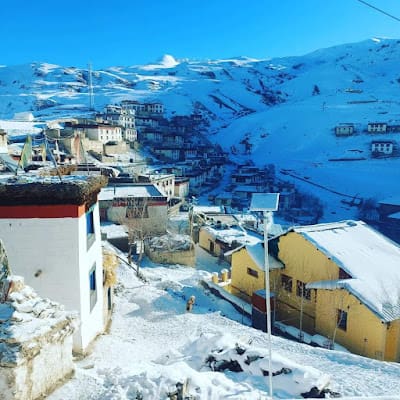
A 9-day winter road trip from Delhi through Chitkul, Tabo, Kaza and Kalpa, with frozen rivers, snow-covered villages…
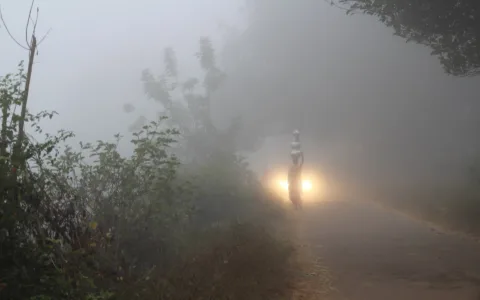
Lambasingi and Araku Valley trek from Visakhapatnam, 3D/2N. Misty hill trails, coffee plantations, Galikonda viewpoint and Borra Caves.…