
Easy
Guru Shikhar Trek
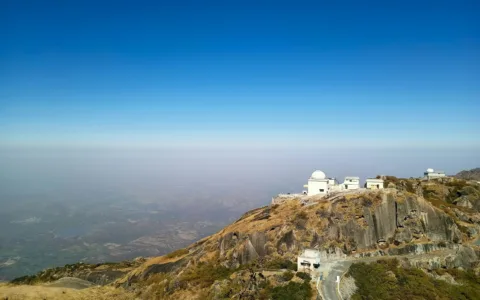
A short climb to the highest point of the Aravalli range, India's oldest mountains, topped by a small…
Next Departure
30/11/2026
25 seats left
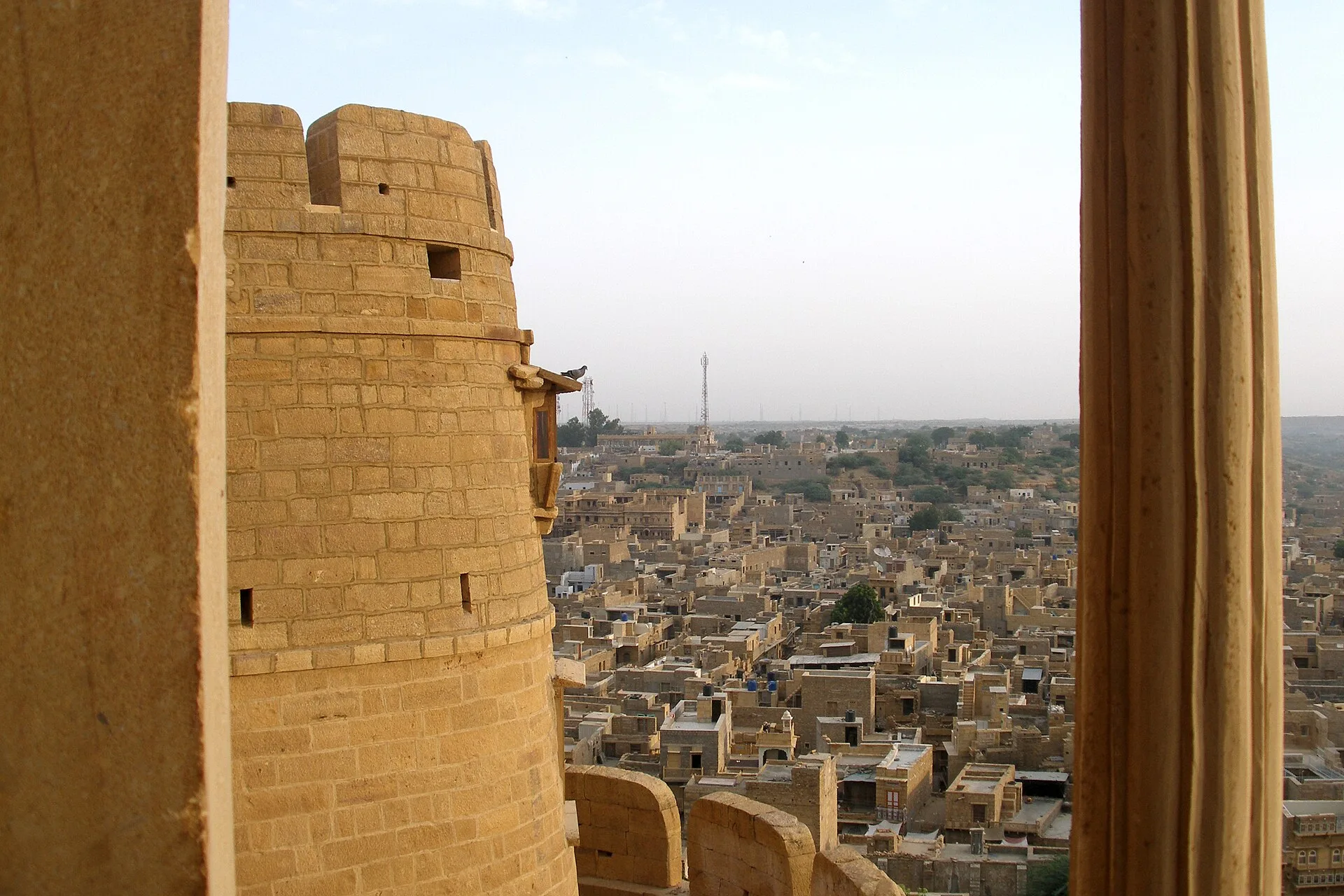
The Rajasthan Desert Road Trip runs 7 days and 6 nights from Jaipur, graded Easy, from Rs 19,500 per person, following the route Jaipur – Jodhpur – Jaisalmer – Sam Sand Dunes – Bikaner – Jaipur across the Thar.
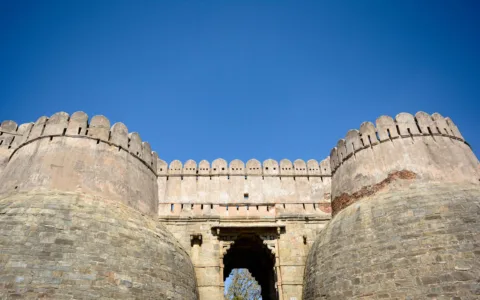
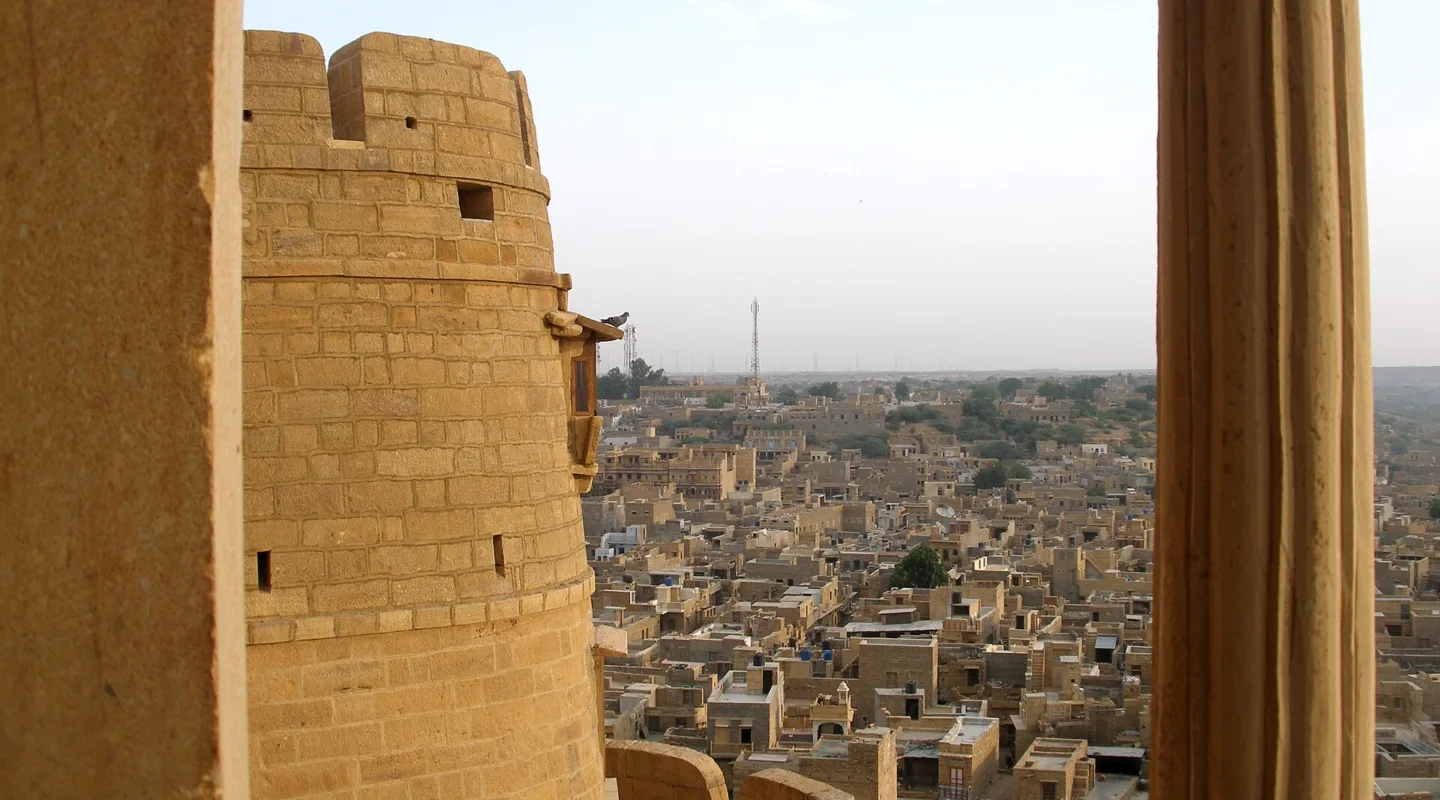
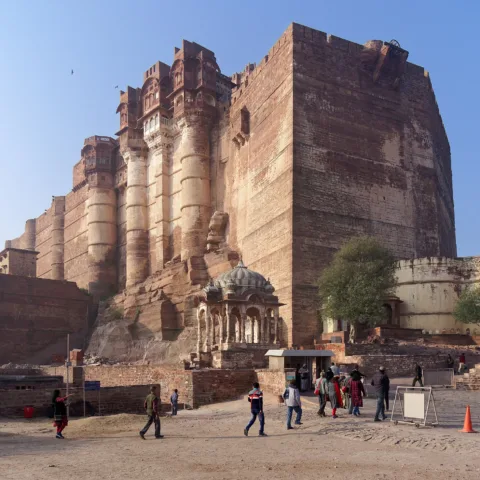
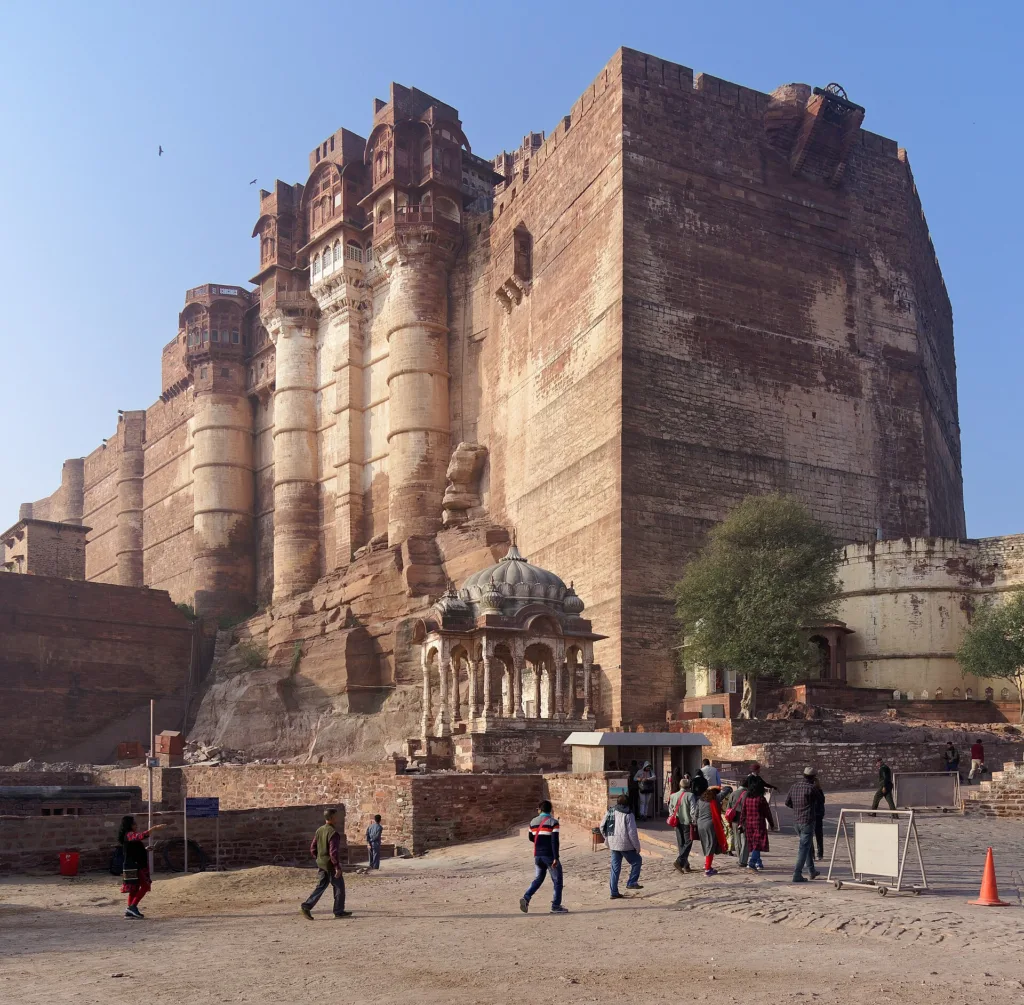
The Thar is not the empty sand sea of the imagination. It is a settled desert of scrub, millet fields, wells and fortified towns, and the road trip that crosses it passes through three of Rajasthan‘s most distinctive cities. Jodhpur is dominated by Mehrangarh, begun by Rao Jodha in 1459 and standing about 120 metres above the blue-washed houses below. Jaisalmer is further west, closer to the Pakistan border, and its fort, raised by Rawal Jaisal in 1156, is one of the very few in India that is still lived in.
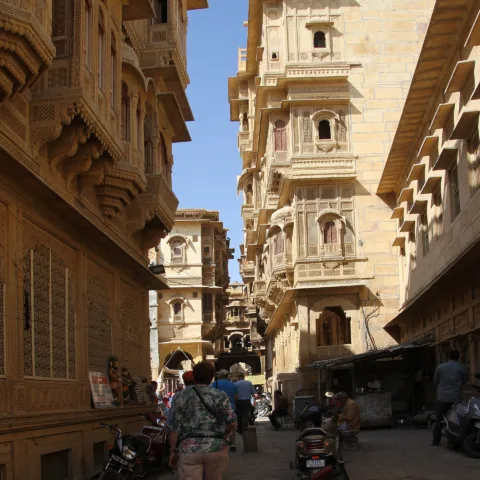
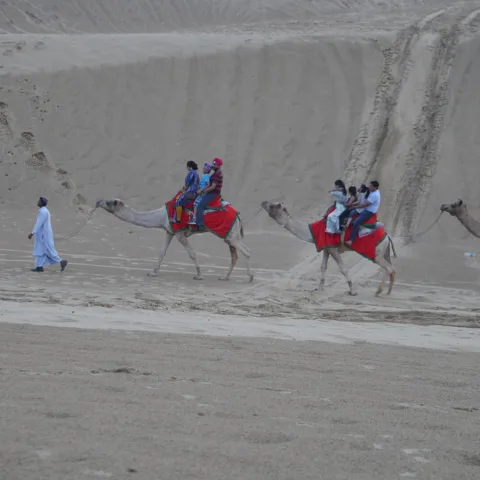
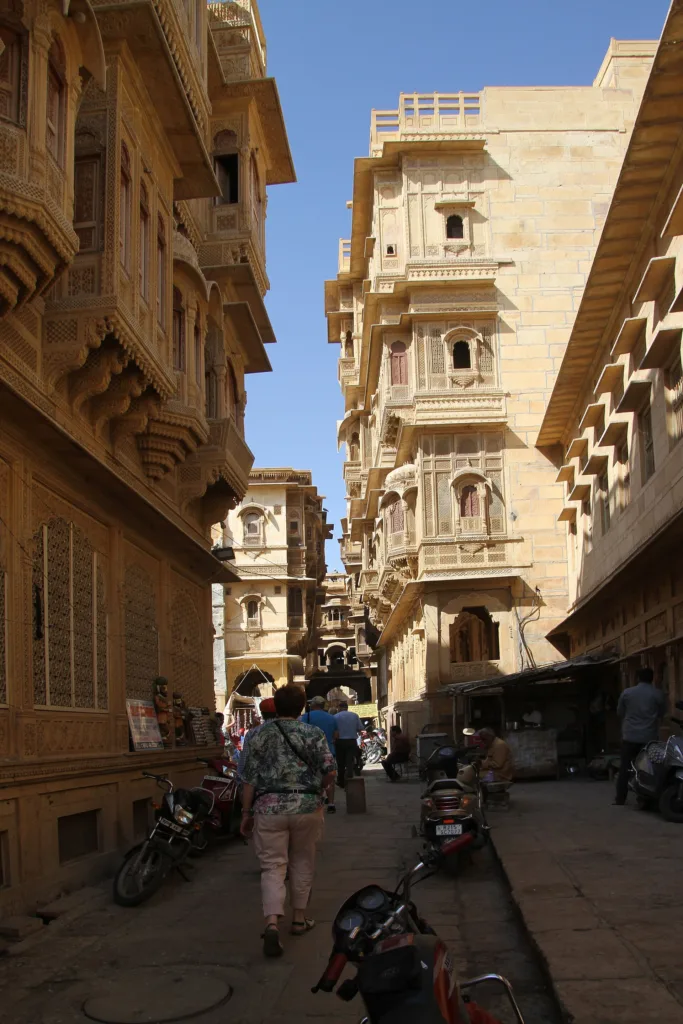
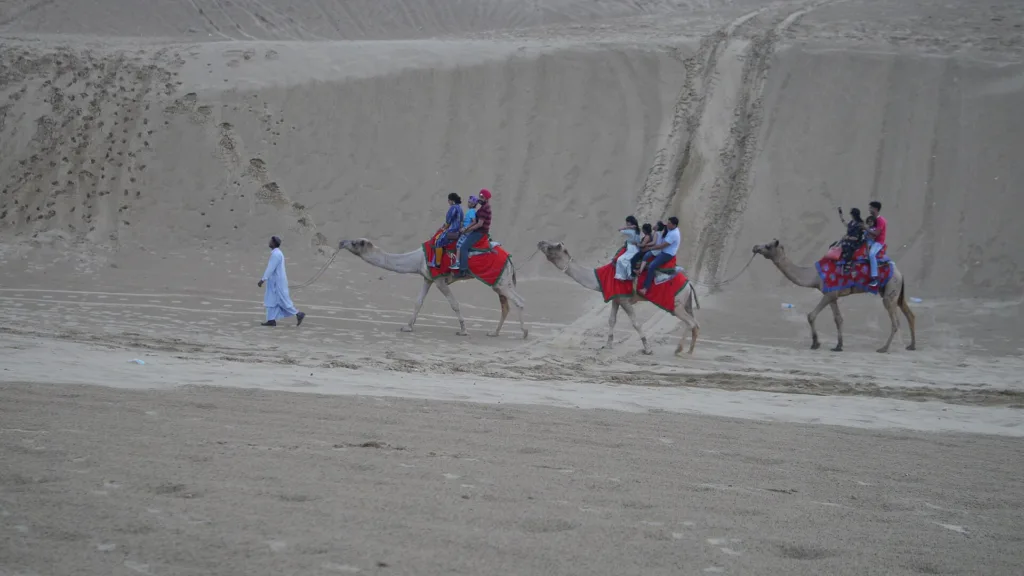
Jaisalmer’s old city is built of the same golden sandstone as the fort, which is why it turns amber at sunset, and the merchant houses known as havelis carry facades carved so finely that the stone looks like lace. Patwon Ki Haveli, begun around 1805 for a family of brokers, is the largest of them. The desert proper begins about 42 kilometres out at the Sam Sand Dunes, where the sand is deep enough to walk and the sunset is the reason people go.
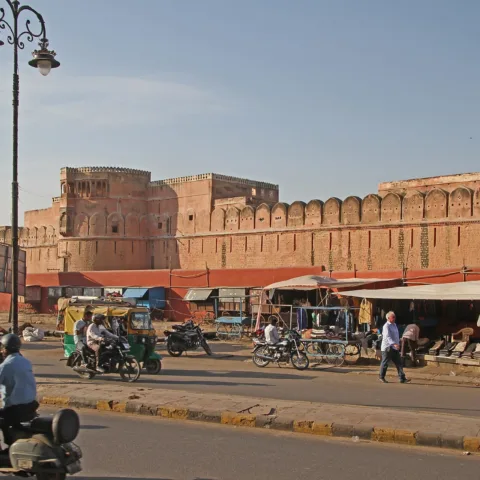
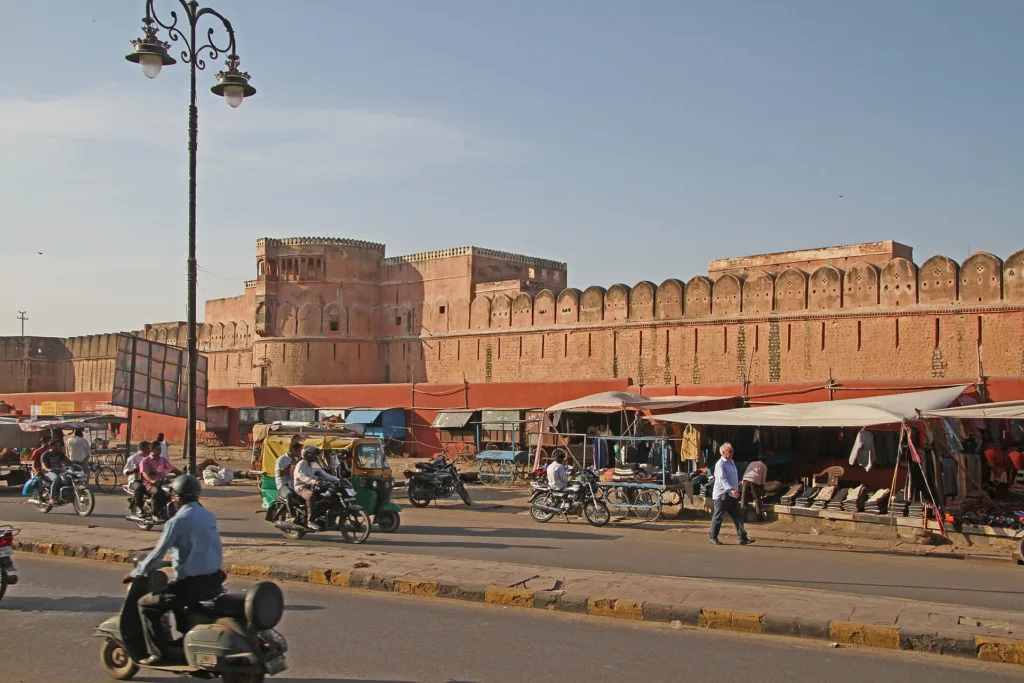
Bikaner, on the northern arc back towards Jaipur, is a different city again, drier and less visited, with the Junagarh Fort begun in 1589 under Rai Singh. The distances between these towns are long, 285 kilometres from Jodhpur to Jaisalmer and around 330 from Bikaner back to Jaipur, but the roads are good and the driving is the easy part of this trip.
The first day is arrival in Jaipur and a gentle start, with the old city and the bazaars rather than a full sightseeing programme. The second day is the long drive west to Jodhpur, arriving in time for the fort at the best light, with the blue city spread out below the ramparts.
The third day continues to Jaisalmer, another long drive across increasingly dry country, with the afternoon free in the old city and the havelis. The fourth day is the fort in the morning and the Sam Sand Dunes in the afternoon, with a night at a desert camp rather than a city hotel.
The fifth day turns north to Bikaner, a drive of around 250 kilometres, with the Junagarh Fort the following morning. The sixth day is the long run back to Jaipur, and the seventh is departure. Two of the seven days are largely transfer days, which is the honest cost of covering this much ground.
This trip suits travellers who want the desert cities in one continuous journey rather than as separate flights, and who are comfortable with long driving days on good roads. The walking is easy, the terrain is flat, and the sightseeing is concentrated in forts and old cities, so it works for first-time visitors to Rajasthan, for families with older children, and for photographers chasing the sandstone light.
It is graded Easy because there is no trekking and no altitude, but the distances are real. If you dislike sitting in a car for five or six hours, the shorter Rajasthan itineraries in the catalogue will suit you better.
The price covers six nights of accommodation on twin sharing across Jaipur, Jodhpur, Jaisalmer, a desert camp at Sam and Bikaner, daily breakfast and dinner, all road transfers from Jaipur in an air-conditioned vehicle, the services of a trip captain, and the camel ride at the dunes. Fort entry tickets, lunches and personal expenses are not included.
October to March is the comfortable window, with cool days and cold desert nights. November to February is the best of it. April to June is extremely hot, with daytime temperatures in the desert well above 40 degrees, and the monsoon months bring humidity without much rain in this part of the state.
It is graded Easy. There is no trekking and no altitude. The demands are long driving days, five to six hours on the road on the transfer days, and walking through forts and old city lanes on the sightseeing days. The camel ride at the dunes is optional.
Only basic fitness. You should be able to walk for two or three hours at a time over uneven stone surfaces inside the forts, and to climb ramps and stairways at Mehrangarh and Junagarh. Everything else is done from the vehicle.
Yes. The group format and a trip captain throughout make it straightforward, and the long driving days are far more sociable in company. Solo travellers share twin rooms unless a single supplement is requested. Couples and families travel on the same departures.
Six nights on twin sharing: mid-range hotels in Jaipur, Jodhpur, Jaisalmer and Bikaner, and one night at a desert camp near the Sam Sand Dunes with attached bathrooms. The camp is comfortable rather than luxurious, and the desert nights are cold in winter.
Coverage is good in all four cities on major networks. It weakens on the highway stretches between them and at the Sam Sand Dunes, where signal is patchy. No permits are needed for this route. Download maps and anything else you need before the driving days.
The distances are the first thing to plan around. Jaipur to Jodhpur is around 330 kilometres, Jodhpur to Jaisalmer around 285, Jaisalmer to Bikaner around 250, and Bikaner back to Jaipur around 330. On good highway that is five to six hours of driving on each transfer day, and the itinerary is built with that in mind: sightseeing is concentrated in the mornings and late afternoons, and the middle of each day is spent on the road rather than pretending otherwise.
The three cities are genuinely different and worth understanding separately. Jodhpur is a trading town that grew under the Rathores, dominated by Mehrangarh, begun by Rao Jodha in 1459 and standing about 120 metres above the blue-washed houses of the old city. The blue is not decorative: it is traditionally associated with the Brahmin houses, though the practice spread, and the effect from the fort ramparts is the reason the city has the name it does.
Jaisalmer is further west and closer to the border, and its economy was built on the caravan trade before the sea routes took it away. The fort, raised by Rawal Jaisal in 1156, is one of the very few in India still lived in, with families, temples and shops inside the walls. The merchant havelis outside it were built by brokers who grew rich in the nineteenth century, and Patwon Ki Haveli, begun around 1805, is the largest, with five storeys of carved sandstone facade.
Bikaner is the least visited of the three and the most rewarding for that. The Junagarh Fort was begun in 1589 under Rai Singh and was never taken, and the old city around it has a haveli quarter with some of the finest carving in the state. The camel breeding farm outside town is a working institution rather than an attraction. Because fewer tours stop here, the fort is quiet in a way Mehrangarh never is.
On season, October to March is the comfortable window, with cool days and genuinely cold desert nights in December and January. April to June is punishing, with daytime temperatures in the desert well above 40 degrees. On cost, Rs 19,500 for seven days covers six nights including the desert camp, the vehicle and the long transfers; fort entry tickets are excluded because the fees vary by monument and by nationality, and bundling them would mean overcharging some travellers.
Explore related pages: All trips in Rajasthan · Browse all destinations · All activities · Rajasthan destination guide · Trekking in India.
Photo credits. Photographs on this page are from Wikimedia Commons and are used under the licences listed below. Each image is credited to its photographer; the licence terms apply to reuse of the image.
A short climb to the highest point of the Aravalli range, India's oldest mountains, topped by a small…
Kumbhalgarh Fort Trek, 2D/1N from Udaipur. Walk the 36 km Aravalli ramparts to Badal Mahal, plus a Kumbhalgarh…
Pushkar Camel Fair tour, 3N/4D from Jaipur, graded Easy, from Rs 7,200. Camel trading, Kartik Purnima at Pushkar…