

Moderate
Har Ki Dun Valley Trek
A gentle cradle-shaped valley steeped in Mahabharata legend, ringed by the Swargarohini peaks and home to some of…
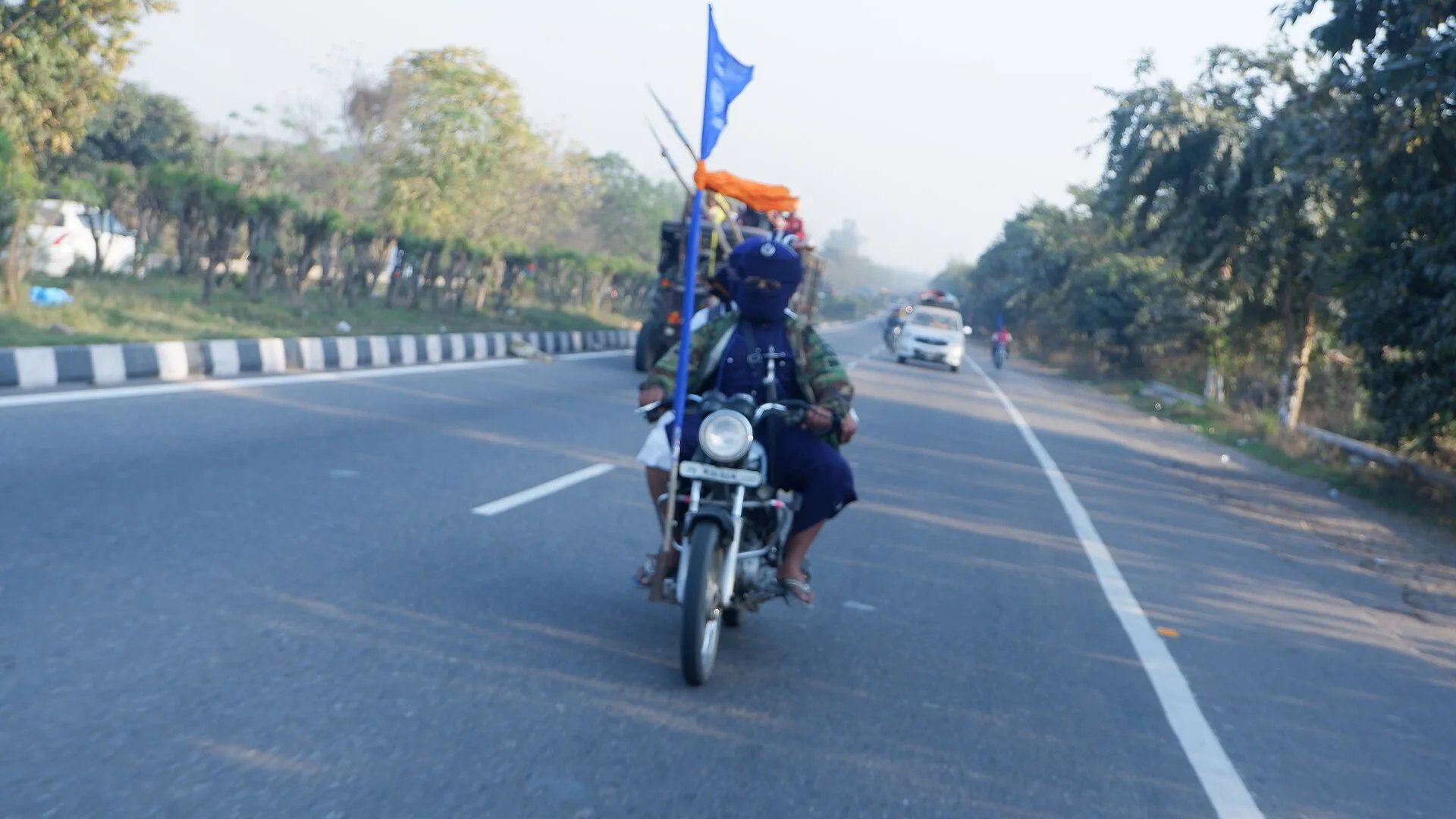
Hola Mohalla Anandpur Sahib runs 4D/3N from Chandigarh, graded Easy, from Rs 7,200 per person. Route: Chandigarh – Ropar – Anandpur Sahib – Kiratpur Sahib – Nangal – Chandigarh.
Anandpur Sahib sits in the Shiwalik foothills of Rupnagar district, on the left bank of the Sutlej where the river leaves the mountains and turns into the plains. The town exists because of one event: in 1699 Guru Gobind Singh founded the Khalsa here, and Takht Sri Keshgarh Sahib, one of the five temporal seats of Sikh authority, stands on the spot. The fort-like gurdwara complex above the town, the older Anandgarh and Lohgarh forts on the ridges around it, and the blue-green water of the Sutlej below give the place a geography that is half pilgrimage and half hill station.
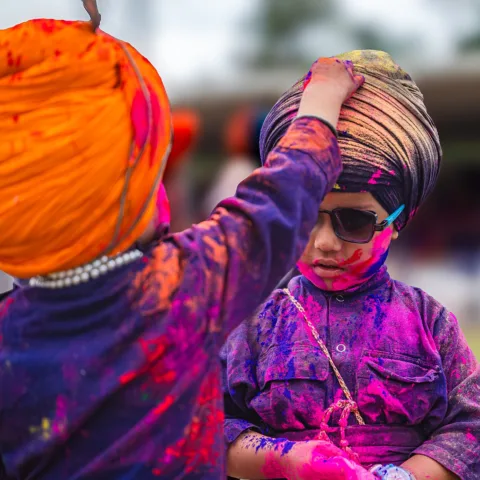
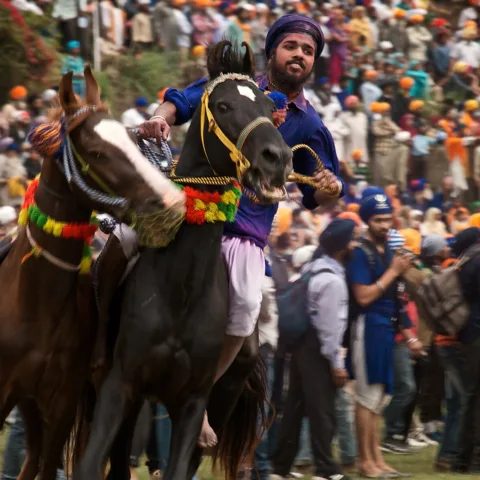
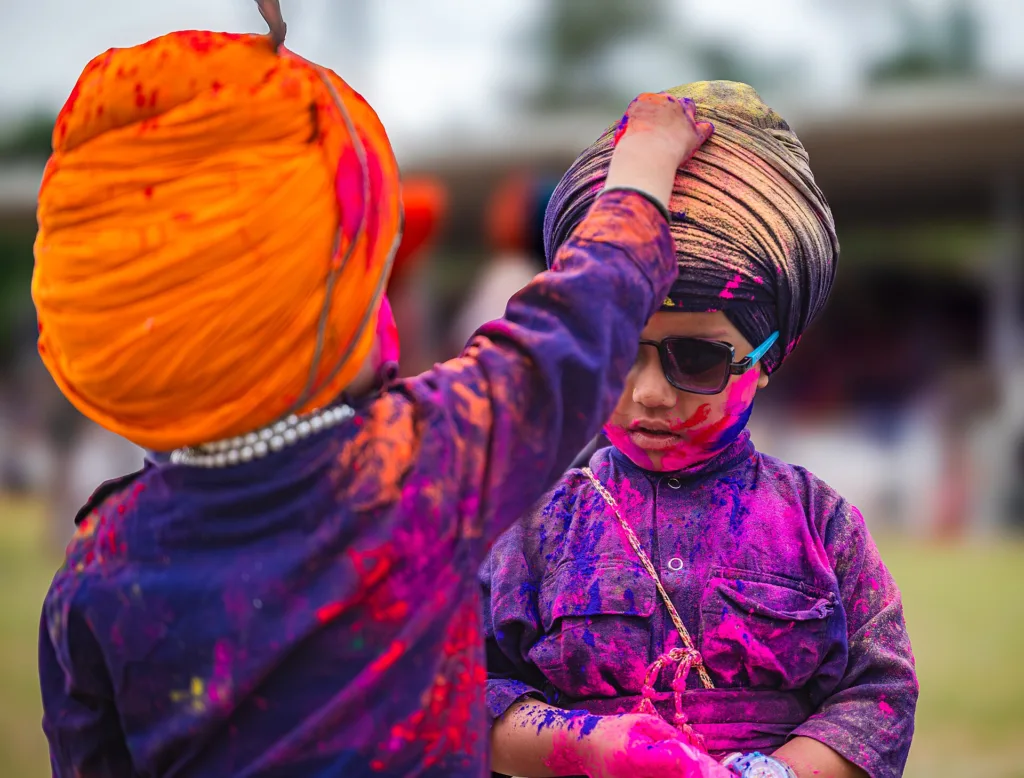
Hola Mohalla was created two years later, in 1701, when the Guru held the first procession at Anandpur on 22 February. The idea was deliberate: Holi, played with colour, was given a martial twin the day after. Instead of only throwing powder, his followers drilled. Mock battles were staged, swordsmanship and horsemanship were judged, and poetry was recited at Lohgarh. The name is a play on halla, an attack, and mohalla, a procession or camp. What began as military training in front of a besieged community became, over three centuries, the largest annual gathering of the Nihang order.
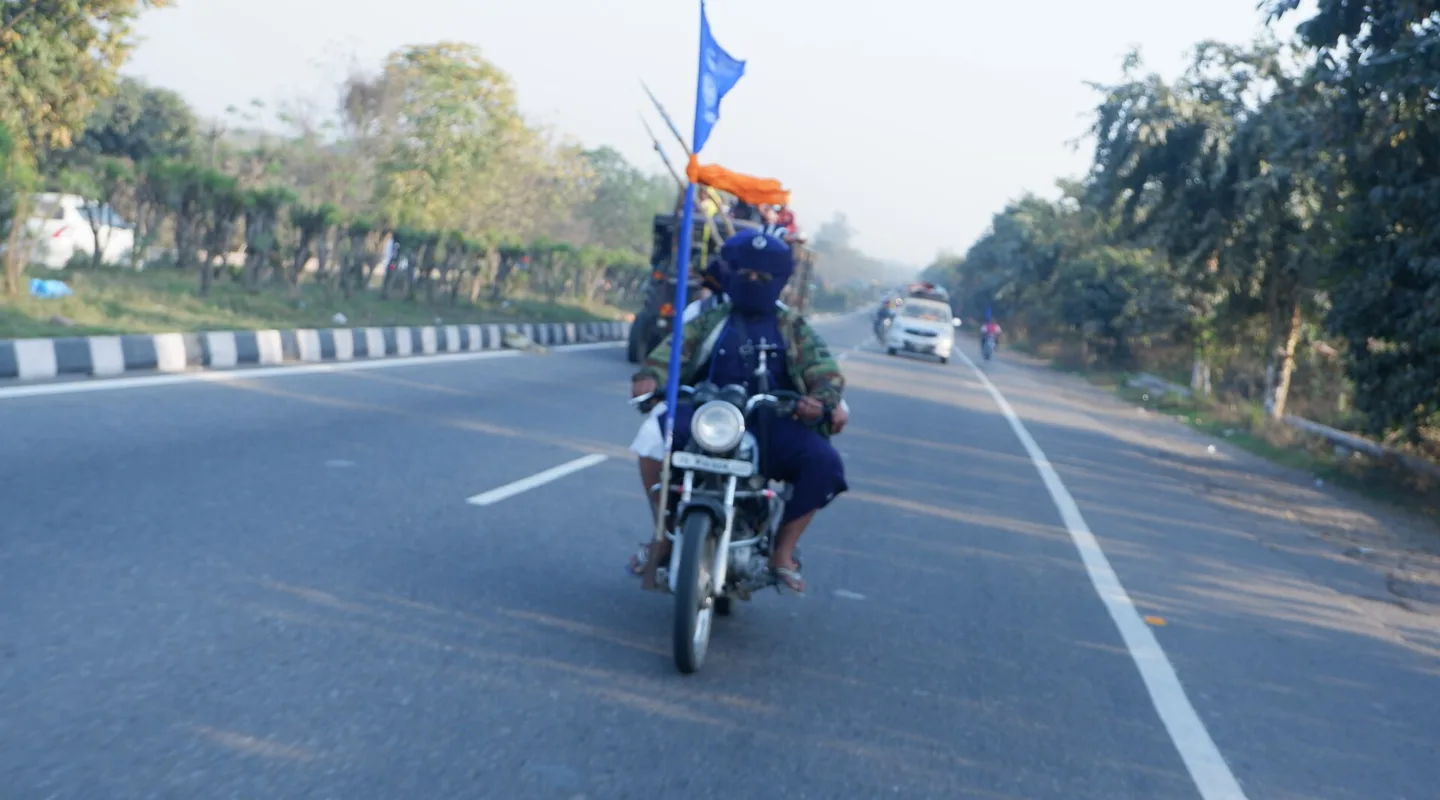
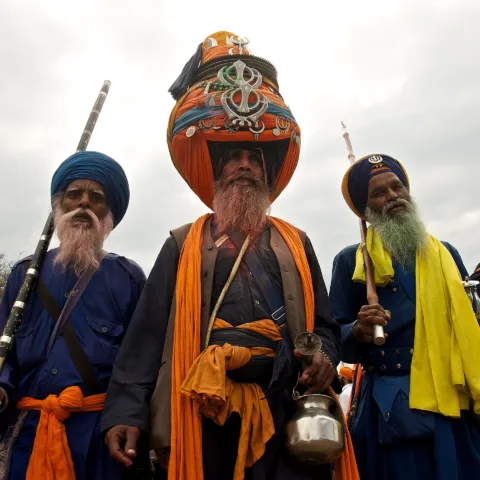
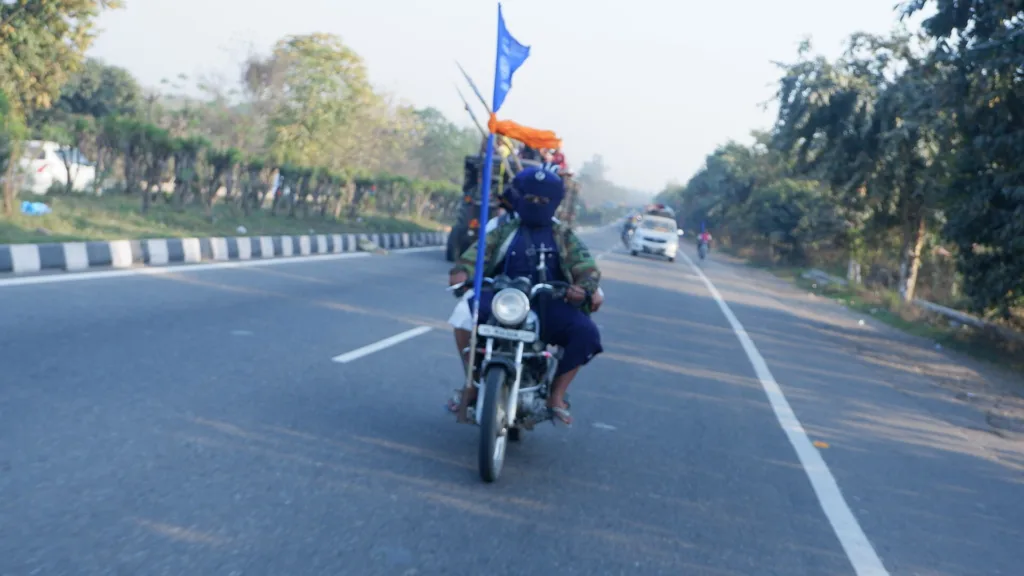
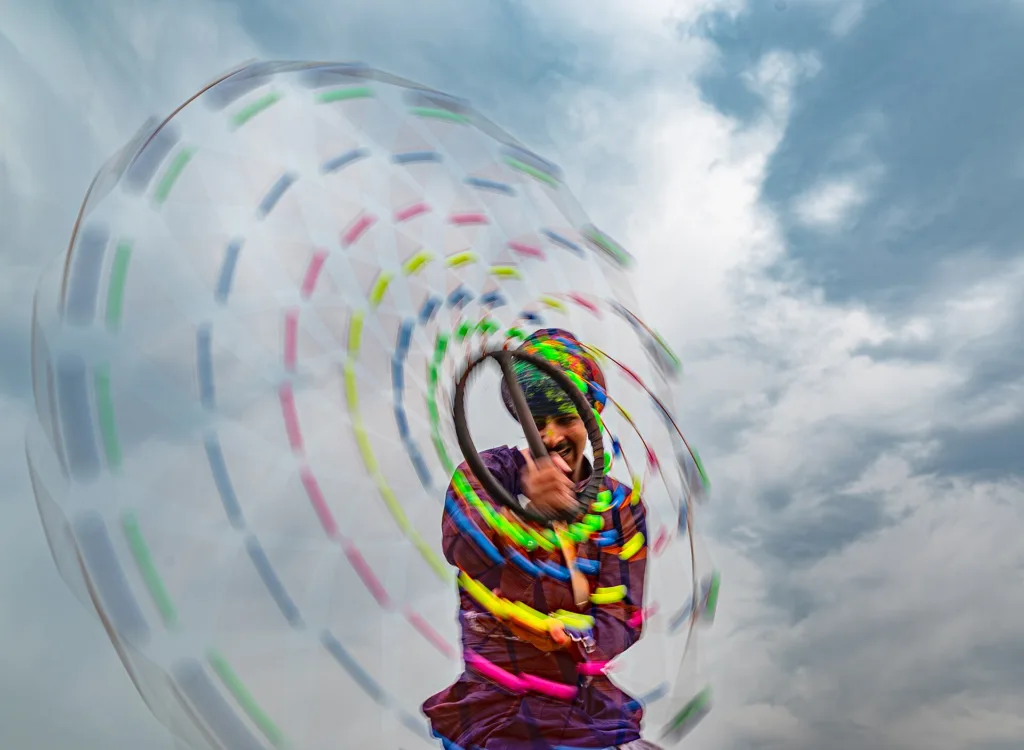
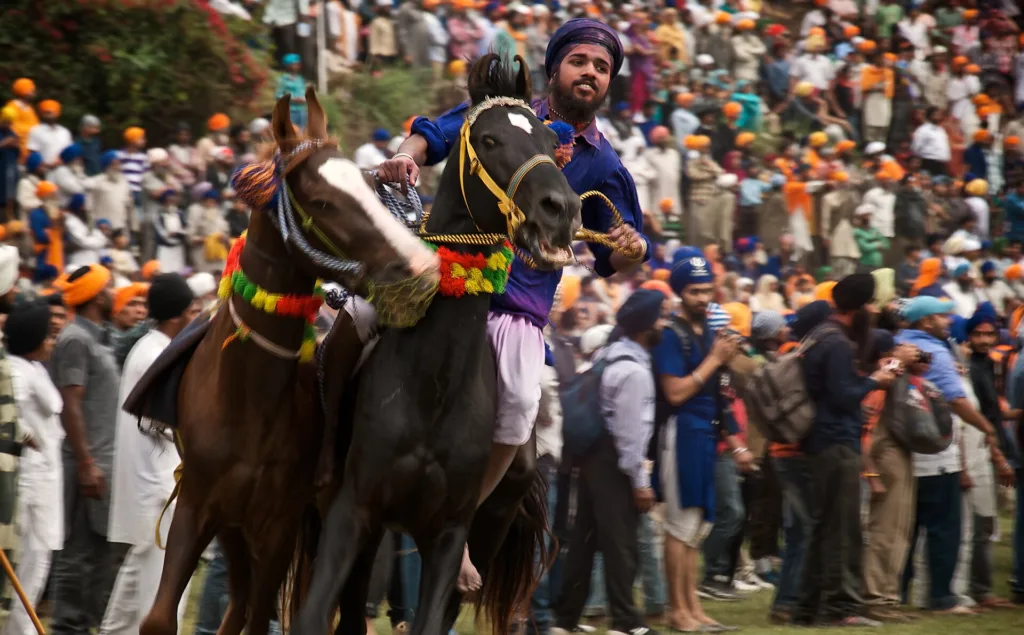
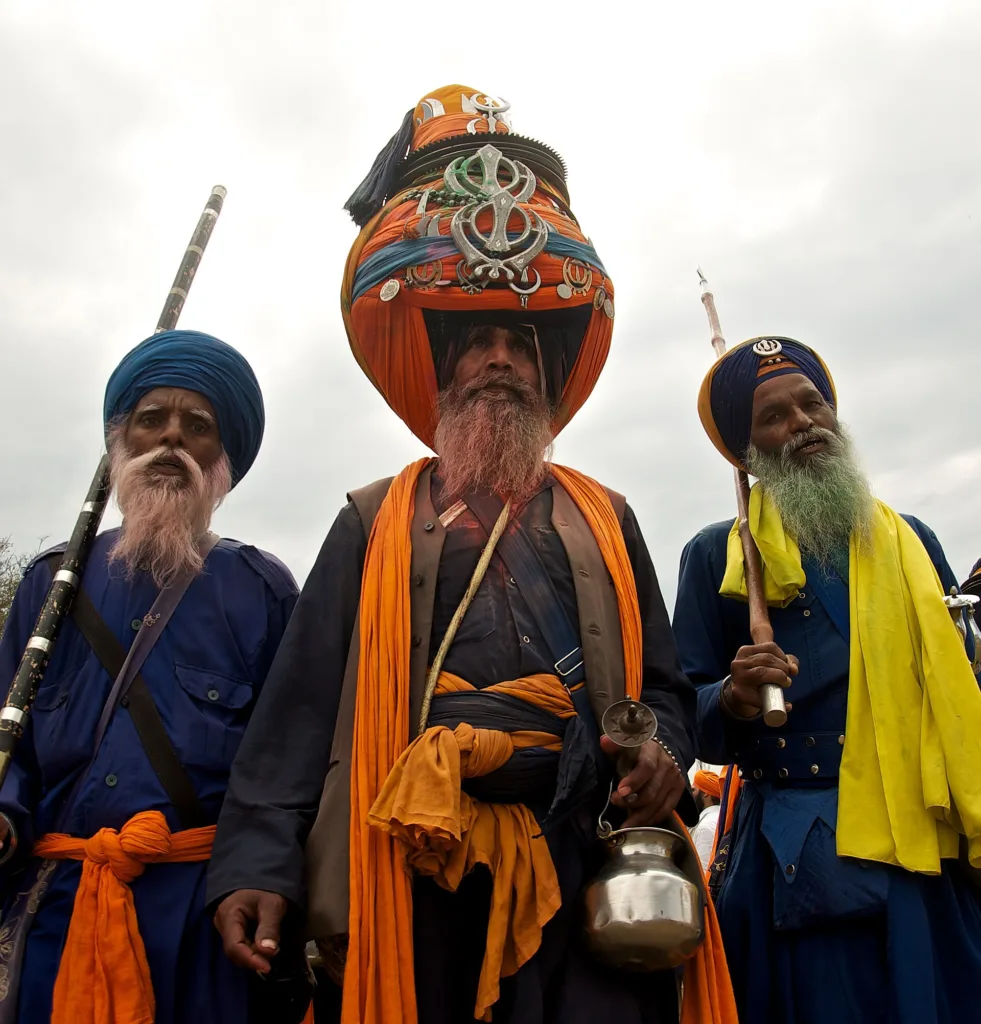
The Nihangs are the part of the Sikh tradition that kept the martial discipline intact. They arrive in the tens of thousands, in deep blue robes and tall turbans wound with steel quoits, carrying spears and swords that are ceremonial but not decorative. For three days the fields beside the Sutlej become a tournament ground: Gatka bouts with sticks and shields, tent-pegging at a gallop, bareback riding standing upright, and long processions of horsemen moving between the gurdwaras. Langar runs continuously and is open to anyone, which is the part visitors most often remember.
The drive from Chandigarh is about 85 to 90 km and takes roughly two hours. You leave the city on the Ropar road, cross the Ghaggar plain, and pick up the Sutlej at Ropar, where the river is held back by the headworks of the Sirhind canal. From Ropar the road turns north-east and begins to climb gently into the Shiwaliks. The last twenty kilometres are the good ones: the hills close in on both sides, the Sutlej runs below the road on the right, and the gurdwara domes appear on the ridge before the town does.
We base in Anandpur Sahib for two nights so that the festival days are not spent in a car. The first evening is for Keshgarh Sahib and the old town, which is compact enough to walk. The full festival day is spent at the Hola ground beside the river, where the displays run from mid-morning into the afternoon. On the third day we drive the short loop to Kiratpur Sahib, the town founded by the sixth Guru, and on to Nangal, where the Sutlej is dammed and the Bhakra canal system begins. The reservoir at Nangal and the hill road above it are the quietest part of the trip.
The return leg runs back down the same valley to Ropar and out onto the plain. If the festival calendar leaves a spare morning, the Virasat-e-Khalsa museum on the edge of Anandpur Sahib is worth the time: it is a large, deliberately built interpretation centre for five hundred years of Sikh history, and it explains the 1699 and 1701 events better than any plaque in town.
This trip suits travellers who want to see a living religious festival rather than a staged one, and who are comfortable in crowds. The walking is easy and mostly on flat ground, but the festival ground is dusty, loud and packed, and the days are long. It works well for photographers, for people interested in military and religious history, and for anyone who has seen Punjab only from a highway. It is not a quiet trip, and it is not suitable for anyone who needs a guaranteed seat and a fixed schedule through the day.
The price covers three nights of hotel accommodation in Anandpur Sahib and Chandigarh on twin sharing, all road transport from Chandigarh in a private vehicle, breakfast and dinner daily, a local guide for the festival days, and the permits and parking needed at the Hola ground. Langar at the gurdwaras is free and open to all, so it is not costed in.
Hola Mohalla falls in February or March, on the day after Holi, and runs for three days at Anandpur Sahib. The exact dates move with the lunar calendar each year, so confirm them before you book. Outside the festival the town is quiet and the gurdwaras are easy to visit, but the displays and the Nihang gathering only happen on those three days.
It is graded Easy. There is no trekking and no altitude. The walking is on flat ground around the town and the festival site, but you will be on your feet for six to eight hours on the main festival day, standing in crowds on uneven, dusty ground.
No. Ordinary fitness is enough. If you can walk a few kilometres and stand for long stretches, you will manage comfortably. Anyone with knee or back trouble should bring a folding stool, because seating at the ground is limited.
Yes. Solo travellers are welcome and are paired in twin sharing with another traveller of the same gender, or can pay a single supplement for a private room. The group stays together at the festival ground, which makes it easy to move around without feeling exposed in the crowd.
Three nights in mid-range hotels on twin sharing, two in Anandpur Sahib close to the gurdwara complex and one in Chandigarh. Rooms have attached bathrooms and hot water. Anandpur Sahib has limited hotel stock during the festival, so bookings are held well in advance.
Mobile coverage in Anandpur Sahib is good on all major networks, though data slows sharply when the festival crowds peak. No special permit is needed for Indian nationals. Foreign nationals should carry their passport and visa, since the town sees heavy security during the gathering.
Start with the Punjab destination hub for the rest of our trips in the state, or browse all destinations and all activities. If you are still deciding what kind of trip suits you, the trekking section explains how we grade difficulty, and the Anandpur Sahib guide covers the practical detail on getting there and when to go.
Photo credits. Photographs on this page are from Wikimedia Commons and are used under the licences listed below. Each image is credited to its photographer; the licence terms apply to reuse of the image.
A gentle cradle-shaped valley steeped in Mahabharata legend, ringed by the Swargarohini peaks and home to some of…
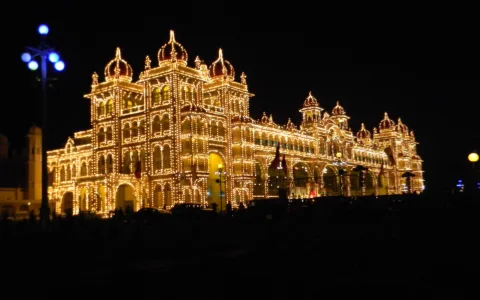
5D/4N Mysuru Dasara trip from Bengaluru, graded Easy, from Rs 11,500. Chamundi Hill, the illuminated palace and the…
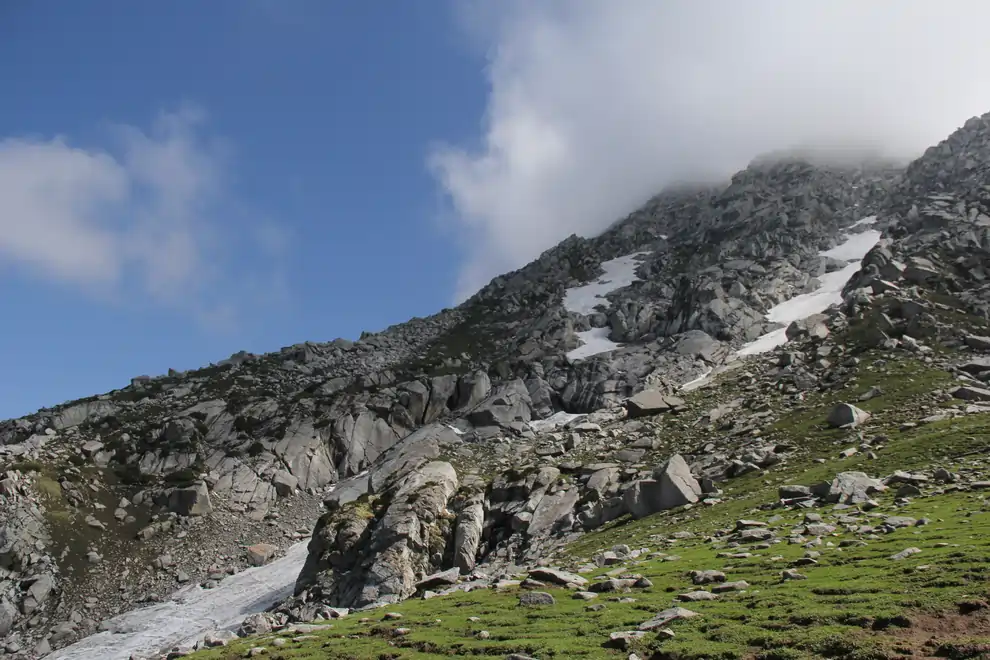
The Indrahar Pass grants you to unwind within the great thing about the mighty Dhauladhar range of Himalayas.…