
Easy
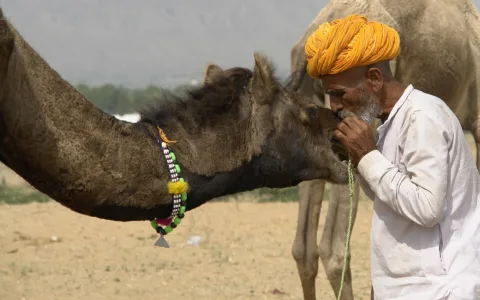
Pushkar Camel Fair
Pushkar Camel Fair tour, 3N/4D from Jaipur, graded Easy, from Rs 7,200. Camel trading, Kartik Purnima at Pushkar…
Next Departure
27/11/2026
16 seats left
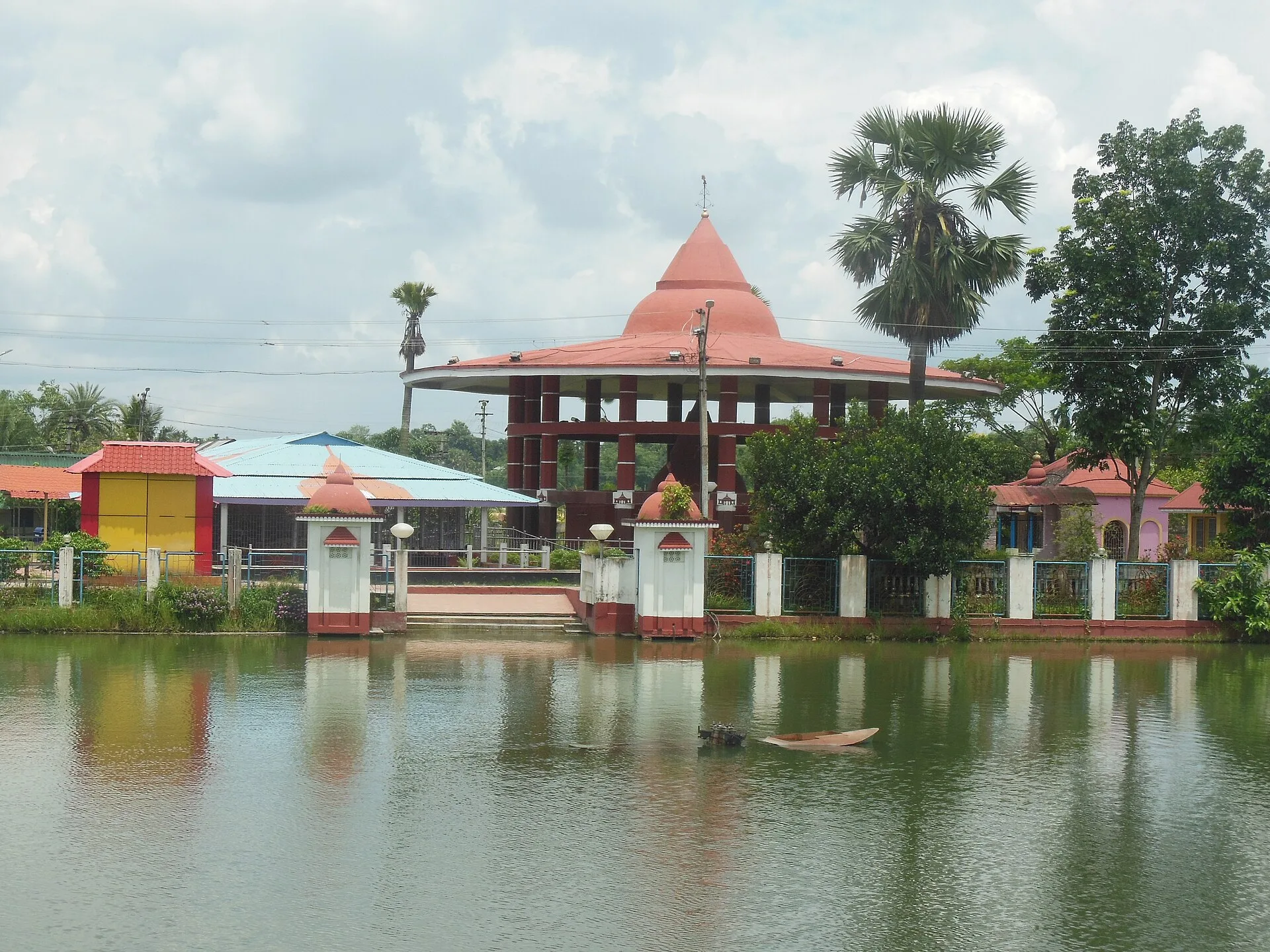
Kharchi Puja Tripura runs 4D/3N from Agartala, graded Easy, from Rs 7,200 per person. Route: Agartala – Old Agartala – Udaipur – Neermahal – Agartala.
Tripura is the small, hilly state wedged between Bangladesh on three sides and Assam and Mizoram on the fourth. Agartala, its capital, sits on the plain close to the Bangladesh border, and the land rises away from it into low, green, densely forested ridges. The state is Bengali-speaking in the plains and home to nineteen recognised indigenous communities in the hills, and that split is visible in its festivals: Durga Puja is enormous in the city, while the hill communities keep their own calendars.
Kharchi Puja belongs to the older, royal layer. It is the annual worship of the Chaturdasha Devata, the fourteen deities who were the dynasty deities of the Tripuri kings, and it is held at the Temple of the Fourteen Gods at Old Agartala, about eight kilometres from the capital. The festival runs for seven days in July or August, in the Bengali month of Ashadha, and it is essentially a cleansing: the idols are ritually bathed in the Howrah river, carried back to the temple, and worshipped for a week for the welfare of the state and its people.
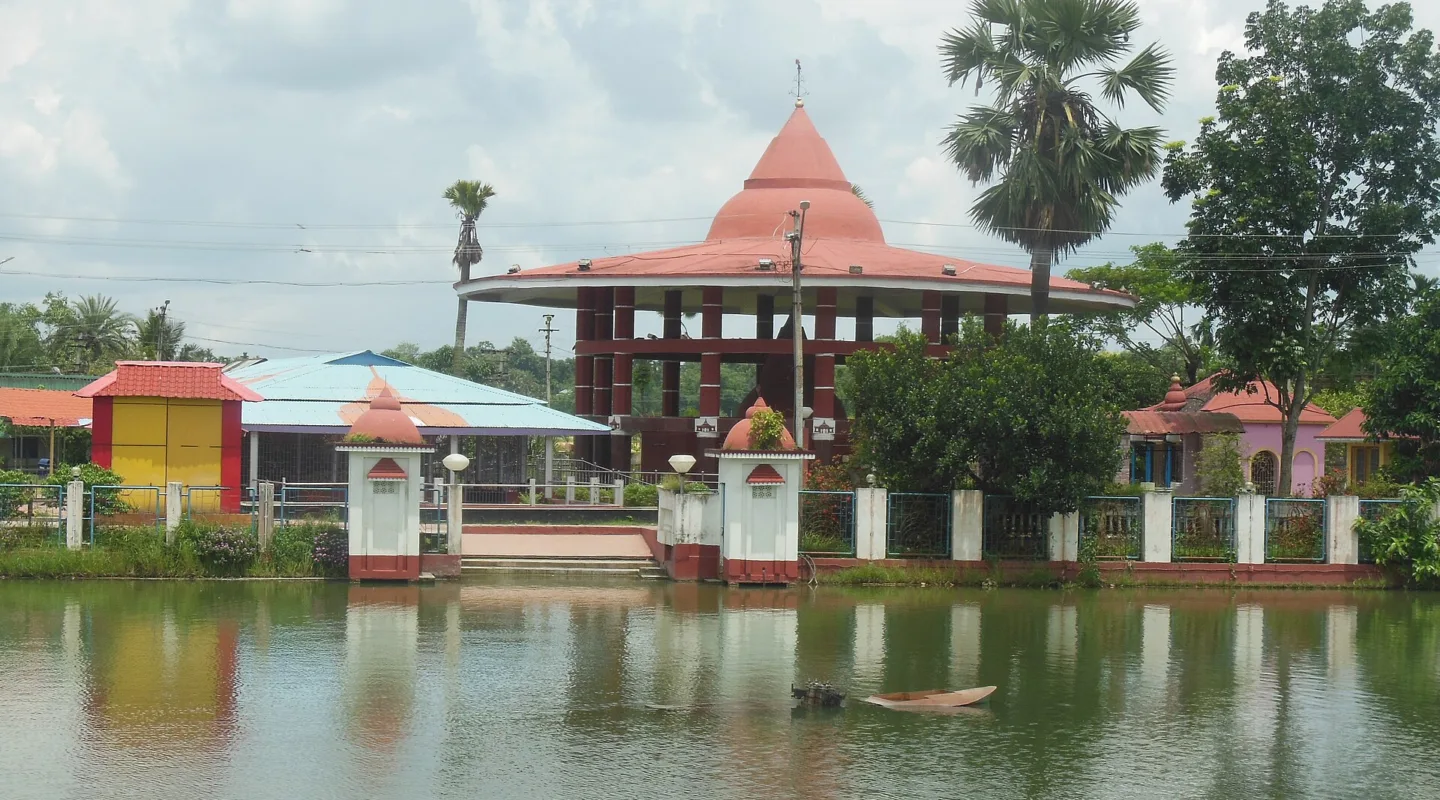
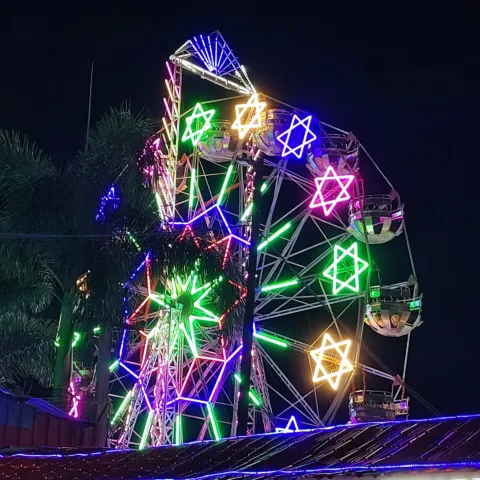
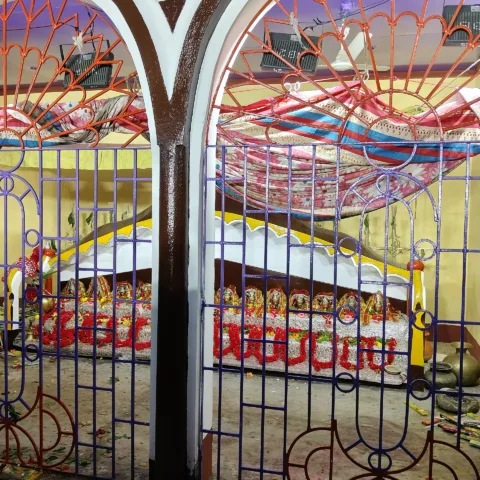
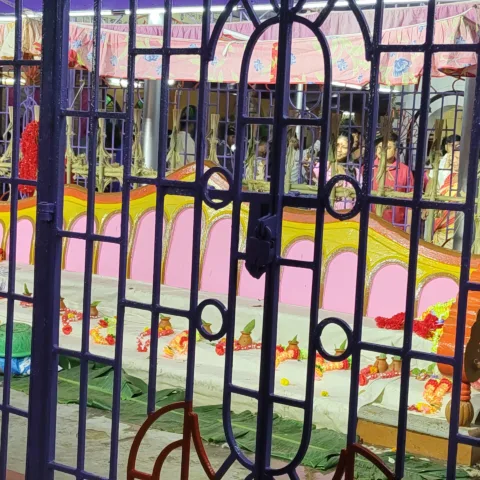
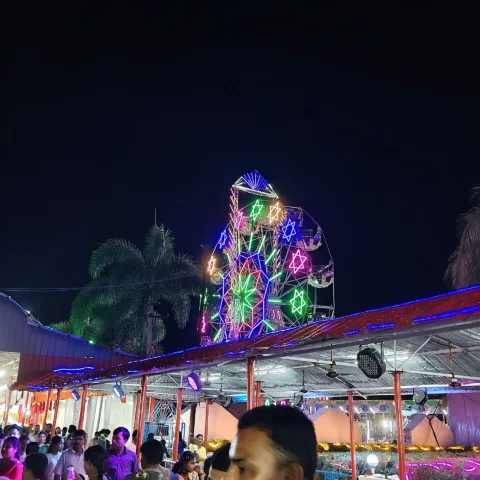
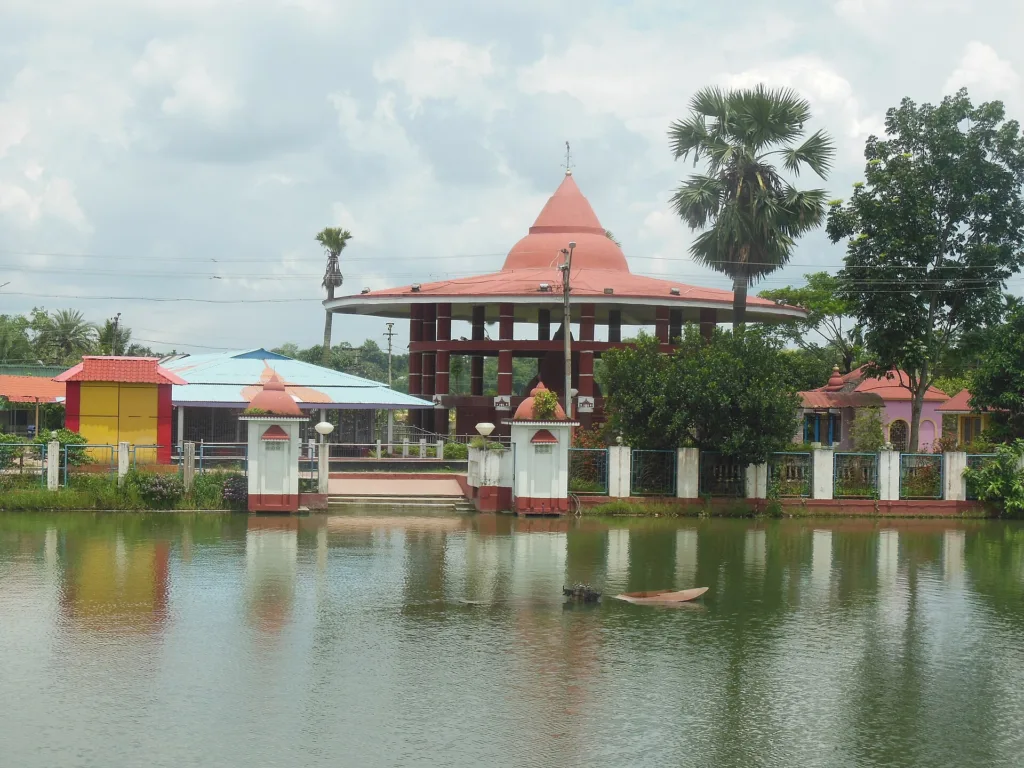
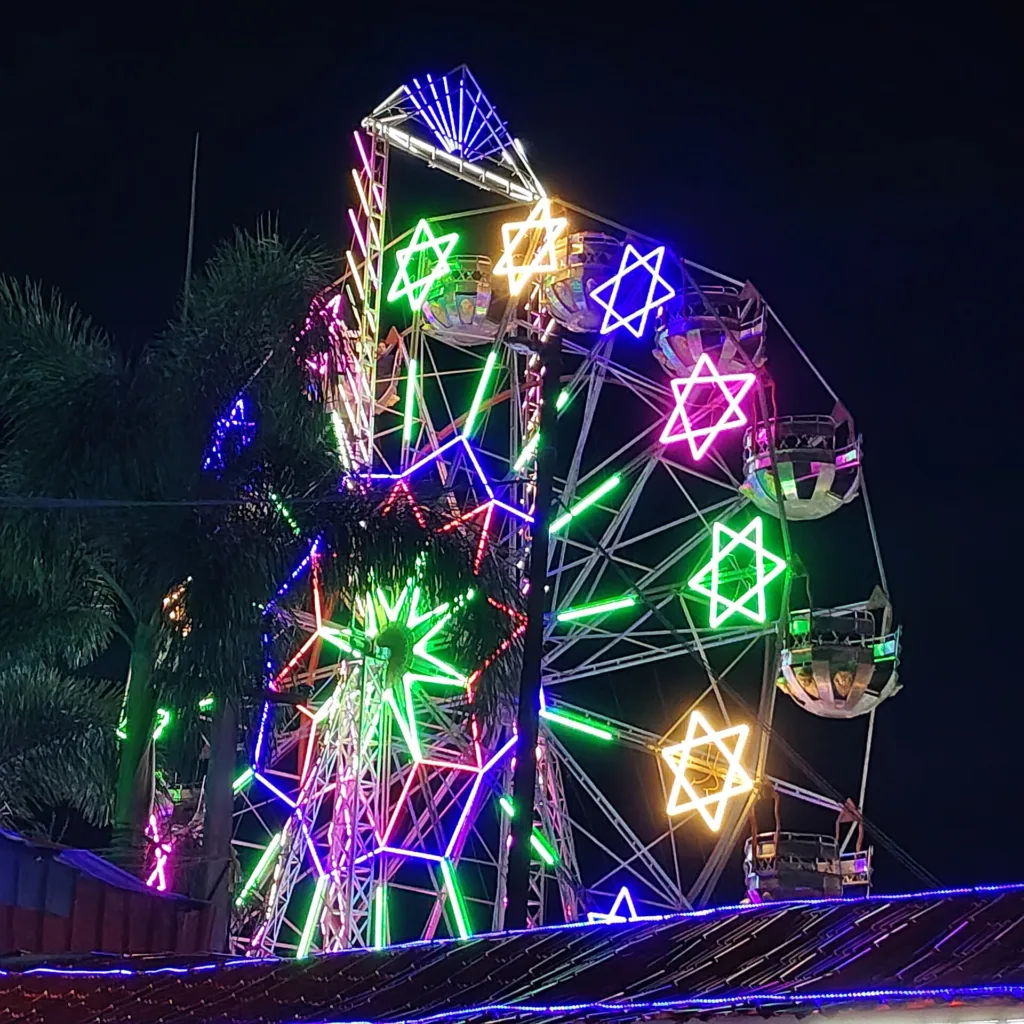
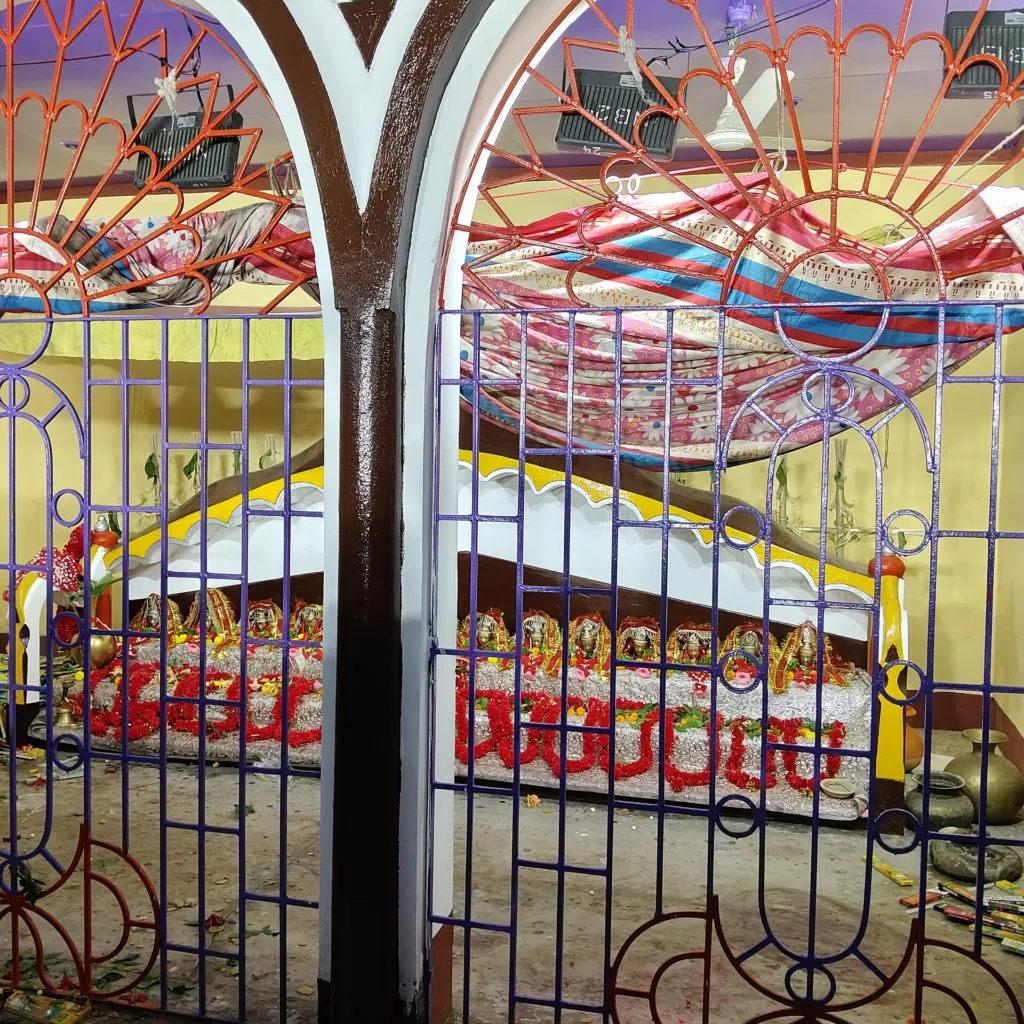
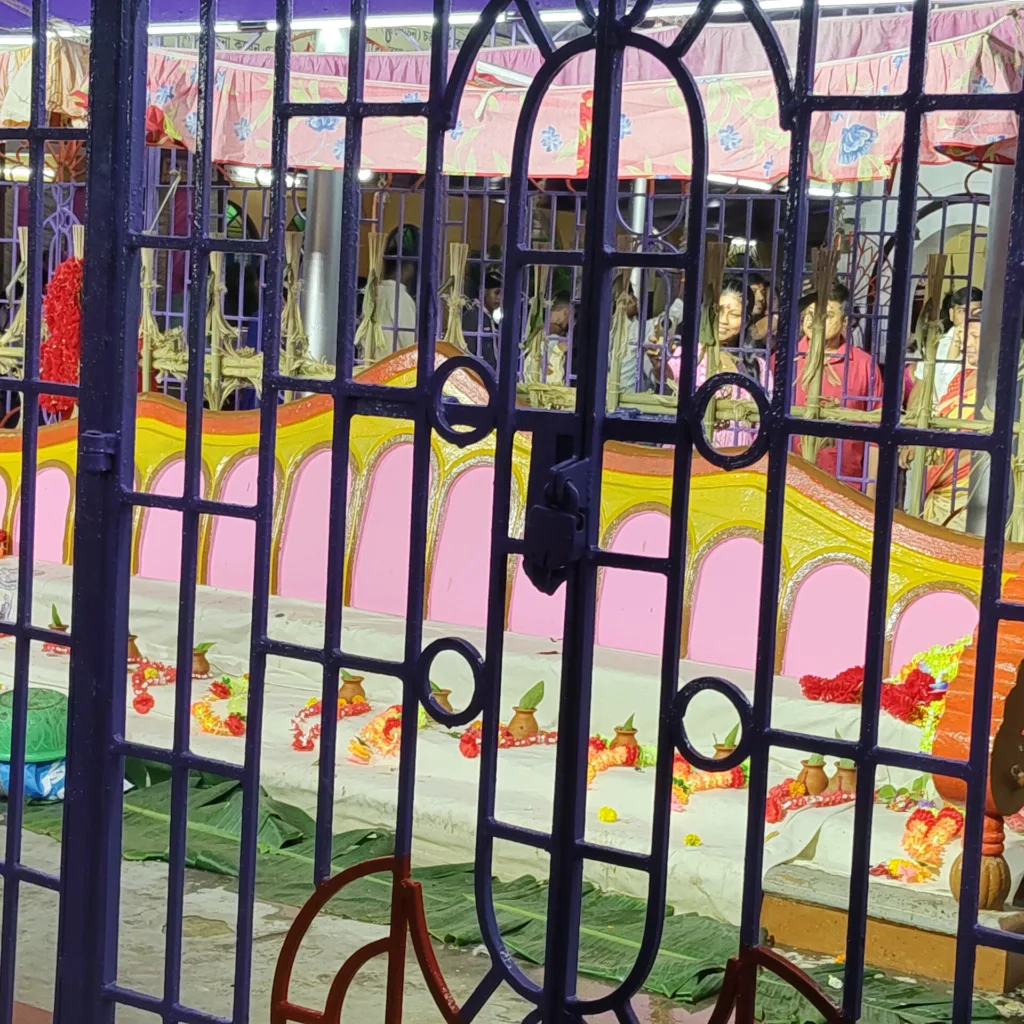
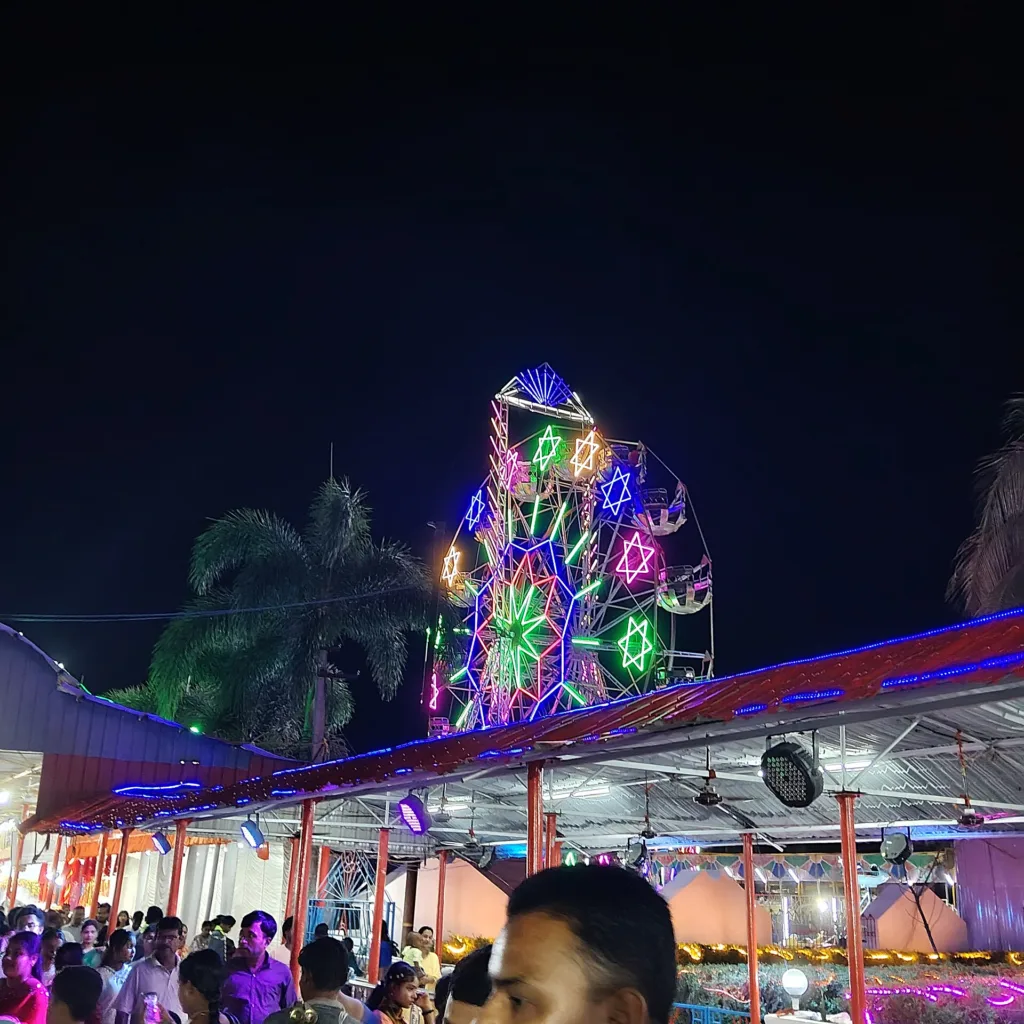
The temple itself is a low, wide, red-roofed structure in a walled compound, and the fourteen images are kept in a row inside. During the festival the compound and the ground outside fill with a mela: food stalls, handicraft sellers, bamboo and cane work from the hill districts, and a great deal of noise. It is a state festival, so government offices close and the whole of Agartala seems to move through Old Agartala at some point in the week. For a visitor it is one of the least touristed large festivals in India, which is most of its appeal.
Agartala is reached by air from Kolkata, Delhi and Guwahati, and by rail to the Agartala terminus. The airport is close to the city, and the trip begins with a pickup there or at the railway station. Old Agartala is a short drive west of the capital, and the road is good.
The first day is arrival and the city: the Ujjayanta Palace, now a state museum, and the lake and gardens around it. The second day is the Kharchi Puja itself at Old Agartala, with the morning bathing ritual at the Howrah river and the afternoon at the temple and the mela. The third day runs south to Udaipur, about 50 km away, for the Tripura Sundari temple, and on to Melaghar for Neermahal, the lake palace built in the 1930s in the middle of Rudrasagar Lake.
The fourth day is the return to Agartala and departure. If the flight is in the afternoon there is time for the state handicraft emporium, which is the best place in the state to see the cane and bamboo work that the hill districts produce.
This trip suits travellers who have already seen the big Indian festivals and want something genuinely off the circuit, and who are comfortable in a small state with limited tourism infrastructure. The walking is easy and the days are short. It works for photographers, for people interested in the indigenous cultures of the north-east, and for anyone combining Tripura with Assam or Meghalaya. It is not a luxury trip: hotels in Agartala are functional rather than polished.
The price covers three nights of hotel accommodation in Agartala on twin sharing, all road transport from Agartala airport or railway station in a private vehicle, breakfast and dinner daily, a local guide for the Kharchi Puja day, and the boat ride at Neermahal.
Kharchi Puja runs for seven days in July or August, in the Bengali month of Ashadha, at Old Agartala. The dates follow the Bengali calendar and shift each year, so confirm them before booking. It is monsoon season, so expect heat, humidity and short heavy showers.
It is graded Easy. There is no trekking and no altitude. The walking is on flat ground around the temple compound and the mela, and the longest day involves perhaps three or four hours on your feet.
No. Ordinary fitness is enough. The trip is built around short drives and easy walking. The main physical consideration is the heat and humidity in July and August, which tires people faster than the distance would suggest.
Yes. Solo travellers are welcome and are paired in twin sharing with another traveller of the same gender, or can pay a single supplement. Tripura sees very few tourists, so a solo traveller will be unusual but not unwelcome.
Three nights in a mid-range hotel in Agartala on twin sharing, with attached bathrooms, hot water and air conditioning. Agartala’s hotel stock is functional rather than luxurious, and during Kharchi week rooms fill early, so bookings are held well in advance.
Mobile coverage in Agartala and Old Agartala is good on all major networks. Indian nationals need no permit for Tripura. Foreign nationals should carry their passport and visa, and should check the current Inner Line Permit rules for any onward travel into the hill districts.
Start with the Tripura destination hub for the rest of our trips in the state, or browse all destinations and all activities. If you are still deciding what kind of trip suits you, the trekking section explains how we grade difficulty, and the Old Agartala guide covers the practical detail on getting there and when to go.
Photo credits. Photographs on this page are from Wikimedia Commons and are used under the licences listed below. Each image is credited to its photographer; the licence terms apply to reuse of the image.
Pushkar Camel Fair tour, 3N/4D from Jaipur, graded Easy, from Rs 7,200. Camel trading, Kartik Purnima at Pushkar…
Velliangiri Hills Trek, 2D/1N from Coimbatore. Seven consecutive hills, a cave camp at the fifth and sunrise from…
Haflong Hills trek, 4 days from Guwahati: Assam's only hill station, Jatinga's bird mystery and the Barail ridge.…