
Difficult
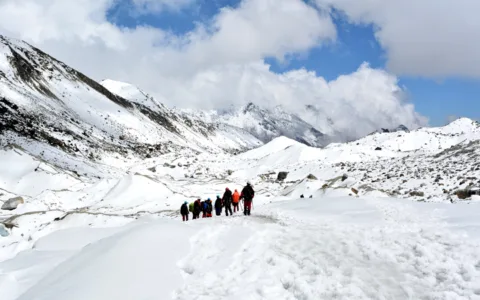
Goechala Trek
Sikkim's most celebrated trek climbs through rhododendron forests to a close-up view of Kangchenjunga, the world's third-highest mountain,…
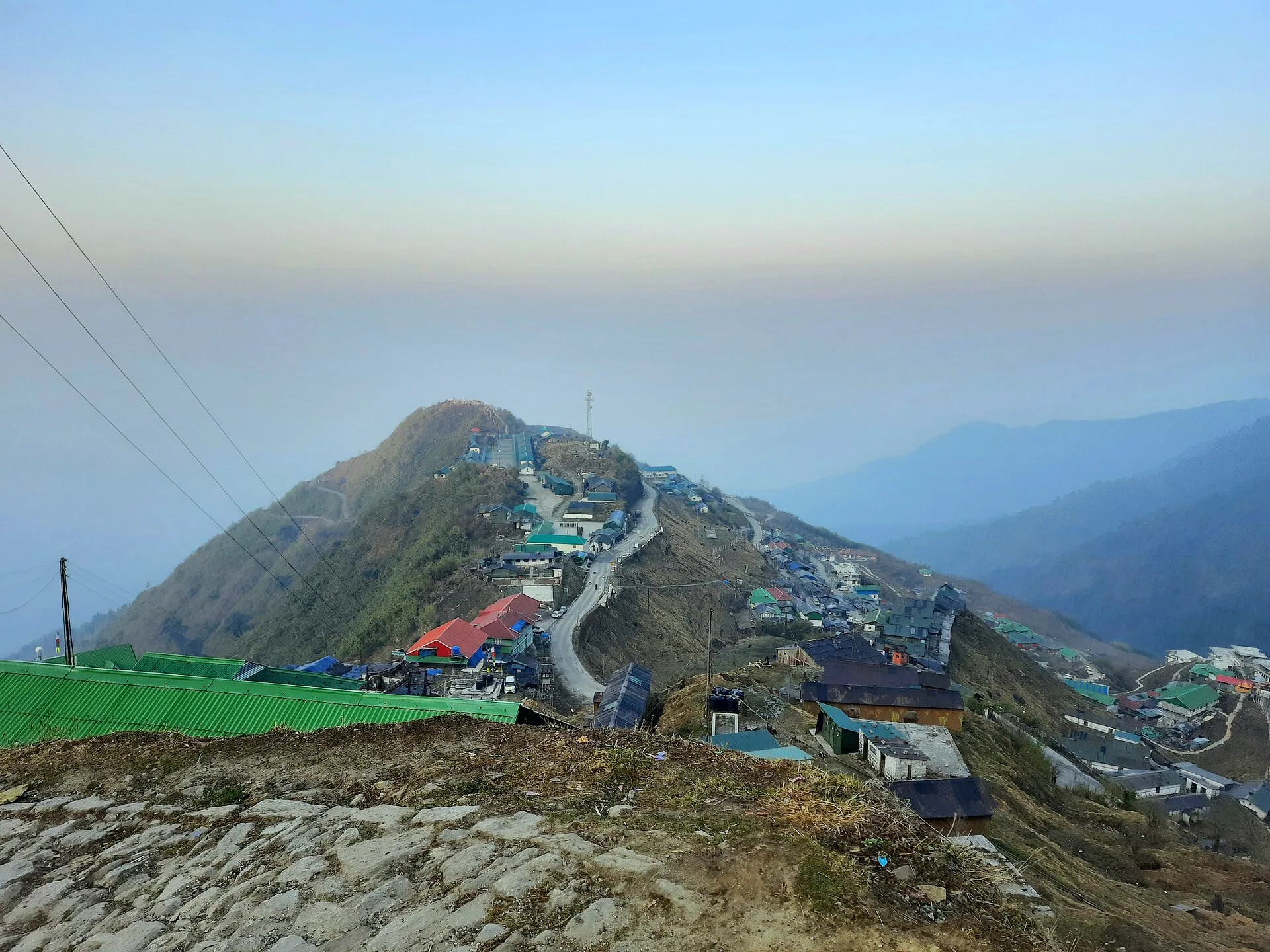
The Sikkim Silk Route Road Trip runs 6 days and 5 nights from Bagdogra, graded Moderate, from Rs 11,500 per person, following the route Bagdogra – Gangtok – Rongli – Zuluk – Kupup – Lachung – Yumthang – Gangtok – Bagdogra.
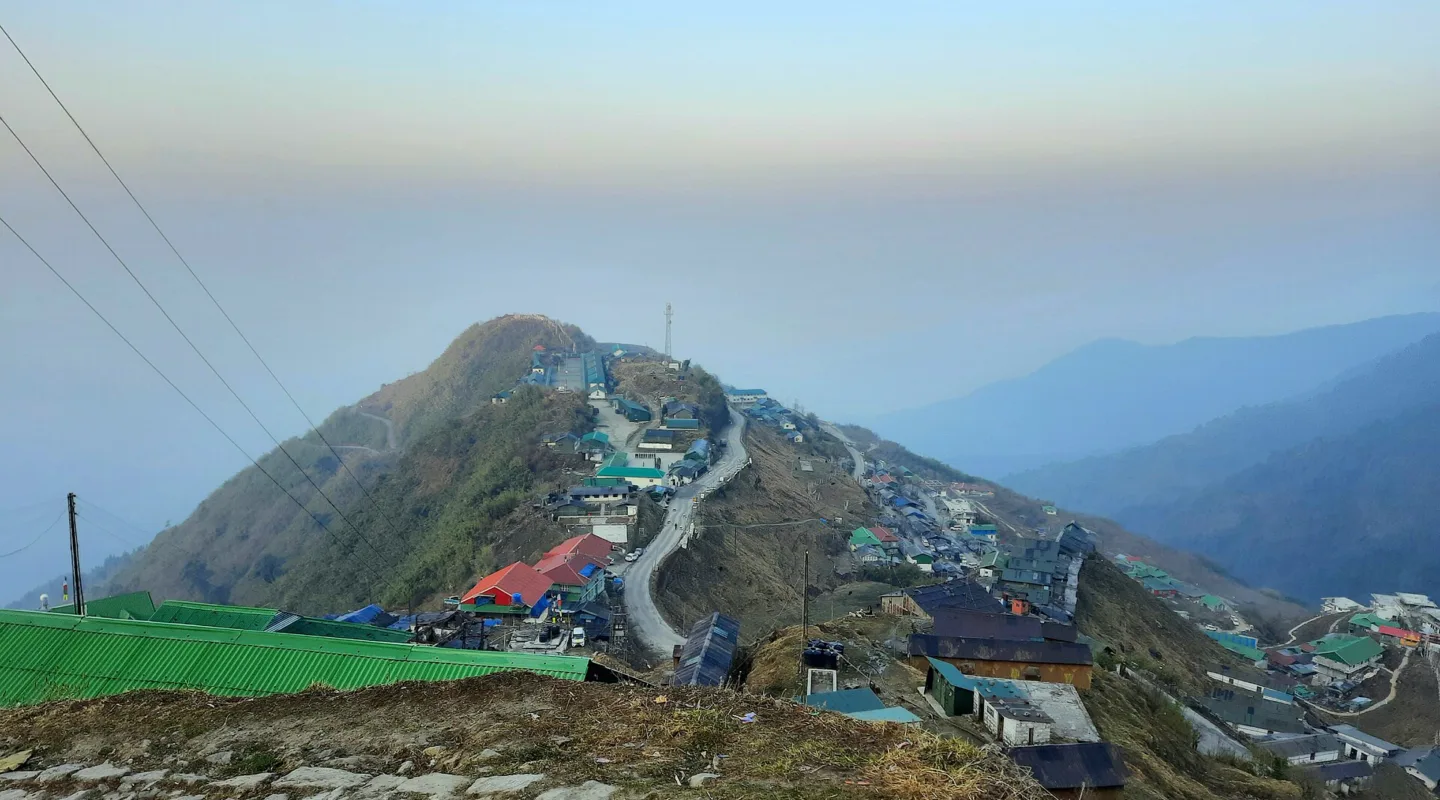
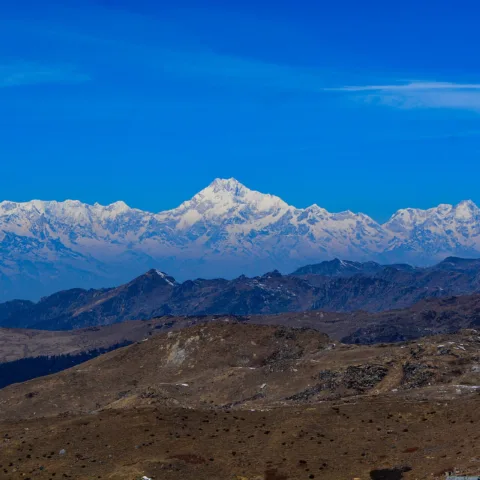
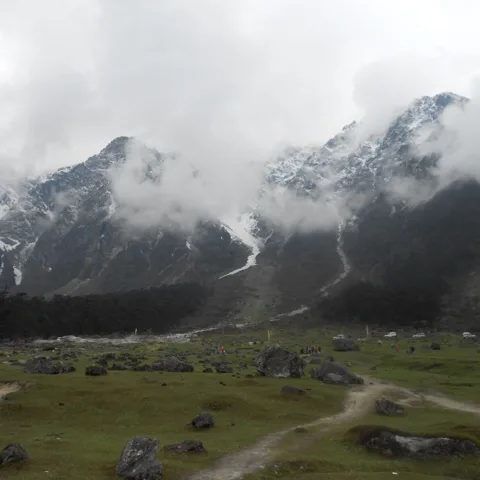
Sikkim is a small Himalayan state stacked between Nepal, Tibet and Bhutan, and the old trade route that once carried wool and salt between India and Tibet still runs through its eastern hills. The road from Rongli up to Zuluk climbs through roughly 32 hairpin bends, and at around 2,700 metres Zuluk opens onto one of the clearest views of Kanchenjunga anywhere in the state. On a good morning the whole massif, at 8,586 metres the third highest mountain in the world, sits directly in front of you.
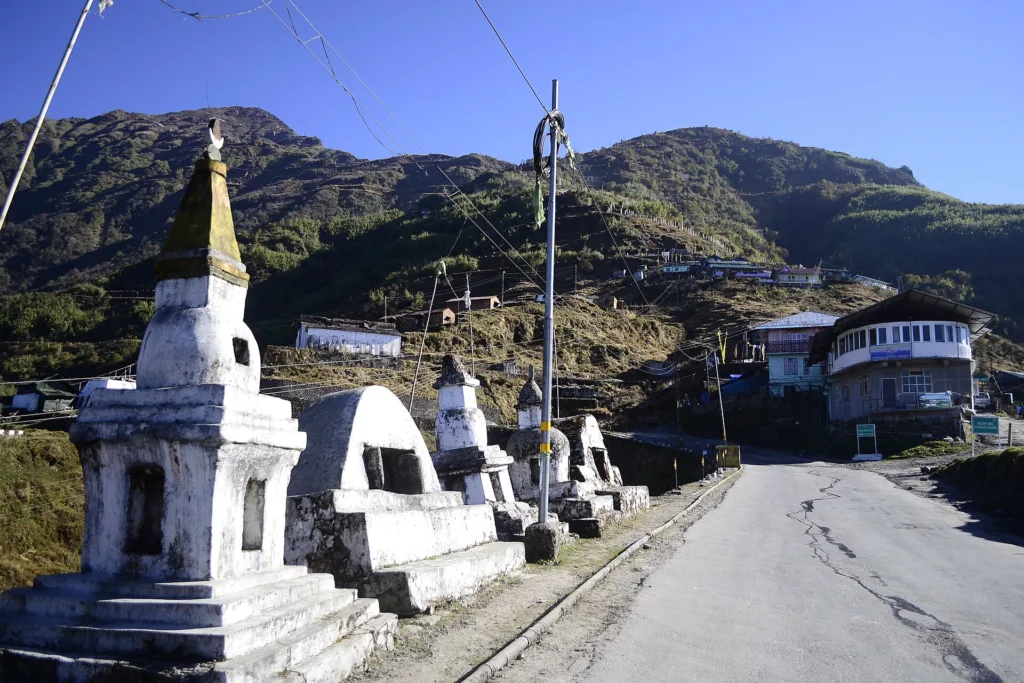
The eastern section continues past Kupup and the high grazing country towards the Tibetan plateau, where the vegetation thins and the light changes. The northern section is different again: the road up the Lachung valley follows the Lachung Chu through pine and rhododendron to Yumthang, at roughly 3,564 metres, where the valley floor opens into meadows inside the Shingba Rhododendron Sanctuary.
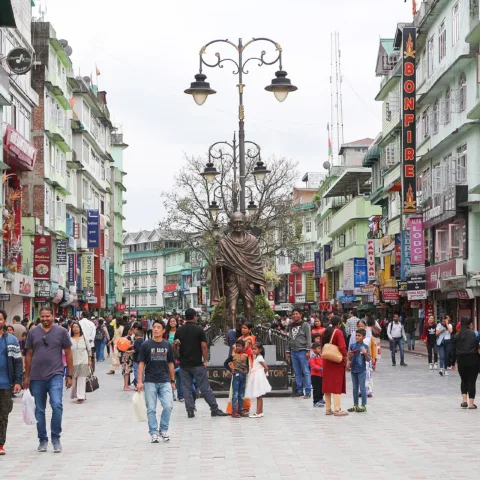
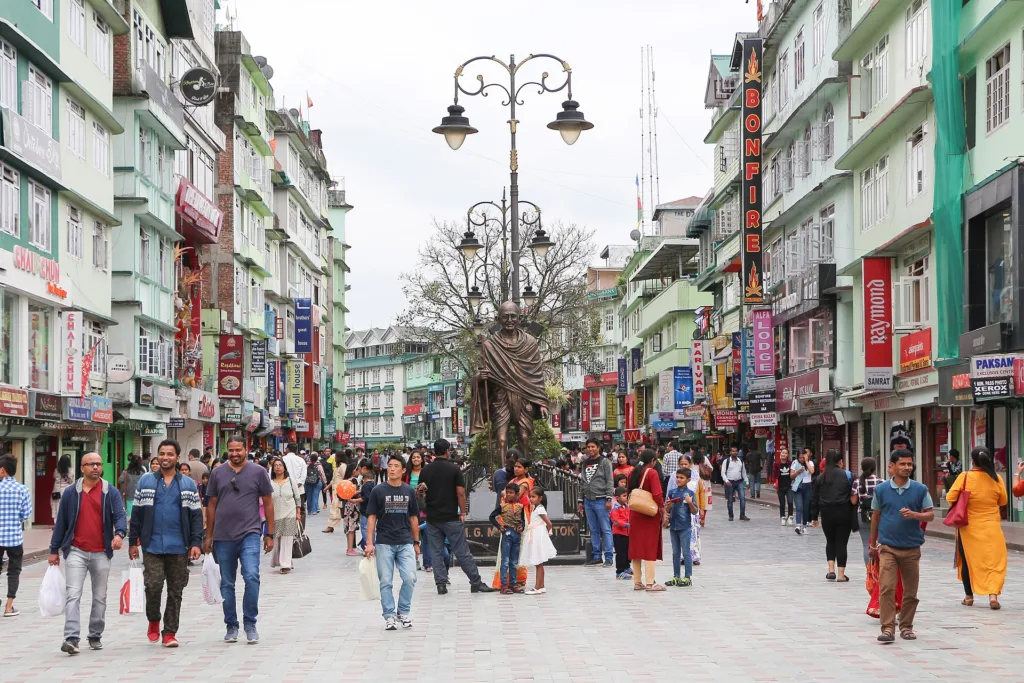
Gangtok, at around 1,650 metres, is the practical base at either end, and the contrast between the crowded bazaar streets of the capital and the empty high ground two days later is a large part of what makes this route worth driving. The road surfaces vary from good tarmac to broken hill track, and the driving days are long, which is why the trip is graded Moderate rather than Easy.
The first day is the climb from Bagdogra through the Teesta valley to Gangtok, a drive of around four hours that gains most of the trip’s initial altitude. The second day runs east to Rongli and then up the hairpins to Zuluk, arriving in time for the afternoon light and staying overnight at altitude so the Kanchenjunga view is available at dawn.
The third day continues along the old route past Kupup and the high ground before turning back west towards Gangtok. The fourth day heads north up the Lachung valley, a long drive on a narrow road, arriving in Lachung for the night. The fifth morning goes up to Yumthang and back down, then returns to Gangtok.
The final day is the descent to Bagdogra for the flight out. Two of the six days are essentially transfer days, and the itinerary is honest about that: this is a road trip, and the road is the point.
This trip suits travellers who are happy to spend long hours in a vehicle for the sake of high mountain scenery, and who understand that weather can close a view or a road without warning. The driving is the main demand, with short walks at the stops rather than any real trekking, so it works for photographers, for travellers who have done the standard Sikkim circuit and want the eastern route, and for small groups travelling together.
It is graded Moderate because of the altitude at Zuluk and Yumthang, the condition of some of the hill roads, and the length of the driving days. It is not suitable for anyone who finds long car journeys difficult, and it is not a trek.
The price covers five nights of accommodation on twin sharing across Gangtok, Zuluk and Lachung, daily breakfast and dinner, all road transfers from Bagdogra in a suitable hill vehicle, the services of a trip captain, and the permit arrangements for the protected areas on the route. Lunches, monument fees and personal expenses are not included.
March to May and October to November are the most reliable windows, with clearer skies and better road conditions. The rhododendrons at Yumthang are at their best in spring. The monsoon months bring landslides on the hill roads, and the winter months can close the high sections around Zuluk and Kupup with snow.
It is graded Moderate. The route reaches around 2,700 metres at Zuluk and roughly 3,564 metres at Yumthang, with the high ground near Kupup higher still. There is no trekking, but the altitude, the road conditions and the length of the driving days are what earn the Moderate grade.
You need to be comfortable with long car journeys on hill roads, often six to eight hours in a day, and with short walks at altitude. No technical fitness is required. If you are prone to motion sickness, carry medication, because the hairpins are relentless.
Yes, and the small group size of 12 makes it easy to settle in. Vehicle costs and permits are much harder to arrange alone on this route, so joining a departure is the practical way to do it. Solo travellers share twin rooms unless a single supplement is requested.
Five nights on twin sharing: mid-range hotels in Gangtok, a guesthouse in Zuluk and a hotel in Lachung. Zuluk is a small village with limited accommodation, so expect simple and warm rather than luxurious at that stop. Hot water can be intermittent at altitude.
Yes. The eastern section around Zuluk and Kupup and the northern valley to Yumthang both fall in protected areas that require permits for Indian nationals, and foreign nationals need a Protected Area Permit. We arrange these, but you must send photo ID and nationality details in advance, and carry the same ID on the trip.
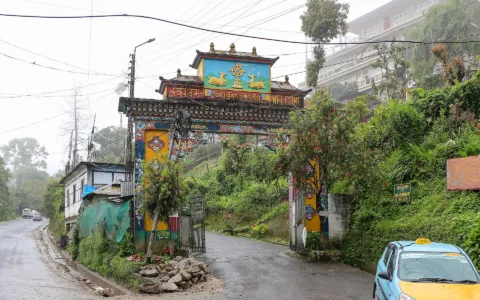
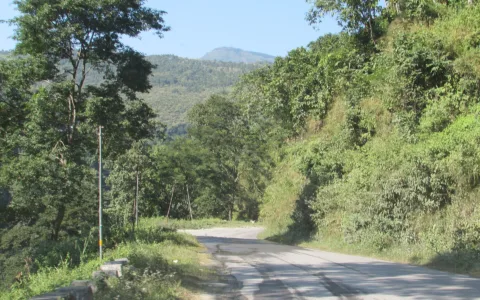
The old Silk Route through East Sikkim is a trade road, not a tourist road, and it shows. The section from Rongli up to Zuluk climbs through roughly 32 hairpin bends on a surface that varies from decent tarmac to broken hill track, and the drop on the outside of the bends is real. The compensation is the view: Zuluk sits at around 2,700 metres and looks straight at Kanchenjunga, which at 8,586 metres is the third highest mountain in the world and the highest entirely within India.
Altitude is the thing to take seriously. The route goes from around 300 metres at Bagdogra to 2,700 at Zuluk in a single day, which is a fast gain, and then higher still around Kupup. Yumthang, on the northern section, sits at roughly 3,564 metres. There is no trekking, but headaches and disturbed sleep at Zuluk are common, and the itinerary keeps the first night in Gangtok at around 1,650 metres partly to soften the step up. Anyone with a heart or respiratory condition should talk to a doctor before booking.
Permits are mandatory and are the most common reason a Sikkim trip goes wrong. The eastern section around Zuluk and Kupup and the northern valley to Yumthang both fall inside protected areas. Indian nationals need an Inner Line Permit; foreign nationals need a Protected Area Permit. We arrange these, but they require photo ID and nationality details in advance, and you must carry the same ID you submitted. Permits are checked at several points on the route, and a mismatch will stop the vehicle.
The driving is the other reality. Days of six to eight hours on hill roads are normal, and the Lachung valley road is narrow with two-way traffic. Motion sickness is common on the hairpins, and anyone prone to it should carry medication rather than hope. The vehicle matters too: this is small-vehicle country, and the group is capped at 12 because larger vehicles cannot comfortably work the upper sections.
On season, March to May and October to November are the reliable windows. Spring brings the rhododendrons at Yumthang into flower inside the Shingba sanctuary. The monsoon months bring landslides that close the hill roads without warning, and winter snow can shut the high sections around Zuluk and Kupup. On cost, Rs 11,500 for six days reflects the vehicle, the permits and the limited accommodation at Zuluk and Lachung rather than any luxury: the hotels are mid-range and the guesthouse at Zuluk is simple.
Explore related pages: All trips in Sikkim · Browse all destinations · All activities · Sikkim destination guide · Trekking in India.
Photo credits. Photographs on this page are from Wikimedia Commons and are used under the licences listed below. Each image is credited to its photographer; the licence terms apply to reuse of the image.
Sikkim's most celebrated trek climbs through rhododendron forests to a close-up view of Kangchenjunga, the world's third-highest mountain,…
Losar in Sikkim, 5 days from Gangtok: Gutor Chaam at Rumtek, Tsuklakhang prayers and the Tibetan new year.…
Overview of the Maenam Hill Trek The Maenam Hill Trek is a 3-day, 2-night moderate trek in Sikkim…