
Easy
Pachmarhi Trek
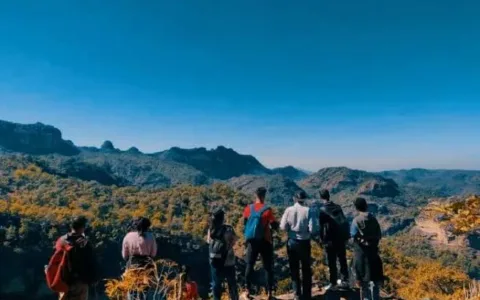
A gentle plateau trek through Central India's only hill station, weaving between ancient rock shelters, hidden waterfalls, and…
Next Departure
06/12/2026
18 seats left
Tansen Samaroh Gwalior runs 4D/3N from Gwalior, graded Easy, from Rs 7,200 per person. Route: Gwalior – Behat – Gwalior Fort – Jai Vilas Palace – Gwalior.
Tansen Samaroh is the oldest continuous classical music festival in India, and it is held in a small town outside Gwalior because that is where Tansen is buried. For four days in December the ground beside the tomb fills with listeners who have come for the evening ragas, and the line-up runs from established names to young performers competing for the National Tansen Samman.
Gwalior is the cradle of Hindustani music in a way that is hard to overstate. Tansen was born here in the early sixteenth century, went to the court of Akbar as one of the navaratnas, and the Gwalior gharana that carries his name became the first of the great vocal schools. The city still teaches music at a scale that surprises visitors, and the festival is the annual gathering of that world.
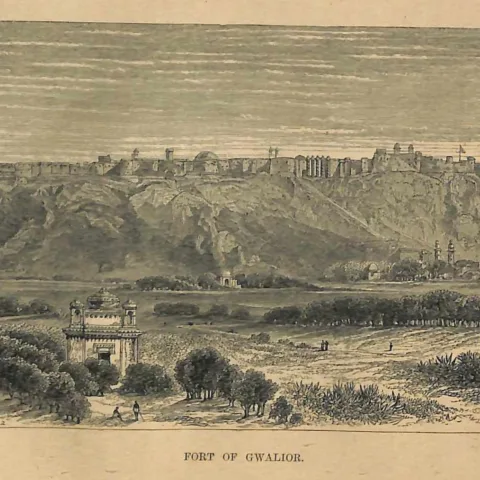
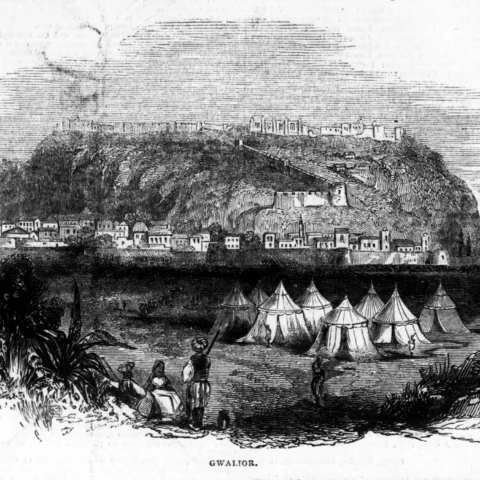
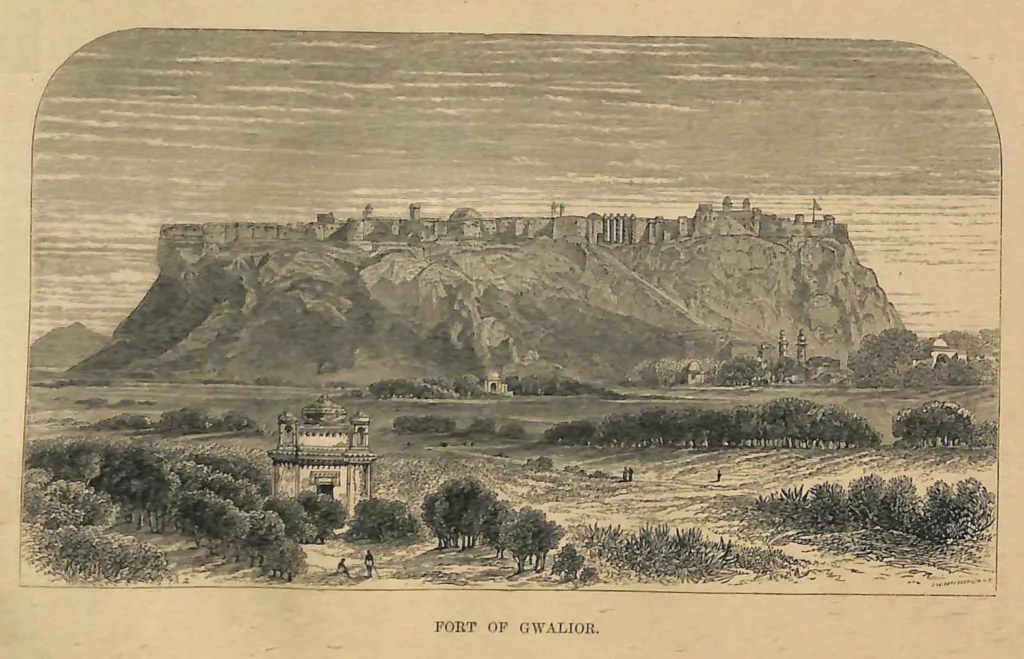
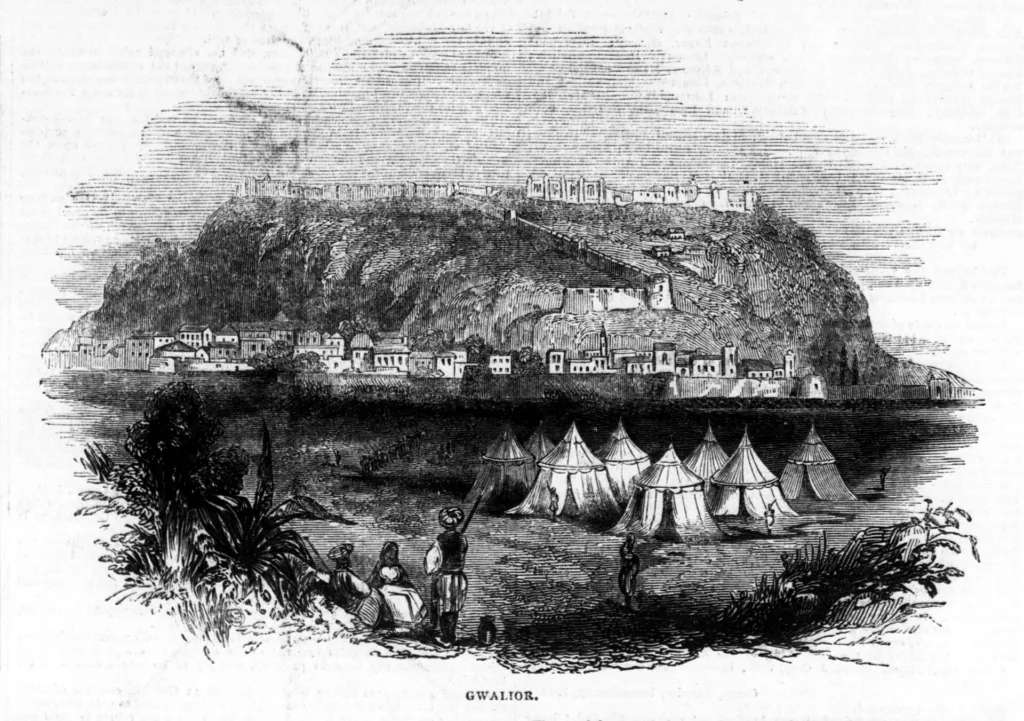
Madhya Pradesh holds Gwalior at its northern edge, on the road to Agra and Delhi, and the city is built around a sandstone hill that has been fortified since at least the eighth century. The fort on top, the Man Mandir palace with its blue tile work, and the Sas-Bahu temples below it are the reason to come a day early. The music is the reason to stay.
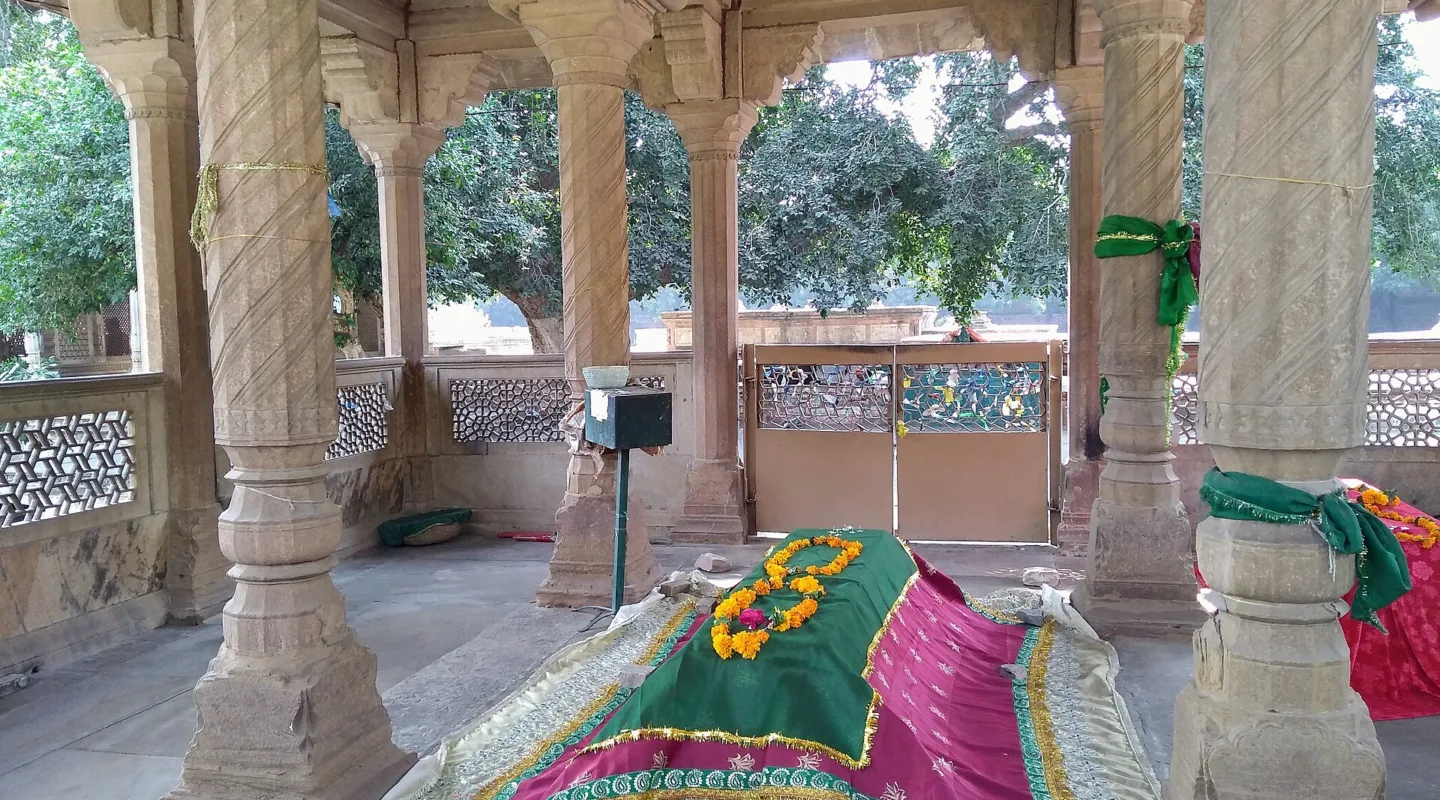
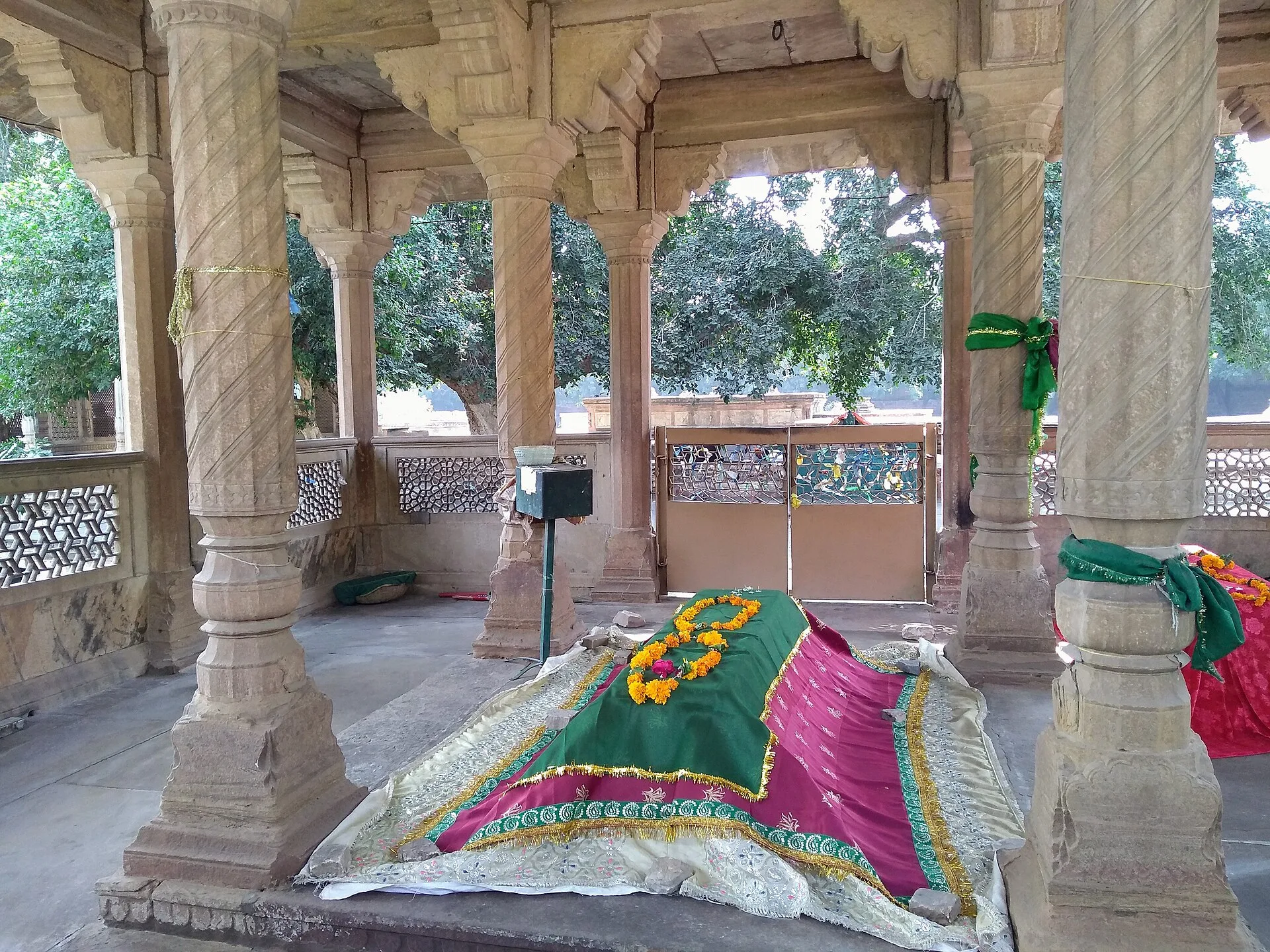
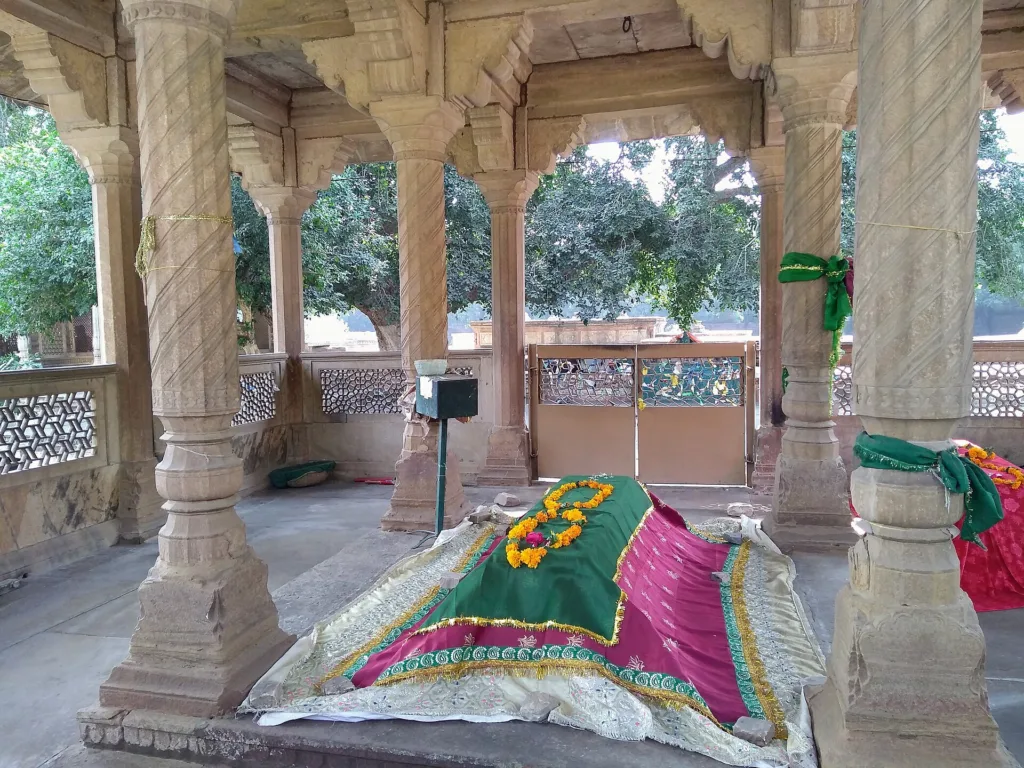
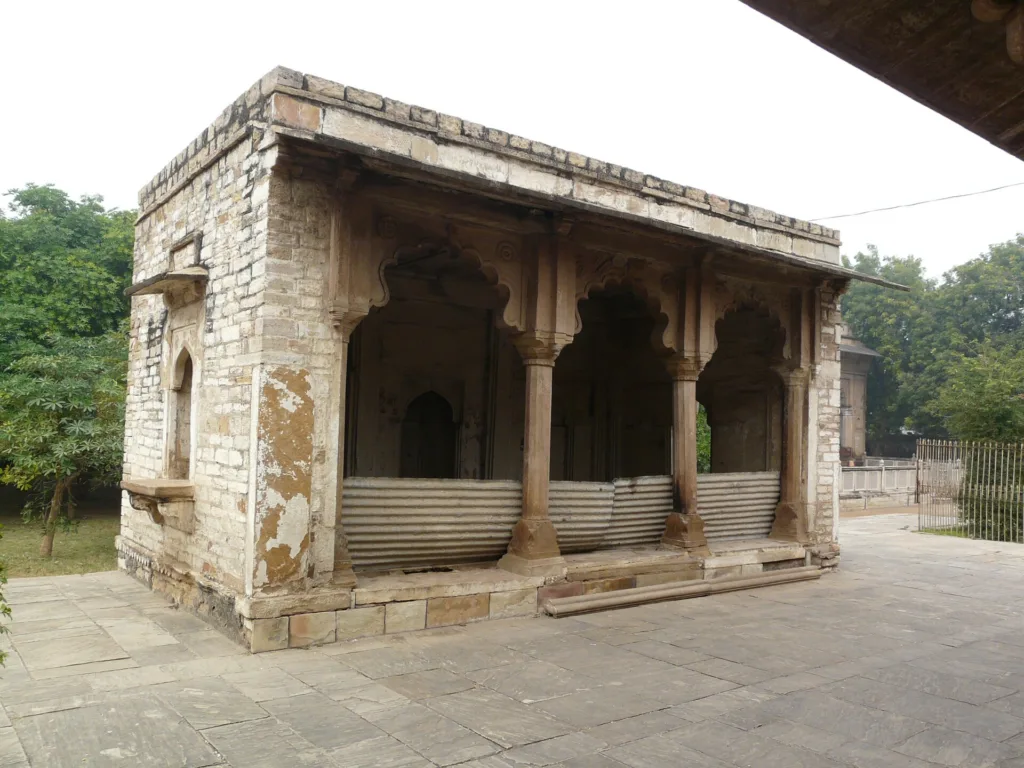
The festival ground is at Behat, next to the tomb of Tansen, a short drive from the city centre. The tomb itself is a small, quiet walled enclosure with a tamarind tree that is said to have grown from a twig of the tree at Tansen’s grave in Delhi, and the acoustics of the open ground in front of it are the reason the festival has never moved to a hall.
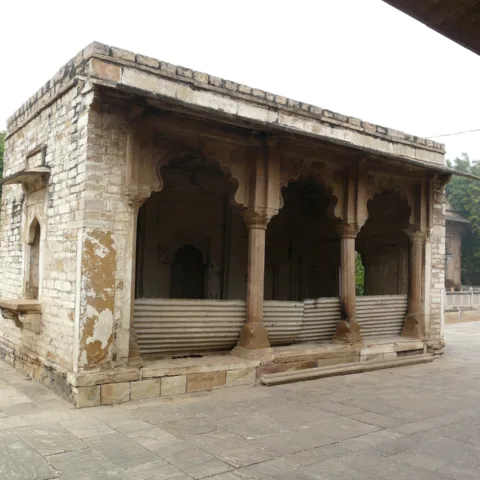
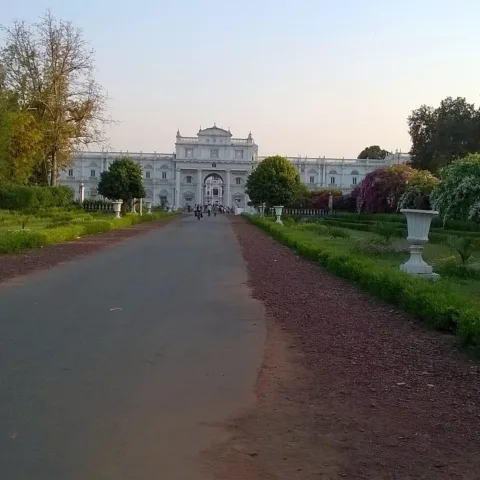
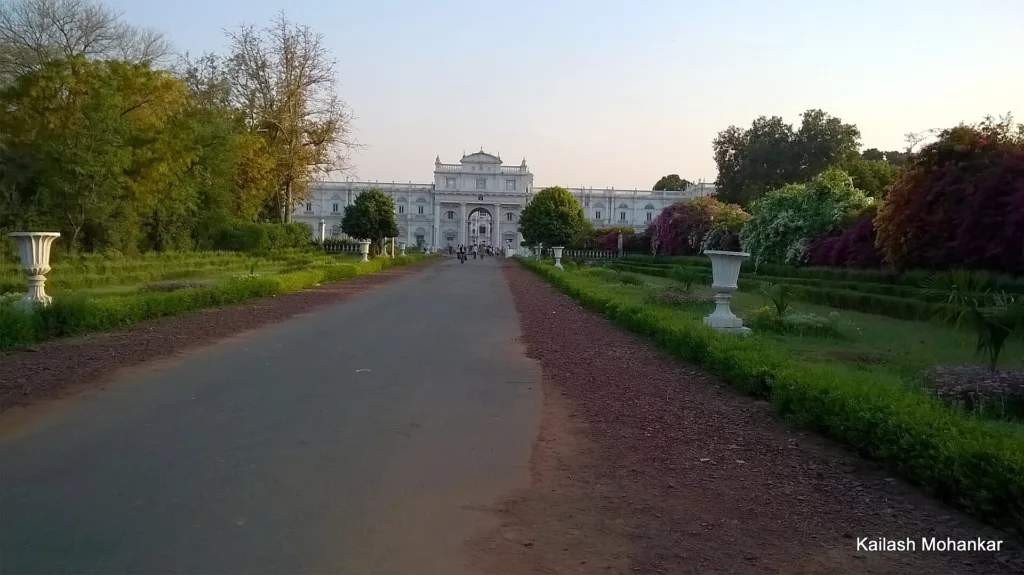
The days are left open for the city. Gwalior Fort sits on a plateau about 3 km long and 1 km wide, reached by a road up the western face, and holds the Man Mandir, the Gujari Mahal, the Sas-Bahu temples and the Teli ka Mandir. Below the fort, the Jai Vilas Palace of the Scindia family keeps the Durbar Hall with its two enormous chandeliers, and the Sun Temple and the Tigra dam are a short run out of town.
Evenings return to Behat for the main concerts, which run late. The programme is announced by the organisers each year and the order of performances can shift, so we hold the seats and go with the evening rather than promising a particular artist.
This is for listeners. If you know what a vilambit khayal is and you have wanted to hear one outdoors in December with the tomb behind the stage, this trip is built for you. It also works for travellers who know nothing about the music but want to see a serious Indian festival done properly, because the setting explains itself.
It is a city trip with no walking beyond the fort and the palace, and it is graded Easy. Anyone wanting landscape or trekking should look elsewhere in Madhya Pradesh, at our Pachmarhi or Amarkantak products. The one real demand is late nights, since the concerts run past midnight.
Three nights of accommodation on twin sharing at a hotel in Gwalior, with breakfast daily. All local transport between the hotel, the festival ground and the city sights is included in a private vehicle with driver allowance and parking.
Festival passes for all four evenings, the Gwalior Fort entry and guide, and the Jai Vilas Palace entry are covered. A local guide who knows the music world of the city travels with the group for the fort and palace visits.
The festival is held over four days in December, and that is the only window in which this trip runs. The 2025 edition, the centenary, ran from 15 to 19 December. The programme and the exact dates are announced by the Madhya Pradesh Department of Culture each year, and we confirm them before the season opens.
There is no altitude and no trekking. Gwalior sits on the northern plain at around 200 metres. The trip is graded Easy. The only physical demand is walking on the fort plateau, which is uneven stone, and sitting through long concerts that run past midnight.
Ordinary fitness is enough. You should be able to walk for an hour on uneven ground at the fort and to manage steps at the palace. The concerts involve sitting on chairs on open ground for several hours in the cold, so bring warm layers. Anyone with back trouble should ask us for a seat near the aisle.
Yes. Solo travellers are welcome and are paired on twin sharing with another traveller of the same gender, or you can take the single supplement. The festival audience is largely local and the group sits together, so there is no difficulty about being on your own.
A three or four star hotel in central Gwalior on twin sharing, chosen for proximity to the Behat road and for reliable hot water in December. Rooms have attached bathrooms and breakfast is included. The hotel is a short drive from the festival ground rather than within walking distance.
Mobile coverage in Gwalior is good and there is no permit of any kind. Photography at the fort and the palace may carry a camera fee, which is not included. Recording of the concerts is restricted by the organisers and phones are usually asked to be silent during performances.
Start with the Madhya Pradesh destination hub for the wider picture, then browse all destinations and all activities. The Madhya Pradesh destination guide covers the season and the access, and trekking lists the walking products if you want to add one to this trip.
Photographs on this page are licensed from Wikimedia Commons. Credits and licences are listed below.
A gentle plateau trek through Central India's only hill station, weaving between ancient rock shelters, hidden waterfalls, and…
Khajuraho Dance Festival tour, 4D/3N from Jhansi, graded Easy, from Rs 6,800. Classical dance at the UNESCO temples,…
Amarkantak Trek, 3D/2N from Jabalpur. The Narmada and Son sources, Kapildhara and Dudhdhara falls, and the Maikal ridge.…