-
11,320 ft.
-
500Km
-
-5°C to -10°C
-
15
-
35
Sangla Holi Trip 2026
A Deep Dive into the Faguli Festival of Kinnaur
Why Celebrate Holi in Sangla?
The Sangla Holi Trip is not just another holiday; it is a journey into the heart of an ancient civilization. While the rest of India celebrates the victory of good over evil with standard colors, the people of the Baspa Valley (Sangla) weave mythology, mountain spirits, and local alcohol into a four-day carnival known as Faguli (or Fagli).
At WdrLust, we believe that to truly “travel” is to immerse yourself. Our Sangla Holi expedition is designed for those who want to witness the Himalayas at their most raw and festive.
Read More
The Mythology: Why Sangla Holi Trip
is Unique
Holi in Kinnaur is deeply intertwined with the Faguli Festival, which dates back over 800 years. Unlike the plains, where the focus is on the Holika Dahan, in Sangla, the festival marks the end of the “dark days” of winter and the awakening of the local deities.
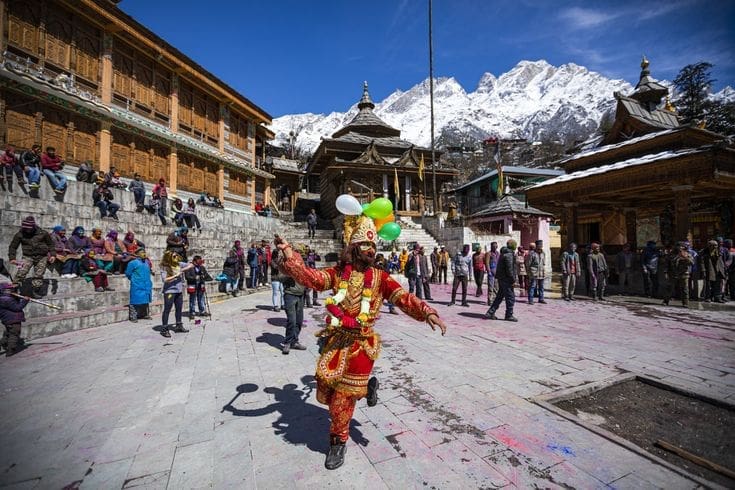
The celebration centers around the Bering Nag Temple. Legend has it that during these days, the local gods (Devtas) communicate with the villagers through oracles. The most fascinating part is the Reenactment of the Ramayana. You will see villagers dressed as characters from the epic, performing street plays that have been passed down through oral traditions for centuries.
The Four Days of Faguli: A Step-by-Step Experience
To help you plan, here is what the atmosphere feels like during the peak of the festival:
Day 1 & 2: The Spiritual Awakening (Totu & Prayers)
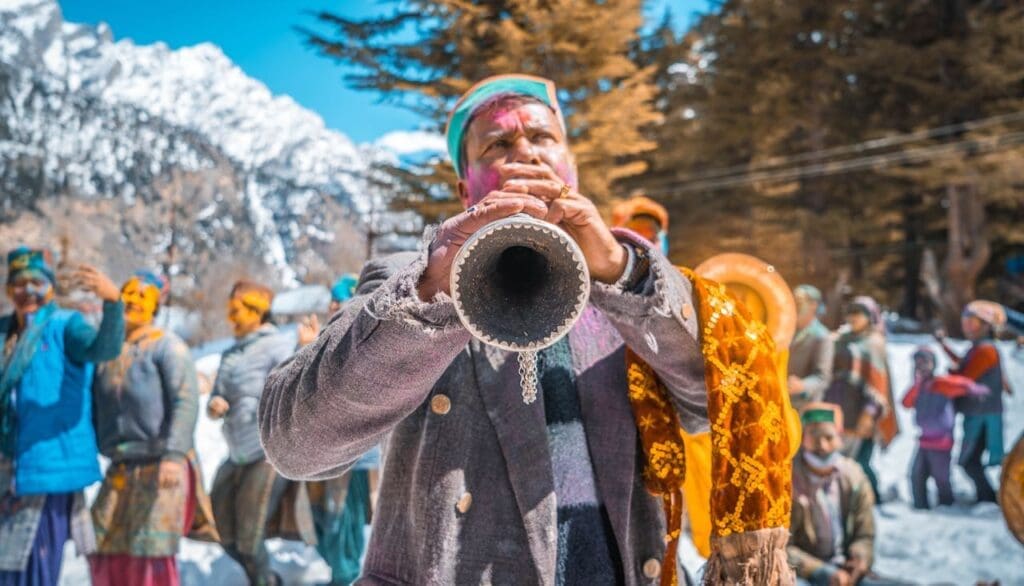
The festival begins with the preparation of Totu—a sacred mixture of roasted barley flour and buttermilk. This is offered to the gods in the local temples. On these days, you will hear the hauntingly beautiful sounds of the Karnal (long brass trumpets) and Dhol echoing through the valley. This is the best time for photography, as the villagers gather in their finest traditional attire.
Day 3: The Main Holi (Colors, Snow, and Spirits)
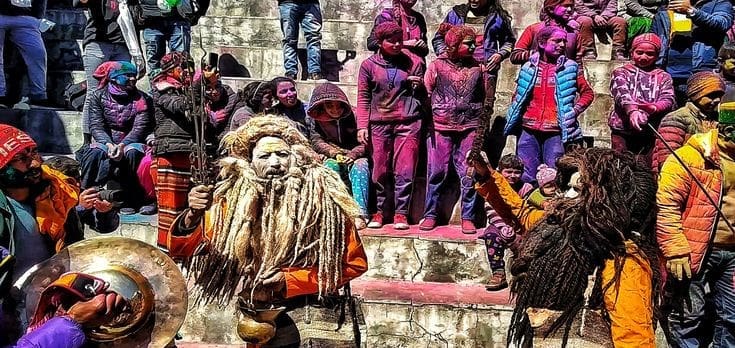
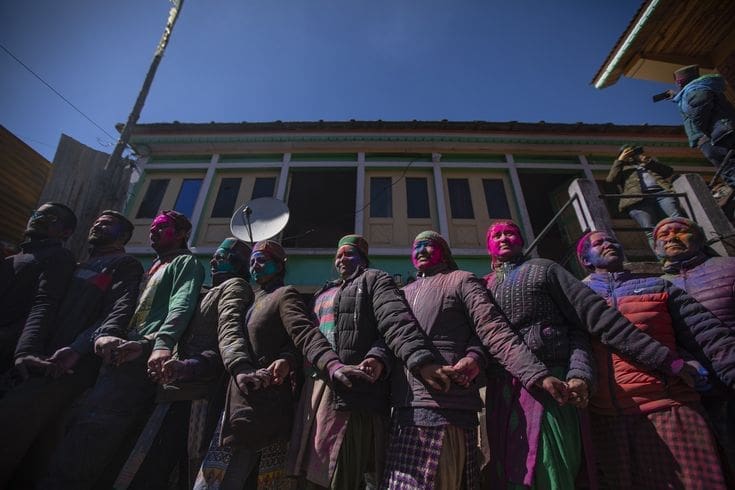
This is the day WdrLust travelers look forward to the most. The entire village of Sangla transforms into a canvas of pink and green Gulaal.
- The Snow Factor: Since March is early spring, it is common to play Holi with a mix of colors and fresh snow.
- The Procession: A massive procession leads from the temple through the narrow lanes of Sangla.
- Traditional Brews: You will see locals sharing Phasur or Angoori (locally brewed grape/fruit wine). It is a symbol of community bonding, and as a guest, you might be invited to join the circle.
Day 4: The Faag Mela
On the final day, the “Devta” (the idol of the god) is brought out of the temple on a palanquin. The villagers perform the Phagli Dance, a rhythmic, slow-moving folk dance where men wear masks and traditional grass-like dresses. It represents the harmony between humans and the spirits of the mountains.
Beyond the Festival: Exploring the Kinnaur Circuit
A trip to Sangla is incomplete without exploring the surrounding “cliffhanger” landscapes. Our itinerary ensures you see the best of the Hindustan-Tibet Highway.
1. Chitkul: The Last Indian Village
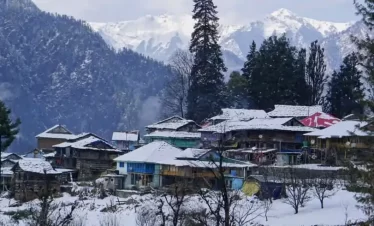
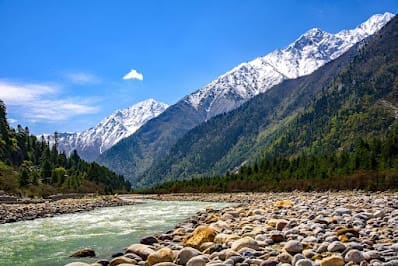
Located at the end of the road, Chitkul is situated at 11,320 feet. It is famous for its “last dhaba” and the pristine Baspa River. In March, Chitkul is often draped in a thick blanket of snow, making your Holi photos look like they were taken in the Swiss Alps.
2. Kalpa and the Kinner Kailash Views
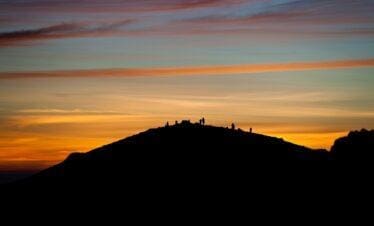
Kalpa offers the most dramatic views of the Kinner Kailash range. The 79-foot vertical rock (Shivling) is said to change colors throughout the day. Watching the sunrise hit the peaks while the temple bells of the Narayan-Nagini Temple ring is a spiritual experience in itself.
3. Sarahan: The Gateway to Kinnaur
On our way, we stop at Sarahan to visit the Bhimakali Temple. This 800-year-old architectural marvel is built in the Kath-Khuni style (interlocking wood and stone). It survived the 1905 earthquake and remains one of the most sacred Shakti Peethas in India.
Taste of Kinnaur: Traditional Food to Try
During the Holi festivities, your palate is in for a treat. At WdrLust, we encourage our travelers to try:
- Sidu: A steamed bread stuffed with walnuts or poppy seeds, served with a dollop of ghee.
- Chilta: Buckwheat pancakes that are a staple in the high altitudes.
- Kinnauri Rajma: Grown locally, these red beans have a unique sweetness you won’t find in the cities.
Best Time to Visit Sangla Holi
March: The Holi festival usually falls in March, when Sangla Holi Trip begins to thaw from winter, offering a perfect blend of crisp mountain air and colorful festivities.
You can Also checkout our trip During Holi
Winter Spiti Road Trip From Delhi
Highlights of Sangla Holi Trip
- Organic Colors & Cultural Rituals: Play Holi with eco-friendly colors while participating in local ceremonies and festive processions.
- Bonfire & Folk Performances: Gather around a traditional bonfire in the evening, accompanied by Himachal folk songs and dance performances.
- Snow-Capped Celebrations: Depending on the season, you might experience Holi amidst snow, adding a magical touch to the festival.
- Local Cuisine: Relish authentic Himachali dishes like Siddu, Chana Madra, and refreshing beverages shared during the celebrations.