-
December to March (Peak Snow)
-
-15°C / -35°C
-
JIO
-
16500ft
Winter Spiti 2026
Why Choose the Winter Spiti Expedition with WdrLust?
Traveling to Spiti in winter is a test of grit and a journey of a lifetime. While the rest of the world retreats into blankets, Spiti Valley transforms into a monochromatic masterpiece of white peaks and turquoise ice. At WdrLust, we specialize in the all-weather Shimla-Kaza route, the only motorable access point during the harsh winter months.
Read More
Our expeditions are not just road trips; they are managed safety operations. We navigate the Hindustan-Tibet Highway using 4×4 vehicles and local Spitian drivers who are experts at handling Black Ice and sudden snowdrifts. From the world’s highest post office in Hikkim to the “Ghost of the Mountains” (Snow Leopard) habitat in Kibber, we ensure you don’t just see Spiti—you survive and celebrate it.
A Journey to the Snow-Covered Wonderland
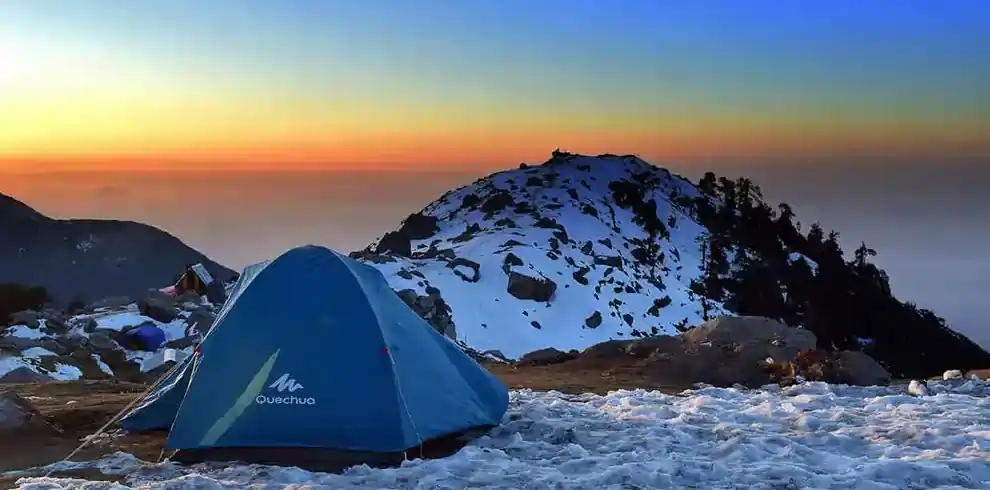
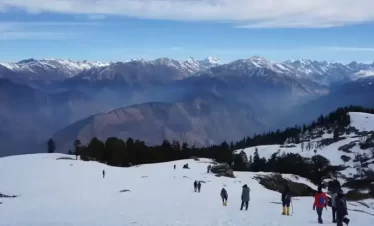
Winter in Spiti Valley offers a magical experience like no other. Tucked away in the Himalayan mountains, Spiti transforms into a snow-covered paradise during the winter months. This remote valley in Himachal Pradesh is perfect for travelers seeking adventure, solitude, and an offbeat experience. With frozen rivers, ancient monasteries, and breathtaking landscapes, a Winter Spiti trip promises unforgettable moments in one of the most pristine regions of India.
Highlights of Winter Spiti
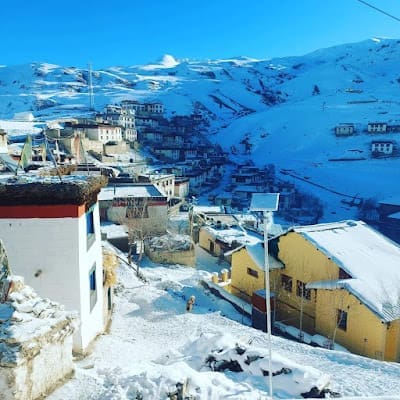
- Snow-Covered Landscapes: Witness the stunning beauty of whitewashed mountains, frozen lakes, and snow-laden villages.
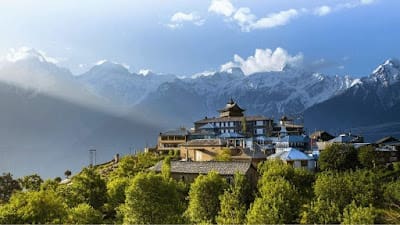
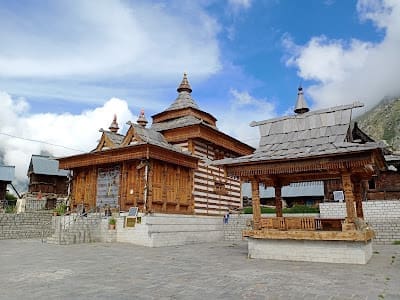
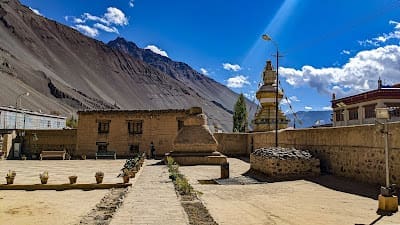
- Iconic Monasteries: Explore ancient monasteries like Key Monastery, Tabo Monastery, and Dhankar Monastery, offering spiritual and cultural insights.
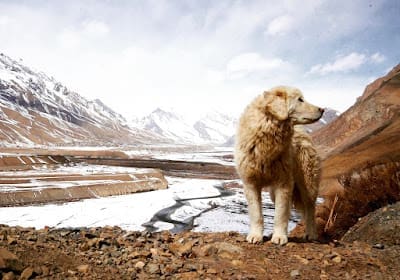
- Frozen Spiti River: Experience the frozen Spiti River, a rare sight only visible during the harsh winter months.
- Charming Villages: Visit the highest inhabited villages like Kibber, Langza, and Komic, where life slows down under a thick blanket of snow.
- Thrilling Adventure: Drive through snow-covered roads and navigate the challenging Hindustan-Tibet Highway for a true adventure.
Best Time to Visit Winter Spiti - The best time to experience Winter Spiti is from December to February, when the valley is covered in a thick layer of snow, offering a unique and peaceful retreat for adventurous travelers.
Trek Difficulty & Road Conditions
Challenging Terrain: Winter Spiti requires experienced drivers and good preparation due to snowfall and icy roads.
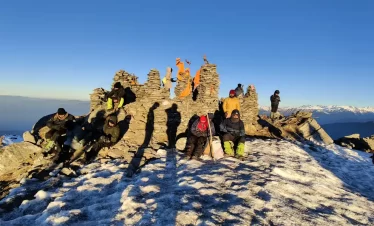
Altitude: Be prepared for high-altitude conditions, with elevations reaching 4,500 meters.
Essential Items to Carry
Thermal layers and heavy jackets for sub-zero temperatures
Snow boots and waterproof gear
Sunglasses and sunscreen for snow glare
First-aid kit and personal medications
Power banks and extra batteries (limited electricity in winter)
Why Choose Winter Spiti?
A Winter Spiti Road Trip is not just a trip—it’s an adventure into the heart of raw, untouched beauty. Whether it’s the quiet charm of snow-clad villages or the thrill of navigating frozen landscapes, this journey promises memories of a lifetime.
Survival & Culture: The Spiti Winter Reality
- The Bukhari Experience: In sub-zero temperatures, life revolves around the Bukhari (traditional wood-fire heater). It is where stories are shared and the best Butter Tea is served.
- Dry Toilets: Water freezes in pipes during winter. Be prepared for traditional dry toilets—an eco-friendly Himalayan necessity that preserves the fragile ecosystem.
- Snow Leopard Spotting: Winter is the prime time for wildlife. Keep your binoculars ready as the Snow Leopard and Blue Sheep often descend to lower altitudes near Chicham Bridge.
- Electronics Care: Extreme cold drains batteries in minutes. Pro-Tip: Keep your camera batteries and power banks wrapped in woolen socks inside your jacket to keep them warm.