
If you want the Eastern Himalaya at its sharpest, November is the month — and the Sandakphu Goechala trek corridor is where the views peak. The monsoon haze is gone, the air is dry, and the Kanchenjunga massif stands out against a deep blue sky from two very different vantage points: the gentle Singalila ridge above Darjeeling, and the high Sikkim camps of Goechala. This guide compares both routes with real prices, altitudes and departure dates from wdrlust.in, and tells you honestly what November is not good for.
Why the Sandakphu Goechala trek window is at its best in November
Both treks sit in the rain shadow of the monsoon, but their clear-weather season is short. October is still recovering from the tail of the rains; December brings hard frost and, above 3,500 m, snow on the trail. November splits the difference: daytime temperatures of 8–15°C on the ridge, crisp nights, and the famous Kanchenjunga views — the “Sleeping Buddha” panorama from Sandakphu, and the wall of ice you face from Goechala’s viewpoint — at their most reliable. Birders also rate November highly in Singalila National Park, when winter migrants arrive.
Sandakphu Phalut Trek: the Sleeping Buddha panorama
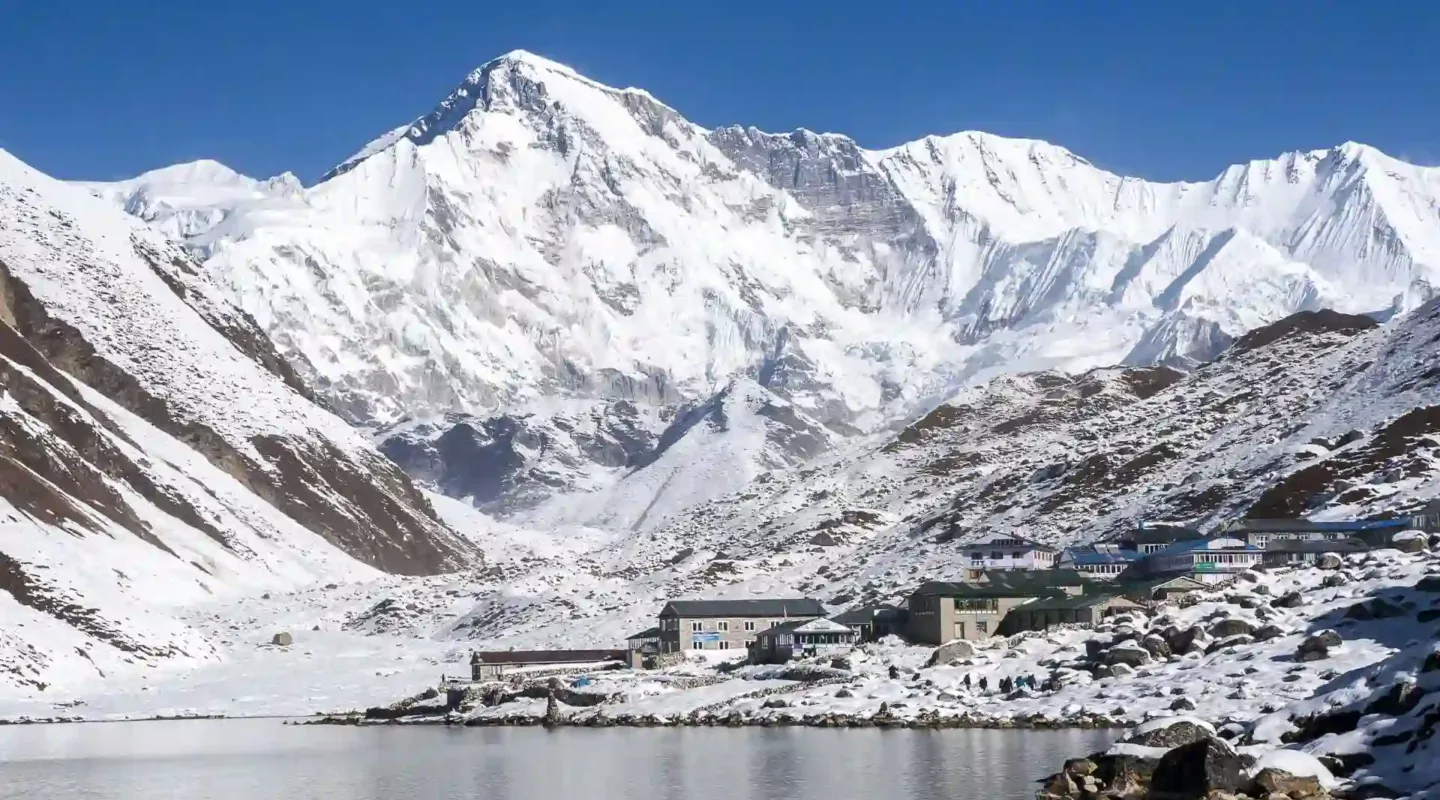
Sandakphu Phalut is a 6-day, Easy-graded trek from Rs 9,800 in West Bengal, topping out at 3,636 m. It is the gentlest way to see four of the world’s five highest peaks — Everest, Lhotse, Makalu and Kanchenjunga — from one ridge. You walk along the India–Nepal border through Singalila National Park, sleeping in guesthouses rather than tents, which keeps the packing list short. The catch: the final stretch to Phalut is a long, exposed ridge walk, and in November nights drop to around 0°C, so a proper down jacket and liner are non-negotiable.
Goechala Trek: Kanchenjunga up close
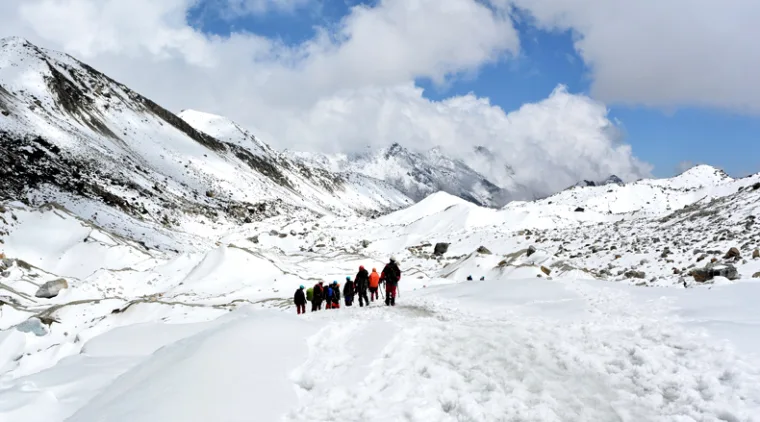
If Sandakphu shows you the range, Goechala puts you inside it. This is an 11-day, Difficult trek from Rs 23,500 in Sikkim, climbing to the Goechala View Point at around 4,940 m. The pre-dawn climb from Samiti camp delivers Kanchenjunga at a proximity that surprises even experienced trekkers — a wall of ice and rock filling most of the sky, lit pink and gold at first light. Campsites at Tsokha, Dzongri and Thansing are the classic overnight stops. November is prime time, but this is a serious altitude trek: proper acclimatisation, cold-weather gear and prior high-altitude experience are expected.
Sandakphu vs Goechala: which one fits you
| Detail | Sandakphu Phalut | Goechala |
|---|---|---|
| State | West Bengal | Sikkim |
| Duration | 6 days | 11 days |
| Difficulty | Easy | Difficult |
| Max altitude | 3,636 m | 4,940 m |
| Price | Rs 9,800 | Rs 23,500 |
| Stay | Guesthouses | Camping |
| Best for | First high-altitude trekkers, families | Experienced trekkers chasing Kanchenjunga |
Book the Sandakphu Phalut trek if you want the panorama without the altitude strain, or the Goechala trek if you have done a 4,000 m+ trek before and want the close-up. Not sure which grade fits? Our guide to choosing trek difficulty walks you through it.
What is NOT good about November
Honest expectations matter. November on these trails means: cold nights (0°C to -3°C at Sandakphu, colder at Goechala’s high camps); short daylight, so early starts; unseasonal snow risk — the 11–13 November western disturbance stranded vehicles around Sandakphu and closed some North Sikkim roads; and fewer open teahouses at Phalut as the season winds down. Goechala’s difficulty is real: altitude sickness is the main risk, and the itinerary is not a race. If you want a shorter northeast option with similar clarity, the Dzukou Valley trek (4 days, Rs 6,500) or the Northeast India treks in November post covers the full picture.
What to pack and how to prepare
For both treks: a 4-season or down sleeping bag, down jacket, fleece, thermal base layers, waterproof shell, gloves, beanie, sun protection (the ridge sun is fierce), and trekking poles for the descents. For Goechala, add a proper high-altitude layering system and acclimatisation days — do not fly in and climb straight away. Our high-altitude packing guide has the full list.
Frequently asked questions
Is November a good time for the Sandakphu Goechala trek?
Yes — November is widely considered the clearest month for Kanchenjunga views on both routes, with dry air and stable weather. The main caveat is cold nights and the small chance of an early-season storm, so check road status before departure.
Which is easier, Sandakphu or Goechala?
Sandakphu Phalut is graded Easy and runs 6 days to 3,636 m with guesthouse stays. Goechala is Difficult, runs 11 days and reaches 4,940 m with camping — it needs prior high-altitude experience.
How much does the Sandakphu Goechala trek cost?
Sandakphu Phalut is Rs 9,800 per person and Goechala is Rs 23,500 per person, both as listed on wdrlust.in, including permits, stays, meals and guide support.
Do I need permits for these treks?
Yes — both routes pass through national parks (Singalila NP for Sandakphu, Khangchendzonga NP for Goechala). Your trek operator arranges the entry permits as part of the package.
Read next: Nepal in November
If the Himalaya is calling but you want the other side of the range, see Nepal treks in November: Langtang, ABC and EBC compared — the last clear window before winter closes the high passes.
