
If you have trekked in Uttarakhand before and assumed the permit was a formality, this season is different. Checks have tightened at the Uttarkashi and Joshimath counters, insurance is being asked for on all treks, and medical fitness certification is now enforced on the harder routes — and on easier ones for trekkers over 50.
The mechanics matter because they cost time. A permit is issued per person, at an office with fixed hours, and a group that arrives after closing loses a day. This guide covers which Uttarakhand trek permits you actually need, what changed, and the one rule that has quietly altered several itineraries.
Why Uttarakhand trek permits exist at all
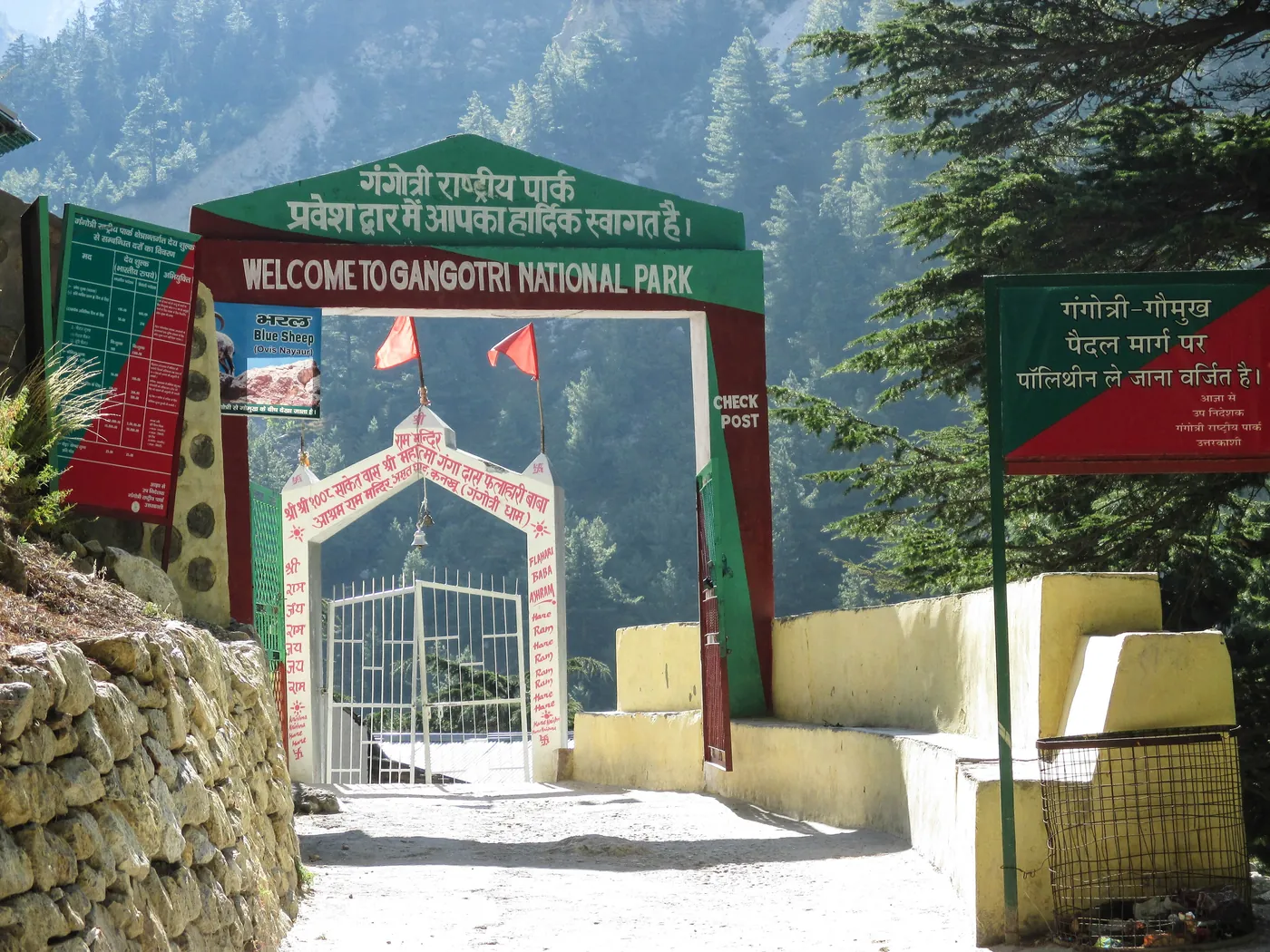
Almost every trekking corridor in the state passes through land the Uttarakhand Forest Department manages — Reserved or Protected Forest, a wildlife sanctuary, or a national park. Entry is regulated, and the forest or park permit is your basic lawful access document. It is not a fee for walking; it is the state knowing who is inside a protected area and when they are expected out.
Three areas account for most of the paperwork on our own departures: Gangotri National Park, Govind Pashu Vihar National Park and Wildlife Sanctuary, and the Kedarnath Wildlife Sanctuary. Each has its own issuing office and its own registration process.
| Trek | Protected area | Permit route | Price |
|---|---|---|---|
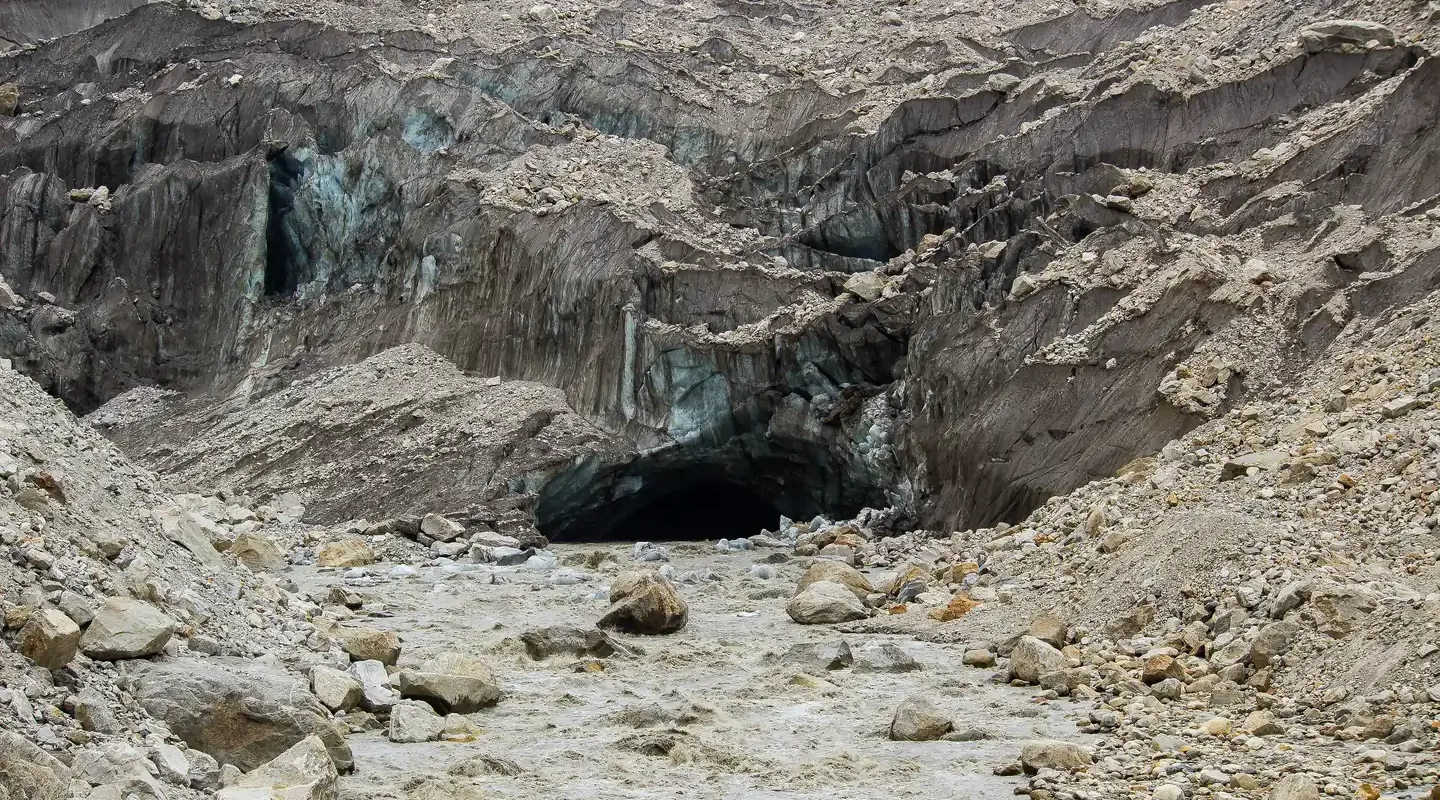
| Gaumukh–Tapovan (9 days) | Gangotri National Park | Park permit via Gangotri permit office / District Magistrate; medical fitness certificate required | Rs 14,000 |
| Kalindi Khal (13 days) | Gangotri National Park | Park permit with advance registration; the most heavily checked route on this list | Rs 32,500 |
| Har Ki Dun (7 days) | Govind Pashu Vihar NP / WLS | Prior registration and issued permit before entering the valley | Rs 11,500 |
| Bali Pass (8 days) | Govind Pashu Vihar NP / WLS | Same registration; the pass itself sits on the sanctuary boundary | Rs 15,500 |
| Roopkund (8 days) | Nanda Devi Biosphere buffer | Forest permit arranged locally at Lohajung before the Wan road head | Rs 14,500 |
| Pindari Glacier (8 days) | Nanda Devi Biosphere buffer | Forest permit at Bageshwar / Song side before Dhakuri | Rs 12,500 |
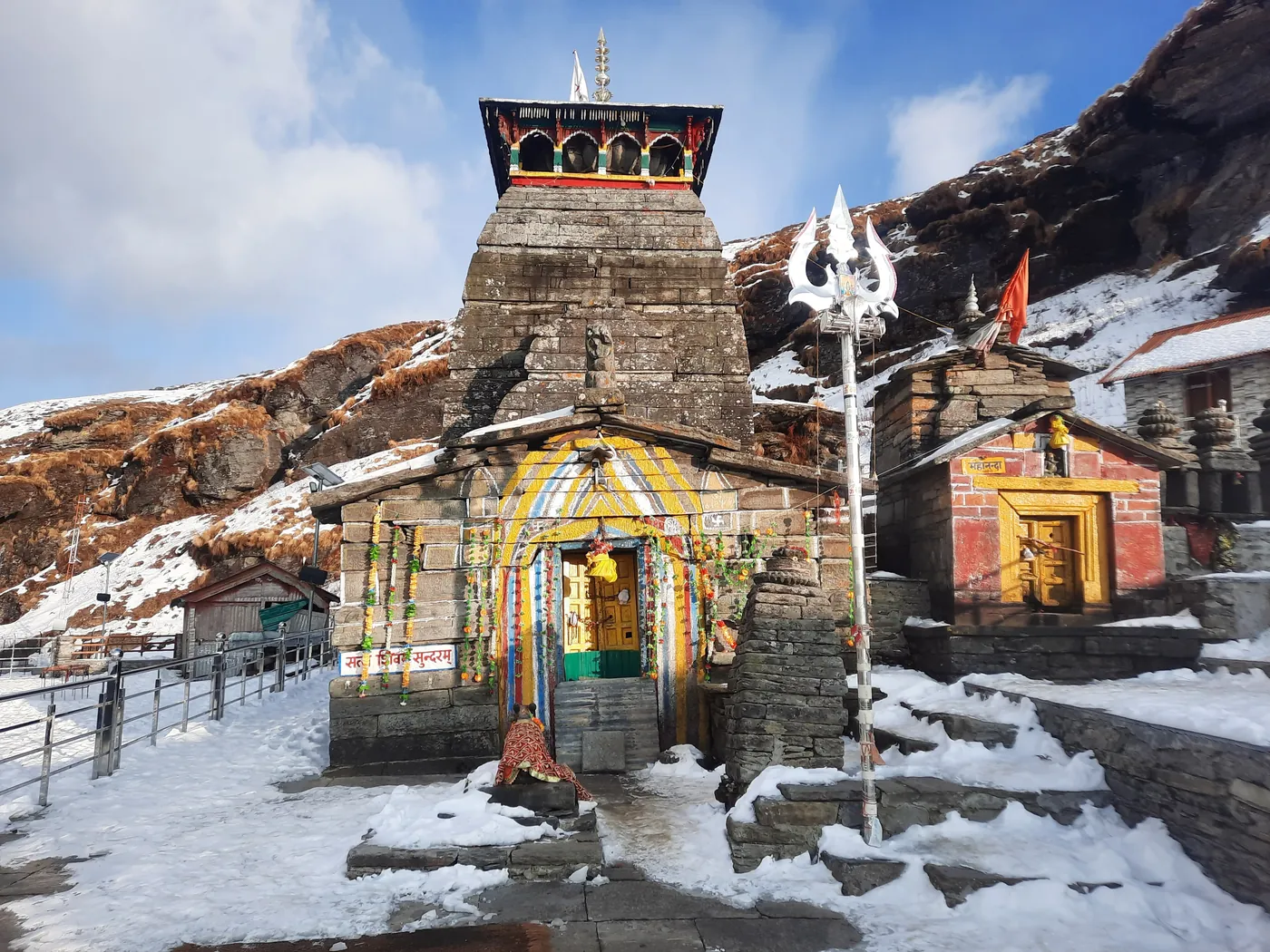
| Chopta–Chandrashila (4 days) | Kedarnath Wildlife Sanctuary | Sanctuary entry permit at the range office | Rs 6,500 |
| Deoriatal–Chandrashila (4 days) | Kedarnath Wildlife Sanctuary | Sanctuary permit; registration at Sari village | Rs 6,800 |
| Dayara Bugyal (4 days) | Uttarkashi forest division | Forest permit; medical fitness now checked for trekkers 50+ | Rs 6,200 |
| Nag Tibba (2 days) | Mussoorie forest division | Forest permit; the lightest paperwork of the Uttarakhand routes | Rs 3,200 |

What changed for the 2026 season
Insurance is being asked for on all treks. Not only the hard ones. Expect it to be checked at the Uttarkashi and Joshimath hubs, so carry the policy document, not a screenshot you cannot find offline.
Medical fitness is enforced on the difficult routes. Gaumukh–Tapovan and Kedartal now require certification, and the same is being asked of trekkers aged 50 and over even on routes like Dayara Bugyal and Dodital. A self-declaration is not what is being asked for.
The bugyal rule is absolute. No overnight camping on meadows anywhere in Uttarakhand. This is the change that has genuinely reshaped itineraries: treks that used to camp high on a bugyal now camp lower down, and the summit day gets longer as a result.
Drones are out. No drones in protected areas, and satellite phones and two-way satellite messengers need Department of Telecommunications permission. If you were planning to fly a drone on Dayara, leave it at home.
A permit is issued per person at an office with fixed hours. A group that reaches the counter after it closes does not trek the next morning — it loses the day.
What is not good about the new rules
None of this is unreasonable, and none of it is free.
Permits add cost and a day. The fee itself is modest; the day spent at a counter in Uttarkashi or Joshimath is not. On a short trek that day is a meaningful share of the trip.
Self-organising got harder. Independent trekkers who used to walk in and sort it out at the road head now need registration, insurance and, on the hard routes, a medical certificate before they leave the city.
Some itineraries are simply longer now. The bugyal rule pushes camps off the meadows, and on Dayara and the Chandrashila routes that means more climbing on the summit morning. Read the day-by-day before you compare two operators on price.
Nothing here is permanent. These are live district practices, not a statute you can look up once. Confirm at the range office a week before you travel — the published rules and the counter on the day are not always identical.
Which Uttarakhand treks are still straightforward
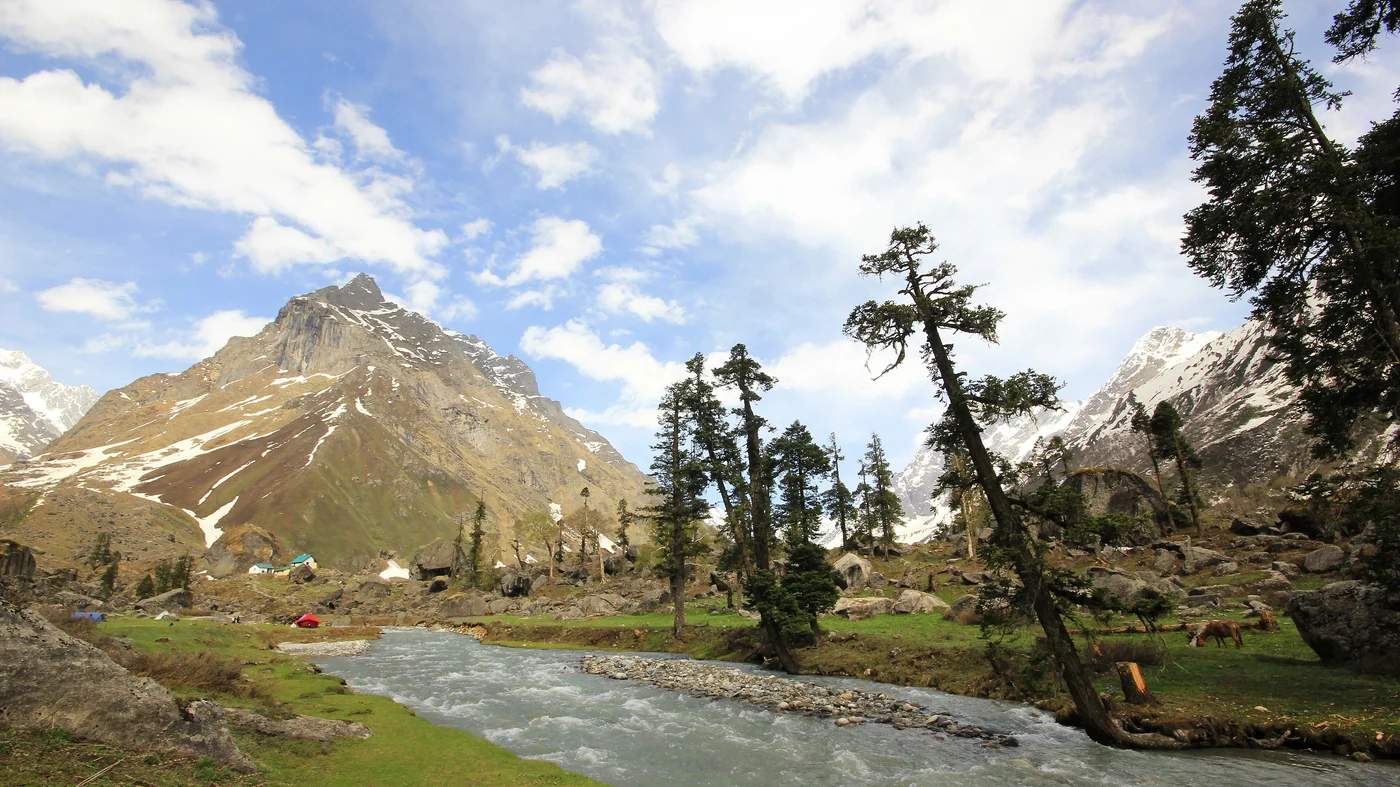
Not everything has become difficult. Nag Tibba is two days, Rs 3,200 and the lightest paperwork in the state. Dayara Bugyal at Rs 6,200 needs only a forest permit — but brings the fitness check for older trekkers. Chopta–Chandrashila at Rs 6,500 needs a sanctuary permit and nothing more, which makes it the best-value introduction to the system.
The heavy end is where planning matters most. Gaumukh–Tapovan is a national park entry with a medical certificate and a daily cap. Kalindi Khal is the same park with far more scrutiny. Har Ki Dun and Bali Pass both need Govind Pashu Vihar registration in advance, and Roopkund needs the Nanda Devi buffer permit sorted at Lohajung before the road head.
If this is your first Himalayan season, read our high-altitude packing guide alongside this — the permit gets you in, the gear keeps you comfortable once you are.
Frequently asked questions
Do I need a permit for every Uttarakhand trek?
Almost all of them. The trekking corridors here run through Reserved or Protected Forest, wildlife sanctuary or national park land administered by the Uttarakhand Forest Department, and the forest or park permit is the basic document that makes your walking lawful. Treks that stay on village land with no protected-area crossing are the exception, not the rule.
Which treks need a Gangotri National Park permit?
Gaumukh–Tapovan is the big one: entry is by trek permit issued through the Gangotri permit office and the District Magistrate. Kedartal sits under the same park. The park also runs daily caps and fixed timings, which is why these routes cannot be joined at short notice.
Is insurance now mandatory?
In Uttarkashi district it is being asked for on all treks at the check points, and medical fitness certification is being enforced on the harder routes — Gaumukh–Tapovan and Kedartal — and for trekkers aged 50 and over even on easier routes such as Dayara Bugyal and Dodital. Treat it as required and carry the paperwork.
Can we camp on a meadow?
No. Overnight camping on bugyals is prohibited across Uttarakhand. On treks that used to camp high on a meadow, itineraries now camp lower, which can lengthen the summit day.
Read next
Not ready for the permit paperwork? November long weekend treks: 6 picks under Rs 6,000 covers the routes that need no national park entry at all.
