
Ladakh in winter is the opposite of the Ladakh most people picture. The tour buses are gone, the passes are shut, and the light is extraordinary — but the treks that remain open are a much shorter list than the summer brochures suggest, and choosing the wrong one in November or December is genuinely uncomfortable rather than merely hard. This guide covers the Ladakh winter treks we actually run, what each one demands, and which ones you should not attempt yet.
Four routes, four very different propositions: Sham Valley for first-timers, Markha Valley for fit walkers, Stok Kangri for those chasing a summit, and the Chadar for the frozen-river experience.
What Ladakh in winter is actually like
Leh sits at about 3,500 m. In November the daytime temperature is often a pleasant 8–12°C in the sun, but the moment the sun drops behind the ridge — which happens early, around 4:30 pm — it falls to well below freezing. By December, nights in Leh routinely hit −10 to −15°C, and in the Zanskar gorge, where the Chadar runs, −20 to −25°C is normal.
That reshapes everything. You are not managing the walking; you are managing the cold, the short daylight window, and the altitude, in that order.
What is not good about a Ladakh winter trek: the days are short, several routes and homestays close entirely, and a single delayed flight into Leh can cost you two days of acclimatisation. If you have less than a week, Ladakh in winter is the wrong choice.
The four Ladakh winter treks, compared
| Trek | Max altitude | Duration | Grade | Price | Who it suits |
|---|---|---|---|---|---|
| Sham Valley | ~3,700 m | 4 days | Easy | ₹8,500 | First-timers, families |
| Markha Valley | 5,260 m | 8 days | Moderate | ₹19,500 | Fit walkers, village life |
| Stok Kangri | 6,153 m | 9 days | Difficult | ₹26,500 | Experienced, summit-focused |
| Chadar (frozen Zanskar) | ~3,500 m | 9 days | Difficult | ₹21,000 | Cold tolerance, no ice experience needed |
Sham Valley: the one to start with
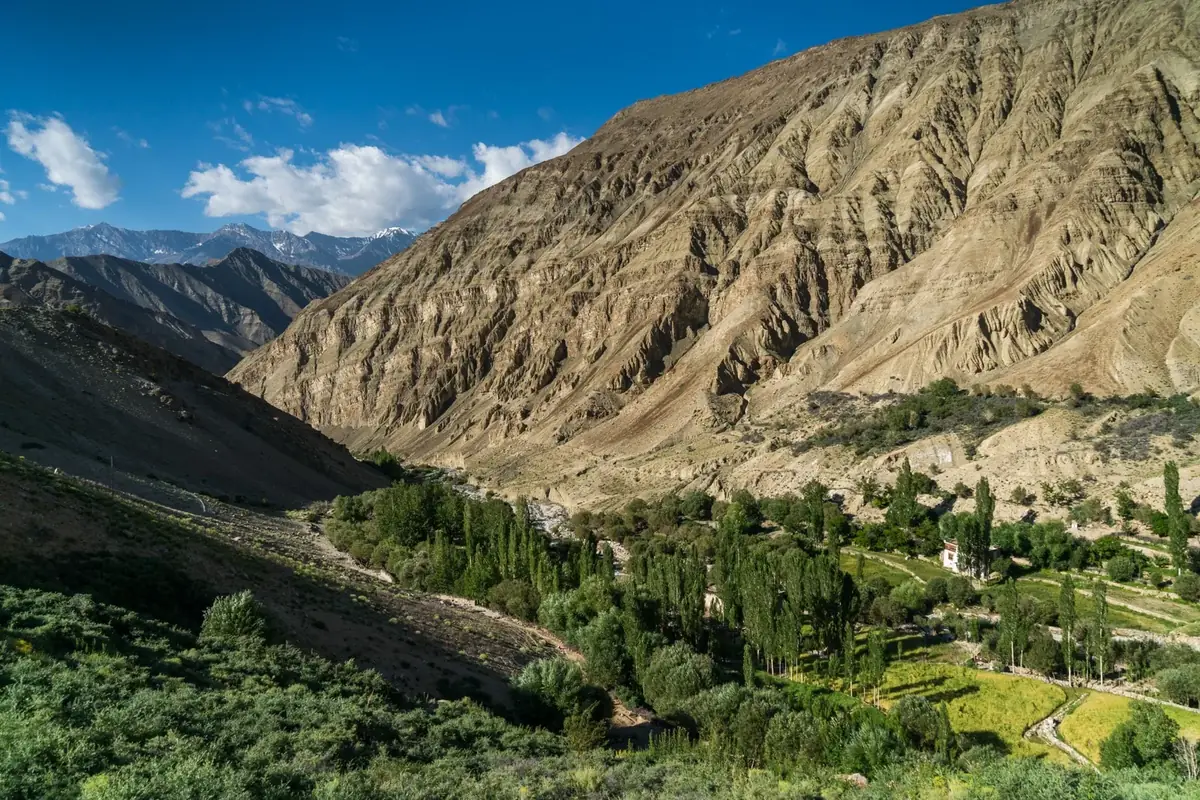
The Sham Valley Trek runs 4 days, graded Easy, from ₹8,500 per person, and it is one of the very few genuine Ladakhi treks suitable for families, older trekkers, or complete first-timers to high-altitude walking. “Sham” refers to the lower, sun-facing side of the Indus Valley downstream from Leh — which is exactly why it works in winter. You are walking village to village, sleeping in homestays, and rarely climbing above 3,700 m.
Where Markha Valley and Stok Kangri demand serious altitude tolerance and multi-day exposure above 4,500 m, Sham Valley stays comfortably within reach.
Honest caveat: this is a cultural trek, not a wilderness one. If you want solitude and big mountain passes, Sham Valley will feel gentle. It is also the trek most affected by homestay closures in deep winter.
Markha Valley: the classic, in cold
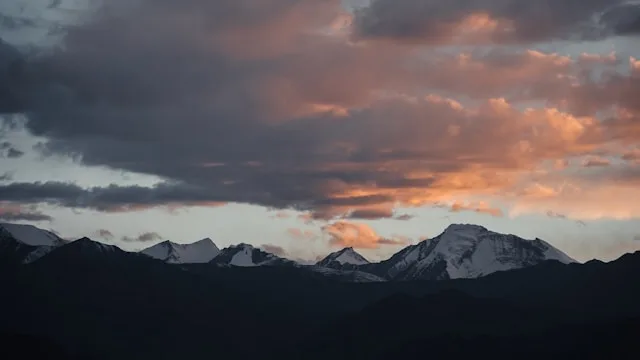
The Markha Valley Trek is 8 days, graded Moderate, from ₹19,500 per person. It begins at Chilling or Zingchen near Leh, crosses the Ganda La early, drops into the Markha valley proper, and then crosses its second and higher pass, Kongmaru La, at 5,260 m — a demanding but non-technical climb with views back over the valley and forward to the Indus, and the Karakoram faintly visible on exceptionally clear days.
In winter the valley is quiet in a way it never is in July. The villages thin out, the homestays that stay open are the ones run by families who live there year-round, and the light on the passes is the best you will get.
Honest caveat: 5,260 m in winter is a serious proposition. Kongmaru La can be wind-scoured and the descent is on hard snow. This is not a trek to attempt as your first Himalayan outing.
Stok Kangri: the summit objective
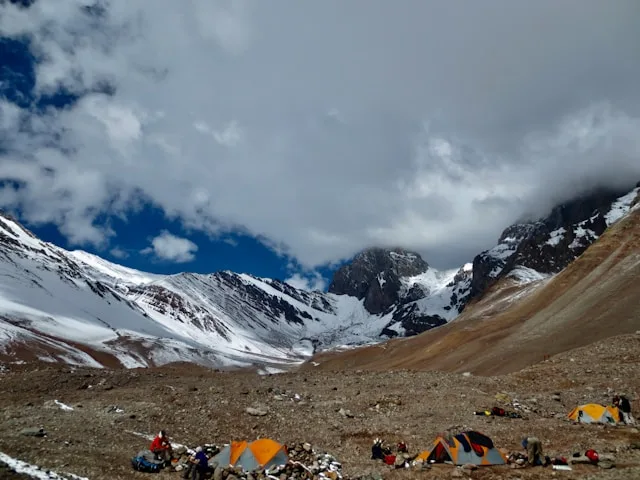
The Stok Kangri Expedition runs 9 days, graded Difficult, from ₹26,500 per person, topping out at 6,153 m. Unlike valley-floor treks that gain altitude gradually, this route front-loads its acclimatisation requirement — you typically spend two to three nights in Leh before even starting, because the trailhead above Stok village already sits above 3,600 m and the summit is more than two and a half kilometres higher.
Honest caveat: winter is not the season most people climb Stok Kangri, and for good reason — the summit window is narrow, the cold is severe, and the margin for error is small. If a 6,000 m summit is your goal, the pre-monsoon season is the sensible choice. Book this in winter only if you have real high-altitude form.
Chadar: walking on the frozen Zanskar
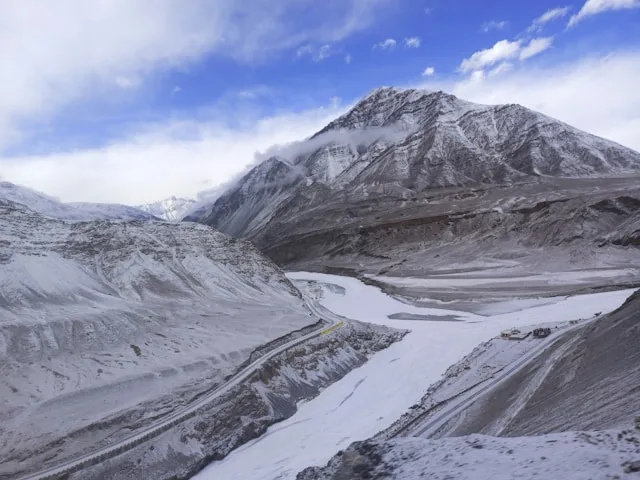
The Chadar Trek — Frozen Zanskar River is 9 days, graded Difficult, from ₹21,000 per person. For roughly six to eight weeks each year, when temperatures in the Zanskar gorge plunge well below freezing, the fast-flowing river freezes into a sheet — locally called the “Chadar”, meaning blanket — thick enough in places to walk on.
You fly into Leh and spend at least two full days acclimatising to 3,500 m before the drive to Chilling, because the trek adds cold stress on top of thin air. Altitude illness, not the ice, is the main risk — walk slowly and report a persistent headache early.
Honest caveat: the Chadar is not a fixed route. The ice forms, breaks and changes colour every few hours, and in places it does not form at all — you climb over snow-covered embankments to find a spot where it is stable. Some days you walk 12 km; some days you wait. If you need a trek that goes to plan, this is not it. It also requires a medical certificate and the relevant Ladakh permits, and the season is short and weather-dependent.
Which Ladakh winter trek should you book?
First time at altitude, or travelling with family: Sham Valley. Fit, experienced, want the classic valley: Markha Valley. Chasing a 6,000 m summit and you have the form: Stok Kangri. Want the one experience you cannot get anywhere else in India: the Chadar.
Before any of them, read our guide to choosing the right trek difficulty and the high-altitude packing list — the layering advice matters far more in Ladakh in November than it does in the Himalaya in May.
The single most common reason people have a bad Ladakh winter trek is not fitness. It is arriving in Leh and starting the trail two days later because a flight was cancelled. Build a buffer day into the front of the trip, every time.
Frequently asked questions
Can you trek in Ladakh in November?
Yes, on selected routes. Sham Valley, Markha Valley and the Chadar season run through the cold months, while high passes and many summer treks close. Expect short days, severe cold after sunset, and a much smaller list of open homestays.
How cold does it get on a Ladakh winter trek?
Leh nights fall to about −10 to −15°C in December. In the Zanskar gorge on the Chadar, −20 to −25°C is normal. Daytime in the sun can still reach 8–12°C, which is why layering matters more than any single heavy jacket.
Do I need previous high-altitude experience?
For Sham Valley, no. For Markha Valley, you should have trekked above 4,000 m before. For Stok Kangri and the Chadar, prior high-altitude experience is effectively required, along with a medical certificate for the Chadar.
Which is harder, Stok Kangri or the Chadar?
They are hard in different ways. Stok Kangri is physically demanding with a sustained summit push to 6,153 m. The Chadar is less about climbing and more about cold endurance, unpredictable ice and long days at low temperatures.
Is the Chadar Trek suitable for beginners?
No. It is graded Difficult, requires a medical certificate and permits, and the conditions change daily. It suits trekkers with cold-weather experience and a high tolerance for uncertainty.
What to read next
If you are weighing Ladakh against a shorter winter option, our guide to Sahyadri night treks covers the low-altitude alternative that works right through November. For the wider winter picture, see Uttarakhand winter treks.
Mountain weather and road status change quickly. Check the India Meteorological Department forecast and confirm permit requirements with the Ladakh administration before departure.
