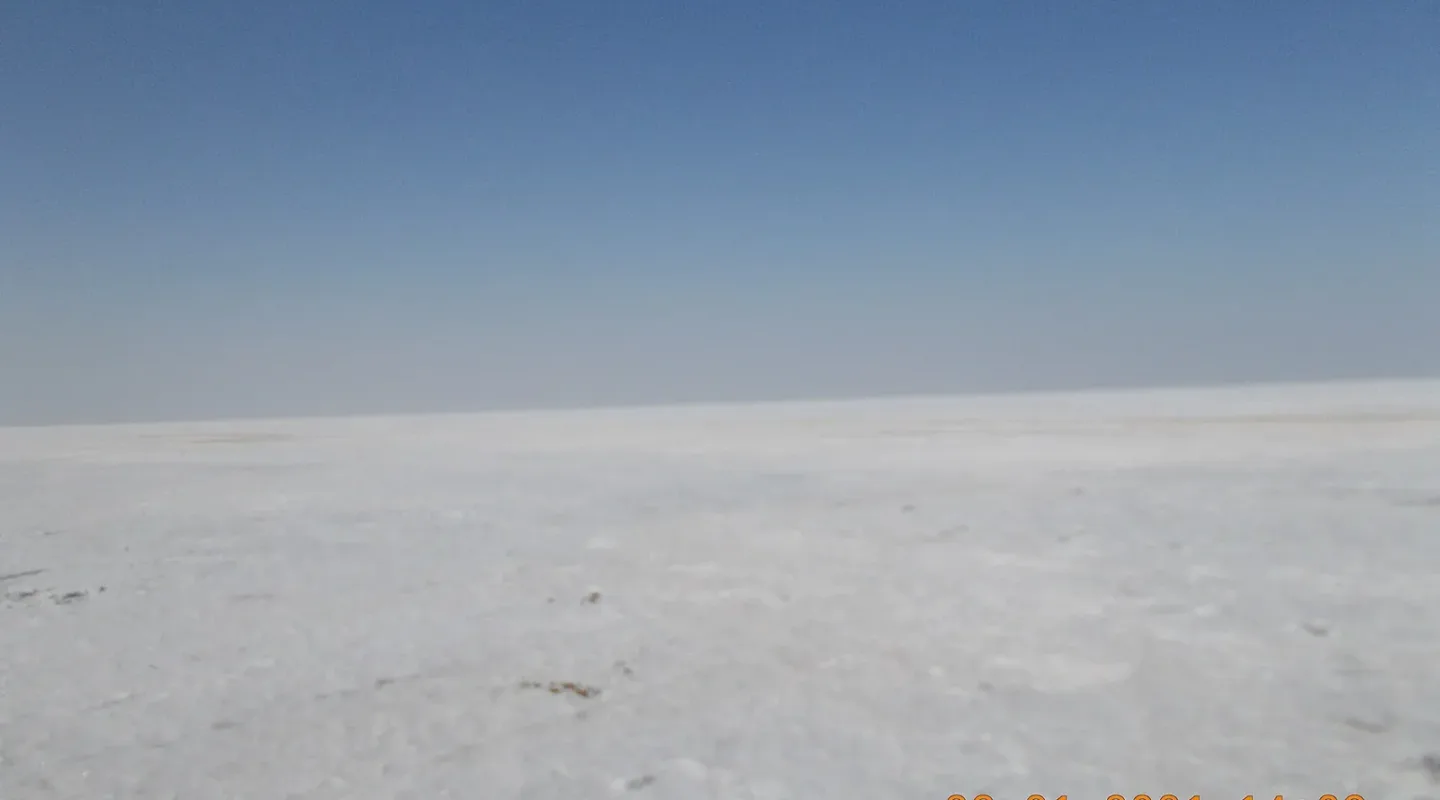

The Rann Utsav Kutch season opened on 1 November 2026 and runs to 7 March 2027, with the Tent City at Dhordo operating throughout. The full-moon window of 22 to 25 November is the one most people aim for, because on those nights the salt crust reflects enough light to walk out onto the White Rann without a torch. It is also the most expensive and most crowded four nights of the season, which is worth knowing before you book.
What the Rann Utsav Kutch actually is
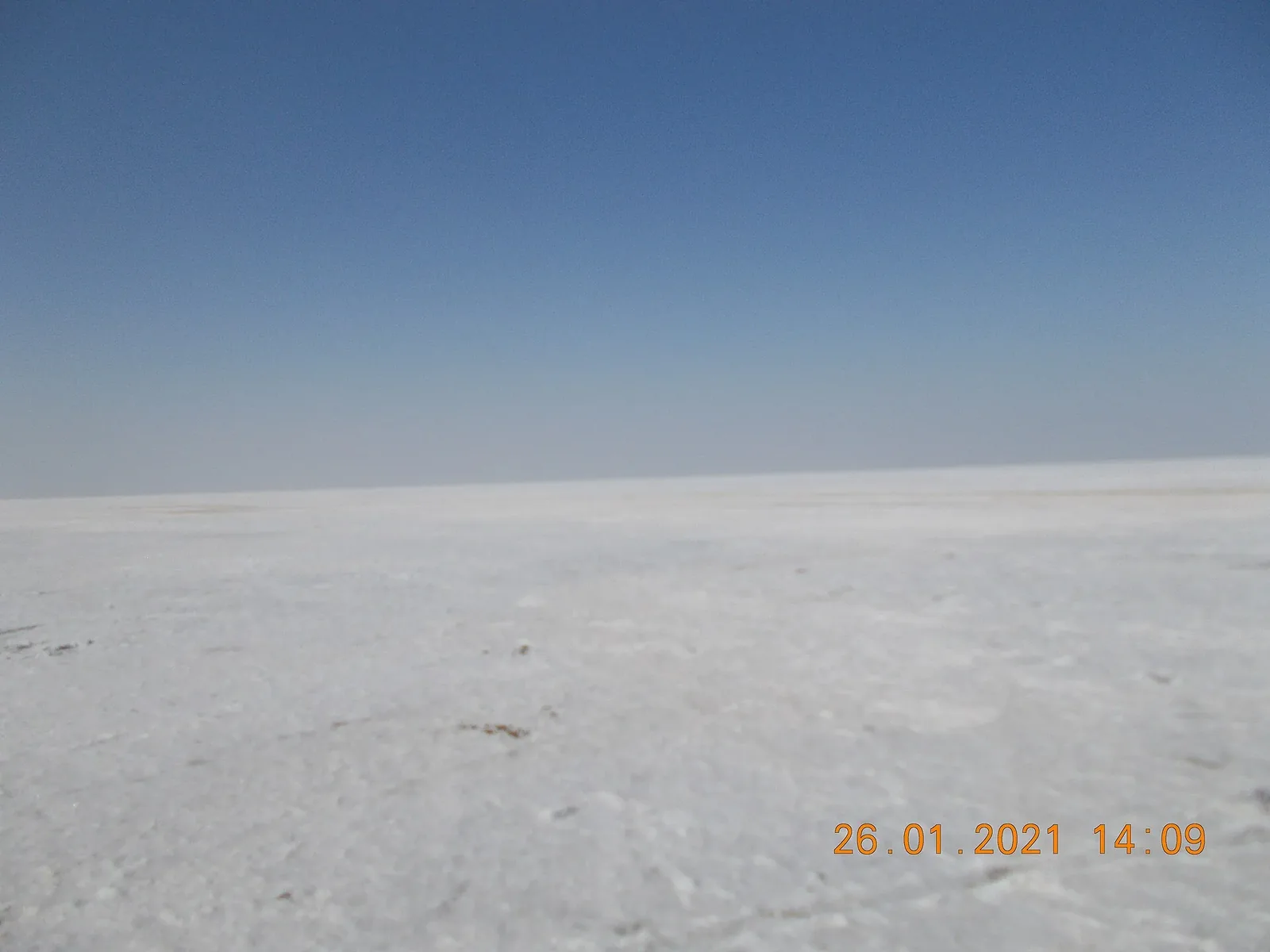
The Rann Utsav is Gujarat’s white-desert festival, held each season at Dhordo on the edge of the Great Rann of Kutch, one of the largest salt deserts in the world. The Tent City is run under Gujarat Tourism and it is a full packaged resort: luxury tents, a craft bazaar, Kutchi folk music and dance every evening, and a food operation that runs from a Gujarati thali to regional Kutchi specialities.
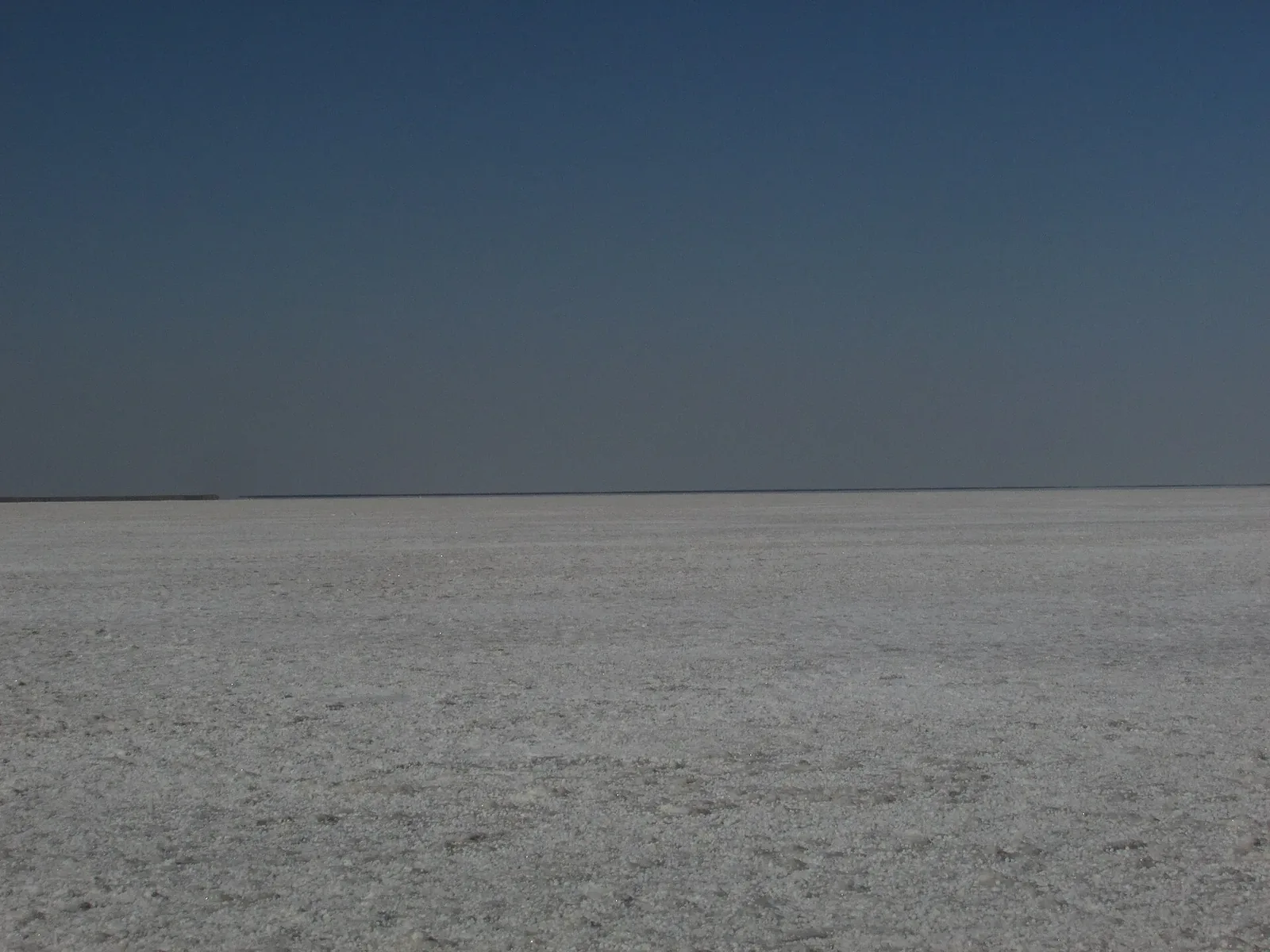
The salt flats themselves are a seasonal phenomenon rather than a permanent landscape. For most of the year the Rann is a shallow flooded marsh. It dries through the winter into the cracked white crust that gives the region its name, and by February the crust is at its most solid and most reflective. Dhordo is about 90 kilometres from Bhuj, roughly two hours by road, and it is the gateway village to the White Rann.
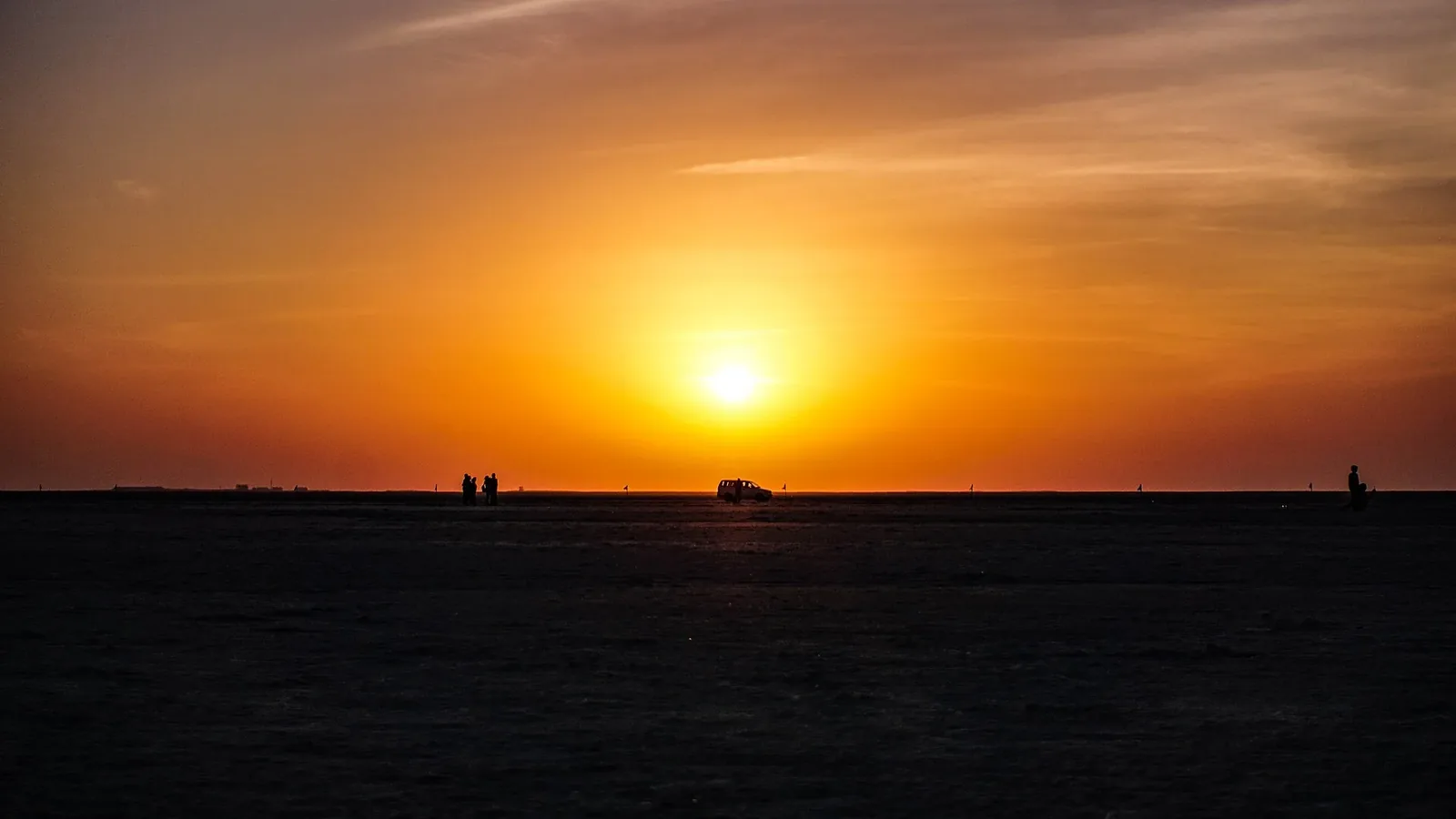
Days here are built around light. You drive out onto the salt at sunrise and again at sunset, and between those two windows you have the Tent City. That rhythm is the whole trip, and it is worth understanding before you arrive expecting dunes.
Rann Utsav Kutch dates and the full-moon calendar
The 2026-27 season runs 1 November 2026 to 7 March 2027. The published full-moon periods are 22 to 25 November 2026, 21 to 24 December 2026, 20 to 23 January 2027 and 18 to 21 February 2027. The dark-moon nights, 8 December, 7 January and 6 February, are the ones to pick if you want stars rather than moonlight, and they are considerably quieter.
The season calendar and Tent City rates are published by Gujarat Tourism, and the full-moon blocks are the first to sell out.
Rates at the Tent City are not flat across the season. Full-moon nights carry a premium and sell out first, the Christmas-to-New-Year block is the second peak, and the ordinary weeknights in January are the cheapest and least crowded. If your dates are flexible, a January weeknight gives you the same salt flat with a fraction of the people.
The 4-day Rann Utsav Kutch tour, day by day
Our Rann Utsav Kutch tour runs 3 nights and 4 days out of Ahmedabad, graded Easy, from Rs 7,200 per person, with a maximum group of 20. The route is Ahmedabad to Bhuj, on to Dhordo and the White Rann, out to Kala Dungar, and back through Bhuj to Ahmedabad.
Bhuj is the base for the district’s craft villages and the Aina Mahal, and it is where you feel how far Kutch is from the rest of Gujarat. Kala Dungar, the black hill, is the highest point in Kutch and looks straight out over the salt; it is a drive to a viewpoint rather than a climb, and on a clear day you can see the white plain running to the horizon on both sides.
Rann Utsav Kutch compared with the other Gujarat and Rajasthan options
Kutch is usually sold on its own, but it pairs well with the Aravalli forts if you have a week. The comparison below is on the numbers we actually run.
| Trip | Duration | Grade | High point | From |
|---|---|---|---|---|
| Rann Utsav Kutch | 4 days | Easy | Sea level salt flat | Rs 7,200 |
| Kumbhalgarh Fort Trek | 2 days | Easy | 1,100 m | Rs 4,200 |
| Guru Shikhar Trek | 1 day | Easy | 1,722 m | Rs 1,500 |
The Kumbhalgarh Fort trek walks a stretch of a wall that runs close to 36 kilometres along the Aravalli ridge, which makes it one of the longest continuous defensive walls in the world after the Great Wall. The Guru Shikhar trek is a half-day to the highest point of the Aravallis at 1,722 metres, on rock that predates the Himalaya by hundreds of millions of years. Neither needs altitude preparation, and both work as add-ons to a Kutch trip via Ahmedabad.
What is not good about the Rann Utsav Kutch
This is the part the brochures leave out.
The White Rann is a salt flat, not a sand desert. There are no dunes to run down, no camel silhouettes on ridges, and no shade anywhere on the crust. Photographs make it look like the Sahara; it is closer to a frozen lake that happens to be white. Early in the season, before the crust fully dries, parts of it are wet and slightly slimy underfoot, and the “white” is only white when it is dry and the light is right.
The Tent City is a packaged resort, not wilderness camping. It is comfortable, it is also a few thousand people in one place, and the evening cultural programme is a stage show. Full-moon nights are the busiest of the year, so the very nights people most want are the ones where the salt flat has the most people on it. December and January nights fall to around 5 to 8 degrees Celsius and the tents are not heated. And the Rann is an ecologically sensitive zone with vehicle restrictions, so you cannot drive wherever you like on the crust.
Go for the light, not for the desert. The Rann is at its best twenty minutes either side of sunrise and sunset, and flat and featureless at noon.
Pairing the Rann Utsav Kutch with a trek
Because the Kutch trip is graded Easy and sits at sea level, it stacks cleanly with a short Aravalli walk on the way back through Gujarat and Rajasthan. If you are weighing up how much walking you actually want, our guide to choosing trek difficulty explains what each grade costs you in hours on the trail.
And if you would rather spend the same December fortnight in the mountains than on a salt flat, the Hornbill Festival in Nagaland runs 1 to 10 December on exactly the same dates.
Rann Utsav Kutch: frequently asked questions
When is the best time to visit the Rann Utsav Kutch?
Late December to February gives the driest crust and the clearest light. The full-moon windows of 21-24 December, 20-23 January and 18-21 February are the most popular; January weeknights are the quietest and cheapest.
Is the Rann Utsav Kutch suitable for children and older travellers?
Yes. The tour is graded Easy, the altitude is sea level, and the walking on the salt flat is flat and short. The main discomfort is the cold at night in December and January.
How far is Dhordo from Bhuj?
About 90 kilometres, roughly two hours by road. Bhuj is the nearest town with an airport and railhead, and it is where the craft villages and the Aina Mahal are.
Can you walk on the White Rann at night?
On the nights around the full moon, yes, and that is the reason those dates sell out. The crust reflects enough light to walk without a torch. Outside the full-moon window you need a torch and the experience is much less striking.
