
Moderate

Mcleodganj Triund Trek
Mcleodganj Triund Trek If you're seeking an enchanting trek in the heart of Himachal Pradesh, the McLeodganj Triund…
Spiti Valley Trip From Delhi runs 9 days in Himachal Pradesh, graded Moderate, from Rs 14,999 per person.
Best Time to Visit Spiti Valley The ideal time to visit Spiti depends on what you’re looking for: Summer (May–October) : Perfect for road trips, trekking, and sightseeing. Spiti Valley The Land of Raw Beauty and High-Altitude Adventures Introduction Nestled in the cold desert of Himachal Pradesh, Spiti Valley is a mesmerizing blend of untouched landscapes, ancient monasteries, and a culture that thrives amidst the harshest conditions. Adventure Activities in Spiti Valley Spiti offers more than just sightseeing—it’s a hub for adventure lovers: Trekking – Popular trails include Pin Parvati Trek, Dhankar Lake Trek, and Chandratal Trek . Traditional Spitian Food : Thukpa (noodle soup) Tingmo (steamed bread) Butter Tea (a salty tea made with yak butter) Chhang (local barley beer) Travel Tips for Spiti Valley Acclimatization is Key – Spiti is at a high altitude, so give your body time to adjust to avoid altitude sickness. Key Monastery – A Spiritual Wonder Perched at 13,668 feet , Key Monastery is the largest and oldest Tibetan Buddhist monastery in Spiti. Pin Valley National Park – A Haven for Wildlife Lovers If you’re lucky, you might spot a snow leopard in Pin Valley National Park, a protected area known for its rare Himalayan flora and fauna. Via Manali (The High-Pass Adventure Route) Open only from mid-June to October due to snowfall. Most travelers prefer entering from Shimla and exiting via Manali to complete the Spiti Circuit , ensuring a well-rounded experience of the valley. Dhankar Monastery – A Castle in the Mountains Dhankar Monastery is dramatically perched on a cliff, overlooking the confluence of the Spiti and Pin Rivers.
The Spiti Valley Trip From Delhi is graded Moderate, and on a trip of this kind the effort is in the days of travel and walking rather than in any single climb.
The published window for the Spiti Valley Trip From Delhi is summer (May–October) : Perfect for road trips, trekking, and sightseein. Outside that window the Spiti Valley Trip From Delhi becomes a different landscape rather than simply worse weather.
The Spiti Valley Trip From Delhi assembles at Delhi, and the day numbering runs from that point. Reporting times and the exact pickup point for the Spiti Valley Trip From Delhi are confirmed on booking.
The Spiti Valley Trip From Delhi suits people who already walk but have not necessarily trekked, since its 9 days ask for stamina rather than skill. A fit beginner who prepares gets through the Spiti Valley Trip From Delhi; someone treating it as a stroll does not. Solo travellers move inside a led group on the Spiti Valley Trip From Delhi, so the pace is collective rather than personal.
The Spiti Valley Trip From Delhi runs over 9 days, and the days are built around travel, sightseeing and the places named in the itinerary rather than a single objective. Because the Spiti Valley Trip From Delhi is a fixed departure, the order of stops is set by the operator and can shift if a road or a site is closed.
Expect early starts on the Spiti Valley Trip From Delhi, because the driving legs are long and the stops are timed to reach each place before it closes. Carry a day bag on the Spiti Valley Trip From Delhi for the hours between stops, and keep the main luggage in the vehicle.
The Rs 14,999 price of the Spiti Valley Trip From Delhi covers accommodation on the itinerary, the listed meals, a certified leader with support crew, applicable permits and entry fees, and the safety equipment carried. Excluded from the Spiti Valley Trip From Delhi are travel to the assembly point unless the itinerary says otherwise, personal kit and clothing, insurance, and anything the inclusions list does not name.
Stargazing & Astrophotography – With minimal light pollution, Spiti is perfect for stargazing and capturing the Milky Way. Often referred to as the “Middle Land” because of its location between Tibet and India, Spiti is an adventurer’s paradise, offering an experience unlike any other in the Himalayas. The Route to Spiti: A Journey Like No Other Reaching Spiti is an adventure in itself, with two main routes offering different experiences. Respect Local Culture – Spiti is home to Tibetan Buddhist communities, so be mindful of traditions and customs. For those seeking raw beauty, cultural depth, and thrilling high-altitude adventures, Spiti Valley is a destination that promises more than just breathtaking views—it delivers a journey into the soul of the mountains. Passes through Narkanda, Reckong Peo, and Kinnaur before entering Spiti. Monsoon (July–September) : Spiti itself doesn’t receive much rain, but the route via Shimla can experience landslides. Chandratal Lake – The Moon Lake Located at 14,100 feet , Chandratal is one of the most beautiful lakes in the Himalayas. Hikkim – Home to the World’s Highest Post Office At 14,567 feet , Hikkim is famous for housing the world’s highest post office. River Rafting – The Spiti River offers challenging rapids with breathtaking scenery. Via Shimla (The Hindustan-Tibet Highway Route) Open throughout the year (except during heavy snowfall). Built in the 11th century, this stunning whitewashed structure clings to a cliff and offers panoramic views of the Spiti River. Fuel Up – The last fuel station before Spiti is in Kaza , so plan accordingly. Pack for All Weather – Even in summer, temperatures drop at night.
Browsing by region or activity is often faster than reading individual pages, so start with Himachal Pradesh and Trekking. The closest alternatives to the Spiti Valley Trip From Delhi are Mcleodganj Triund Trek, Bhrigu Lake Trek and Beas Kund Trek, which suit anyone comparing dates or a slightly different grade.
Spiti Valley The Land of Raw Beauty and High-Altitude Adventures
Introduction
Nestled in the cold desert of Himachal Pradesh, Spiti Valley is a mesmerizing blend of untouched landscapes, ancient monasteries, and a culture that thrives amidst the harshest conditions. Often referred to as the “Middle Land” because of its location between Tibet and India, Spiti is an adventurer’s paradise, offering an experience unlike any other in the Himalayas.
For those seeking raw beauty, cultural depth, and thrilling high-altitude adventures, Spiti Valley is a destination that promises more than just breathtaking views—it delivers a journey into the soul of the mountains.
The Route to Spiti: A Journey Like No Other
Reaching Spiti is an adventure in itself, with two main routes offering different experiences.
Via Shimla (The Hindustan-Tibet Highway Route)
Open throughout the year (except during heavy snowfall).
Passes through Narkanda, Reckong Peo, and Kinnaur before entering Spiti.
A gradual ascent helps travelers acclimatize better to the high-altitude conditions.
Via Manali (The High-Pass Adventure Route)
Open only from mid-June to October due to snowfall.
Includes crossing Rohtang Pass (13,050 ft) and Kunzum Pass (15,060 ft), making it a thrilling yet challenging route.
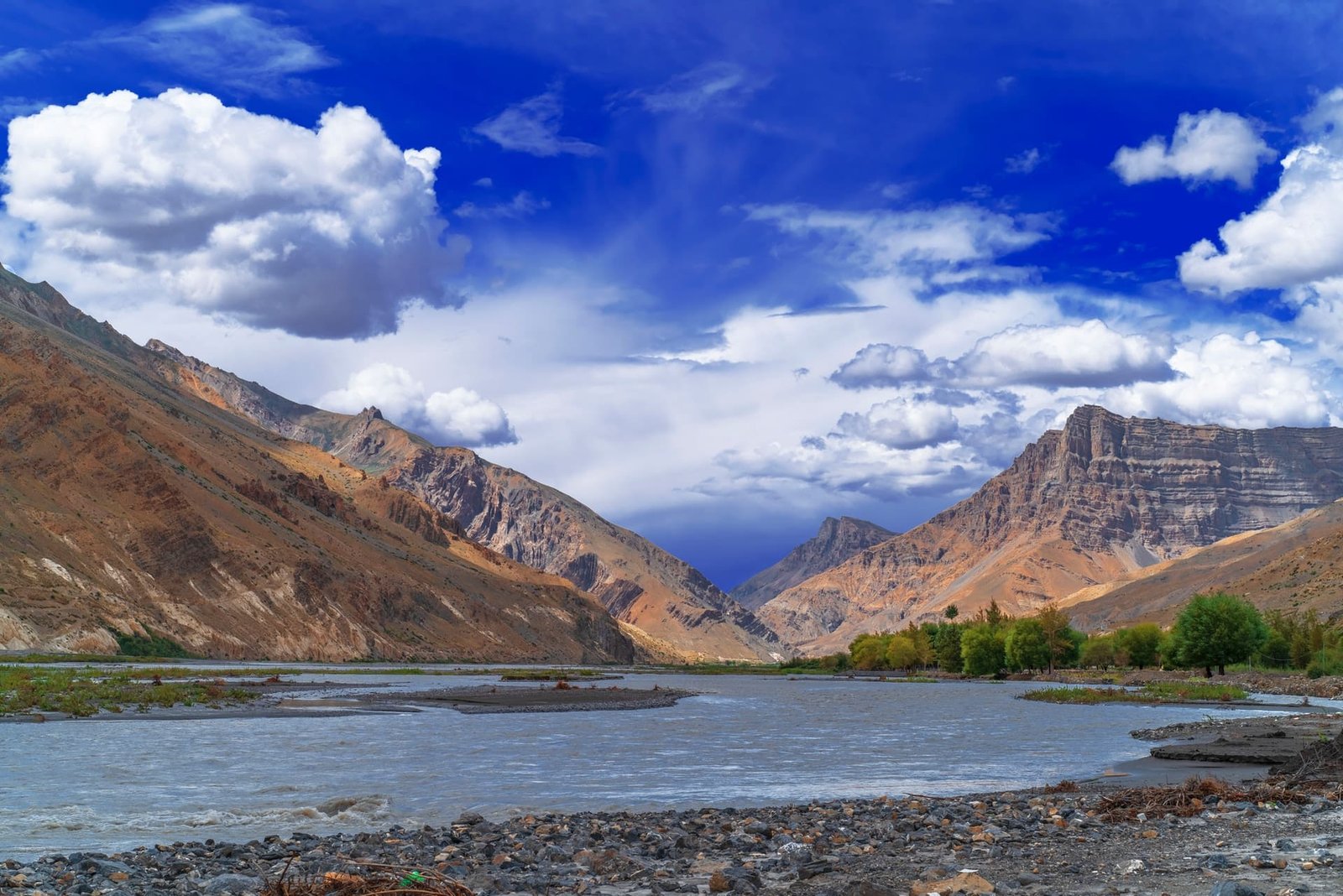
Offers dramatic landscapes right from the start, with barren mountains and gushing rivers.
Most travelers prefer entering from Shimla and exiting via Manali to complete the Spiti Circuit, ensuring a well-rounded experience of the valley.
Best Time to Visit Spiti Valley
The ideal time to visit Spiti depends on what you’re looking for:
Summer (May–October): Perfect for road trips, trekking, and sightseeing. The weather is pleasant, and most places are accessible.
Winter (November–April): Ideal for those seeking solitude and snow-covered landscapes. However, roads from Manali remain closed, and only the Shimla route is open.
Monsoon (July–September): Spiti itself doesn’t receive much rain, but the route via Shimla can experience landslides.
Must-Visit Places in Spiti Valley
1. Key Monastery – A Spiritual Wonder
Perched at 13,668 feet, Key Monastery is the largest and oldest Tibetan Buddhist monastery in Spiti. Built in the 11th century, this stunning whitewashed structure clings to a cliff and offers panoramic views of the Spiti River. It’s a must-visit for anyone looking to experience Tibetan culture and witness the daily lives of monks.
2. Chandratal Lake – The Moon Lake
Located at 14,100 feet, Chandratal is one of the most beautiful lakes in the Himalayas. The lake changes colors throughout the day, from deep blue in the morning to emerald green by afternoon. Camping here under a sky full of stars is a magical experience.
3. Hikkim – Home to the World’s Highest Post Office
At 14,567 feet, Hikkim is famous for housing the world’s highest post office. Sending a postcard from here is a unique experience, and the village also offers stunning views of the surrounding mountains.
4. Komic – The Highest Village in the World
Komic, at 15,027 feet, is one of the highest motorable villages in the world. The Tangyud Monastery here is one of the highest monasteries on Earth, and the village provides a glimpse into the simple yet tough lives of the locals.
5. Dhankar Monastery – A Castle in the Mountains
Dhankar Monastery is dramatically perched on a cliff, overlooking the confluence of the Spiti and Pin Rivers. This monastery was once the seat of the Spitian King and is an architectural marvel that has stood the test of time.
6. Pin Valley National Park – A Haven for Wildlife Lovers
If you’re lucky, you might spot a snow leopard in Pin Valley National Park, a protected area known for its rare Himalayan flora and fauna. The valley is home to ibex, red foxes, and Himalayan wolves.
Adventure Activities in Spiti Valley
Spiti offers more than just sightseeing—it’s a hub for adventure lovers:
Trekking – Popular trails include Pin Parvati Trek, Dhankar Lake Trek, and Chandratal Trek.
Mountain Biking – Ride through some of the world’s highest motorable roads.
River Rafting – The Spiti River offers challenging rapids with breathtaking scenery.
Camping – Experience high-altitude camping at Chandratal and Kaza.
Stargazing & Astrophotography – With minimal light pollution, Spiti is perfect for stargazing and capturing the Milky Way.
Local Culture and Food
The Spitian way of life is deeply influenced by Tibetan traditions. Some cultural highlights include:
Losar Festival: The Tibetan New Year celebrated with dance, music, and rituals.
Buddhist Rituals: Prayer ceremonies in monasteries are a soul-soothing experience.
Traditional Spitian Food: Thukpa (noodle soup)
Tingmo (steamed bread)
Butter Tea (a salty tea made with yak butter)
Chhang (local barley beer)
Travel Tips for Spiti Valley
Acclimatization is Key – Spiti is at a high altitude, so give your body time to adjust to avoid altitude sickness.
Carry Cash – ATMs are scarce, and network connectivity is weak in most areas.
Fuel Up – The last fuel station before Spiti is in Kaza, so plan accordingly.
Pack for All Weather – Even in summer, temperatures drop at night.
Respect Local Culture – Spiti is home to Tibetan Buddhist communities, so be mindful of traditions and customs.
Travel with a First Aid Kit – Basic medical facilities are available, but it’s best to carry essentials like altitude sickness medicine and first-aid supplies.
The Spiti Valley Trip From Delhi runs for 9 days. The day-by-day itinerary above lists each stage, walking distance and overnight stay.
The Spiti Valley Trip From Delhi is rated Moderate by WDRLUST. It suits trekkers with some prior walking experience and steady fitness. Training with 45 to 60 minutes of cardio three times a week for six weeks before departure is enough for most people.
The Spiti Valley Trip From Delhi starts at Rs 14,999 per person. The price covers the inclusions listed on this page. Transport to the starting point, personal gear and anything not listed under inclusions are extra.
The route reaches approximately 13,050 ft. Walk slowly, drink water and report any headache or nausea to your trek leader.
The Spiti Valley Trip From Delhi starts from the base location described in the itinerary above. WDRLUST shares exact meeting points, reporting times and transport options on booking confirmation. The nearest major access region is Manali.
Yes. Solo travellers join a led group, so you are never walking alone. Trek leaders carry a first-aid kit and oxygen where the altitude requires it, and the team tracks weather daily.
Spiti is the cold desert valley across the Kunzum Pass, and the nine-day format runs from Manali through Kaza and back. It is a road trip with short walks rather than a trek, and the planning question is almost entirely about the season window and acclimatisation.
The trip fee is Rs 14,999 per person:
Plan on Rs 30,000 to Rs 40,000 all-in from Bengaluru. Nine days is a long trip and the altitude adds to the planning burden rather than the cost.
Rated Moderate, though the effort is driving rather than walking. The real demand is acclimatisation: the route climbs to well over 4,000 m at several points, and Kaza itself sits at 3,800 m.
Going from Manali over the Kunzum Pass means a rapid ascent, and headaches and poor sleep are common on the first Spiti night. The itinerary usually builds in a gradual approach, but anyone flying in from Bengaluru should treat the first two days at altitude as rest days rather than sightseeing days.
Rain is uncommon in Spiti, which sits in the rain shadow. The relevant events are snow, hail and wind, any of which can arrive in July. A sudden storm on an exposed road section is the main risk.
The bigger practical threat is road closure. The Manali-Kunzum road and the Spiti internal roads are vulnerable to cloudbursts in late July and August, and a washout can add a day or more. If you have a fixed return flight from Delhi, leave two buffer days on a nine-day trip like this.
Fly to Delhi or Chandigarh, drive to Manali, sleep, then start the nine-day loop. The trip ends back at Manali or Shimla depending on the route, and you then reverse to Delhi. That is twelve or thirteen nights away from Bengaluru, making this the longest commitment on the site apart from the Nepal and Sikkim treks.
Explore related pages: All treks in Manali · Treks in Himachal Pradesh · Trekking in India · Browse all destinations · All activities.


Mcleodganj Triund Trek If you're seeking an enchanting trek in the heart of Himachal Pradesh, the McLeodganj Triund…
A 3-day, 2-night guided Bhrigu Lake trek from Manali to a sacred alpine lake at about 4,300 m,…
Andaman Islands beach trip, 7D/6N from Port Blair, graded Easy, from Rs 23,500. Radhanagar, Elephant Beach, Neil Island…