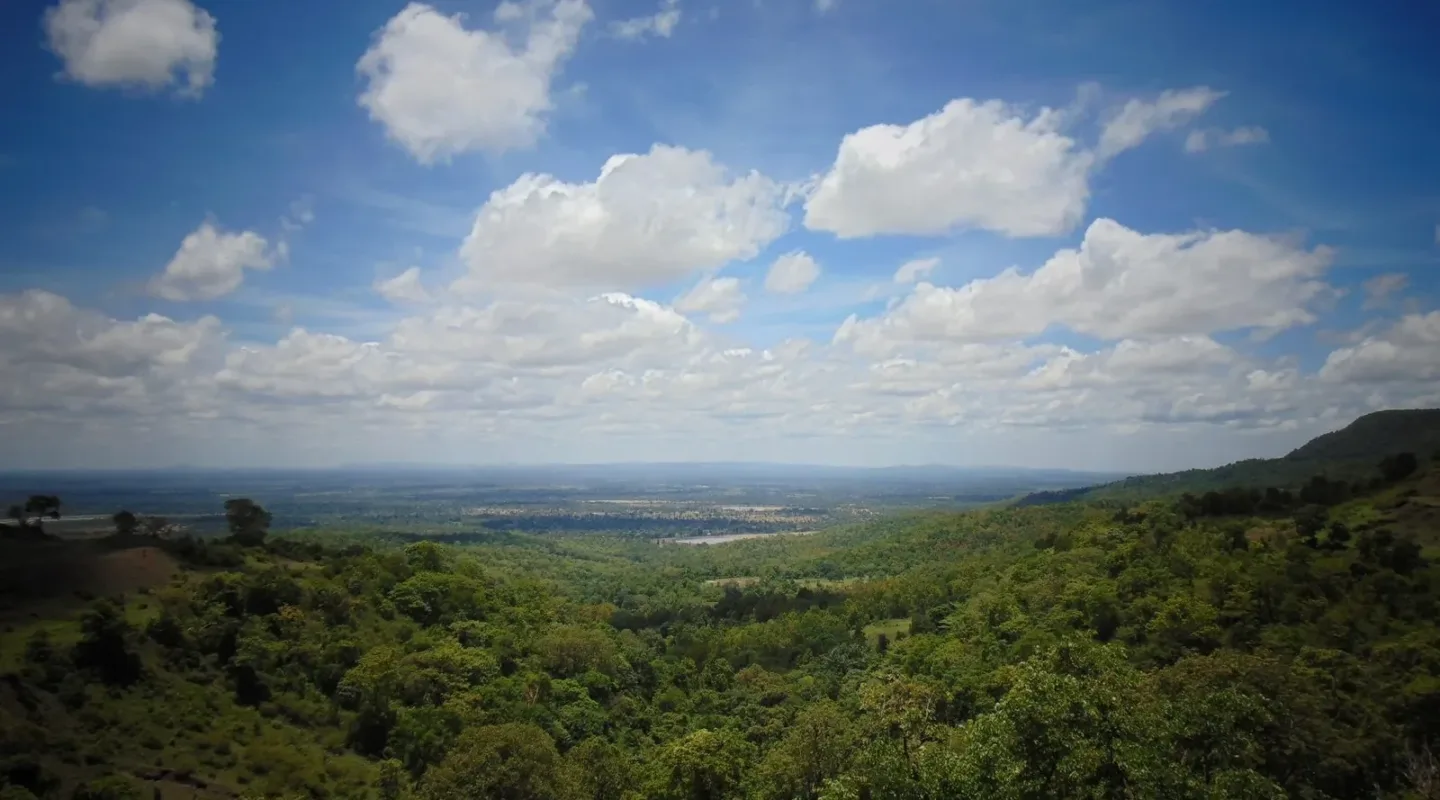

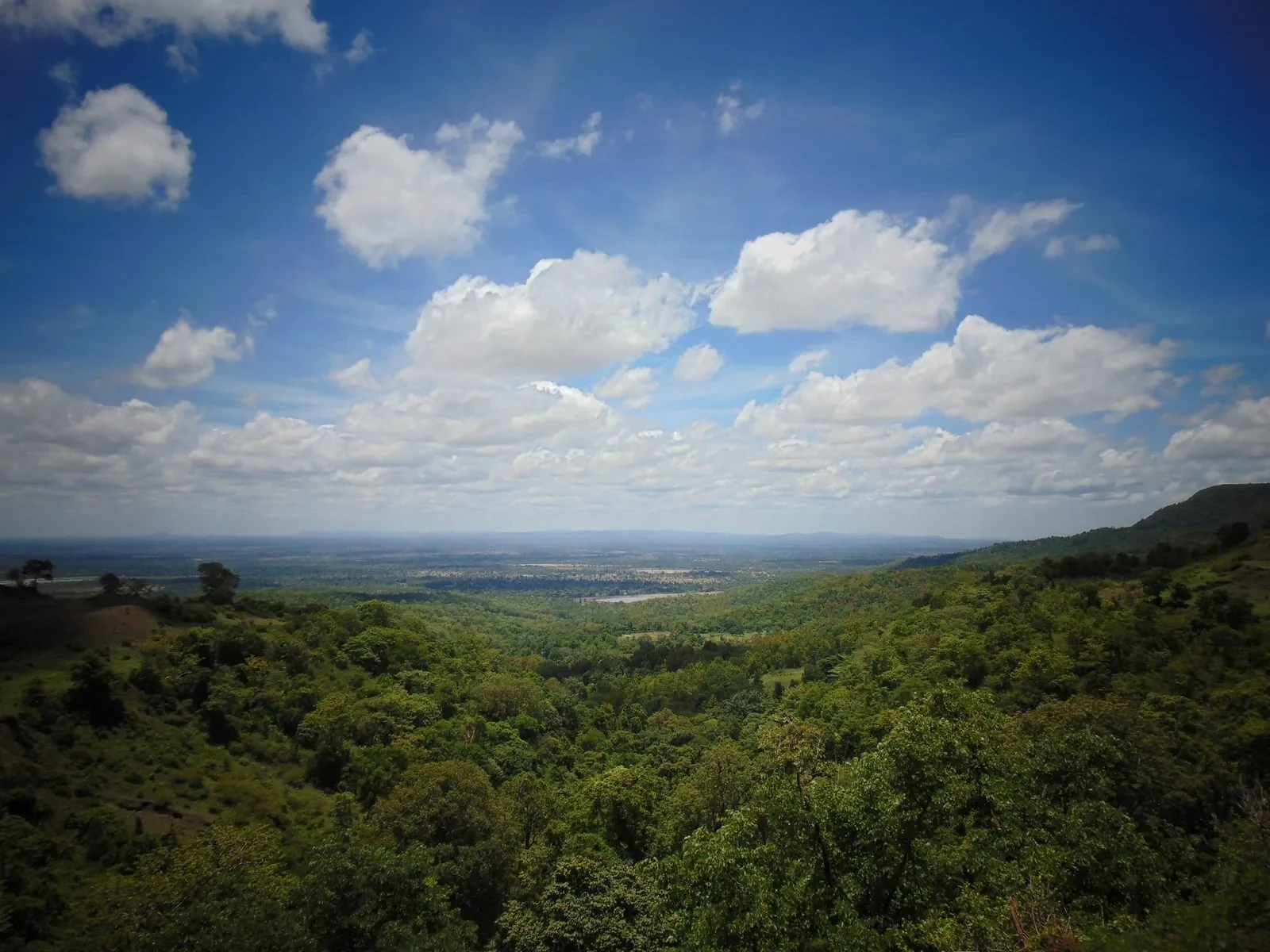
Central India treks are the quiet answer to a November problem. The Himalaya is cold and the high passes are closing; the Western Ghats are still shaking off the north-east monsoon. Between them sits a belt of low hills — the Satpura plateau, the Maikal range, the granite outcrops of Telangana and Bankura — where the walking is easy, the nights are cool rather than freezing, and the crowds went home in October. Four routes on wdrlust.in cover it: Pachmarhi, Amarkantak, Bhongir Fort and Susunia Hill. None goes above about 1,100 metres, which is the point.
This is not a substitute for a Himalayan trek and should not be sold as one. It is a different product: short days, low altitude, real forest and real history, and a season that runs comfortably from November into February. For a long weekend, a family group, or a first-time walker, it is the part of India that will not punish you.
Why central India treks work in late November
The India Meteorological Department’s extended outlook for the last week of November puts no significant weather over west and central India — no western disturbance, no cyclonic system, no rain-bearing cloud. What it does flag is morning fog, dense at isolated places over Chhattisgarh and parts of the central belt. That single line tells you almost everything about what to expect: dry trails, cold clear nights, and mornings where the first two hours may be grey and viewless before the sun burns through.
Compare the alternatives this week. Himachal and Uttarakhand are into single-digit nights with snow already on the high ridges. Kerala and Tamil Nadu are under a heavy-rainfall warning from the north-east monsoon. Central India is the one large region where a November trek is neither a cold-weather expedition nor a rain gamble.
The four central India treks, compared
| Route | State | Duration | Grade | High point | From | Group cap |
|---|---|---|---|---|---|---|
| Pachmarhi Trek | Madhya Pradesh | 3 days | Easy | 1,100 m | Rs 3,500 | 18 |
| Amarkantak Trek | Madhya Pradesh | 3 days | Moderate | ~1,100 m | Rs 5,800 | 16 |
| Bhongir Fort Trek | Telangana | 1 day | Easy | ~150 m gain | Rs 1,800 | 20 |
| Susunia Hill Trek | West Bengal | 2 days | Easy | 440 m | Rs 3,200 | 18 |
What each route actually gives you
Pachmarhi Trek — 3 days, easy, from Rs 3,500
Pachmarhi is the strongest all-rounder. Three days on the Satpura plateau, topping out around 1,100 metres, graded easy — plateau tracks and gorge trails rather than anything steep. Day one brings you in to the rock shelters and Bee Falls. Day two is the real day: a traverse to Dhoopgarh for sunset, with Rajat Prapat reached by the gorge trail. Day three is Duchess Falls before departure.
What makes it worth the money is the density of things to look at: rock shelters with painted figures thousands of years old, and Rajat Prapat, one of the tallest single-drop waterfalls in central India. Next departure 6 December 2026, capped at 18.
Amarkantak Trek — 3 days, moderate, from Rs 5,800
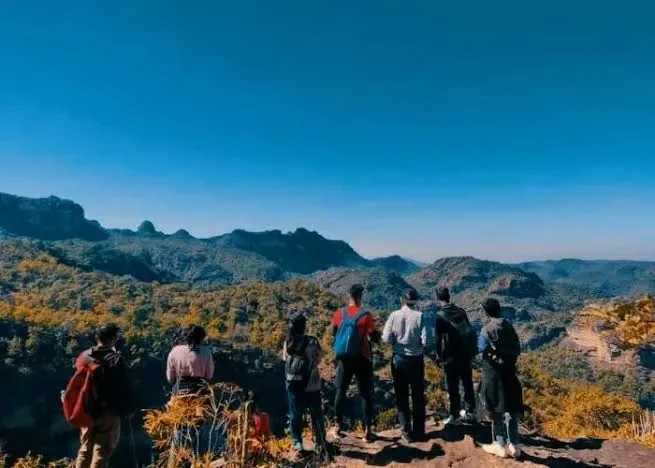
Amarkantak is the one to pick if you want the walking to mean something. It is where the Narmada rises, and the Son too — two of peninsular India’s great rivers starting within a few kilometres of each other. Three days from Jabalpur, roughly a 240 km drive via Dindori, graded moderate for the Maikal ridge day rather than any technical ground.
Day one is the Narmada Udgam temple at the source, then the gorge rim trail to Kapildhara and Dudhdhara falls. Day two goes east to the Son Udgam and Mai Ki Bagiya, then climbs the Maikal ridge where forest opens into grassland — the high point at roughly 1,100 metres. Day three is the Kalachuri ruins at Karkota before the drive back. Next departure 27 November 2026, capped at 16.
Bhongir Fort Trek — 1 day, easy, from Rs 1,800
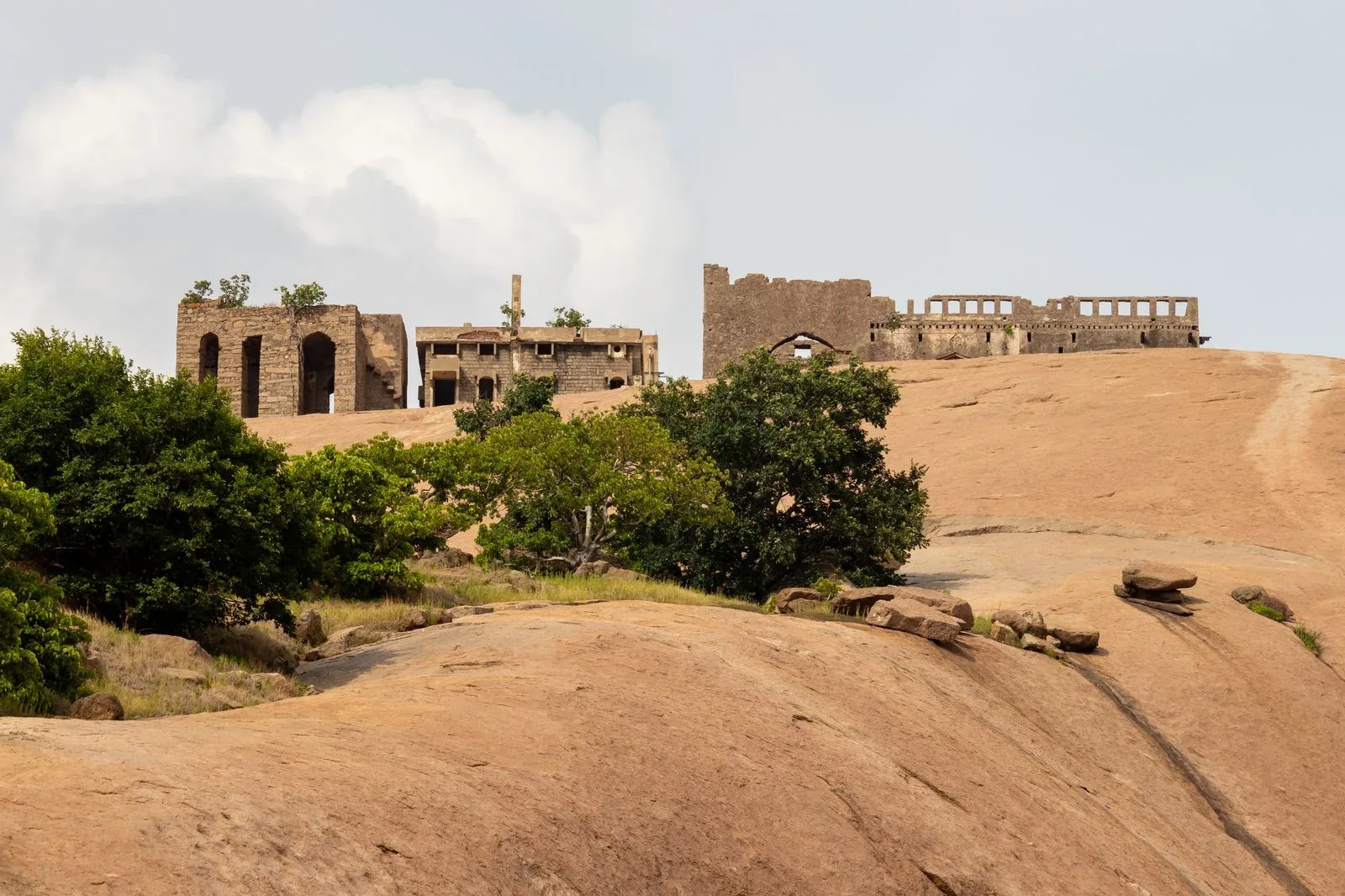
Bhongir is the cheapest, shortest and most unusual. A single-day climb from Hyderabad up a granite monolith to a 10th-century Chalukya fort, on rock-cut steps, summit ruins still standing. The gain is trivial — a 150-metre-ish climb, not a mountain — but the rock is genuinely strange: one enormous egg-shaped outcrop with a fort on top and a moat at the bottom.
Treat it as a day out rather than a trek — a Sunday, a camera, and anyone who has never walked a hill. Next departure 27 November 2026, capped at 20.
Susunia Hill Trek — 2 days, easy, from Rs 3,200
Susunia is the outlier, and the one I would send a history-minded walker to. Two days from Kolkata to a granite hill in Bankura, 440 metres at the summit, holding Bengal’s oldest rock inscription — a 4th-century Brahmi record cut into the face. Day one is the climb and the inscription; day two a walk along the Gandheswari river.
Graded easy and short, but not a nothing walk: the granite is slabby and the descent needs care when damp. Next departure 27 November 2026, capped at 18.
What is not good about central India in late November
Three things, and say all three to anyone booking.
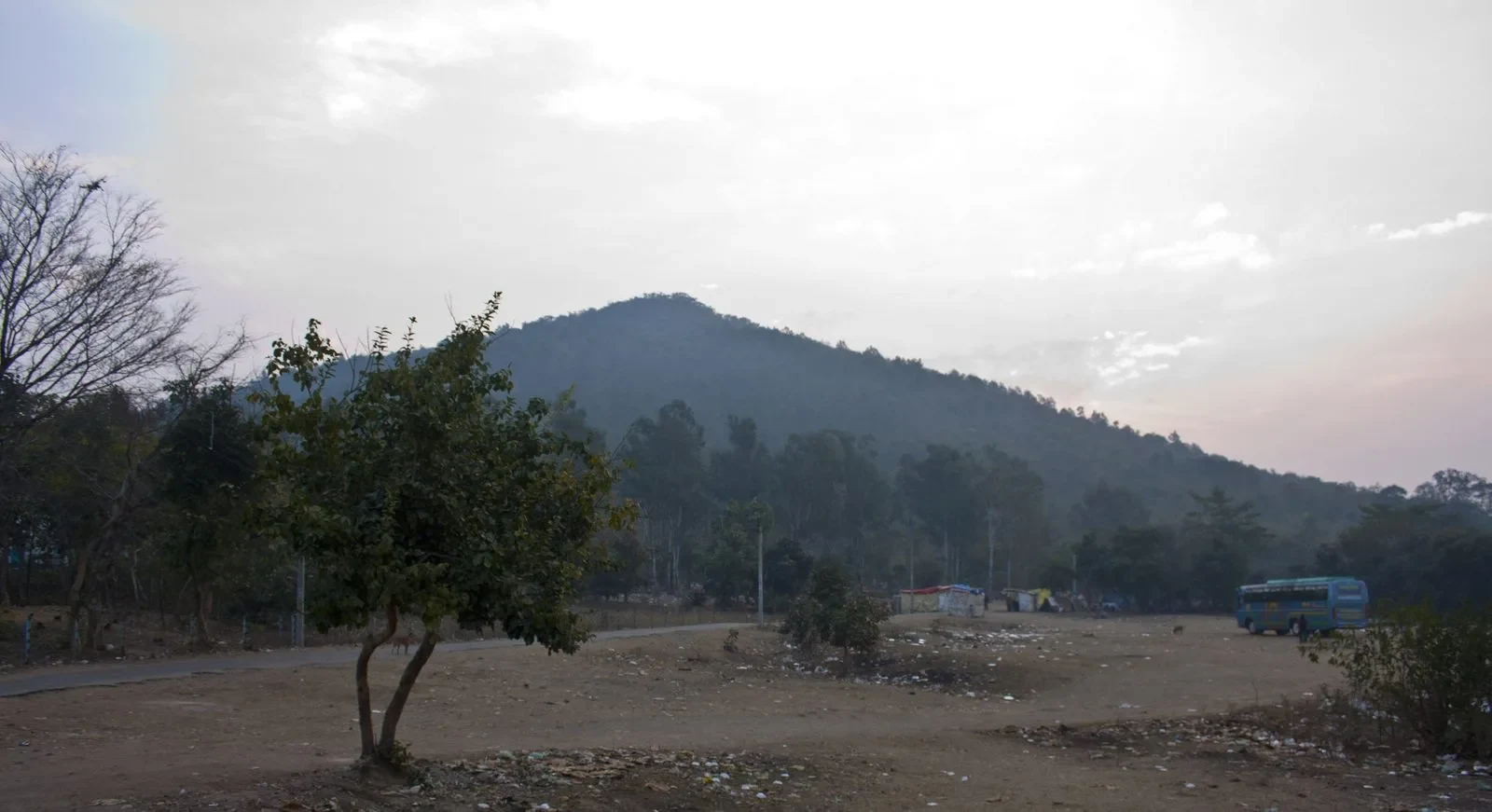
The mornings can be blind. IMD has dense fog flagged at isolated places across the central belt this week. On a bad morning you may climb to a viewpoint and see a wall of white. Build the expectation that the view is a bonus, not a guarantee, and that the best light is usually after 9am.
There is no altitude and no snow. If someone is booking this expecting a Himalayan experience, they will be disappointed. The high point of the whole set is about 1,100 metres. This is forest, plateau and rock, not alpine terrain.
Waterfalls are thin in November. Rajat Prapat, Kapildhara and Dudhdhara are all at their best in the monsoon. In late November they run, but they run modestly. The rock shelters, the ridge and the inscriptions do not care about the season — the falls do.
How to choose between them
Three days and the most variety per rupee: Pachmarhi. Walking with weight and no objection to a long transfer: Amarkantak. A free Sunday in Hyderabad: Bhongir. A story attached, from Kolkata: Susunia.
Whichever you pick, read our guide to how to choose trek difficulty first — the grading on these four is honest, but “easy” in central India and “easy” in the Himalaya are not the same thing. And if you were actually hoping for cold and snow, the other half of this week’s pair is Ladakh in November, which is the opposite trip in every respect.
The best trek in late November is the one that actually runs. In central India, that is almost always the answer.
Frequently asked questions
Are central India treks good in November?
Yes — late November is one of the best windows. IMD forecasts no significant weather over west and central India this week, trails are dry, and nights are cool without being freezing. The only caveat is morning fog, which can hide viewpoints until mid-morning.
Which is the easiest of the four?
Bhongir Fort is the shortest and cheapest at one day and Rs 1,800, with only a modest climb. Pachmarhi and Susunia are both graded easy over two to three days. Amarkantak is the only moderate one, because of the Maikal ridge day.
Do I need to acclimatise for these treks?
No. Nothing on this list goes above roughly 1,100 metres, so altitude sickness is not a factor.
What does a central India trek cost?
From Rs 1,800 for the one-day Bhongir Fort Trek to Rs 5,800 for the three-day Amarkantak Trek. Pachmarhi is Rs 3,500 for three days and Susunia is Rs 3,200 for two.
Will I see snow?
No. There is no snow on any of these routes at any time of year. If snow is the point of the trip, look at the Himalaya instead.
